An Undelivered Eulogy

Judy Birdsong Moore
1954-2017

Because I’m used to speaking in front of crowds and have a good ear for the sound of words, over the years, several people have asked me to deliver eulogies at their loved ones’ funerals/memorial services.

When I write a eulogy, I choose a text – for my father I opted for Dylan Thomas’s “Do Not Go Gentle into That Good Night.” I read the poem and pegged my father as a wild man “who caught and sang the sun in flight” but who learned “too late” that he “grieved it on its way.”

I offered examples of his wildness, like the time he captured a baby alligator and kept it in our bathtub, how he performed death-defying aerobatic stunts in an open-cockpit plane he had refurbished himself. I admitted that my father really didn’t care what other people thought, that he essentially gave the finger to the world.

Nevertheless, my father could be a man of immense compassion and adhered to an unimpeachable code of personal honor. I told about the time during the height of the Civil Rights movement, much to the chagrin of our neighbors, how he invited an abused ten-year-old African American boy to come live with us until a permanent safe abode could be found for him.

What I didn’t mention was that his last words were, “Get that goddamned light out of my face.”

Instead, I ended by saying that I thought Dylan Thomas’ exhortation to “rage, rage against the dying of the light” was bad advice and quoted some scripture that had been printed on my mother-in-law’s funeral program:

Let all bitterness, and wrath, and anger, and clamor, and evil speaking be put away from you, with all malice, and be kind to one another, tenderhearted, forgiving one another, even as God for Christ’s sake hath forgiven you.

Having a text creates unity for a eulogy, helps coherence. What you want to do — or at least what I want to do – is to bring the dead back to life for a minute or two but also to help people come to terms with death’s predestined inevitability. Obviously, this last part is easier when the departed has lived a long life than it is when a life has been cut short.

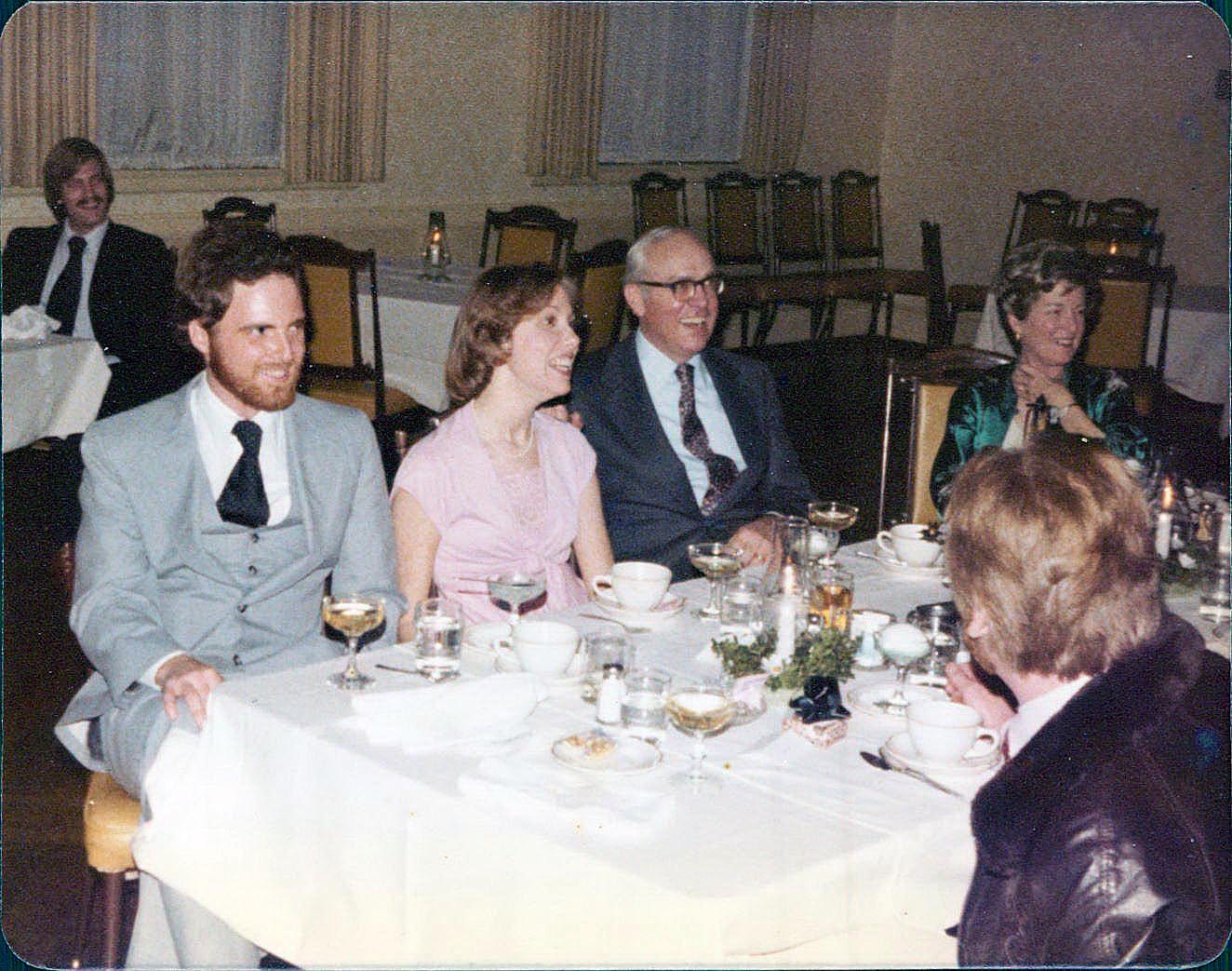
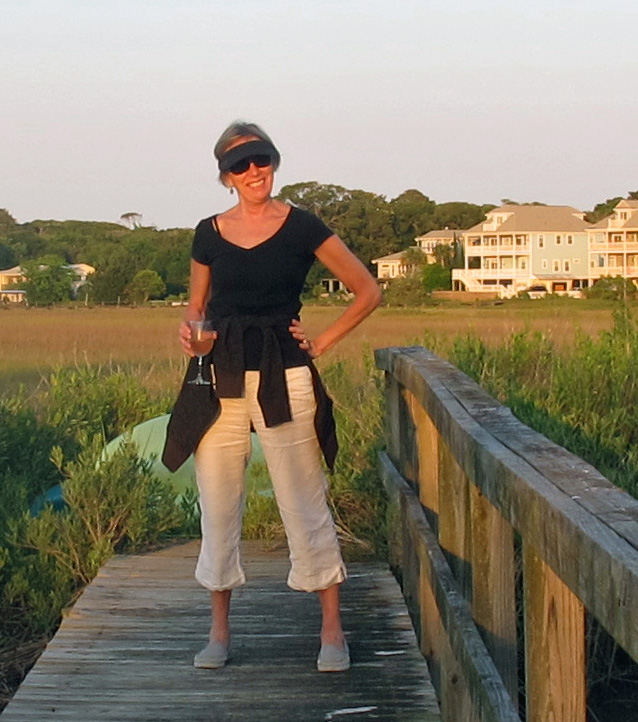
from left to right, my father, an identified woman, my mother

When it became all too obvious that my love of 40 years, Judy Birdsong, was doomed to die of lymphoma, I thought about what I might say at her memorial service, what text I might use. Although these thoughts may seem self-indulgent to some, they provided me a chance to look back over our four decades together, back over the wooing, the establishing a household, travelling the world, begetting and rearing children, the various stations in the progression of our marriage.

About a week before she died, she looked over at me and said, “You’re not planning to do a eulogy for me, are you?” She delivered this question in the tone of voice she might use if I told her I was thinking about buying a thong speedo swimsuit for Folly Beach’s New Year Day’s polar bear plunge.

“No, of course not,” I said.

So now, of course, I’m not.

However, if I were, I would make use of quotes from the many sympathy cards we’ve received. I was sort of dreading reading those cards, but it has been so comforting, so life affirming.

Here’s her college and grad school roommate Veda who can’t “think of any times we really didn’t get along or were really mad at each other” but added “I guess she really didn’t like it when I would clean her room at our apartment in Columbia, but she really never got too upset about it.” [1] It was Veda who got Judy the job at the Golden Spur. Veda adds, “Sometimes it seems I can still smell the beer from mopping the floors after closing.”  It was also Veda who played matchmaker inviting me to their apartment for fried shrimp sensing Judy and I had crushes on one another but were too shy to do anything about it.   What an enormous debt I owe to her.

I’ve also heard from many of Judy’s colleagues I don’t know. A principal describes her as “so pleasant to work with and so well-prepared and good with parents.”

Our niece Beth nails it when she describes Judy as “kind, generous, funny, smart, and beautiful.  But I think what set her apart to me was the serenity she always possessed.  In this world which is increasingly so frantic, Judy always seemed calm and peaceful, happy in her life and content in her own skin.”

Perhaps the greatest solace I have received comes from others who have lost spouses. One describes us as “travelers on the same unwished for road, members of the same broken-hearted fraternity.”

The best advice comes from fellow widower Richard O’Prey who writes

It is in that spirit that I offer you this note. I hope it lends moral support to your heroic attempt to carry on without Judy. As I did with my wife Mary, I honored her by recalling her wisdom, her counsel, her courage in supporting me during our marriage. Now I urge you to honor Judy by continuing to consult her values, her directions, her unshakable faith in you [ . . .] As you are a creature of your early youth and the effects of those who loved you, think of Judy in the same way. Think of her often and ask what you believe her advice would be under the present circumstance. Perhaps that might be the best support I can offer at this discouraging time.

Judy absolutely hated being the center-of-attention. She wouldn’t let me put in her obituary that she was named Psychology Student of the Year at PC or that her EdS thesis was published in a respected journal and has been cited in other scholarly works. In fact, she really didn’t want to have a memorial service at all but thought it was necessary because it would help others receive some closure. It was always others she was thinking of, not herself.

I’m with Richie O’Prey. Rather than seeking closure, I’ll keep Judy always nearby in my thoughts,

She’s an impossible model to live up to, she who spent the week before her death recording passwords so I could have access to her accounts. To quote Shakespeare, she died

As one that had been studied in [her] death

To throw away the dearest thing [she] owned,

As ‘twere a careless trifle.

Like I said, she’s an impossible model to live up to, but I’ll give it my best.


[1] This, by the way, gave me the false impression that Judy was a meticulous housekeeper, an illusion that quickly disappeared after I carried her over the threshold of our first apartment at 17 Limehouse Street.

Good Night, Sweet Judy


Judy Birdsong

Maybe at last being but a broken man

I must be satisfied with my heart . . .

WB Yeats “The Circus Animal’s Desertion”


Since my wife Judy Birdsong’s death last Sunday, I have been unable to write anything but clichés. Courageous battle. Unending love. Flights of angels.

Fortunately, my friend Aaron Lipka was able to express what I am feeling in an email he sent to my friends and colleagues at the school where I teach. I’d like to present it as a prelude to the slideshow I made for the funeral home visitation.

I can’t express in strong enough terms the gratitude for all of you who have sent love, thoughts, prayers, solace. Now that my Judy’s gone, I don’t have a guide to steer me within the bounds of good taste, so please bear with me when I stray, which I’m sure I will.  As they say, the past is prologue.

Here’s Aaron’s message:

One and all,

I have been thinking about what to say in this email.  Sometimes, words are not what we need, and electronic consolation can seem cold and impersonal. Whatever I can say here today will risk falling sadly short of what is useful or necessary.

And yet words are all I have to give.

Death is sad, and scary.  In the face of loss, I have listened to our school community reach out with compassion to Wesley, and I have heard others tell of the benevolent and graceful individual whom we knew as Judy Birdsong.  The cumulative message I have received this week, however, is neither sad, not scary at all.

It has been a celebration of a life lived, full of love.  It is a story that has refused to be marred in the face of hardship or sorrow.  In the sharing of the story of her life, I feel her presence with us.  Her memory is very much alive, and it is radiantly beautiful.

I consider myself fortunate to have known her, in my small way.  And I judge Wesley to be a lucky man; not for his loss, but for the many years he had to spend with Judy.  We should all hope to share such love in our lives.

I hope to see many of you at Chico Feo on Folly Beach this afternoon, 4 pm, and together lift a glass to commemorate the life and love of Judy Birdsong.  In our shared words, she will be among us.

Penitus ex animo,

Aaron


I Have Measured My Life Out with Barrooms

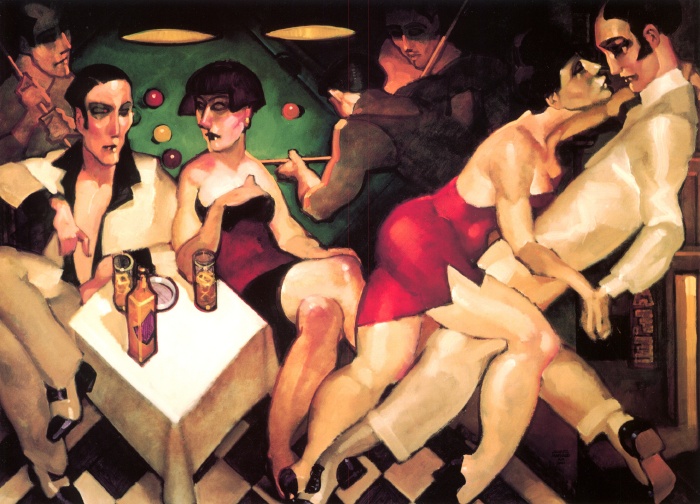
Juarez Muchado
“A Bar in Copacabana

The mornings, evenings, afternoons . . . 

TS Eliot, “The Love Song of J Alfred Prufrock

I started hanging out at bars at a very young age because whenever my mother left me alone with my old man, he’d throw me in the car and head off to some hole-in-the-wall near the Navy Base. There were no such things as kiddy car seats in those days. Come to think of it, there were no seatbelts either, at least in the cars we owned. Nor were we stowed in the backseat for safety’s sake.

Whenever Daddy hit the brakes, he’d reflexively extend his right arm as a barrier to prevent us from hurtling into the dashboard with its array of dangerous knobs, seemingly designed with poking out eyes in mind. I was only thrown into the dashboard once when my grandmother let me stand up in the front seat. I lost my front baby teeth, and one of my permanent front teeth grew in discolored and had to be capped. The cap kept falling off, and what was left of the tooth had to be drilled down to fit on another cap. Eventually, when there was hardly anything left, it had to be pulled, which made me look like Alfred E Newman until we acquired a retainer like false tooth.[1]

At any rate, sometimes, if you’re lucky, natural selection doesn’t work out the way it’s supposed to.

That grandmother, a Baptist, despised demon alcohol and considered bars dens of iniquity, though she and her sisters (Pearl and Ruby) traded pharmaceuticals like jelly beans.[2] My mother, though less severe, didn’t like to come home and discover us missing. The story is that she could mysteriously intuit what bar we were at by flipping through the Charleston phone book, which was much thinner in those days in before the Old South turned into the Sunbelt. According to the dubious story, she’d call the bar, offer a description, get the old man on the phone, and he would come dutifully home with little me in tow.

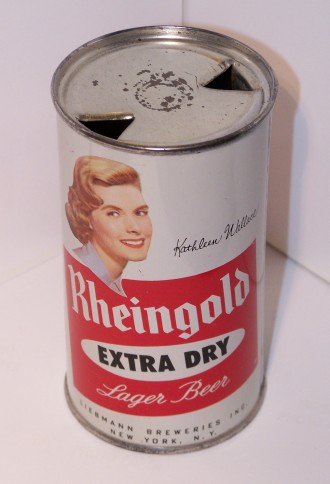
My vague memories of hanging in bars with my father in the mid-Fifties may be manufactured. They may be based more on movies I’ve seen featuring dark, small, smoky spaces. I do clearly remember him playing pinball machines, a cigarette dangling from his mouth. These were in the days before aluminum cans were equipped with pop-tops, a great invention. Back then, bartenders opened cans of beers with small metal openers [see illustrations below] and had to make two openings to create airflow to help gravity along.

That reminds me. When I was around ten, my father had this foolish idea that I needed to drink one beer a week to gain weight – as if the weight gain would be equally distributed along my skeletal frame instead of creating a stick-legged, stick-armed tween with a beer belly. I absolutely detested the taste of beer. Now that I think of it, it may have been a ruse to allow us to have beer in the house.

The next bar I visited in my youth was a roadhouse called Morris Knight’s, a one-story honky-tonk-like establishment about a half-mile from my house. It consisted of two rooms, one with a bar and stools (where they sold candy and fireworks to kids in the day time) and a back room with a vending pool table and a jukebox. One night when we were camping out, we made an excursion there to score some Squirrel Nut Zippers and encountered staggeringly drunk men and women. The fat woman bartender kicked us out, informing us it was no place for children. It seemed at once both sinful and fascinating, Felliniesque in a po-dunk sort of way.

The S & S poolroom, where I hung out in high school, wasn’t, strictly speaking, a bar, though they did sell both draughts and canned beers. They served the most delicious hot dogs ever thanks to their secret chili recipe. Sometimes my mother would have a craving for one, and Daddy would go fetch her “a poolroom hotdog” because “ladies” didn’t dare step inside.

It was tacitly understood that I was not to go into the poolroom, but I did for the first time when I was a 7th grader, the victim of peer pressure. You couldn’t get away with sneaking in there, though, because you would come home with the telltale poolroom smell, a sort of sour smoky odor laced with fried food.

The poolroom was sort of a grander Morris Knight’s and employed young black boys to rack the tables and collect the dime it cost to play a game of nine ball. When the game was over, you’d holler “Rack!” Gambling was allowed. I saw a friend of mine, Glenn Farrar, win a hundred dollars in about forty minutes one time. It was a Friday, payday.  Tensions ran high.

Anyway, my parents eventually didn’t mind my hanging out there, and in the early 70’s a couple of girls actually started frequenting, which sullied their reputations. By then, the hissing sound of the double metal can opener had been replaced by the plunk of tabs you tore off.

You had to be somewhat circumspect in the poolroom, though. Using a word like “whom” might end up getting your “ass cut,” as we locals put it. You weren’t allowed to cuss, though. A “No Profanity” sign was displayed prominently behind the bar beside prints of monkeys shooting pool and playing poker.

You could drink legally at eighteen in those days, so college was where I learned the art of making eye contact with the bartender, the advantages of busing your own tables by returning your bottles, and how leaving a tip could help you get served faster when the joint was busy.

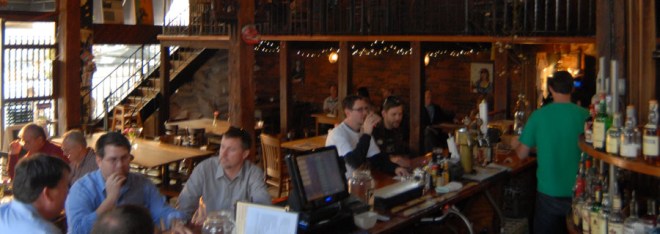
My freshmen year I hung at a place called the Opus that served only Bush Bavarian beer, or at least that’s my memory, but they tore the Opus down to build the new Law School. There was also the Campus Club, a cool space with a wraparound scaffolding-like structure that created a sort of second story but was open to the space below, like the saloons you sometimes see in old Westerns. I liked sitting there in the afternoons after class when dust-moted sunbeams bore down on the tables like spotlights.

Here it is in its new iteration as “The Hunter Gatherer”

I never really liked the Golden Spur, the bar located in USC’s student union building, a sort of cafeteria-like soulless place where unadventurous students hung. Ironically, I ended up tending bar there along with my future wife, who had white-lied to her parents and told them that she worked at “the student center.” The bar did boast some really cool musical acts, like Sonny Terry and Brownie McGee. That may have been my best job ever. If we went out after work, it was to Oliver’s Pub on Devine Street, a private club where you could drink on Sundays.

Like a chip off the ol’ block, I started taking my two sons to bars early in their lives.  When then they were pre-adolescents, on nights their mother attended classes to get yet another graduate degree, we’d eat out at bars. Our favorites were the Acme Cantina on the Isle of Palms and Station 22 on Sullivan’s Island. The boys were on a first name basis with the bartender, Fronz, at the Acme, and with Cathy Coleman at Station 22. The big difference between my childhood experience and theirs is that their mother didn’t mind at all, especially on 25-cent wing night.

Now, our sons are in their 30’s, and, of course, we still enjoy venturing out to a bar when they’re home, and Folly Beach where their mother and I now live may have more bars per capita than anywhere in this side of Vegas.  Our favorites are Chico Feo and the Jack of Cups, but the Surf Bar is top-notch as well.

By the way, the worst bar I ever visited was outside of Leningrad on the Bay of Finland.  Black walls, red lights, bad vodka, the reek of Turkish cigarettes, drunken Finns looking for love. It made Morris Knight’s look like a Dairy Queen.


[1] You can read a sad, alcoholic-themed story about that very tooth here.

[2] My grandfather hid half-pints of rum in his dress shoes in his closet.

The Dying Oral Tradition (Southern Gothic Edition)

gator


Although my brother had not been born when the incident occurred, he has heard the retelling so often that he swears he witnessed it, swears that he remembers the alligator snapping as it scuttled in the shallow water of our bathtub. I, myself, aged two or so, who shrieked there naked in that linoleum bathroom, have no recollection of the incident at all, though I, too, from multiple retellings can see the events occur, can see the climax of the tale unfold on the drive-in movie screen of my mind: a red-haired 24 year old mother and her red-haired toddler at bath time encountering a baby gator that her husband had deposited in the tub before departing to continue his bar hopping. Of course, the best retelling was a duet, Mama and Daddy counterposing their split screen roles in the Gothic comedy: Daddy and his pal Tea hitting juke joint after juke joint, taking a propitious gator-discovering ditchside piss, the capturing and bagging.  Mama out somewhere with me and then back home impatiently shelling peas on the porch in the humidity wondering where the son-of-a-bitch had run off to. Their mutual laughter in the telling and retelling of the tale suggests that they were happy it had happened.*


*Of course, in my former role as mandatory reporter of child abuse and neglect at Porter-Gaud, I’d probably have to call DSS if one of my students had shared a similar story with me, perhaps resulting in the child’s removal from the home and replacement into foster care to live with someone wholesome like Paula White.

paula white

Paula White, President Trump’s Spiritual Advisor

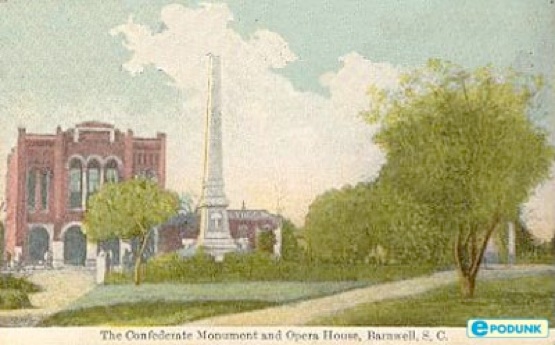
Unfortunately, storytelling has disappeared from Porter-Gaud, partly because teachers share no common space and partly because the pinging of emails and the flashing of voice mails demand too much of attention. I had a colleague who in years past regaled us with her forlorn trips back to her hometown Barnwell where, in the shadow of the “Atomic Bum Plant,” she’d celebrate what she called “a Tennessee Williams Christmas.”

As a storyteller, she possesses the Chaucerian talent of individualizing a type. Her mother, the dowager, reminiscent of Faulkner’s Caroline Compson in her small-town slow decay, but with her own unique identity, the drawled zinger, the hawk-eyed fault finding. Add a maiden aunt, the clutter of knick knacks, darkened rooms, the smell of cedar – and you’ve recreated a palpable world. I’ve been there, though I have never set foot in that house.

As Southerners, we’re both the descendants of Flannery O’Connor, perverse, reveling in the grotesque, living a nightmare and finding it funny.

Alas, I fear that raconteurs like my friend are a dying breed – not only that – but that the old eccentrics are dying out (or being rendered bland by homogenization). Of course, hoary headed malcontents have been bemoaning modern ways since Socrates complained that writing would ruin language, that reading would silence words, remove the oracular from the narrative, render the dactyls mute, transform the communal experience into a solitary one.

Now some fear that reading itself will disappear, replaced by easily processed images, the hungry eye not patient enough to bother with decoding, needing the quick fix of quick-cut-rat-a-tat editing.

However, I, for one, doubt that movies will ever supplant poetry and prose as the chosen vehicle for our highest narrative art, whether we’re reading those words in leather-bound books or on Kindles.

Ah, but the storyteller – where is he to go to tell his tales? In neighborhood bars with those massive screens that draw your head away like a hypnotist? On the screened porches of upscale neighborhoods? From the pulpits of Baptist churches in dying, congregation-starved towns like Branchville or Eloree?

Despite its endangerment, I suspect that the oral tradition will never really die completely out, even in suburbia, because people naturally love to hear a good, well told story. I can attest to this: PowerPoints for all their snazzy transitions and striking images are for students the bane of contemporary education. Fire one up and hear the groans.

A couple of years ago when I was teaching Tennyson’s “Marianna,” I gathered my tenth graders around our table and told them that today we were going to have story time. I told them the story of Measure for Measure, with all of its hilarious shenanigans – disguised dukes, horny puritans, self-righteous sisters, and trickster sex, and a few days later, I heard these iPhone addicted 15-year-olds ask, “When are we going to have story time again?”

So who knows?

Two Fools in Love

wes-chaplin

Although 25 and engaged to be married, I didn’t own an automobile until my future father-in-law, Ralph Birdsong, suggested his daughter Judy lend me the money, which he no doubt hoped would facilitate my gaining some sort of gainful employment before the nuptials.

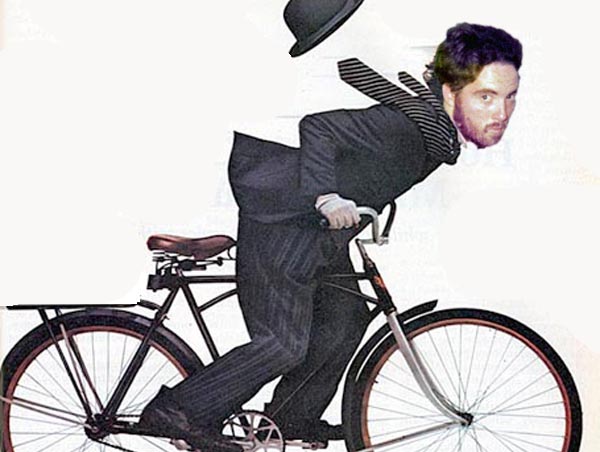
In Columbia, SC, where I had recently dropped out of grad school and earned a whopping $1.15 an hour as a dishwasher at Capstone Cafeteria, I had applied for some jobs, had even gotten an interview, but without enough money for cab fare, I had ridden a borrowed bicycle to the interview in a three-piece suit that was so sweat-soaked by the time of my arrival, I turned right around and pedaled home, a pathetic, clueless, Chaplinsque figure wobbling along the shoulder of Two-Notch Road inhaling diesel exhaust as sixteen-wheelers rushed past in 98-degree heat.

My first meeting with Ralph Birdsong had occurred some months before when Judy invited me to her home in Atlanta during one of our breaks. Because I didn’t want to arrive in a Greyhound bus, I concocted a romantic, grandiose scheme where I would hitchhike from Summerville to Spartanburg and take the train from there to Atlanta after spending the night with my former housemate Mike Rice, better known as James Paul Rice, now that he’s just published a novel under that name. No passenger trains ran from Charleston to Atlanta so I would be hooking up with Southern Railway’s City of New Orleans in Spartanburg.

Anyway, I could crash with Mike, and the timing was propitious, because he had been invited to the pre-opening of a swanky bar. He told me to bring a suit, so I borrowed one from my father and also his matching a half-size-too-small cowboy boots. Mike agreed to take me to the train station at the ungodly post party hour of 5 a.m. Hitchhiking with a suitcase, I scored a ride to Columbia and then another to Spartanburg without having to stand illegally on the shoulder of I-26. Once I landed in Spartanburg, I called Mike from a payphone to pick me up.

The pre-opening of the swanky bar was a blast – free booze – the beautiful people of Sparkle City in attendance – and I-and-I looking swank in my black suit and whipped back hair – looking swank, that is, until I noticed a yellow strip of fresh yellow paint running down the right side of my suit. I had leaned against a wall that had been recently touched-up.

So I didn’t arrive at the domed train station in Atlanta sporting a black suit, but Judy was there waiting, and her parents were very nice to me despite my ragtag appearance and the rather obvious chip on my shoulder. I don’t remember much more about the trip except that we went to a park and right before we left, I got to meet Judy’s sister Becky who was pregnant not long after having lost her first child, fifteen months old. I remember Becky saying that she thought the baby she was carrying might end up being an acrobat given how her nerves had been creating spasms during those difficult days. Now that child – a builder, not an acrobat — is pushing 40, has two daughters of his own, and is the epitome of laidback.

Of course, Judy gave me a ride home to Columbia, and it would be three months before we decided to get married, both jobless, but headed to Charleston to begin a life.

from left to right, I-and-I, Judy Birdsong, Ralph Birdsong, Dot Birdsong, and Jake Williams

from left to right, I-and-I, Judy Birdsong, Ralph Birdsong, Dot Birdsong, and Jake Williams


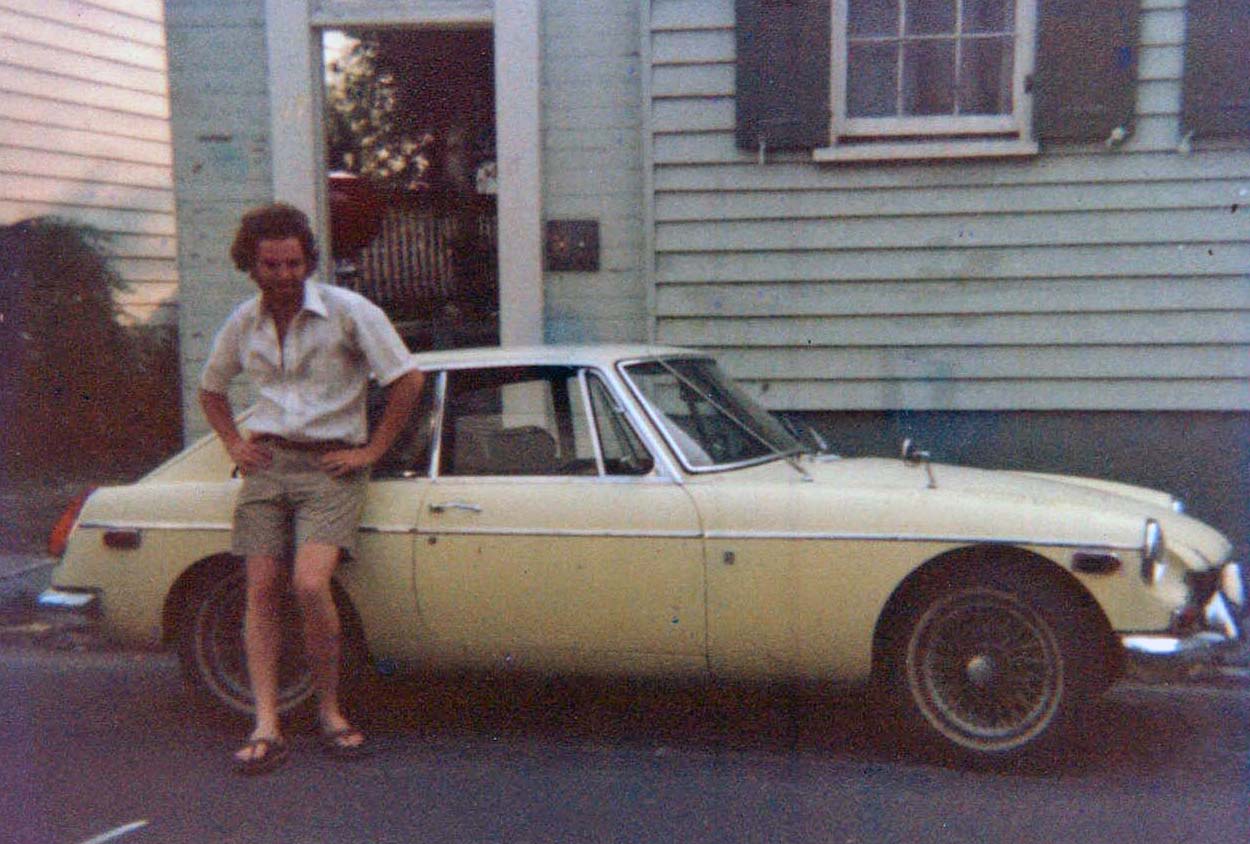
By the way, I bought a very used MG-BT for $1700 with the money Judy lent me, a choice that could not have pleased Ralph, and come to think of it, I’ve never paid her back. Maybe I’ll surprise her with a check at our 39th anniversary.

1977-mgbgt

What truly amazes me now is the generosity and tolerance of Judy’s parents who embraced me for what I was and throughout the rest of their lives never uttered a negative word to me, except for that one time when Judy’s mother Dot told me it wasn’t a good idea having my toddlers fetch beer from the refrigerator for me.

A Year Most of Us Would Like to Forget

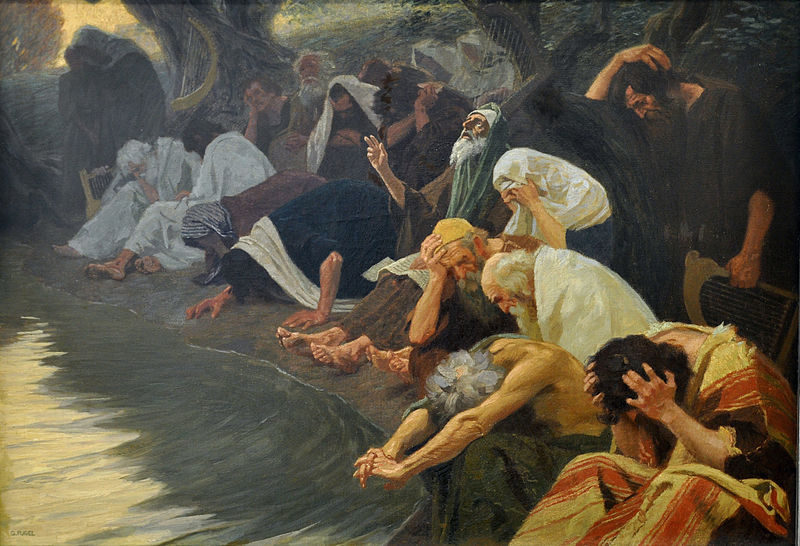
Gebhard Fuge: An den Wassern Babylons

Gebhard Fuge: An den Wassern Babylons

A couple of posts ago, I stated that I wasn’t going to do my annual review because I lacked the courage; however, I’ve changed my mind hoping that the exercise might provide some catharsis, serve as a purgative to wash away pity and terror, as I rent my sackcloth and tear out my few remaining  strands of hair.

January

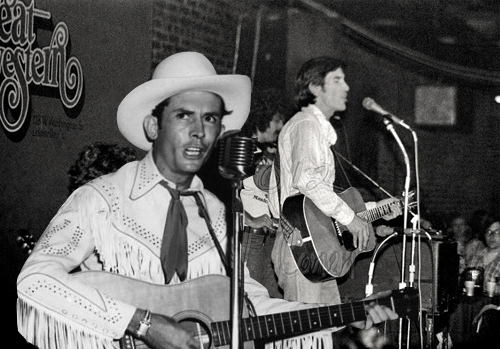
Prophetically setting the tone for horror over the horizon, my very first post this year was a New Year’s Day comparison of Hank Williams and Townes Van Zandt, two doomed cool rocking daddies who both died on New Year’s Day 44 years apart.  Click Here.

hank and townes

Of course, David Bowie would die later that month while those undelightful Bundry Boys, who later would be acquitted, occupied federal property in Montana.  Instead of going there, I’ve linked the cautionary tale of my first acquaintance with alcohol.  Read it and weep. Click Here.

Folly Beach Tales of Intoxication

February

In February my Aunt Virginia died, which led to musing on mortality as my siblings and I scattered her remains to the Folly River.  Click Here.

ashes to ashes

Here’s also a review of Kendrick Lamar’s To Pimp a Butterfly, which I listened to driving to a funeral home after a stranger in a bar the previous evening showed me photographs of her husband’s severed finger stumps, which he had acquired a couple of hours earlier. Click here.

March

patPat Conroy, the father of a close friend, died.  She and her sister stayed with us during his hospitalization. Click here.

In addition, March brought us the news of the return of Judy Birdsong’s T-Cell Lymphoma, which, of course, was profoundly disheartening.

This post was created on Good Friday right after finding out the news.  Click here.

April

Teaching Keats while in despair proved quite difficult but do-able.  Click here.

And, of course, Prince, whom I dubbed “the Lord Byron of Pop, died.  Click here.

screen-shot-2015-12-08-at-7-58-05-am


May

Yet another death, this time a student’s.  Click here.

And I review Don DeLillo’s just released not-exactly-upbeat novel, Zero K.


Edward Hopper: "Morning Sun"

Edward Hopper: “Morning Sun”

June

dylan-ali-2-300x201June brought us a mass shooting in an Orlando Nightclub.  Click here.
Ali, a sort of boyhood hero died, which took me back to the early 60’s when my father tried to teach me how to box.  Click here.

So I decided to cheer myself up by reading the Brothers Karamazov.  Click here.

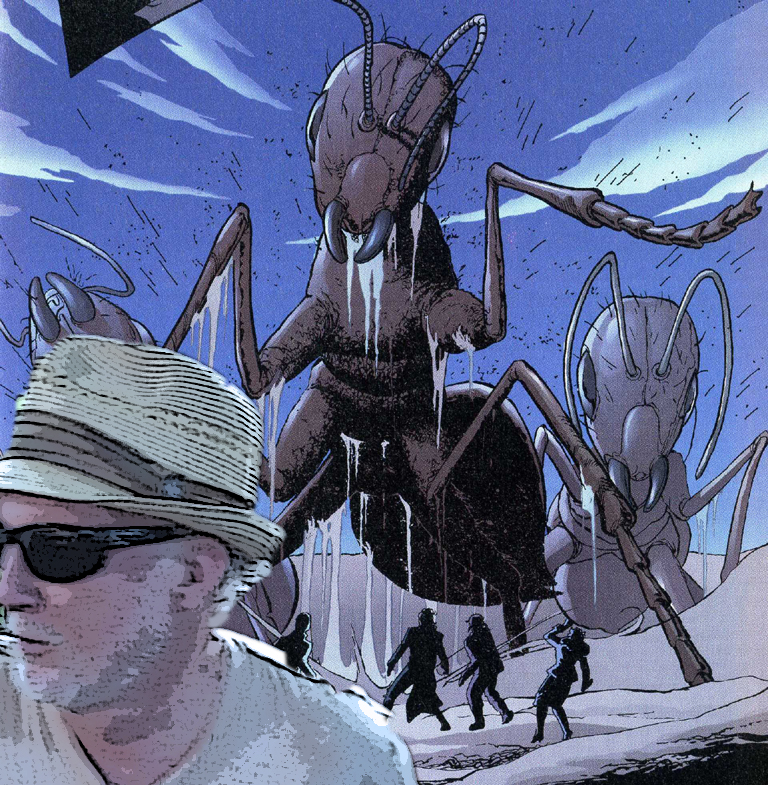
the author fleeing from an ant attack

the author fleeing from an ant attack

July

Trump + Putin = Love. Click here.

Also, there was that festival of bad taste known as the Republican convention. Click here.

Adelson's luxury suite

Adelson’s luxury suite

August

Okay, how about a little sunshine.  I donned my anthropological pith helmet and crashed a bachelor’s party at Chico Feo (click here) and talked a colleague into letting me publish a brilliant letter she wrote to her students (click here).

September

Snazell, Sarah; Doppelganger; Brecknock Museum and Art Gallery; http://www.artuk.org/artworks/doppelganger-178168

Snazell, Sarah; Doppelganger; Brecknock Museum and Art Gallery; http://www.artuk.org/artworks/doppelganger-178168

In September we travelled to Houston for treatment, and my Judy Birdsong met the other Judy Birdsong, a bright light in a year of darkness (click here).

October

Before Leonard Cohen died, I published this piece after reading David Remick’s splendid New Yorker article.  Click here.

13c6ce05571f948557d191ce5f1d7cb0

Blow Hurricane Matthew, break your checks, rage blow. Click here.

November 

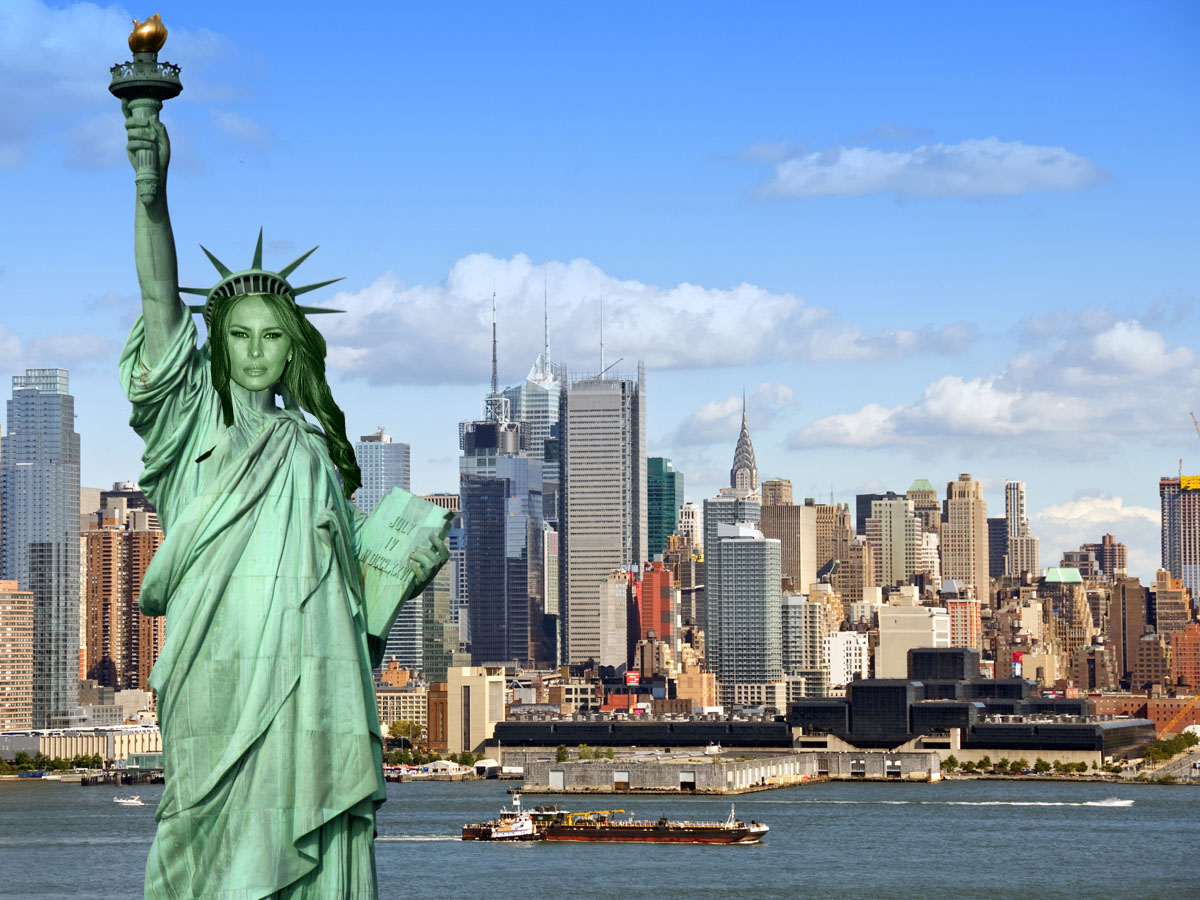
Oh my God NO! Click here.

melania-libertyDecember

So here we are.  On the edge.  Waiting.  But, hey, thanks to all for reading, especially my regular crew.  Happy New Year!
.


A Life of Quiet Desperation vs. a Life of Not-So-Quiet Desperation

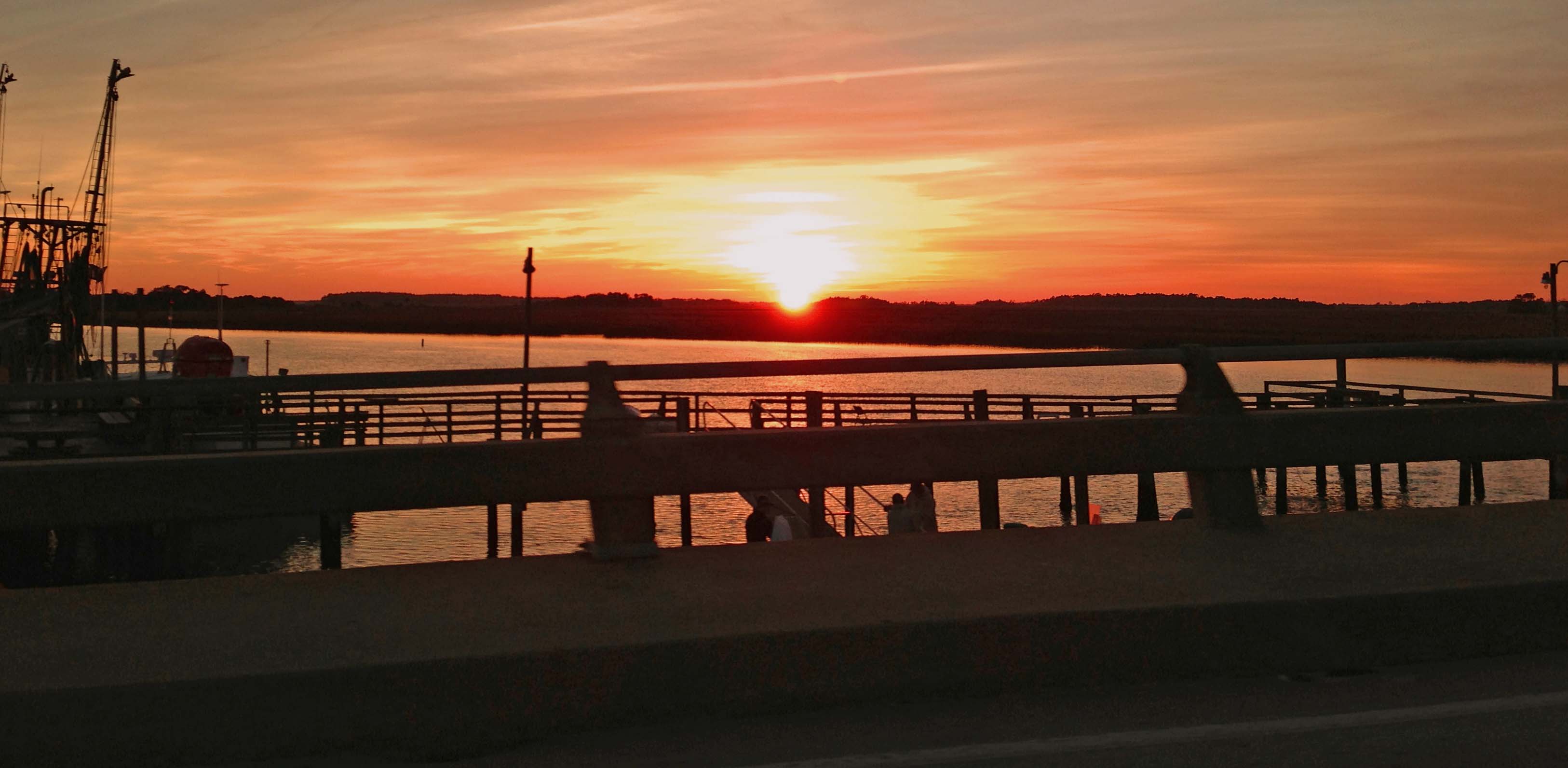
img_0045-original

Last Sunday evening, right before sunset, after taking a little something for my nerves, I left the island to run an errand. It was a beautiful autumnal day, the sun hanging above the expanse of marsh bordering the Atlantic.

On the way home, as I took a left from Secessionville Road onto Folly, someone in a Wonder Woman costume, her cape flapping behind her, scampered across the six lanes of the highway in a foolish superheroinic[1] feat of derring-do.

She had just left a roadside bar called the Barrel, which no doubt had some pre-Halloween shenanigans going down. Encountering Wonder Woman was sort of a surreal sight, and I thought to myself I could see me doing that when I was young, running across a six-lane highway like a fool.

I then refocused on that suspended but sinking sun and decided to try not to think.

That didn’t last long, a deep breath or two. I was going against traffic, tooling past the long line of vehicles inching home from the beach. I considered the occupants in their little bubbles of being, feeling, no doubt, a little down, their weekends just about kaput.

How melancholy, I thought, that most of us squander our precious moments jumping from idea to idea, like Johnny Weissmuller swinging from vine to vine, thrashing through the years like jungle trees in a Tarzan movie. It brought to mind Thoreau’s smug observation that “the mass of men lead lives of quiet desperation,” and I reckoned it was true – at least here in Late Empire America in the Age of Polarization.

It occurred to me that when I was young, I lived a life of not-so-quiet desperation. I was, to quote the James Dickey poem “Cherrylog Road,” wild to be wreckage forever. I got in trouble in high school and later college, risked my and others’ lives driving recklessly for laughs, offered loudly unsolicited provocative opinions, mocked those I considered uncool, blasted music in the wee hours. Yet, despite my Marxian mania (think Harpo, Groucho, not Karl), I was essentially unhappy, if not depressed, profoundly pessimistic, a lost soul.

Despite my hitchhiking, death rudely did not stop for me,. I survived, married a good woman, mellowed somewhat – or maybe more than somewhat – and am finding the wreckage I sought through the wear and tear of time’s decay.

So, on my way home, I was going the state-proscribed 35 miles and hour, slowing to 30 as I rolled onto Center Street, Folly’s main drag, no place for old men, the young in one another’s arms – strike that – the young staring down at their devices hooking up via Tinder.

On Hudson, I drove even slower, taking in the jumble of eclectic houses – the shacks, that two- story brick Italian-looking place with balconies, that tilted green-shingled house that juts at an angle so close to the road, those tiny twin remodeled rental cottages, the collection of cars crowding the shoulder, the last boy in the skateboard park putting off as long as he dared going home where his unpacked bookbag lay just where he had flung it Friday.

I thought of my wife upstairs in the house now coming into view. Forty tears ago this week we kissed for the first time on the night Carter defeated Ford. Perhaps she was preparing our supper, clanging cutlery, her head covered by a scarf or perhaps nakedly bald, or perhaps she was sitting on the sofa with her computer in her lap in the right now that is the only time anyone ever has.


[1] Okay, OED scholars, this is superheroinic’s debut in our language. Def: possessing the qualities of a superheroine, not some strong ass opiate.


Blow, Matthew; Crack Your Cheeks; Rage, Blow

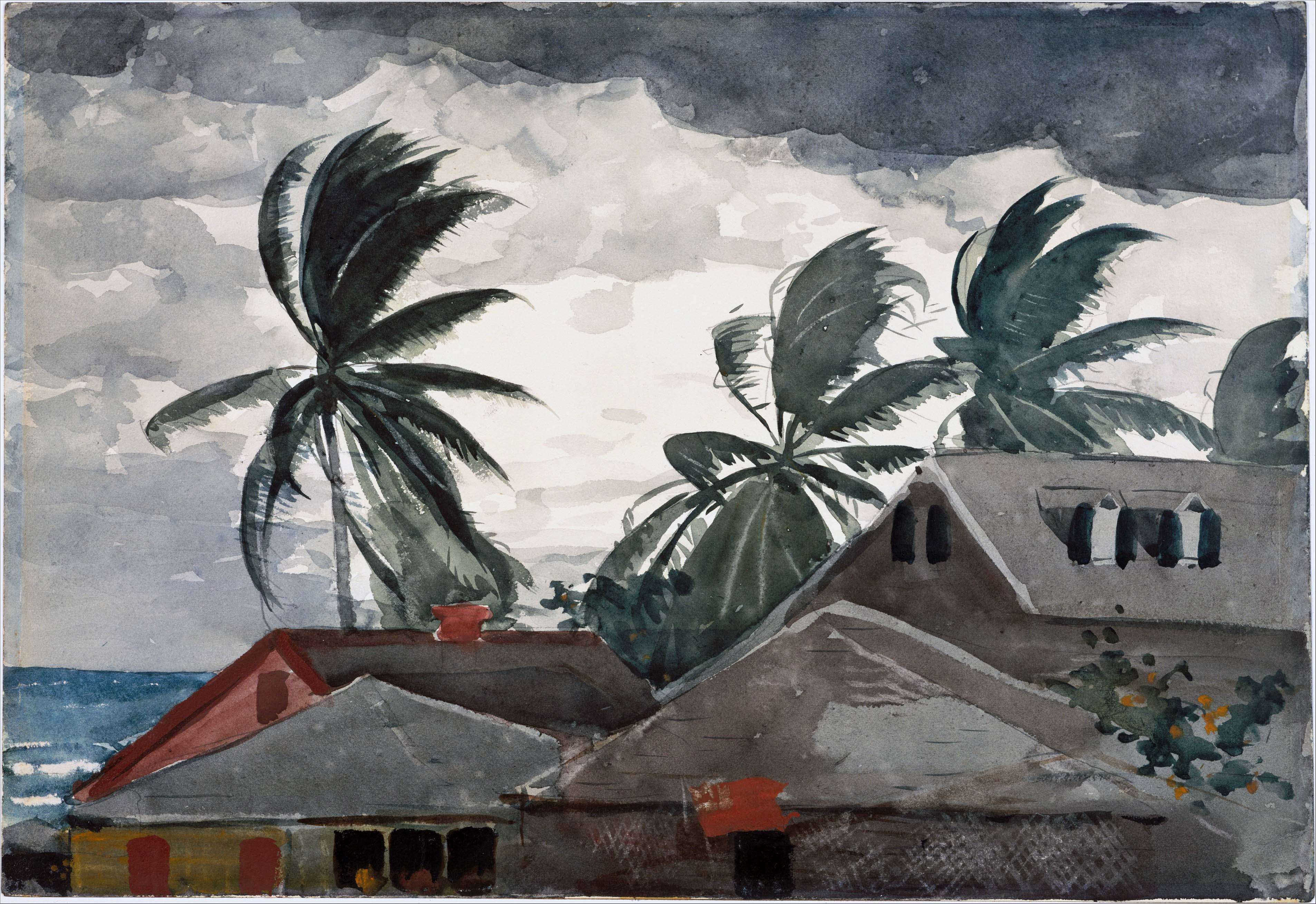
Winslow Homer:

Winslow Homer: “Hurricane”

Between foreseeing and averting change
Lies all the mastery of elements
Which clocks and weatherglasses cannot alter.
Time in the hand is not control of time,
Nor shattered fragments of an instrument
A proof against the wind; the wind will rise,
We can only close the shutters.

                              Adrienne Rich, “Storm Warnings”

As I type this, my wife Judy Birdsong and I are awaiting Hurricane Matthew’s arrival on a barrier island off the coast of South Carolina. Ominously enough, Folly Beach is the name of this island. Folly’s main historical claim to fame is that Union soldiers occupied the island during our Civil War[1] and Gershwin wrote the music for Porgy and Bess here while staying at DuBose Heyward’s beach house. Heyward’s novel Porgy, by the way, features a hurricane, but one that sneaked upon the characters in those simpler days before Jim Cantore became a household name.  Nothing against Jim and the well-meaning folks at the Weather Channel, but enduring the high keen of their histrionic prophecies is a bit of a drag for us seasoned veterans of what Adrienne Rich calls later in the poem quoted above “troubled regions.”  Also, no doubt, well-meaning, Governor Nikki Haley of South Carolina shut down the state from the capital to the coast Tuesday evening.  She actually decreed all capital city schools be closed, including the University, even though the capital, Columbia, is situated 100 miles inland, and the order came over 48 hours ago.[2]

Here’s what it looks like right now from our bedroom window (i.e. 3:05 EDT 7 Oct 2016).

Our decision to defy Governor Haley’s mandatory evacuation order worries some of our friends, and it ‘s not surprising given the Weather Channel correspondents’ brow-beating and pleading. Perhaps because I am a native here, and this will be my sixth storm, I’ve come to resent the complete and utter lack of nuance we are subjected to during tropical events.

For example, we’ve been warned that there will be “storm surges that we’ve not seen since Hurricane Hugo,” which is true, though with Matthew the surges at Charleston are estimated to be 4 – 6 feet and with Hugo the largest was measured at 21 feet.

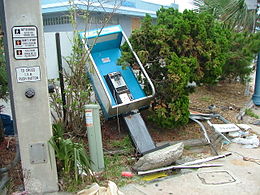
post Matthew damage on Daytona Beach

post Matthew damage on Daytona Beach

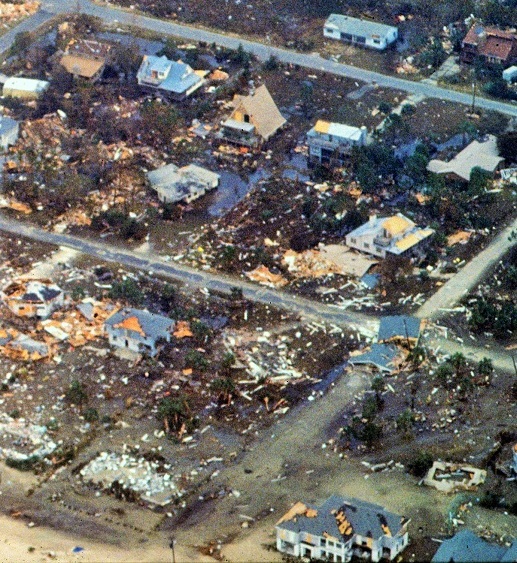
Sullivans Island post Hugo

Sullivans Island post Hugo

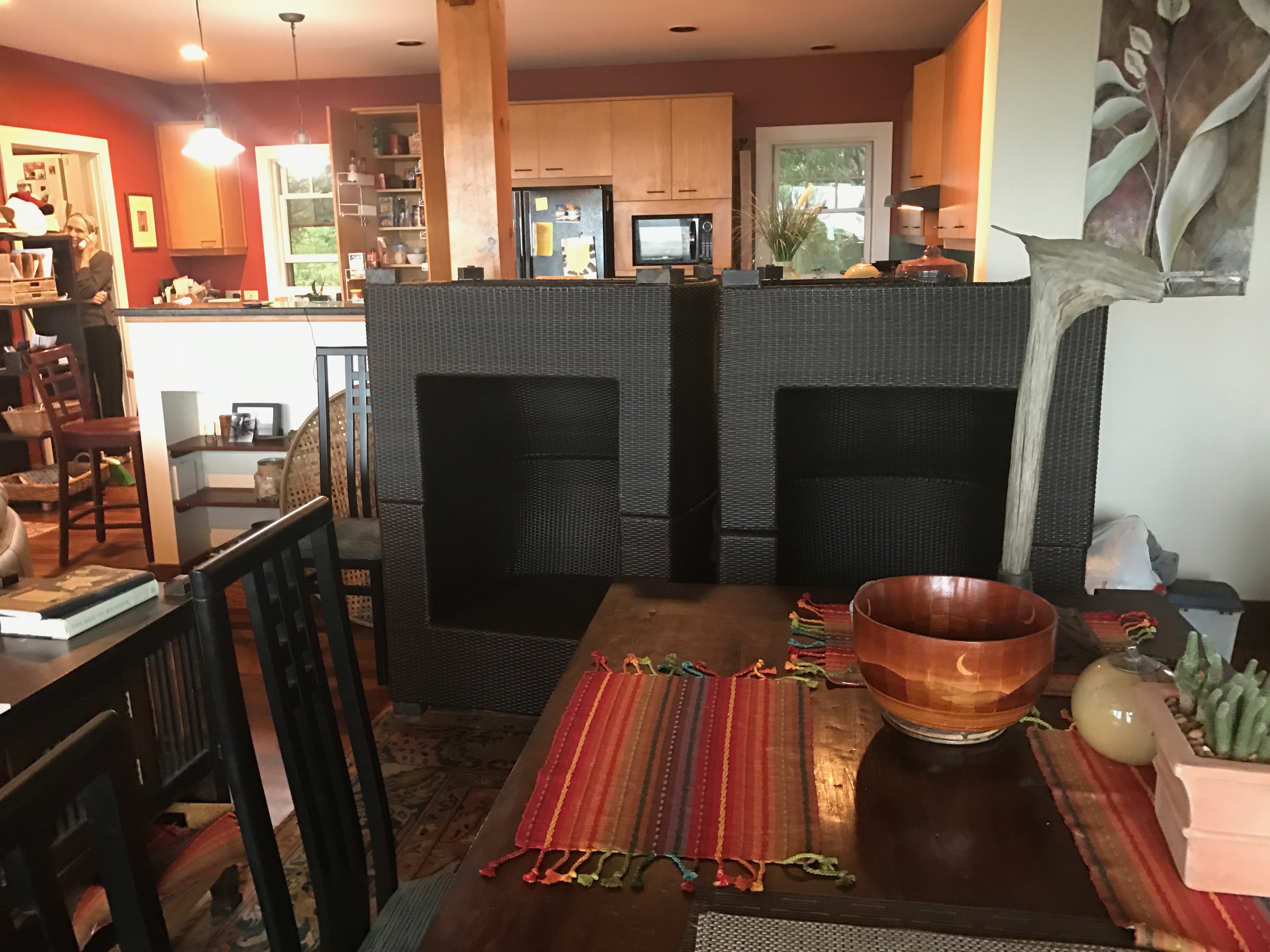
Believe me, if I lived in a mobile home or a one-story house on a slab at sea level, I would be long gone. However, we don’t, are in our 60’s, and as Judy puts it, “I  have cancer anyway.” In other words, we’re having fun, an adventure.   If only Fernando and Alameda Marcos could join us and sit in these throne-like stacked chairs hauled in from the screen porch.

img_0101

We believe in science. Matthew’s pressure has risen 9 millibars in 6 hours, our house was built to exceed hurricane codes, and its bottom floor is 30+ feet above sea level.

In fact, my biggest concern is that we’re going to run out of boiled peanuts.

img_0103

[1] AKA among the unreconstructed as “the War Between the States” or, worse, “the War of Northern Aggression.” As Hamlet put it, “though I am native here/And to the manner born,” I somehow ended up a liberal and acknowledge my region’s “manifold sins and wickedness” yet still somehow love Dixie, treasure my native soil. Go figure.

[2] Governor Haley, once the darling of Sarah Pallin, perhaps, to use hurricane lingo, has jogged to the left during her two terms, though it would appear that she’s not all that big on science. My son, who teaches in Orlando, much closer to the storm’s “wrath,” had a full day of school on Wednesday and a half day yesterday.

Hurricanes I’ve Known and Loved

wave-breaking

6th Street East Folly Beach 26 August 2011 photo by Ned Moore

If you’re a native of the Lowcountry and eligible for AARP membership, you’ve experienced your share of hurricanes (or, as we pronounce them down here, hur-rah-kens).  Gracie is the first one I remember, which hit in September of’59, my first full month of first grade. My parents, adventurous folk, rented a small cottage in Summerville and had little to lose, so the preparations for the storm took on a rather festive air.  Gracie offered excitement – a glorious pre-storm sunset, the solemn glow of hurricane lamps, howling winds, and a week off from school spent scrambling up and down uprooted oaks, their tangle of limbs creating grotto-like openings and aerial opportunities for make-believe Johnny Weissmullers.

gracie-1959

Gracie 1959

After Gracie, whenever a hurricane churned its way northward from the Caribbean, I desperately wished it would strike so that we’d miss school and enjoy the romance of 19th century lighting and outdoor grilling.  Alas, my boyhood hopes were always dashed, though a few storms coyly teased us every so often, only to run off to North Carolina and the Outer Banks.  At any rate, I had become very interested in hurricanes and became very good at determining their ultimate destination, a talent that has served me well.

moffett-house

The Andrew Moffett House

There was one pre-Hugo glancing blow, Hurricane David, but I was grown, in fact, lawfully wedded, and living in the Andrew Moffett House on East Bay Street.  JBirdsong and I-and-I hauled our furniture, paintings and books to the upper floor to avoid a storm surge that never materialized.  Yet, I confess, I still wanted David to hit.  For some perverse reason, I craved chaos. Concerned relatives cajoled us to flee inland, but I told them I suspected that the Moffett House had seen its share of hurricanes and would hold up just fine, thank you.

By the time Hugo appeared in ’89, we were homeowners on the Isle of Palms with two springer spaniels and two sons.  Harrison was in kindergarten, and, like his ol’ man, was about to experience some hurricane vacation, though his was to be longer and a lot less fun-filled. As a matter of fact, Hugo destroyed his school, and he had to finish the year inland in Mt. Pleasant at Whitesides Elementary.

hurricanhugo

Now, wasn’t that a mighty storm?

As the storm approached, I could see we were about to get clobbered.  This hurricane wasn’t following the typical pattern of sweeping up from Florida but was funneling between upper level low and high pressure systems.  Hugo was bearing down on Charleston from the wide open ocean.

Pressure drop, oh, pressure drop!

On the Tuesday before Thursday’s landfall, I went to hear Allan Garganus read from his just published The Oldest Confederate Widow Tells All at Chapter Two Bookstore.  I bought a copy, had him sign it, drove home, and boarded up the house in the dark.

With dogs, sons, photographs, books, paintings, and insurance policies in tow, we drove to Summerville around eleven, spent the night, and were off to Columbia by six the next morning, beating the horrid traffic jams to follow.  The Garganus novel ended up being a good antidote for the ensuing destruction.  Reading about the horrors of Reconstruction put our plight in perspective.

So, I’ll spare you the saga of our homelessness –  the inability to return to the island to find out if we still had a house, the pulling up ocean-soaked carpets, etc. and instead offer these photos, all taken by JBirdsong:

Back Camera

Sullivan’s Island Bridge

Back Camera

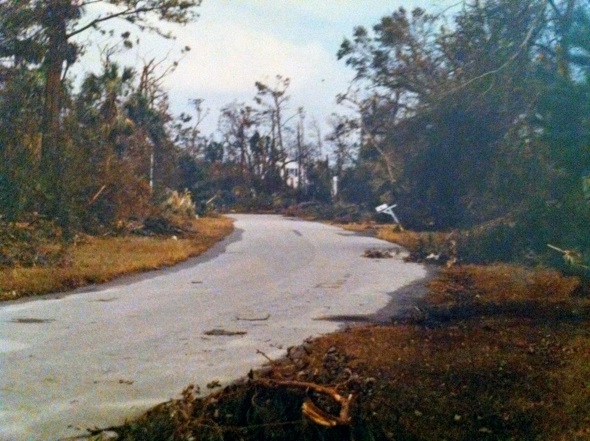
Our street, Forest Trail

Back Camera

the boys’s tree house in our back yard

Back Camera

Harry and Ned posing in our front yard in front of debris

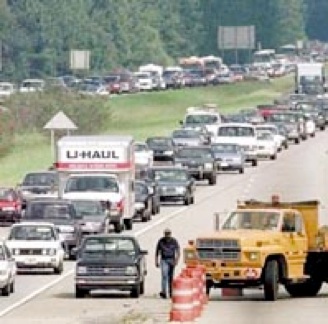
Perhaps, however, my greatest Hurricane coup was deciding to ride out Floyd here on Folly in 1999. We avoided the nightmarish gridlock of I-26 where it literally took hours to inch up a couple of car lengths.  (I’d rather huddle in a closet in fetal position all night than be stuck in non-moving Interstate traffic).

HURRICANE FLOYD EVACUATION

Hurricane Floyd traffic

Floyd was the typical Florida skirter who bumps more northerly than the prognosticators predict, and having seen this phenomenon so many times in the past and realizing that Floyd was no Hugo, we enjoyed a night of swaying on pilings in gale force winds and watching the transformers blow across James Island.  As an added benefit, the next day, no one but residents could return, and the boys and I had the 6th Street swell all to ourselves.

Hurricane Irene

Of course, I no longer wish for hurricanes, but as soon as I saw the Irene’s first trajectory, I knew that she wouldn’t be hitting Charleston.  In fact, I was sorry that school closed because I wanted to organize a happy hour expedition to Blu to watch the breakers from the front beach.  I knew the surf was going to be enormous because on Thursday evening we could see from our deck waves crashing out beyond Morris Island.

back-yard-copy

waves breaking on the horizon, zoom shot from our deck 25 August 2011

Alas, when I awakened Friday at 5:30 to walk Saisy, a phone message informed me that school was cancelled.  JBirdsong, on the other hand, drove inland to Berkeley County for a half day of work, which, given the looming daylong power outage, wasn’t that bad of a fate.

double-overhead

Washout at Folly Beach 26 August 2011, photo by Ned Moore

By 7:30 a power pole had snapped and fallen across the bridge, robbing us of electricity and all of its beloved by-products – air-conditioning, lights, refrigeration, and the Internet, so Ned and I drove down to the Washout to check out the waves.  There, a professional photographer informed us that the beach was closed to traffic.  Lance Crosby, the cat who rakes reeds and builds dunes on the east beach, regaled us with his libertarian views on public drinking and pissing.  “Where are the Port-o-lets?” he asked, extending his arms in exasperation.  “People were drinking on this beach before we were born and people will be drinking on this beach after we’re gone.”

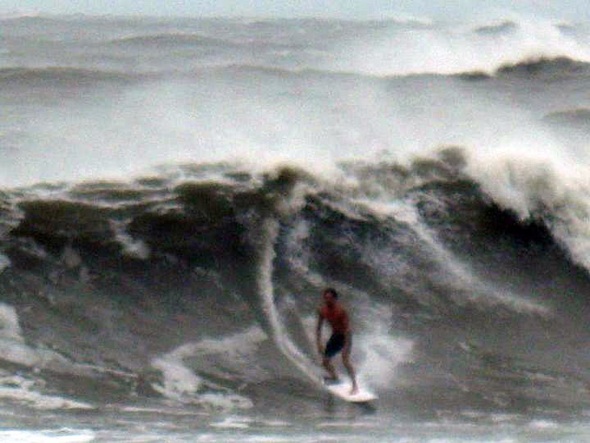
A few brave surfers made it outside and were rewarded with some steep and hairy drops but no one was, as they say, “ripping it up.”

Lance said he thought it was better at 6th, my spot of choice.  Here’s a shot by Ned of 6th Street:

wave-breaking

6th Street East Folly Beach 26 August 2011 photo by Ned Moore

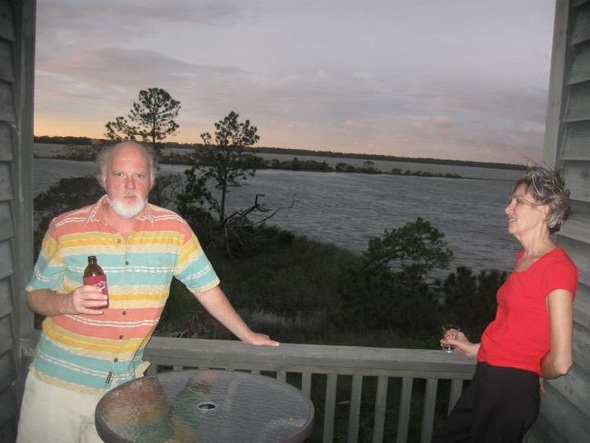
So once Judy got home we spent a lovely day sitting on the bug free deck being buffeted by the winds, and sure enough, once the storm passed, we were treated by one of those surreal hurricane sunsets, as beautiful a phenomenon you’re likely to witness on the 3rd planet from the sun.

sherbert-sunset

photo by Ned Moore

The breathtaking beauty lasted at least a half hour with every ensuing second bringing a different shade – robin egg blue, sherbet orange, aquas, and purples.

Heaven on earth and the very best aftermath imaginable – a few shorn palm fronds, some reeds on the dock, and a sky whose beauty affirms the pricelessness of being alive to witness.

patriach-and-matriarch

patriarch and matriarch after the light show

It’s enough to make you type something stupid like “bring on the next one.”

On Arrogance, Therapists, and Overweening Parents

tumblr_lxnlhwskmu1qfkax5o1_500

Over the years some have accused me of being arrogant, and when it comes to a some things, I guess it might be true, especially if you’re talking about my exquisite taste in the arts or the immense love I have of the sound of my own voice.*

And, yes, especially when it comes to choosing therapists, I’ll admit I’m as arrogant as hell.

For example, a couple of decades ago, my synapses went on the fritz. I lost about twenty pounds in three weeks, and it wasn’t the type of weight loss where people complimented you on your svelteness but wondered if you had shared a needle with the wrong Haitian. “You okay?” they’d ask.

Each afternoon, I’d come straight home from school, climb the stairs to my study where I’d lie on the floor, weep like Niobe, and listen to Peter Gabriel’s Us or the Counting Crow’s August and Everything After.

After all, if you were undergoing a dark night of the soul, what would make a better soundtrack than this:


Anyway, one evening after prying me out of fetal position with a tire iron, my wife Judy insisted I see a therapist. The thing is, because of my arrogance, I didn’t want to deal with a therapist who wasn’t extremely erudite. I didn’t care how empathetic, how many Ivy League degrees she had hanging on her office walls, if she and I couldn’t talk about the Compsons of Yoknapatawpha County or the Tyrones of Eugene O’Neil’s A Long Day’s Journey into the Night or Yeats’s interest in the occult, I wanted nothing to do with her.

After all, characters from literature offer a mother lode of archetypal experience in understanding the human psyche, and by my reckoning someone interested in how the psyche works should necessarily be interested in literature. No, I wanted someone like Jung, someone older than I, someone who spoke High German, not someone who rattled off stock phrases like “I think I hear you saying” in a flat Midwestern monotone.

I longed to administer tests to prospective therapists before I chose one, something quick for them to take and me to assess, like 50 multiple choice questions.

Which of the following Faulkner characters has the mind of a three year old?

A. Vardamen Burden
B. Joe Christmas
C. Homer Barron
D. Benjie Compson
E. No clue

The first therapist I tried didn’t hack it at all. Recommended by my physician, this fellow had a mere masters in social work, which meant he couldn’t prescribe meds, so instead of shoveling serotonin jump-starters my way, he’d have me close my eyes and imagine I was flying like Peter Pan from his office to my childhood home in Summerville. The idea was I could re-experience in a new light some of the unpleasant incidents from my childhood that he considered responsible for the harrowing nightmares that visited me about 3 a.m every fucking morning.

So up and off I’d go with my bad sense of direction, flying straight over the Cooper River Bridge, then just above the steeples of the peninsula, taking 61 instead of 26, checking out the plantations on the Ashley River, noting the traffic, wondering if the cars should be an earlier model since I was ostensibly going back in time — all this while the therapist’s meter was ticking, so to speak, at $75 a half-hour.

Then he’d say it’s time to fly back before I had a chance to go get inside my childhood house, before I’d had a chance to relive some wretched Christmas Eve or stumbled-across suicide note. The house didn’t have a chimney to slide in through a la Santa, nor was I, strictly speaking, a ghost who could walk through walls, etc.  I’d be on the roof trying to figure out how to get in when he’d tell me it was time to go.  So I’d take off and head back, and like in real life, the trip back was always quicker than the trip there.

Once again, Judy to the rescue. I told the therapist that my wife was displeased at my lack of progress, and he immediately referred me to the Medical University where I was triaged by a woman whom I wouldn’t have minded being my therapist because she was much older than I, a bone fide psychiatrist with a pleasantly patrician foreign accent; however, she had recently moved to Charleston from Johannesburg and couldn’t practice in the US.

Anyway, I passed the triage, got assigned with a fellow who put me on Zoloft and Klonopin, and even though he and I didn’t talk about Wittgenstein or, for that matter, Raymond Chandler, we did have interesting conversations, mostly about his life, how it felt like to tell someone he had a month to live, etc., and I started sleeping through nights and feeling like my old self again, i.e, like a somewhat angry and pessimistic middle-aged man who held most of the bourgeoise in contempt.

flight

Well, that was 21 years ago, so imagine my arrogance level now, especially when these whippersnapper parents-of-students young enough for me to have taught commence to instruct me about how I should be conducting my classes.

For example, at lunch, the other day, one of my colleagues started bitching about a parent who actually texted her after a 9th grade weekend retreat to complain that little Bartholomew or Bianca had declared the retreat was the worst trip the sweet darling had ever been on ever. My colleague texted her back photos of beaming kids looking as if they’d were being filmed in a soda pop ad.

I told her I thought that was great but added that I would have handled it somewhat differently, would have engaged in some dialogue before sending the photos.

Mom: . . . the worst trip my sweet darling has ever been on ever!

Me: You are, Mrs. X, familiar with the philosophical school of existentialism, aren’t you?

Mom: Huh?

Me: You know, the movement started by Kierkegaard, embraced by Nietzsche, espoused by Sartre and Camus.

Mom: What does this have to do with anything?

Me: Well, it has a lot to do with everything. Existentialists posit that each individual perceives the world through her own unique perspective and therefore ‘reality’ is relative. Because your Portuguese water dog lacks the optical cones and rods to perceive your sweater is red, to him the sweater is gray, but your reality is no more legitimate than his, and let’s not forget you can’t hear the high frequencies that he perceives, but that doesn’t mean his reality is more legitimate than yours.

In other words, although this may have been the worst trip ever from B’s perspective, it might have been the greatest trip C has ever been on — or as Hamlet puts it, “There’s nothing good nor bad but thinking makes it so.”

Therefore, I suggest you and B bond together by reading Camus’s “The Myth of Sisyphus. “ And in the mean time please enjoy these photos from the retreat.

Have a nice day!

Like, I say, I can be arrogant when it comes to some things, but I’d arrogantly like to think my arrogance is better than that mother’s arrogance.


* But, hey. I’m not arrogant about the things I suck at, like my inability to find my car in a parking garage or remembering the person’s name I was introduced to 30 seconds ago.