Bill Thompson, prolific reviewer, travel writer, and retired editor of the Post Courier Arts and Leisure section has written a profile of me that features my art and upcoming novel Today, Oh Boy.
You can read Bill’s article by clicking HERE.
Bill Thompson, prolific reviewer, travel writer, and retired editor of the Post Courier Arts and Leisure section has written a profile of me that features my art and upcoming novel Today, Oh Boy.
You can read Bill’s article by clicking HERE.

In 1989, the South Carolina Fiction Project selected my story “An Invasion of Tourists” as one of twelve short stories to be published in Columbia, South Carolina’s daily newspaper, The State. The story, written in second person, dramatizes a male twenty-something’s encounter with two very strange bar patrons who seem not only foreign, but downright alien, and by alien, I mean alien in the extra-terrestrial sense:
There’s another woman, but something’s not quite right about her. In a tropical print sundress, she’s practically catatonic. Her eyes are fluorescent green, very far apart and don’t blink. Slowly, she picks up her banana daiquiri, cocks her head, and laps it up with a flickering tongue.
You stare in disbelief. She looks at you and smiles stupidly. “Hello,” she says, “how goes it, amigo?” Her voice is fresh, friendly, but somehow mechanical, like the voice on your Portuguese Made Easy records.
[snip]
“Where y’all from?’
“Q.”
“Queue? Where’s that?”
“Just around the corner from Tri-Alpha 6.”
They’re smiling like his and hers ventriloquist dummies. You manage to muster a fake laugh as the jukebox engages. Pop-a-top, pop-a-top, pop-a-top. Reggae. Bob Marley.
“Excuse us,” they say in unison and head for the small, tiled rectangle that serves as a dance floor. Like exotic birds, they go through elaborate steps, a mirror image mating dance. Then shoulder-to- shoulder, back-to-back, butt-to-butt, they shimmy, like two people with terrible itches.
“What’s the scoop on those two?” you ask the bartender.
“Beats me,” he says, “but they sure can do the Dorsal.”
As the story progresses, the unnamed protagonist sees more and more evidence of an intergalactic incursion. For example, the lead story on the eleven o’clock news is unexplained lights hovering over cars on I-26. After a sleepless night, he drives to the television station to share his story with the anchor. There he encounters a teenager convinced he’s also seen an extraterrestrial. The kid looks crazed, so the protagonist decides to bail.
You’ve called in sick. Deservedly so. You’re shook. You came within a heartbeat of making an utter fool of yourself. You can’t believe that you’d ever fall a victim of mass hysteria. With so little sleep, your memory is even more suspect than usual. Probably her tongue wasn’t as long as it seemed yesterday. Maybe she was wearing contacts that made her eyes that color.
Maybe you’re going insane.
You head out to the beach for rest and relaxation. You’ll swim, exhaust yourself, and go home for 18 hours or so of sleep.
Food. You haven’t eaten. Food will make you feel better. So you pull into Frankie’s Place, a rundown joint on the front beach. Seated on the deck with a salt breeze blowing, you feel better already. Frank, a fat, freckled, tattooed ex-Marine brings you out a cold one.
How’s business,” you ask.
“Great,” he says. “Tourists are flocking in from everywhere.”
“Do you get many from Tri-Alpha 6,” you ask, as if he’s your pal, as if it’s an inside joke.
“Huh?”
“Tri-Alpha 6.”
“What’s that? A fraternity?”
You don’t answer him.
As he waddles off, he shakes his head as if to say, “Give me a break.”
You turn to look out over the ocean, half hoping to see one flashing over the horizon, but there’s nothing, not even a cloud in the sky.
***
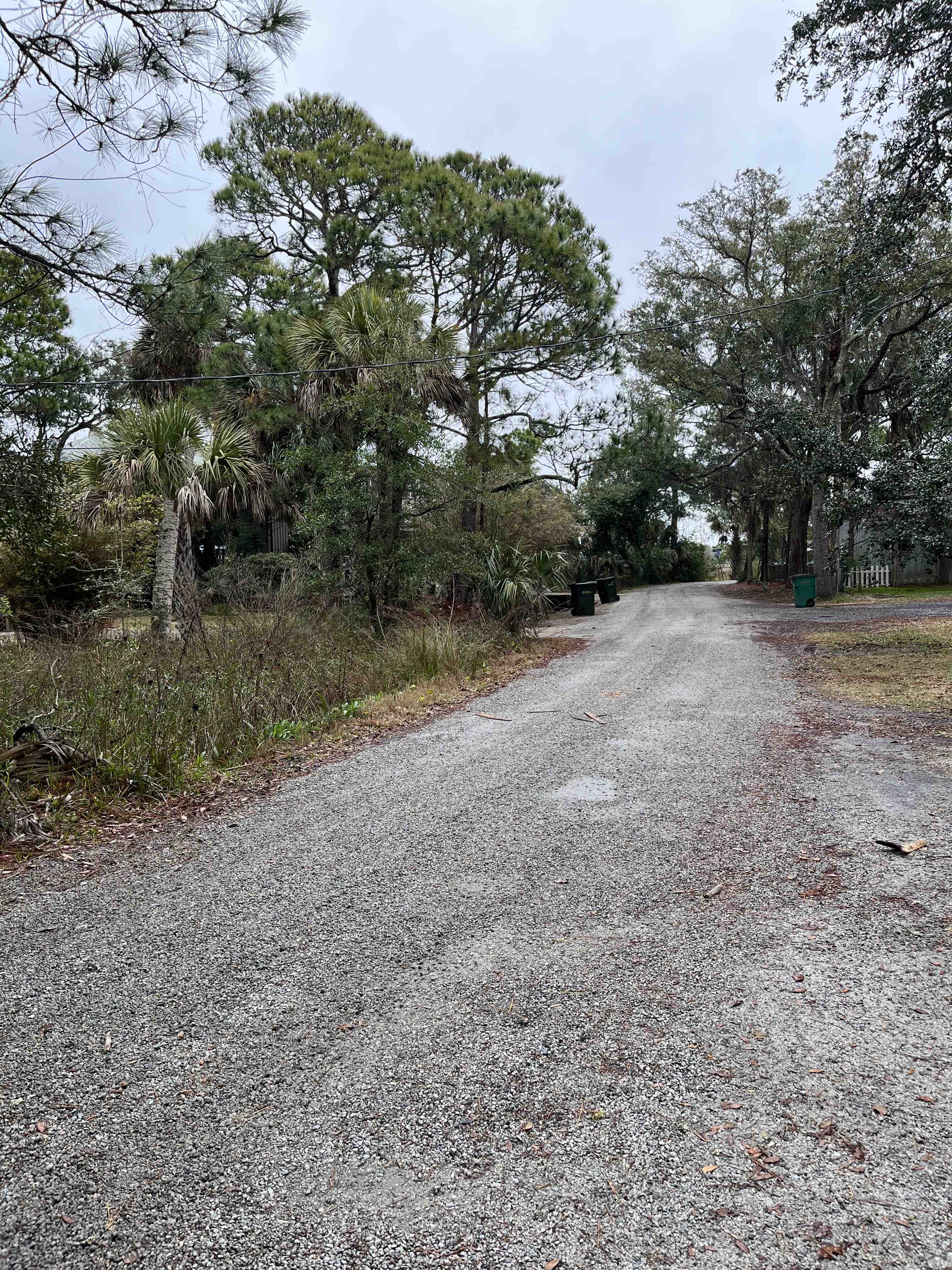
Well, brothers and sisters, yesterday I had a real-life strange encounter, though not quite as disorienting as the one in the short story.
I was walking my dog to the end of the unpaved road where I live (see above). A grey medium-sized SUV slowly made its way towards us and stopped. An elderly woman on the passenger side rolled down her window, and the driver, another grey-haired woman, leaned towards the steering wheel so I could make eye contact with both. They didn’t look like aliens from another planet but like characters in a David Lynch movie, corny and blandly friendly in a creepy, Trumanshowesque[1] sort of way.

“We just have a question,” the passenger said in a vowel-deprived Midwestern accent.
“Ask away.”
“What’s behind these houses? Marshes?”
“Yes,” I replied. “Marshes and the Folly River.”
“A river?” the driver asked. “There’s a river back there?” Her tone was incredulous.
“Yes, ma’am, a river.”
“But what are those long things jutting out? Flat wooden things projecting outwards. It looks like you could walk on them.”
“They’re docks,” I said, somewhat taken aback, wondering what planet they were from.
“Docks!” They seemed flabbergasted.
The passenger said, “You mean you can have boats back there?”
“Yes, ma’am. It’s deep water. You could take a boat out of there and sail all the way to Lisbon, Portugal.”
The passenger said, “We’re not from around here.”
I laughed. “I’d never guess with those accents of yours.”
They were beaming.
“Where are you from?”
“St. Louis.”
I mentioned going to see the Braves play at Busch stadium when my boys were young.
“We’re Cardinal fans,” they said, almost apologetically.
“No shit Sherlock,” I thought, but instead said, “I got to see Ozzie Smith do his backflip.”

They both smiled genuine smiles. They knew who Ozzie Smith was, which came as a relief.
(You may have heard that during the Battle of the Bulge, army units would quiz each other at checkpoints with baseball trivia after they learned that German spies, wearing US uniforms and speaking perfect American English, were attempting to infiltrate the lines.)
I showed them where to turn around (it’s a dead end road) and bid them goodbye. Twenty minutes later, as I was walking to Lowlife for my afternoon constitutional, they passed me without waving, puttering along about fifteen miles an hour.
When I told the tale to my pal Jeremy at Lowlife,” he said. “Haven’t they seen movies? There are docks in movies. St Louis is on the Mississippi, for chrissakes. They must have seen a dock before.”
He added, waving and nodding, “I would have said, ‘good day’ and walked away.
[1] Yes, goddammit, add it to the dictionary.


The Freedom to Offend
“Censorship is to art as lynching is to justice.” ― Henry Louis Gates Jr.
“[. . .] and above it the mouthing of orators,
the arse-belching of preachers.” – Ezra Pound, “Canto XIV”
Okay, so we don’t want to ban AK-47s because that would be unbarring the door of tyranny. On the other hand, we don’t want our precious, delicate children exposed to depressing historical events like the Native American genocide, slavery, the Holocaust – perhaps even Sandy Hook – because the truth might make them feel uncomfortable.
I’ll tell you what made me feel uncomfortable when I was teaching: crouching under a Harkness table stifling a fart with my AP Lit students during a live shooter drill.
And, O, my Brothers and Sisters, we read many a bannable book in those AP classes.
Oedipus Rex – parricide, incest, sacrilege
The Canterbury Tales – vulgarity, profanity, nudity, plagues
Hamlet – fratricide, adultery, vulgarity, a corpse-strewn stage
Crime and Punishment – murder, prostitution, crushing poverty, alcoholism
Madame Bovary – serial adultery, suicide, insanity
Portrait of the Artist as a Young Man – atheism, masturbation, prostitution, adolescent rebellion
The Sound and the Fury – promiscuity, suicide, racial epithets, abject cruelty
The Song of Solomon – premarital sex, vulgar language, murder
The Hand Maid’s Tale – dystopia, sexism, theocratic cruelty
And that’s not even considering the poetry we read.
Crazy Jane Talks to the Bishop
I met the Bishop on the road
And much said he and I.
`Those breasts are flat and fallen now
Those veins must soon be dry;
Live in a heavenly mansion,
Not in some foul sty.’
`Fair and foul are near of kin,
And fair needs foul,’ I cried.
‘My friends are gone, but that’s a truth
Nor grave nor bed denied,
Learned in bodily lowliness
And in the heart’s pride.
`A woman can be proud and stiff
When on love intent;
But Love has pitched his mansion in
The place of excrement;
For nothing can be sole or whole
That has not been rent.’
~WB Yeats
That’s it.
Thanks for listening to my Ted Rant.
. . . either for tragedy, comedy,
history, pastoral, pastoral-comical, historical-pastoral,
tragical-historical, tragical-comical-historical-pastoral . . .
Polonius, Hamlet, 2.2
First, as cliché demands, the good news: my novel Today, Oh Boy has been accepted for publication, which, of course, delights me. Already my mind is running riot with unreasonable aspirations. No, I’m not dreaming of PEN awards or Pulitzers. We’re talking commercial fiction here, a narrative devoid of deeper meanings, a plot concocted to distract, not to enlighten. No, I’m not rehearsing acceptance speeches but wondering who is going to play the protagonist Rusty in the Hula Netflix TNT USA Network Apple TV adaptation.
You know of any skinny redheaded sixteen-year-old actors with acne?
And now the potentially bad news. The publisher (who shall remain anonymous for now) has classified the novel as Young Adult. Here’s a quote from the acceptance letter:
“The characters fit nicely into their setting, embodying the south of the past and making the story stand out against a typical high school drama. The Board was keen to comment on the dynamic writing style and believes the story has the potential to excel within its genre.”
But the thing is, I wrote Today, Oh Boy for literate adults, not for tweens. Here’s a sentence from the novel describing one of the characters, AJ, who has cut school in the middle of the day and just finished smoking a joint with his dropout friend Will Waring:
“While Will has been daydreaming and tuning out his mother, Weeza has been quizzing AJ about his dismissal from school, essentially perp-walking his thoughts right out of lotus land into the dingy confines of a Raskolnikovian closet.”
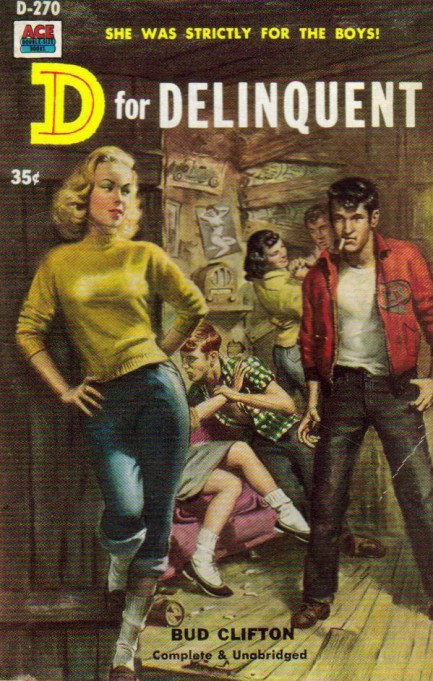
Of course, I know whoever the editor might be will definitely ax “Raskolnikovian closet” because no tween or teen (or typical adult for that matter) has read Crime and Punishment and therefore won’t recognize the allusion to its agoraphobic protagonist pent up in his impoverished toilet stall of a rented room. But, hey, I like the way it sounds.[1] Read it aloud: Rask-KOL-ni-KOV-ian closet.
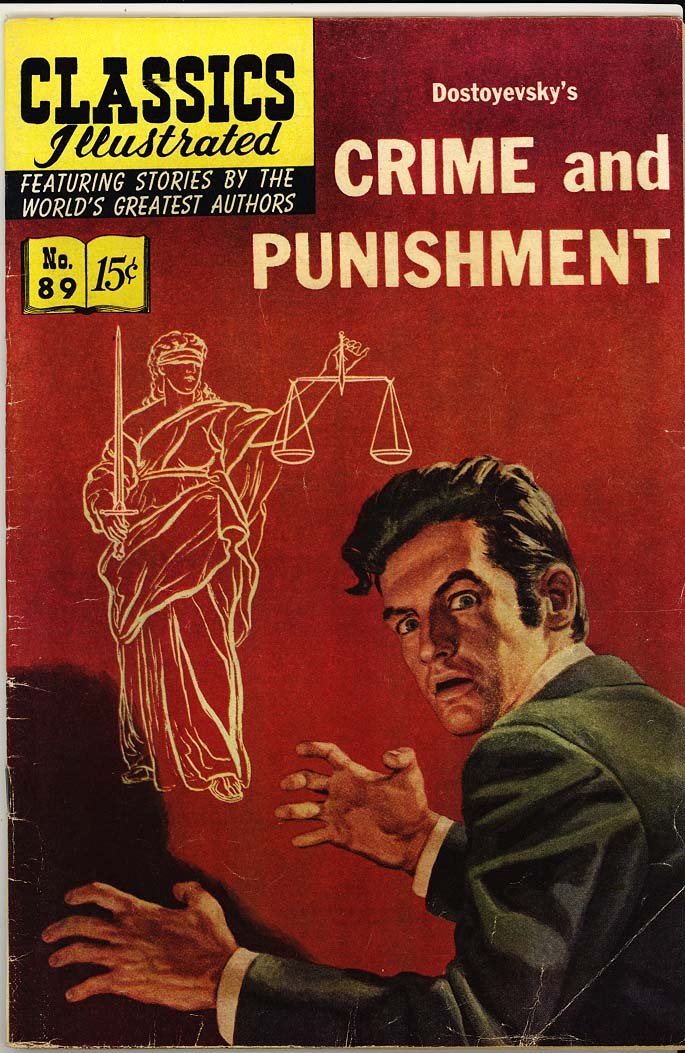
And to add insult to injury, I don’t dig YA novels, have only read a handful because I taught 7th and 8th grades in my earlier teaching career. Although well-crafted, The House on Mango Street and The Giver aren’t up my alley. I’m not an admirer of To Kill a Mockingbird for that matter.
I’ll admit, though, that Today is difficult to classify. In one sense, it’s historical fiction because it takes place in a real place, Summerville, SC, in the year 1970, which in the Hula Netflix TNT USA Network Apple TV adaptation will require period clothing and vintage automobiles.
In another sense, it’s a souped-up Greek comedy sans chorus: it takes place in one day and essentially in one setting with continuous action.
It’s got a gruesome death, stolen goods, drug use, kung-fu fighting, and a highspeed chase.
So, what are we dealing with here? A historical-romance-Greek Comedy-Mystery-Action Adventure?
If it were up to me, and I was forced to ram into a sub-genre, I’d call it Pulp YA.
If I had self-published, I could have had full autonomy, but now my brainchild is under the authority of others. They say they’ll work with me, but the contract also makes it clear that they have the final say-so. Chances are Today, Oh Boywon’t be sporting the cover below when you buy it from Amazon, Barnes and Noble, or better yet, from your local independent bookstore.

[1] I did read the Classic Illustrated version of C&P when I was ten or so and didn’t enjoy it.

Puttering around in the repository of my computer this morning, I opened a folder labeled “Academics” where I have stored materials I used in my English classes, some of which date back to the previous century. I opened a few quizzes, lecture presentations, essay assignments, etc. and thought to myself, what a waste to have these documents lying dormant, as it were.
When I taught, I often found professional educational materials lacking, so I created my own. One such production was a 15,000-word primer entitled How to Write a Research Paper: A Hermeneutic Tale.
Rather than dryly explaining the process of researching, writing, and documenting sources, I created a narrative featuring two students, Bennington Rhodes and Flip Burger, who take very different approaches in tackling their research projects, which at Porter-Gaud included choosing the primary source.
The primer’s utility lay in its adaptability: I could update the ever-changing MLA protocols and save the school a ton of money in MLA handbooks, which become obsolescent in no time flat.
The primer includes explanations on choosing the primary source, amassing a preliminary bibliography, creating both a topic and sentence outline, and citing sources. I actually ghost-wrote Bennington’s paper on Chronicle of a Death Foretold, attempting to parrot the thinking and prose of a sixteen-year-old.
Obviously, the primer, which I assembled in 2012, is itself obsolescent given the MLA’s ever-evolving (devolving?) citation procedures; however, the basic information stands the test of time in my unhumble opinion.
Reproducing the entire document would be cumbersome in a blog format, but I thought I’d include here the last four pages to offer an idea what the primer was like.
If any of you lit teachers out there would like a complete copy, contact me, and I’ll send a pdf version. By the way, it’s not copyrighted.
So here are the last four pages of the text (the document actually ends with an appendix explaining how to document various sources). I’m critiquing Bennington’s essay, which comes a few pages before.
_____________________________________________________________________________
Structure of the Paper
By following his outline, Bennington insured that his paper would be well unified. He has, as curmudgeonly Dr. Crabapple puts it, “a multi-tiered thesis,” which simply means the thesis is broken into multiple parts that form the sections of his actual paper.
Each section of the thesis – the detective genre aspect, the tragic conventions, etc. reemerge in the topic sentences of the paragraphs devoted to them.
Again, here’s Bennington’s thesis:
In Chronicle of a Death Foretold, Garcia Marquez parodies several different narrative traditions – particularly detective fiction, Greek tragedy, and commercial romance – all the while subverting those genres to underscore the immorality of Macondo’s culture of machismo.
When shifting from paragraph to paragraph, it’s important to create smooth transitions, to refer ever so briefly to an idea expressed in the previous paragraph in the topic sentence of the next paragraph.
For example, Bennington’s second paragraph, the one devoted to the detective genre, ends with this sentence:
“Perhaps Gabriel Marquez is suggesting that the answer to the question of ‘who done it’ is everyone.”
His next paragraph, you’ll remember, is devoted to how Garcia Marquez incorporates elements of Greek Tragedy into Chronicle. Rather than immediately changing the subject from the detective genre to Greek tragedy, Bennington briefly refers to the detective genre as he begins the paragraph on Greek drama”:
“Garcia Marquez adds depth to the detective genre by superimposing upon it characteristics of Greek tragedy, and in doing so, he further underscores the dysfunctionality of machismo.”
Note how each of the emphasized words in the above quote plugs into the thesis. Pretty nifty, Bennington!
Style
A research paper, unlike an informal essay, should be formal in style, which means you should avoid using the second person pronoun “you” to refer to “everyone,” as your omniscient narrator just did, and you should also avoid contractions so that your style is somewhat elevated. It’s a dinner at a snooty restaurant with your Great Aunt Gertrude, not a chilidog gobbled down with Flip at the pay counter at Bert’s on Folly.
Note that this primer is informal. Your beloved omniscient narrator is writing as if he is talking to you. If this were a formal essay, the above might be rendered like this:
A research paper, unlike an informal essay, should be formal in style, which means one should avoid using the second person pronoun “you” to refer to “everyone,” and one should avoid contractions so that one’s style is somewhat elevated.
Nevertheless, you should try to create a style that comes across has “heightened conversation” rather than dry analytical soullessness. For example, the off-putting formality of the above could be softened to this:
A research paper, unlike an informal essay, should be formal in style, which means writers should avoid using the second person pronoun “you” to refer to “everyone,” and should avoid contractions so that the style of the essay is somewhat elevated.
One last note, during your research, you’ll discover some writers refer to themselves in the first person. In other words, they throw around the pronoun “I” a lot. You should avoid doing this yourself because you aren’t a tenured professor sporting a wool blazer with patches on the elbows. In other words, you’re a sixteen-year-old who doesn’t bother to look up the words you don’t know in the dictionary.
A Critique of Bennington’s Paper
As Ms. Newspeak grades Bennington’s essay, she has four tasks to perform. First, she needs to determine how well Bennington’s essay conforms to the dictates of the MLA/ Porter-Gaud process. Then she needs to judge the essay’s content and style. Finally, she needs to subtract any grammatical or mechanical errors Bennington has committed (up to twenty points).
Ms. Newspeak takes Bennington’s process grade 98 and his content grade 90 and divides it by 2, so he ends up with 94. Then she subtracts his grammatical/ mechanical errors. Because Bennington’s a senior and has more or less mastered the mechanics of writing (and also because his fussy conservative Charlestonian bow-tie wearing father proofread the paper), Bennington received no deductions for grammar or mechanics. By the way, Bennington’s father caught a comma splice and a couple of other comma errors saving his son an overall 9-point deduction [5+ (2 x 2)] for you math people.
Nevertheless, Bennington’s essay is far from perfect. Let’s spend just a couple of minutes critiquing it before we bring this primer to a happy close.
Bennington’s title is a bit much; however, it’s better than a bland title. It does grab the reader’s attention.
By far, the weakest paragraph in Bennington’s essay is his introduction. The sentences don’t come together fluidly. He starts with Faulkner, then shifts to magic realism and then to different narrative techniques. There’s little continuity here. It would have been better to begin with a generalization about narrative techniques and to then narrow those generalizations using that one thread.
Also, Bennington’s essay would have been better if he had chosen only one narrative approach instead of three and had gone into more detail about how Garcia Marquez parodied that technique. If Bennington had spent more time on his research, he could have written a richer analysis on any one of the three techniques he discusses rather than touching upon each in a rather cursory fashion.
Bennington’s organization makes essay is somewhat quilt-like. There’s the detective square that’s sewn to the Greek tragedy square that’s sewn to the romance novel square. In addition, his paragraph division is somewhat dubious. For example, rather than including “omens and foreboding” in the paragraph on the classic unities of time and place, Bennington would have been better off creating a separate paragraph on omens and expanding that paragraph to flesh it out more. However, he does “weave” the idea of machismo fairly well throughout the essay, so there’s at least a pattern or motif running through his quilt. The very best essays, however, like valedictorian-in-waiting Connie Cerebrowski’s, interweave their arguments to create a seamless tapestry of quotation and analysis. Her essay on a Freudian reading of D.H. Lawrence’s Sons and Lovers had AP professor Mr. Aridwitt, PhD flipping through “the book and [Thesaurus] of [his] brain” for superlative synonyms.
Bennington is, however, a capable stylist, having dutifully done his Wordly Wise lessons with dictionary in hand and having read his assigned novels word for word. Unfortunately, or fortunately, whichever be the case, a well-honed style can sometimes soften (at least) somewhat the heart of a English essay assessor, even one as gnarled and cynical as Dr. Crabapple.
Springtime
As the research paper rapidly fades into a fond memory in Bennington’s consciousness, he looks forward to his last trimester of high school with a sense of anticipation and freedom. In fact, he’s looking forward to his free period so he and Andrea can perch like a pair of parrots on a bench outside on this mild, sunny day and mimic routines from Monty Python and the Holy Grail, a movie that they’ve seen forty-seven times between them. As he’s headed through the S&T Lobby, Bennington runs into a rather downcast Flip Burger bent like a hobo beneath the burden of his LL Bean bookbag.
“Hey, Flip,” Bennington says, “Andrea and I are headed outside to catch some rays. Wanna join us?”
“Can’t, dude.”
“Why not?”
“Dude, I got study hall.”
“A study hall? Why?”
“Dude, I failed English last term. It’s, like, so unfair.”
“I’ll say.”
“Gotta split, dude. I got old man Crabapple for study hall. If I’m late, he’s liable to make me copy out sentences by Immanuel Kant or something.”
“Okay, later.”
“Later, dude.”
Perhaps, uncompassionately, Bennington has already forgotten poor Flip’s troubles as our hero pushes open the double doors and trots down the stairs to the balmy breezes and melodic birdsong of a glorious spring morning.
Halleluiah!


Cruel. Her nature. Curious mice never squeal. Seem to like it.
–Mrkrgnao! the cat said loudly.
Joyce, Ulysses
I’ve never been a cat person or a dog person, or to be honest, much of a people person. You can add to that nonfan list hamsters, caged birds, aquarium fish, bunny rabbits, ferrets, mimes . . .
That’s not to say I haven’t liked/loved certain people or dogs; it’s just that I don’t like/love either collectively as a species. In other words, I judge animals and people on an individual basis.
For example, I disliked my grandmother’s and aunt’s Chihuahua Perfidia.[1] They named this rat- resembling canine after the popular mid-century song, probably ignorant of its Spanish denotations – faithlessness, betrayal, treachery.
“Here Faithlessness, come Betrayal, down Treachery. Bad girl, bad girl!”
“Perfidia” is a lovely song, though. You can listen by hitting the audio arrow below.
My grandmother and aunt shared the same bed until my aunt’s teens, and Perfidia – or Fiddie for – made it three. My grandmother chose a Chihuahua because she’d heard the breed somehow helped to ward off asthma, a malady from which she suffered bigtime. Even though I was a mere four or five, I sensed something amiss about the sleeping arrangements. Then again, I’d seen my grandmother wheezily huffing on her aspirator and gasping for air in an oxygen tent, so I can understand her grasping at straws.
On the other hand, I loved my previous dog Saisy, whom I still think about a good bit. I’ll not bore readers who follow Hoodoo by rehashing her backstory, but in short, she was a German long haired pointer, a rescue who had suffered mightily yet possessed remarkable joie de vivre.
Allow me these quotes from a blog post of yore when Saisy was among the quick:
Saisy manifests certain cycles of her own during our ritualistic rectangular jaunts between 5th and 9th Streets along the beach. Whether morning or afternoon, we shuffle/walk/trot towards the sun. Headed east or west, morning or evening, Saisy is sure to engage in the following activities at the same intervals and at approximately the same places.
These activities include:
*Cavorting like a dervish on PCP, becoming even more frenzied in each progressive step of the telltale signs of an impending walk: my crawling out of bed, putting on hat, grabbing a plastic bag. However, as soon as I reach for the leash that hangs on the screen porch, she relaxes into serenity, sits patiently in the posture of the picture below.

* Surveying the river and marsh at the threshold of the first step down from the deck, looking out slowing turning her head, working her nose.
*Urinating to relieve her bladder (rather than to mark her territory) on the edge of the lane about twenty yards past our house. For this elimination she assumes the traditional female canine posture of squatting.
*Stopping at every palm frond along the way to mark it as hers, raising her leg rather than squatting to perform this urinary act.
*Pulling me violently in the direction of some olfactory temptation, whether it be chicken bone, flattened squirrel, or the trace of some recently present animal. If the latter, she points.
*Pulling me towards any other canine she encounters, and if we stop, sniffing – and allowing the other canine to sniff – fore and aft.
*Stopping at each groin[2] on the beach to enjoy what must be a rich array of aromatic pleasures.
*Herding (or attempting to) bicycles and golf carts.
*Corkscrewing into defecation mode.
*Rushing as soon as we reach home to her food dish while she licks her chops.
But guess what?
Counterintuitively, I’ve also fallen in love with our new dog KitKat, a Chihuahua rat terrier mix, even though she possesses the same coloring as Perfidia! I would never have chosen that breed, am not fond of her Perfidian high strung hyper-territorial ear-assaulting desperate-sounding yelping; otherwise, KitKat is smart, full of personality, full of love. She’s much saner than Saisy, less likely to snatch a cookie from a toddler’s hand.
And for cats, I doubt I’ll ever grow attached to one, even to our newly acquired kitten Onyx. As I type, she’s studying squirrels leaping from branch to branch outside the window of my study. Ever since I read that if house cats were big enough, they’d kill their owners, I’ve acquired immunity to their supposed charms.
Still, if I’ve fallen in love with a goddamned Chihuahua mix, who knows?

[1] Of course, I would have liked Fiddie better if she hadn’t been snarlingly territorial, prone to biting, and reeking from a Boschian case of the mange. Petting her would be analogous to patting a shirtless leper on the back.
[2] A long, narrow structure built out into the water from a beach to prevent beach erosion (Britannica.com)
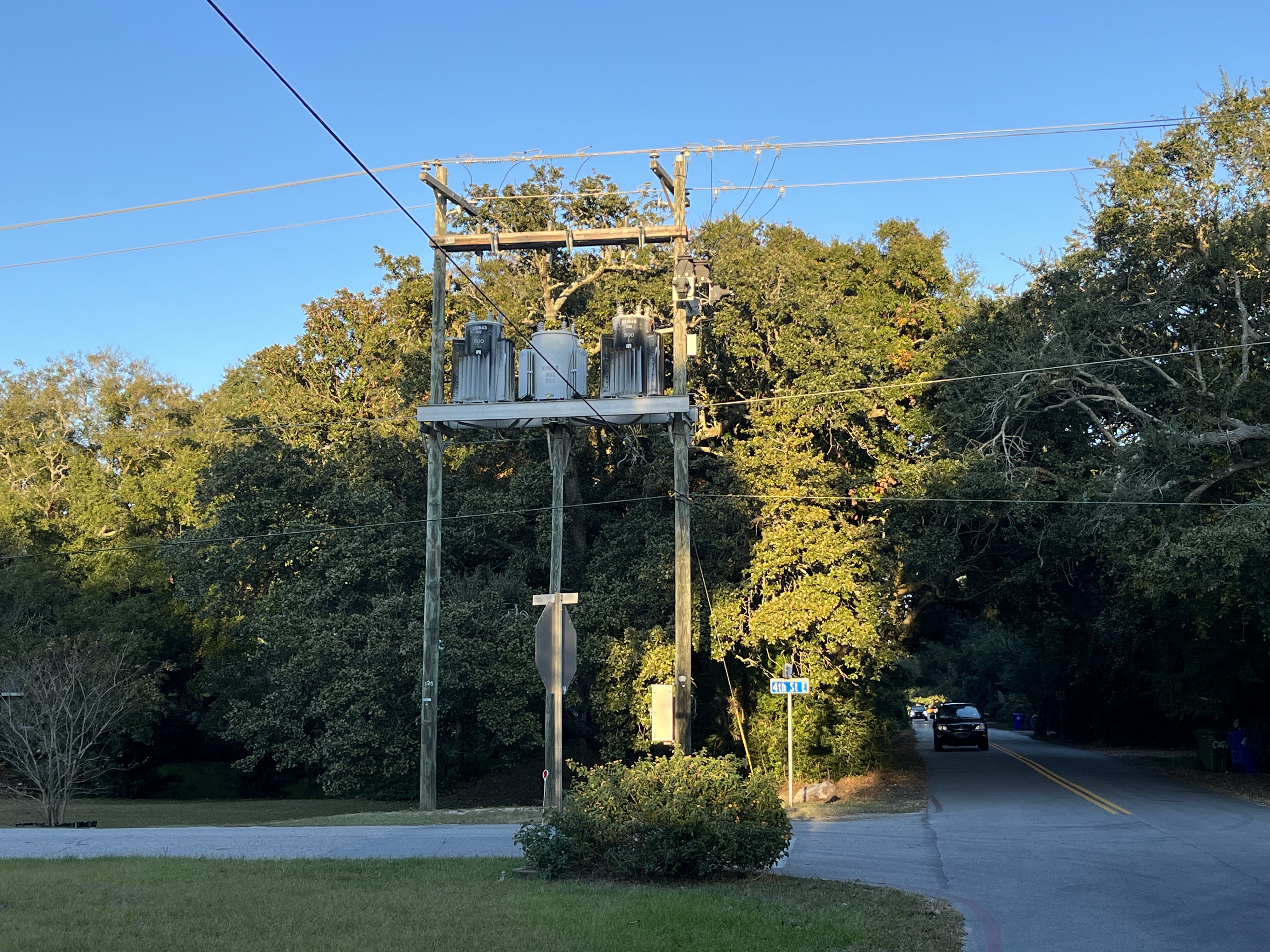
It’s a melancholy sight as I wend my way to the post office in the mornings, or to Chico Feo in the afternoons, to see Folly Beach’s quaint avenues blocked by tree removal trucks a-blare as they decimate aged oaks and remove palm trees to accommodate drooping electric lines that look as if they might have been strung sometime during the First World War.
C’mon, y’all, this is the 21st Century! We’ve put men on the moon, perfected heart transplantation, and created contraptions that allow us to conjure whatever song or movie we’d like to hear or see right now – presto![1] Seems as if we could come up with some less primitive method of heating and illuminating our domiciles.
As I was watching the Micky Mouse Club in the 50s on my grandparents’ black and white Motorola, I expected that in the year 2021 we’d be zooming around in flying cars, not rumbling along in the diesel stench of city buses that look pretty much as they did during the Eisenhower Administration. I certainly don’t recall the cities of Tomorrow Land crisscrossed with utility poles and rusted out transformers. Thank God HG Wells isn’t alive to witness it.
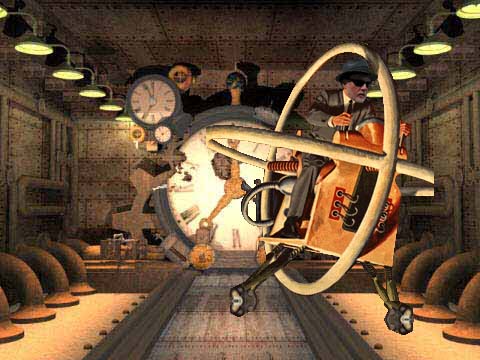
When I see one of the tree-cutting vehicles rumble past, I feel like screaming “butcherers,” but, the tree men are not ultimately responsible for the electrical grid, and I suspect in these latter days, most US citizens, if given the choice, would opt for refrigeration over an oxygen producing oak, no matter how majestic.
Utility Poles
I think I’ll never behold
A tree as useful as a utility pole.
A pole whose wires are connected
To power stations carefully selected,
Like hydroelectric plants in the upper state
That provide a reasonable utility rate,
A pole whose wires provide a perch
For winter birds without a birch,
A pole pointing to a godless sky
Where cumulus clouds go scudding by.
O, poems are made by fools like me,
But only power plants can generate electricity.
Like I said, I think I’ll never behold
A tree as useful as a utility pole.

[1] But we haven’t, damn it, found a cure for baldness (other than the tried-and-true method of pre-pubescent castration).

When I was an undergraduate, I had a fantastic professor named Dr. Bryan who taught Art History 101 in a large auditorium that could accommodate a couple hundred students.[1] I learned so much in his class, which featured a superb, richly illustrated textbook that I perused religiously whenever we had an assignment. I took meticulous notes during his engaging lectures and tried my best to keep up with his rapidly administered slide shows projected on the giant screen behind the podium.
I remember that a missed more than a few identifications on his first test, a midterm exam; however, my essays on that exam so impressed him that he awarded me extra points, so I ended up getting an A despite than more than 10 points of deductions on the objective portion. However, somewhat surprisingly, I received a B+ on our one outside paper (some damn TA graded it), so I had an A- going into the exam.
Perhaps, to keep students interested, Dr. Bryan would occasionally announce that if a student could answer some obscure question he threw out, he’d give them an A for the semester no matter what grade they had earned. Well, a couple of weeks before exams, he said, “If anyone in this auditorium can tell me who invented kindergarten, I’ll give them an A on the exam.”
My hand shot up, but he ignored me, until I leapt to my feet, waving my arms above my head, and the auditorium started booing him. “Okay,” he finally said, pointing to me, “Who started the first kindergarten?”
“Fredrich Froebel,” I hollered. I had learned this bit of trivia literally the day before in my History of Education class.[2]
“Okay,” he said. “I can’t give you an A on the exam.”
The auditorium erupted in a chorus of boos, so he relented a bit. “Meet me in my office after class and bring your midterm and essay.”
Thunderous applause.
So later that day, I met him in his office with assessments in hand. I explained that I had an A- average anyway, so he allowed me to exempt the exam, which I really appreciated given the load I carried (see footnote 2).
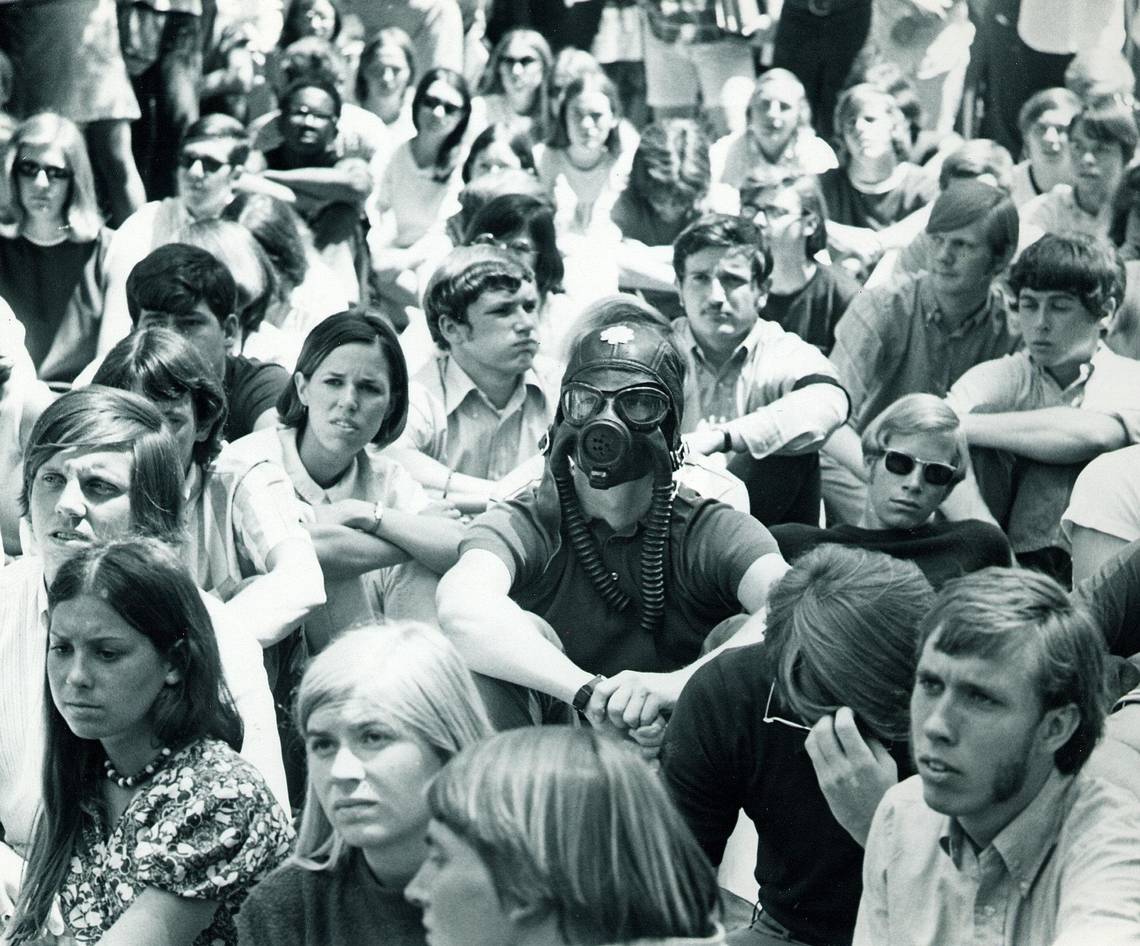
Anyway, when I began teaching myself, I would occasionally follow Dr. Bryan’s model and announce that I’d give a student an A for the year if he or she could answer an obscure question, which I made damned sure no one would get right.
E.g., “Okay, if anyone who can name the comic butt in Shakespeare’s Troilus and Cressida, I’ll give you an A for the year. You’ll still have to do the work and try your best, but you’ll get an A.”
Then a volley of incorrect answers would ricochet off the walls of the room.
Ophelia, Bottom the Weaver, Falstaff, Casca, etc.
“Time’s up,” I’d say. “Sorry. You were so close. It’s Thersites, who spoke these immortal lines: “Great Agamemnon has not so much brain as earwax.”
However, one time, I came really close to blowing it. I gave the A option to the question “Where did I see Dr. John perform the last time I saw him, and to my astonishment, a student answered correctly Newberry.
“Oh shit,” I thought, then said. “Great! Where in Newberry?”
“What do you mean?”
I mean the venue. What building?”
“Um, the Newberry Auditorium.
“Sorry. It was at the Newberry Opera House.”
I can’t remember if I stopped asking A questions after that close shave. I wonder if Dr. Bryan did. I, however, did dub for the student a compilation c.d. featuring some Dr. John tunes, which in the long run was probably worth more than an A.

[1] An unfortunate event occurred at another one of these auditorium classrooms when I fell asleep during an astronomy film with my legs draped over the two empty seats in front of me. When the film ended, the student to my right roused me, and startled, I leapt to my feet. Unfortunately, both of my legs had fallen asleep, so I immediately collapsed and fell to the floor. Again, I attempted to rise and again I fell, so students began to gather around me, thinking I had had a seizure or stroke. Luckily, class was over, so I sidled over and sat down until blood returned to me feet.
[2] I didn’t declare my major until the second semester of my junior year, and because I had dropped several courses and never attended summer school, I had to take 21 hours that semester to graduate on time. The good news that most of them were basic level freshmen courses like Music Appreciation or fairly easy sophomore English courses like Contemporary Fiction, so it wasn’t all that burdensome taking such a massive load.

The night before last, Caroline and I saw the Rolling Stones for the second time in three years, which, as we say in Summerville, ain’t nothing. We had lunch yesterday with Tom and Kathy Herman in Little Five Points, and Tom told me that the Atlanta show was the third show he’d seen in the current tour.[1]
For this concert, his tickets were in the pit to the right of the stage and ours smack dab in the middle, just beyond the end of the jutting runway. Not surprisingly, the closer the proximity of the performers, the more expensive the ticket, and, hence, the more geriactic the concert goer. In fact, most of the people around us could have been cast in the movie Cocoon, though they sported Stones’ tee-shirts and knew the words to every song. The ashen old man in front of me smiled broadly, swaying feebly as he held his phone aloft to record “Midnight Rambler.” Yet, he left early. Standing up for three straight hours was too much for him.
Not for seventy-eight-year-old Mick. He danced, clapped, dervished, sang, stuck his tongue out a la the logo, a lean but amiable Dionysian machine, his on-stage persona friendly, making sure to mention local landmarks, addressing the audience as if he appreciated their presence. Of course, on this evening, he gave a shout-out to the World Champion Atlanta Braves.
Keith, on the other hand, seemed – to put it mildly – less robust. Ronnie Wood took up most of the guitar duties and killed it while Keith slowly wandered around playing mostly rhythm. Occasionally, while Ronnie was screeching a solo, the jumbotron showed Keith.
Still, the cat also turns 78 in December, and it ain’t like he was propped on a stool. If Charley Watts is/was the heartbeat of the Stones, Keith is its soul, conveying the darkness of the blues, howling wolves, muddy Mississippi waters, hearts shattered like beer glasses on the floors of Delta juke joints.
Keith is a walking, talking memento mori.
The set list for this show featured rarely performed “Shattered” from Some Girls and “She’s a Rainbow,” a period piece from the Stones’ blessedly short-lived foray into psychedelia. Of course, you can’t always get what you want, but I would have rather heard “Beast of Burden” from Some Girls and, if you wanna go obscure, why not “The Spider and the Fly” from Out of Our Heads, a truly great album, which also features “Play With Fire,” which would have been more than a worthy substitute for “She’s a Rainbow.”
Flashback: I guess I was about sixteen when I first heard “The Spider and the Fly,” and, I’m sort of ashamed to admit it, but I found the following lyrics disgusting:
She was common, flirty, she looked about thirty
I would have run away but I was on my own
She told me later she’s a machine operator
She said she liked the way I held the microphone
Then I said “hi” like a spider to a fly
Jump right ahead in my web.
Yuk, thirty years old! Who would want to go home with a thirty-year old?
Yes, young readers, the cliches are accurate, a blink of the eye, calendar pages riffling, being torn off by the winds of time in a black-and-white movie that your great grandparents watched for a dime a second ago.
However, to quote my man Andrew Marvell:
Thus, though we cannot make our sun
Stand still, yet we will make him run.
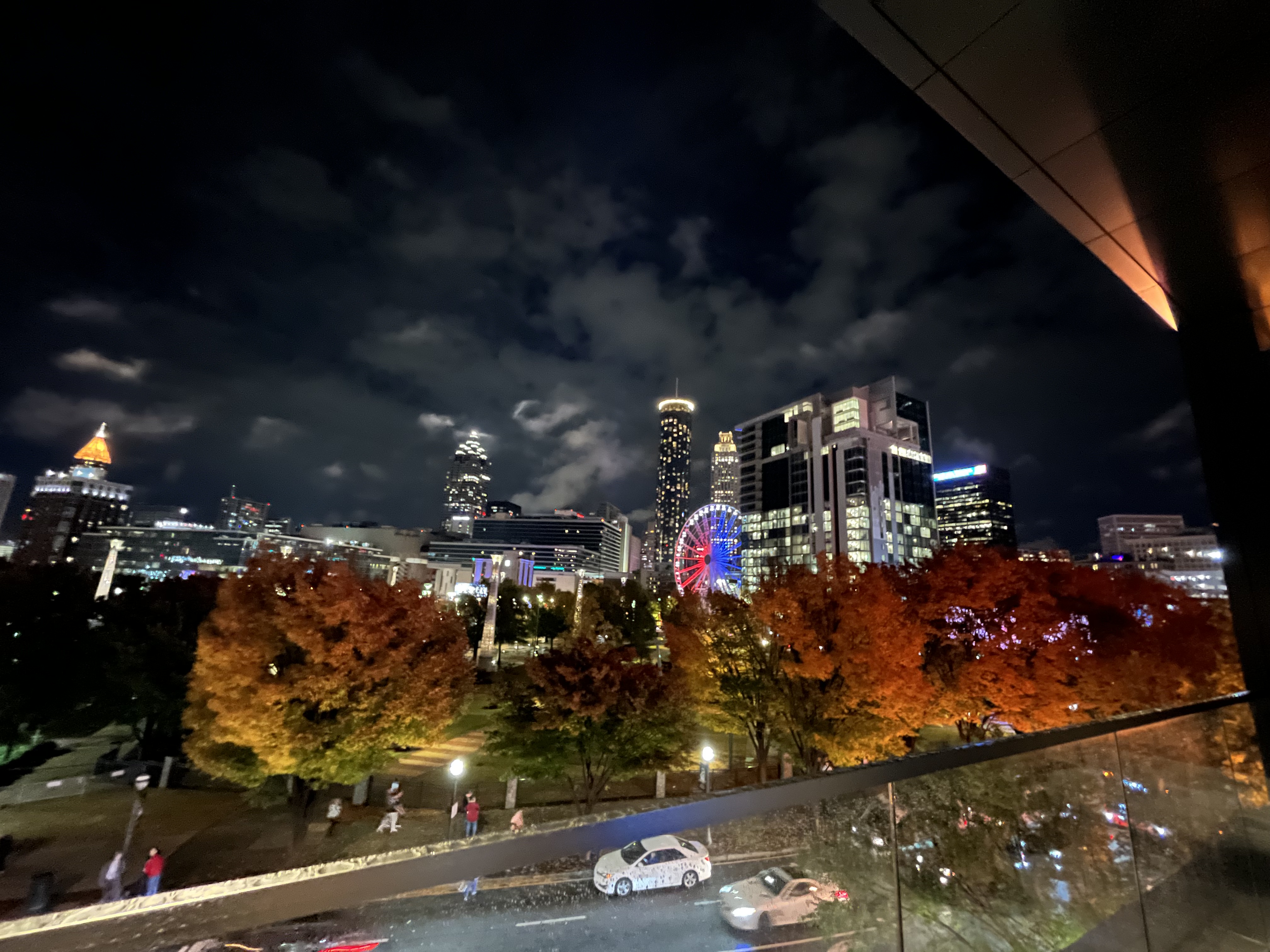
In other words, after a Stones’ concert, you can either limp back to the hotel and retire, or hit the hotel bar, which at the Omni boasts a balcony overlooking the skyline, which on this particular night looked downright Boschian. As we sipped our drinks, Caroline regaled me with stories from her wanderings in North Viet Nam in the previous century as the sun dropped below the horizon of the British Empire.
And when we returned to the hotel room, we continued our conversation, talking about this and that, looking out over at another view of Atlanta, not wanting to go to sleep, yet looking forward to tomorrow, to our lunch with Kathy and Tom.
[1] By the way, Little Five Points is a funky, mural-rich blip of Bohemia in an otherwise seemingly staid state capital. Outside a vintage clothing shop, I ran into this fellow dressed up like Dr. John, complete with voodoo hat and tooth necklace, plus the male version of Dorthey’s ruby slippers from Oz. I said something like, “Hey, mon, dig the Doctor John get-up.” His response, a blank contemptuous look. I asked, “You’ve heard of Doctor, John, right?” He said no and asked me if I had ever heard of some bullshit name like ‘Magnifico, Light Bringer” and then proclaimed that he was Magnifico, Light Bringer, a magician, and then launched into this puffed-up Jesus spiel. I interrupted by saying “party on,” and split, though I felt like stealing the Tom Waits line and saying, “You know they ain’t no devil. That’s just God when he’s drunk.”


The Sound Track
One of the most pleasurable rites of spring celebrated in the Lowcountry each year occurs at the Sand Dollar Social Club on Folly Beach when the Krushtones take the stage for their annual April gig.
[Cue country preacher]: We’re talking glorification, brothers and sisters, talking bout light!
Krush-tones: (krùsh’– tõns) n. a band that features high-Watt[s] drumming; a bodacious bottom; a searing, eloquent guitar; and a latter day Jerry Lee Lewis on keyboards.
Joyous!
I swear, even if they were a mediocre band, the Krushtones’ taste is so exquisite I’d pay to hear the song sets. Al Green/ Talking Heads, the Beatles, Stones, Chuck Berry. But mediocre they ain’t. They exude this palatable vibe of happiness that spreads in concentric circles as if a pearl has been dropped into a pool of sound.
Make you want to dance and holler hallelujah!

The Sand Dollar itself is difficult to categorize. As a private social club, it offers all of the exclusiveness of a subway station. One dollar secures you a year’s membership, but you can’t actually enter the club until 24 hours after your card has been issued. A typical Friday and Saturday night offers free live music, canned beer for a buck, and and an eclectic clientele that, depending on the vibe the night you happen to be there, ranges from Felliniesque to Lynchian.
Bikers comprise a large contingent of the revelers, parking their Harleys (I don’t think I’ve ever seen a BMW) perilously close together out front like a chorus line of internally combustive Rockettes. I dread the day some reeling rummy trips and sets them crashing domino style one after the other. Years ago, before the bikers arrived, I had parked my VW minibus just in front of the designated space. When JB and I left for home, I was horrified to see at least twenty Harleys lined up about six inches from my back bumper and another car looming about a foot from my front bumper. Luckily, the fellow pictured below, a regular, helped me successfully to negotiate the scores of gear shifts, wheel turns, and progressions/reversals that liberated me from that straitened space.
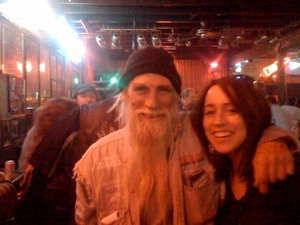
Joining the bikers as a discernible group are the long-in-the-tooth dead-end hedonists, who can be subdivided into old hippies and old shaggers. These sybarites, who hated each other in high school (the former letting their freak flag[s] fly, the latter sliding sockless feet into their Bass Weejuns) have mellowed over the years and appreciate each other in their shared ethos of self-medication and the never ending but increasingly difficult quest of getting laid.

A calico combination of others rounds out the squad – attractive, young preppies; South of Broad slummers; working folk shooting pool; the occasional bombastic prophet-of-doom blogger.
Lynchian vis-a-vis Felliniesque
What’s the distinction, you may wonder, between these two cinematic adjectives denoting surrealism?
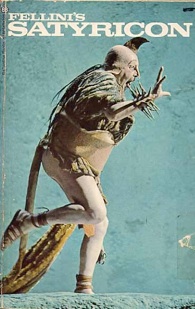
Although baroque, Fellini’s surrealism tends towards the comic/satiric. His Satyricon, for example, counterbalances sensuous shots with grotesque images of Late Empire overindulgence. Carnivalesque might be an appropriate approximation.
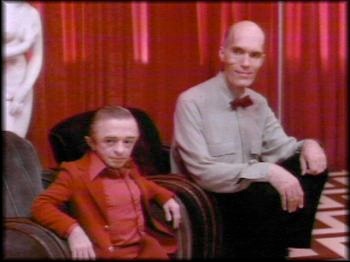
Lynch’s surrealism is darker, a world of evil where the hideous co-mingle with grotesquely bland clichés of Americana, a la the image of above, where the sinister red-clad midget sits beside someone who looks like he may be employed as a hardware store clerk in a Norman Rockwell painting or the son of the couple depicted in Grant Wood’s American Gothic. Kafkalite-ish.

If I had to choose between the hellish dilemma of spending eternity in a Fellini film or a Lynch film, I’d definitely opt for the former. Underneath all of the grotesqueness of Fellini lies a positive procreative impulse. Take “The Widow of Ephesus” segment of The Satyricon, for example, where a woman who has decided to starve herself in her husband’s tomb is seduced by a soldier guarding crucified corpses.
Now that’s what I call pro life.
Lynch, on the other hand, is anti-life. Not that his films aren’t hugely enjoyable and laugh- out-loud funny. Nevertheless, like the parents in Eraserhead, procreation begets monstrosity. You don’t want to bring a child into David Lynch’s world.
In short, a Felliniesque evening at the Sand Dollar is more pleasurable Lynchian evening,
Friday, 9 April 2010
I’m not making this up. During the Krushtones’ first set, I witnessed the departure of one of Charleston’s wealthiest septuagenarians and his seeing-eye trophy wife. She, a blonde, a head taller and thirty years younger, held his hand mommy-like as she led him through the throng. As they were leaving, three female dwarves dressed to the nines flowed past them and took their place at the corner of the stage. I repeat, I’m not making this up.
Lynchian or Felliniesque?
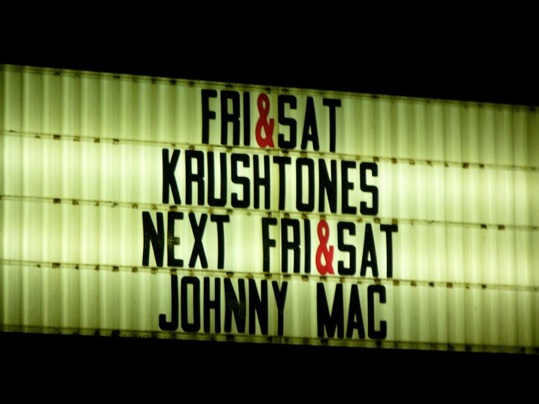
If Johnny Mac had been playing that night, a man deeply in love with the sound of his own guitar, or Jeannie Wiggins, thumping serviceable rock to her adoring groupies, the karma might have darkened the brain chemistry that ultimately determines the existential nature of my world. However, with the Krushtones on stage, beaming, jumping, singing “Lady Madonna,” the positive vibration was infectious. Even the stern-faced bouncer who looks like the promotional US Marine of recruitment commercials cracked a smile.
Too bad the Krushtones were too young to play at Altamont.