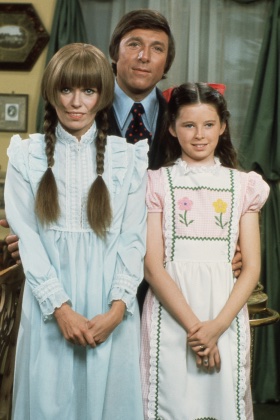
The Hartman Family
I gave up on graduate school almost immediately—by day two, maybe. Getting a master’s in English was like having a full-time job, a serious one. Because I’d applied at the last minute, I didn’t receive an assistantship, so I supported myself with two part-time gigs: washing dishes in a girls’ dorm cafeteria and tending bar in the student union, back in those halcyon days of the ’70s when eighteen-year-olds could drink legally in barely reconstructed South Carolina.
After tending bar and finally getting home at two, there was no way I was going to read that assigned essay on Ralph Roister Doister—or set an alarm so I could read it before class. So I began sleepwalking down the road to failure, sad and guilty on the one hand, but on the other, all hepped up on the intellectual banter of my witty, irreverent friends. Their conversation was way more entertaining than network TV, university theater, or the mountainous molehills of literary criticism I was supposed to be reading.
On Sunday evenings we would gather in the bar, which was closed because alcohol could not be bought or sold on the Christian sabbath. By the way, beer was cheap in those days. An eight-ounce Bud cost a quarter, and you could cop one for a dime at happy hour. Anyway, we would listen to music, pontificate about the immense panorama of chaos and futility, talk literature, and watch rebroadcasts of Mary Hartman, Mary Hartman, which celebrates its fiftieth anniversary this year.
Mary Hartman, Mary Hartman, a soap opera parody, satirized television and American consumerism. In groundbreaking meta-fashion, it used television to expose the medium’s tendency to make viewers anxious about their homes and how others perceive them.
In the opening episode, Mary’s life is a borderline horror show: she’s sexually dissatisfied, her grandfather has become an exhibitionist, and she learns that a nearby family has been murdered (along with their livestock). Nevertheless, her worst worry seems to be the “waxy yellow buildup” on her kitchen floor. The actors played it straight, and there was no laugh track.
Norman Lear and his co-creators Gail Parent, Ann Marcus, Jerry Adelman, and Daniel Gregory Brown jack up standard melodrama into something far darker and more farcical—what I would call Midwestern Gothic. A sick character, for example, drowns in the chicken soup Mary brings him, turning a gesture of neighborly kindness into a grotesque disaster.
Another memorable episode features Mary’s friend Loretta Haggers, an aspiring country singer, appearing on Dinah Shore’s talk show. Attempting to compliment Dinah’s friendly Jewish producer, Loretta gushes, “I just couldn’t believe that his was the people that what killed our Lord, you know?” They hastily cut to commercial. The joke exposes something uglier than bad manners: Loretta is so steeped in prejudice that she thinks she’s paying the man a compliment.
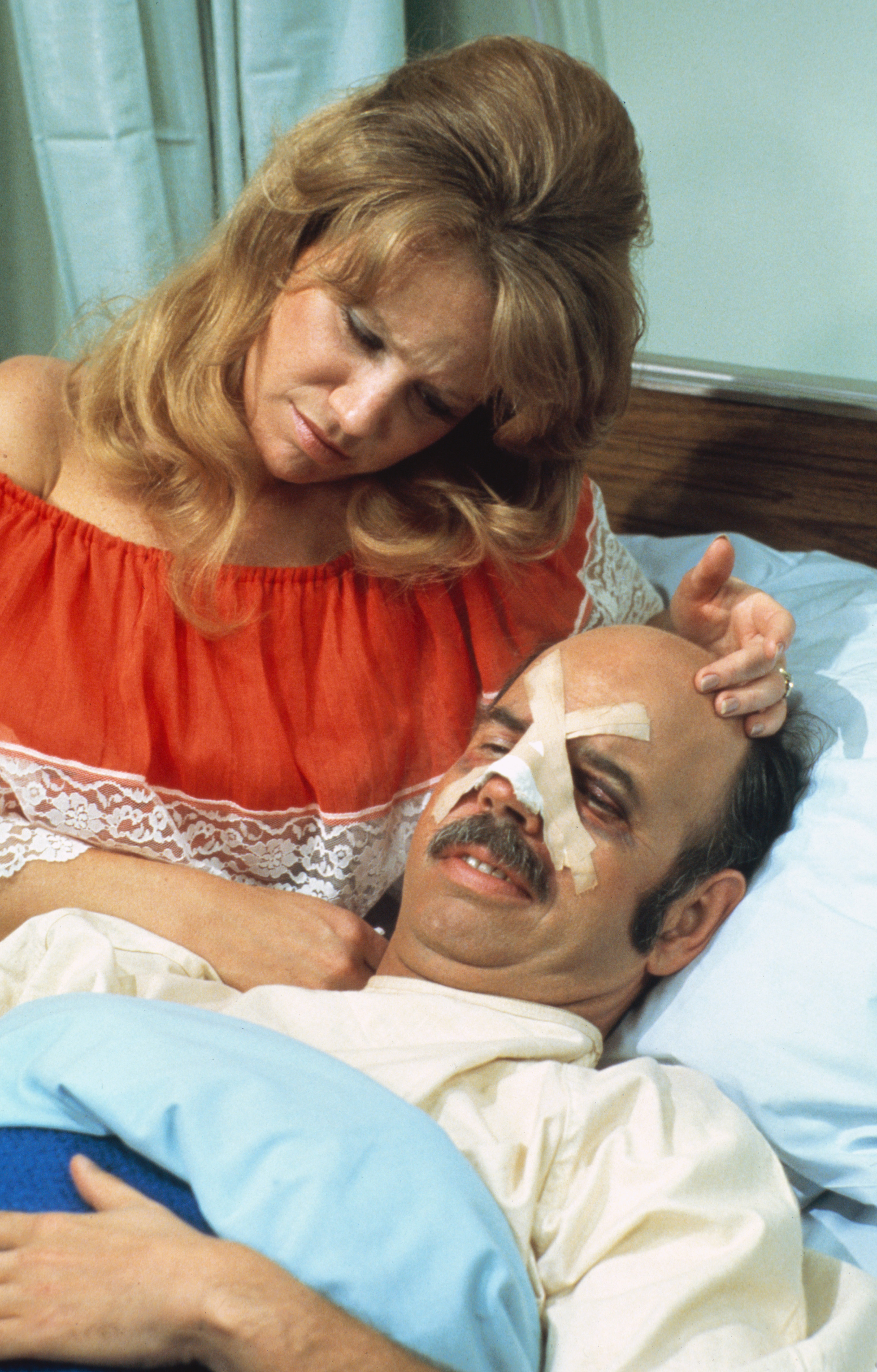
Our favorite character was the child evangelist Reverend Jimmy Joe Jeeter, a spoof of television ministries like The PTL Club, where Jim and Tammy Faye Bakker offered what amounted to a divine quid pro quo: send a check, and God will reward your generosity with financial blessings. Jimmy Joe’s father, Merle Jeeter, played by Dabney Coleman, uses his son to promote a scheme called “Condos for Christ.” Alas, Jimmy Joe dies when a television electrocutes him in the bathtub.
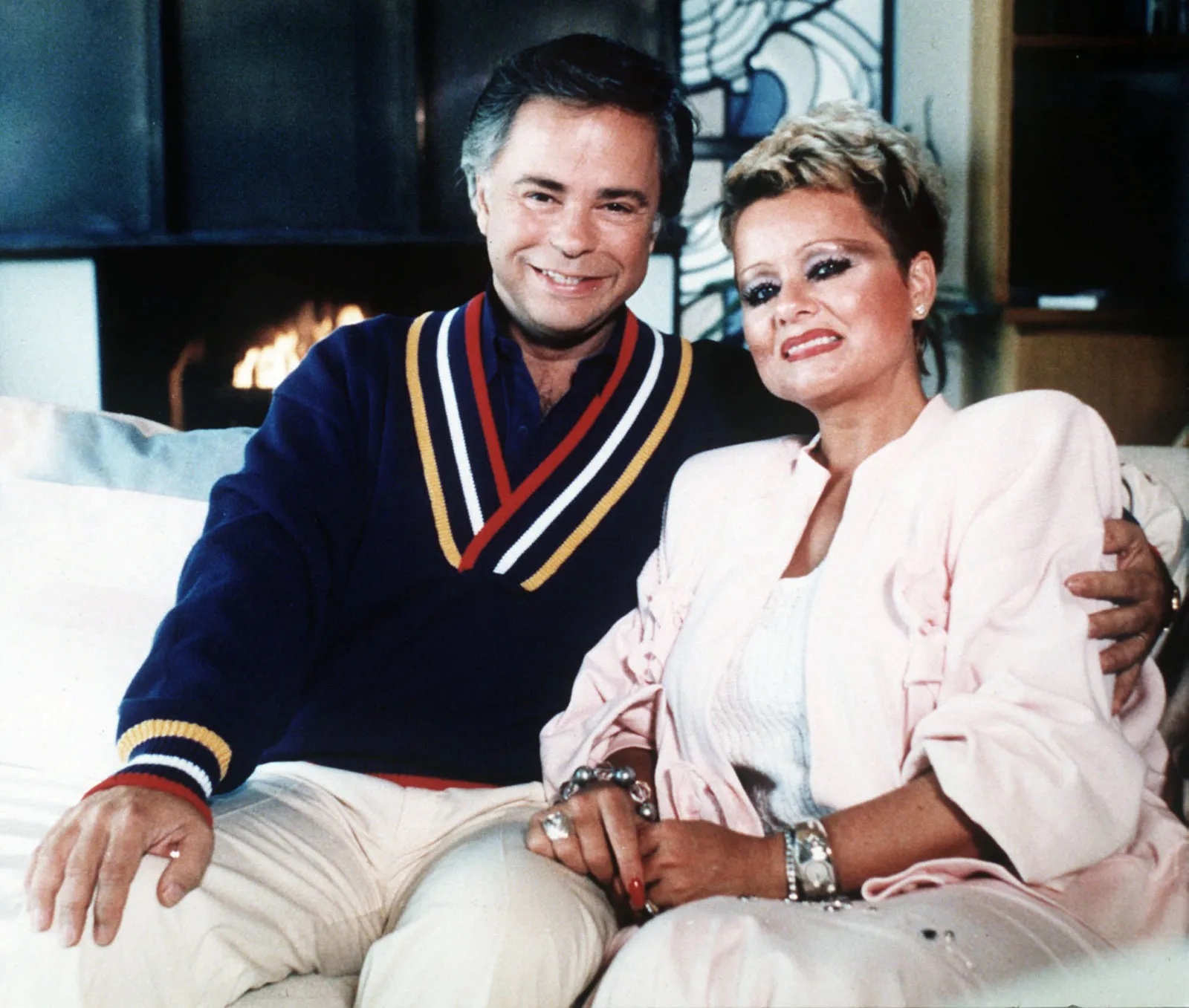
Tammy Faye and Jim Bakker
A spinoff talk-show parody, Fernwood 2 Night, starred Martin Mull as the host and Fred Willard as his clueless sidekick. Imagine Johnny Carson replacing Ed McMahon with Senator Tommy Tuberville. The episode featuring the great Tom Waits is downright hilarious.
As it turned out, none of us managed to earn our master’s degrees, which in my case worked out beautifully. Rather than spending another year in Columbia racking up tuition bills in an un-air-conditioned room, I fled south to Charleston to live on Limehouse Street with my bride Judy Birdsong, whom I courted in between episodes. My friend Keith, who got me a job at the bar, eventually became a successful architect, and Jake, the assistant manager of the bar, ended up as a vice-president of a publicly held company. So as Jimmy Joe might say, “We done alright.”
And for your viewing pleasure, here’s Tom Waits visiting Fernwood 2 Night.

