
In 1983, before we had children, Judy Birdsong and I spent two months galivanting around Europe. We prebooked only three hotels – one in London, one in Paris, and one in Athens. In between these destinations, we idly roamed. We climbed white cliffs in Dover, spent a week in Arles as a base camp for excursions to Nice and Cannes, rode a sea-tossed vomit-splashed boat to Mykonos, etc.
On the trip back to Hamburg, where we departed for home, we hung out in Munich for a couple of days and made a day trip to Dachau where we toured the infamous concentration camp. It was an appropriately gray day with leaden clouds misting rain. On the train, a recording disconcertingly announced, “Next stop, concentration camp.”
I remember that the outdoor spaces of the barbed-wire enclosure featured gravel that crunched beneath our shoes. We walked through the sleeping quarters with their raw claustrophobic wooden bunks. I also remember an American soldier yanking his four year old son by the arm and swatting him on his butt for some misdeed.

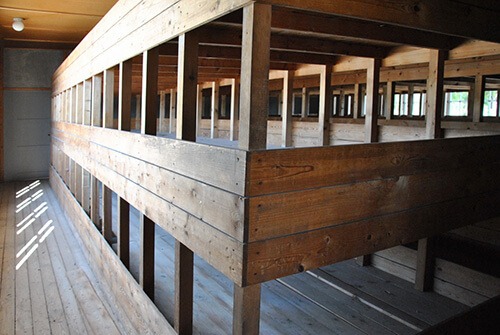
I thought to myself, “Man, I can’t believe he did that here in all places – a concentration camp.”
Of course, back then I never dreamed that my native country forty years later would be constructing concentration camps to imprison minorities.
We too had many pretty toys when young:
A law indifferent to blame or praise,
To bribe or threat; habits that made old wrong
Melt down, as it were wax in the sun’s rays;
Public opinion ripening for so long
We thought it would outlive all future days.
O what fine thought we had because we thought
That the worst rogues and rascals had died out.
WB Yeats “Nineteen-Hundred-and-Nineteen”
Not only are we building concentration camps, but the President and his lackies are touting them, paying official visits, sadistically branding them. This one’s called Alligator Alcatraz.
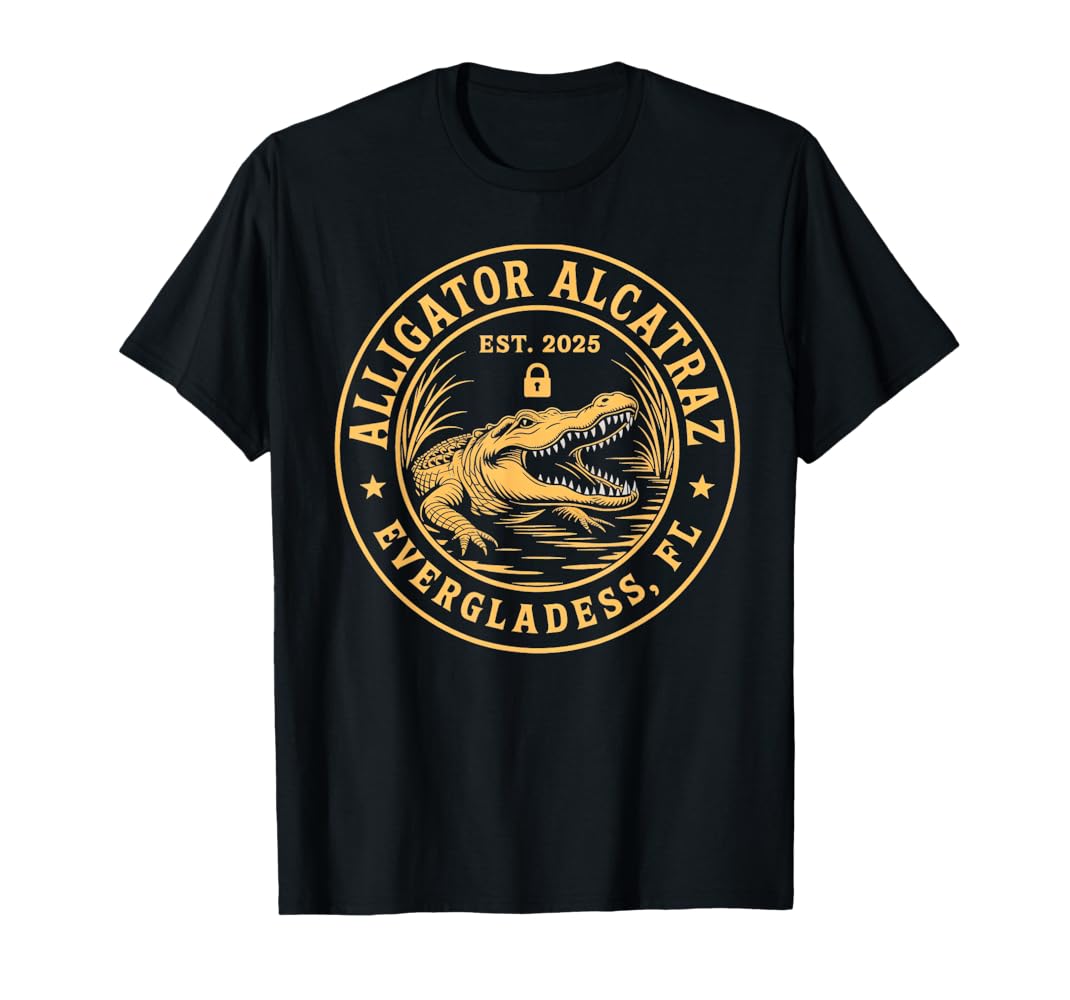
The Republican Party of Florida is obscenely selling Alligator Alcatraz merch.
No doubt the Evangelicals are ecstatic, babbling in tongues praises to the Almighty.
Again, Yeats:
Come let us mock at the great
That had such burdens on the mind
And toiled so hard and late
To leave some monument behind,
Nor thought of the levelling wind.
Come let us mock at the wise;
With all those calendars whereon
They fixed old aching eyes,
They never saw how seasons run,
And now but gape at the sun.
Come let us mock at the good
That fancied goodness might be gay,
And sick of solitude
Might proclaim a holiday:
Wind shrieked—and where are they?
Mock mockers after that
That would not lift a hand maybe
To help good, wise or great
To bar that foul storm out, for we
Traffic in mockery.
















 You Do Hoodoo