Music Quiz: Can You Identify These 1966 Haiku-Converted Hits?

Okay, first off, I’ve never been fan of haikus, no, not even in the 5th grade when a writing assignment was limited to 17 syllables.  Given that Japanese characters have a built-in visual component that the Roman alphabet lacks, I don’t think haikus work well in English.  They’re so ripe for parody:

hummingbird hovers —

basset hound lifts leg to piss —

the blind sun moves on

Nevertheless, haikus are compact and well-suited for riddles, or this little quiz for you Medicare-eligible music lovers out there.  I’ve chosen the year 1966 and written 5 haikus that represent songs from Billboard’s Top 100 of that year, the year that preceded the Summer of Love, the year when the #1 song was Sgt. Barry Sandler’s “The Ballad of the Green Berets.”

So see if you can identify the song from the haiku, and to get the answer, click on the audio sample below.

Here’s Billboard’s #3 song of 1966:

digits 9 and 6

lying back to back in bed

too many teardrops


Here’s #20:

sledgehammer of hurt,

funereal organ moan

she bring misery


#21:

girls in summer clothes

walk past red doors to the tune

of sitar strum – drums!

#82

poor Saint Stephen ain’t

alone, no, eventually,

everybody.

#92

the word calamine

don’t appear in this itch song –

he needs some scratching


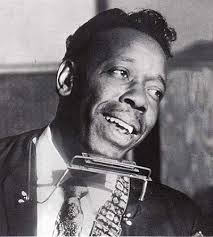
slip harpo


A Lenten Folly Gras

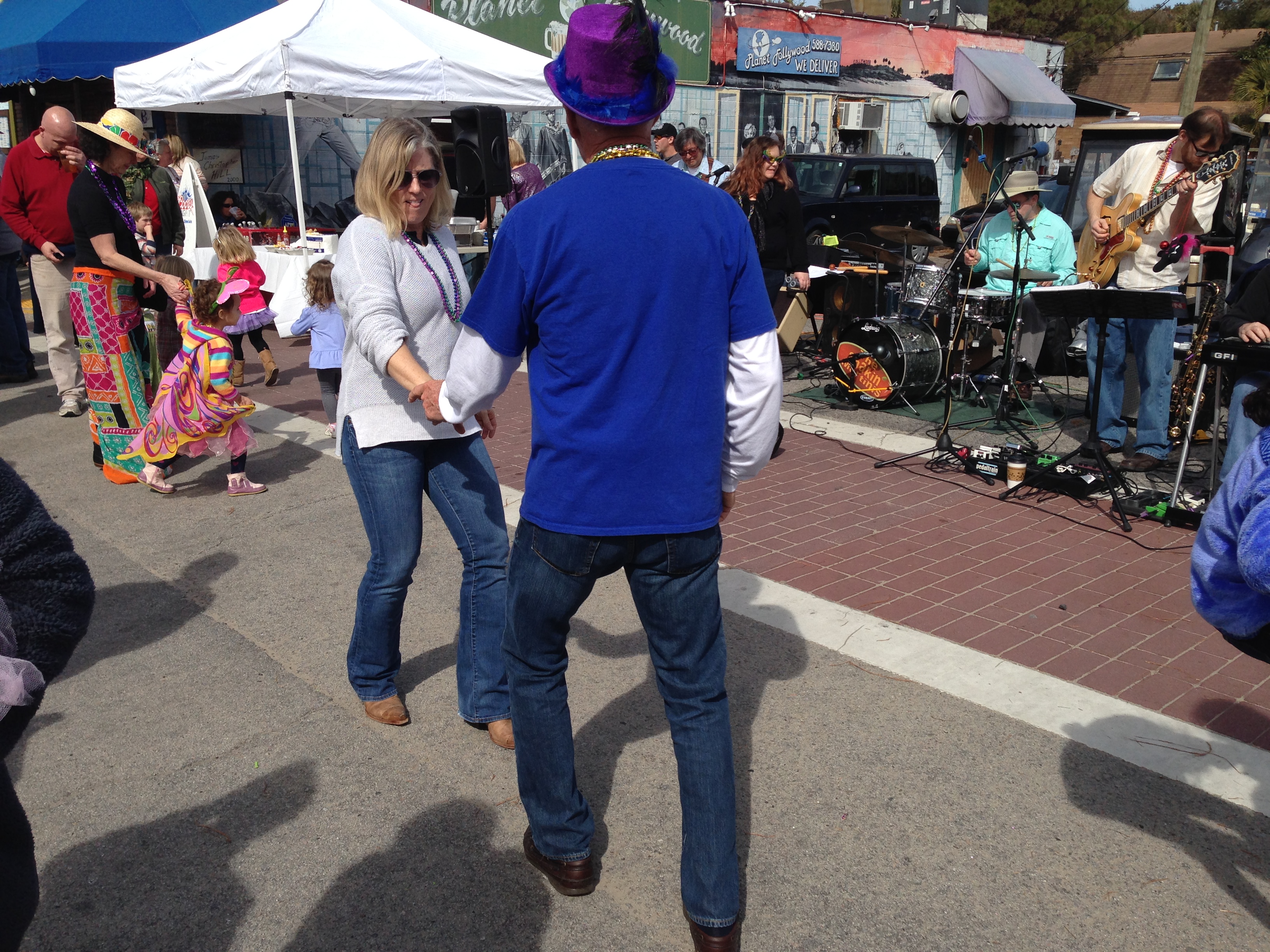
Despite USA Today’s designating Folly’s celebration of Mardi Gras as one of the top ten in the USA, New Orleans and Mobile have nothing to fear from us. Folly Gras still has a way to go, and by a way to go, I mean a long way, like a couple of light years.

One particularly glaring deficiency of our local version of Fat Tuesday* is a paucity of people of color. Call me racist, but when I think of Mardi Gras, I think of ragtime, Dixieland jazz, plain ol’ kickass jazz, and funk, and when I think of those genres, I think of Jelly Roll Morton, Louis Armstrong, Cab Calloway, Coleman Hawkins, Vic Dickenson, Lester Young, Roy Eldridge, Billie Holliday, Ella Fitzgerald, the Meters — you know, black people.

Calling out around the world, we'll go shagging in the streets

Calling out around the world, we’ll go shagging in the streets

And even though yesterday’s 4th Day of Lent/Folly Gras boasted the biggest crowds I’ve seen in the 8 years it’s been around, I could count the number of African Americans I saw on one hand. Though Charleston did have a history of jazz back in the day, that tradition has gone the way of the trolley car. Ain’t no second line funeral celebrations round here. And even though the Godfather himself was born just a couple of hours northwest of the Edge of America, funk’s not a Lowcountry staple either.

bead fling 2Not that yesterday’s street party wasn’t fun. You could stand on the sidewalk and listen to decent rock-n-roll. You could watch folks throw beads from balconies and pretend that the ladies below were exposing their breasts. You could sip hurricanes from elongated glasses and jostle among the crowd . You could shag and sport funky clothes.

Or you pedal your bicycle home and take a two-hour-and-forty minute nap and awaken to the sun setting on another Lenten Saturday.

*That fact that it occurs during Lent screams inauthenticity.


Reading Fiction as a Utilitarian Exercise in Self-Improvement

I’ve always been contemptuous of commercial self-improvement because it so smacks of the time clock — protestant fear of predestined damnation meets hedonism lite.

On the one hand, who but a churl would be against sharing good advice?

On the other hand, who but a charlatan — a snake oil salesman — would seek pecuniary profit from enlightening the masses?

buddhaAndJesusAnswer to above question (in chronological order): not Siddhartha, not Jesus.

After all, in the age of the Internet, good advice can be disseminated at no cost. No longer is it necessary to decimate acres of loblollies to inform the huddling masses of the magic steps/habits/protocols that successful/happy/thoughtful people take/inculcate/follow to achieve a less fucked-up state that they have been muddling through.

So in the spirit of altruism, here’s the title of my unwritten masterpiece in the genre:

7 Steps That Sentiment Beings Sick with Desire and Fastened to Dying Animals Take to Get the Most out of the Ever-Foreshortening Days Left to Them.

Climb aboard!

Here are the 7 Steps in chapters:

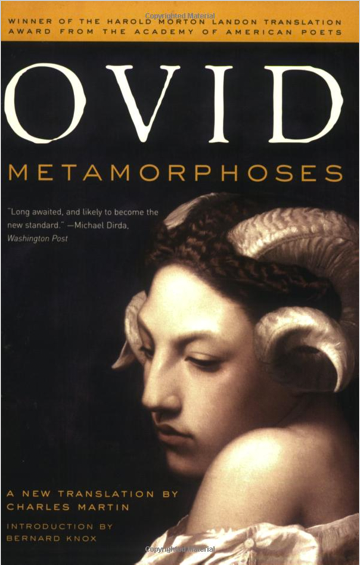
MetamorphosesOvidChapter 1: Step 1: Sunday

Sequester yourself for an hour — especially you non-church/temple types — and read from various myths — good translations of Ovid’s Metamorphosis, Native American trickster tales, Irish folklore, e.g. — and think about how what you’re reading relates to the universal human condition.

Chapter 2: Step 2: Monday

Take a half-hour off after having done something you have dreaded but have completed –e.g. gone to work, to court, to hell in a hand basket — and then listen to thirty minutes of the Blues, and by listen, I mean not only to the instruments, but also to the lyrics.

 Delia, Delia.

Poor girl, she’s gone.

With all I hate, she done left me all alone.

She’s all I got; it’s gone.

Blind Willie McTell by R Crumb.

Blind Willie McTell by R Crumb.

Chapter 3: Step 3: Tuesday

Put down for at least an hour your cell phone, joystick, remote control, and unhand that mouse.

Get into a non-escapist novel. When’s the last time you’ve read Huck Finn? If you’re reading this blog, I goddamn guarantee you’ll enjoy Huck (not to mention it’s time better spent than reading any blog).

Chapter 3: Step 3: Wednesday

Read slowly, carefully and out loud a ballad, which shouldn’t take up any more than 15 minutes.

I’d start early with folk ballads like “Lord Randall” and steadily work my way up chronologically to literary ballads like XJ Kennedy’s “Down in Dallas.”

Down in Dallas, down in Dallas,

where the wind has to cringe tonight,

Lee Oswald nailed Jack Kennedy up

on the cross of a rifle sight.

Chapter 4: Step 4: Thursday

Spend 45-minutes to following up on something you’ve discovered so far in your reading.

Chapter 5: Step 5: Friday/Saturday

Watch a universally acclaimed motion picture or attend local theater (and by that I mean see a play).

* * *

If you were to so regulate your animal spirits, it would cost you ~6 hours of time you otherwise squander lost in social media, trapped in the repetitive sturm und drang of video games, or seated in front of the flat screen.

Of course, I’m being facetious by suggesting this regimen. This regulation of dabbling in the arts would be destined to fail for the same reason diets fail. After a while, the spirit rebels against the assembly line sameness of eating healthy vegetables or reading outloud every Wednesday quatrains of tetrameter.

However, I can tell you this, reading good fiction can provide invaluable vicarious experience because it creates characters true to life. Cynical Mr. Bennett in Pride and Prejudice, despite his delightful wit and clever putdowns, suffers mightily for his detached parenting and refusal to listen to good advice, and his suffering certainly could have been catastrophic if not for Mr. Darcy.

This ARTICLE my friend Ed Burrows sent me scientifically supports the idea that good fiction can also increase your “moral intelligence.”

Dig this:

A 2013 study by the psychologists David Comer Kidd and Emanuele Castano explored the causal relationship between reading high-quality literary fiction and the ability to take the perspective of others, as measured by one of several well-tested tools, such as judging others’ emotions and eye-gaze directionality for interpreting what someone is thinking. The researchers found that participants who were assigned to read literary fiction performed significantly better on these “mind reading” tests that measured where subjects were looking and how they judged the emotions of others than did participants assigned to the other experimental groups, which did not differ from one another.

Think of reading good fiction and poetry as discovery, not escape.

Jim Crow, Treme, Iago, Dr. John, and I-and-I

James T Crow, Spiritual Advisor

James T Crow, Spiritual Advisor

Last night the shamanic JT Crow, one of my spiritual advisors, came over for pizza, and we started yapping about the HBO series Treme, which chronicles the travails of (perhaps too many) characters trying to get their lives together in those wretched days just after Katrina wasted New Orleans.

Although Mr. Crow, who goes by Jim (and, by the way, voted for Obama), and I agree that New Orleans itself is the protagonist of the narrative and that the music [cue James Brown] is bam BAM BAM BAM BAM! – OUT-OF-SIGHT!!!! – we mildly disagree about the overall quality of the production.

For one thing,, I think some of the acting sucks — the Hindenburg of my disbelief has crashed a few times.  For example, the Davis McAlary character’s parents don’t seem like the decadent uptown parents of a wastrel son but like actors playing the decadent uptown parents of a wastrel son. I start wondering where they’re really from, if they get along off the set, etc.

Even Declan MacManus doesn’t do a very good job of playing Elvis Costello.

Davis McAlary played by Steve Zahn

Davis McAlary played by Steve Zahn

Anyway, the most interesting difference of opinion between Crow and me concerns the above-mentioned character Davis McAlary, whom Jim likes but whom I’d like to see sporting orange overalls and a leg shackles while gigging trash amid swarms of mosquitoes on the side of a desolate Louisiana road.*

Do I need mention that Jim’s nicer than I am**?

Jim considers Davis a good person at heart, but to me his picture should appear next to asshole in the American Heritage Dictionary of Vulgarity.*** Because of some sort of megalomaniac disorder, Davis feels entitled to ignore the playlist of the radio station where he works because the playlist isn’t authentic enough, never mind that it’s during a Beg-O-Rama (aka Pledge Drive) and the station is teetering on the edge of financial collapse.   Davis feels entitled to steal a bottle of $200 wine from a lover’s restaurant even though it’s teetering on the edge of financial collapse (though he does leave her as compensation some vintage out-of-print music he looted from a record store). He also aims his speakers outwards from his windows towards his neighbors’ house and blasts them with New Orleans’ hip hop. Working as a concierge, he sends young Mormon volunteers to authentic but dangerously located clubs so they can experience the real New Orleans, etc.

The would-be cat ain’t got no clue about existentialism. He’s about as tolerant as Boko Haram.


 *Obviously, Zahn is going a terrific job of acting if I’ve developed such an animus towards his character.
** E.g., I was sitting on Jim’s couch one evening getting machine-gun blasted with hate tweets from a disgruntled former colleague, and when I started punching in a retaliation, Jim stopped me and said, “Don’t do that.  The poor man is suffering.”
Also, Jim has seen two seasons as opposed to my two episodes.  Maybe Davis changes as the narrative progresses (but it seems to me to be dramatically viable it would take a road-to-Damascus Jesus-hurled thunderbolt).
***Aaron James’s definition from Assholes, A Theory: n., a person who “allows himself to enjoy special advantages and does so systematically” because of “an entrenched sense of entitlement,” and who “is immunized by his sense of entitlement against the complaints of other people.”

But then, sitting there with Crow, I had to concede that if Davis lived on Folly Beach, my little slice of purgatory, it would be fun to hang with him on a casual basis, given his passion, knowledge, and exquisite taste in music. That got me to thinking about some less than noble characters I hung with in my troubled youth, which, of course, got me thinking about Shakespeare’s Othello.

[Feared reader response: WTF! Huh? Time to click out of this joint].

Sample Page from Shakespeare Insult Generator

Sample Page from Shakespeare Insult Generator

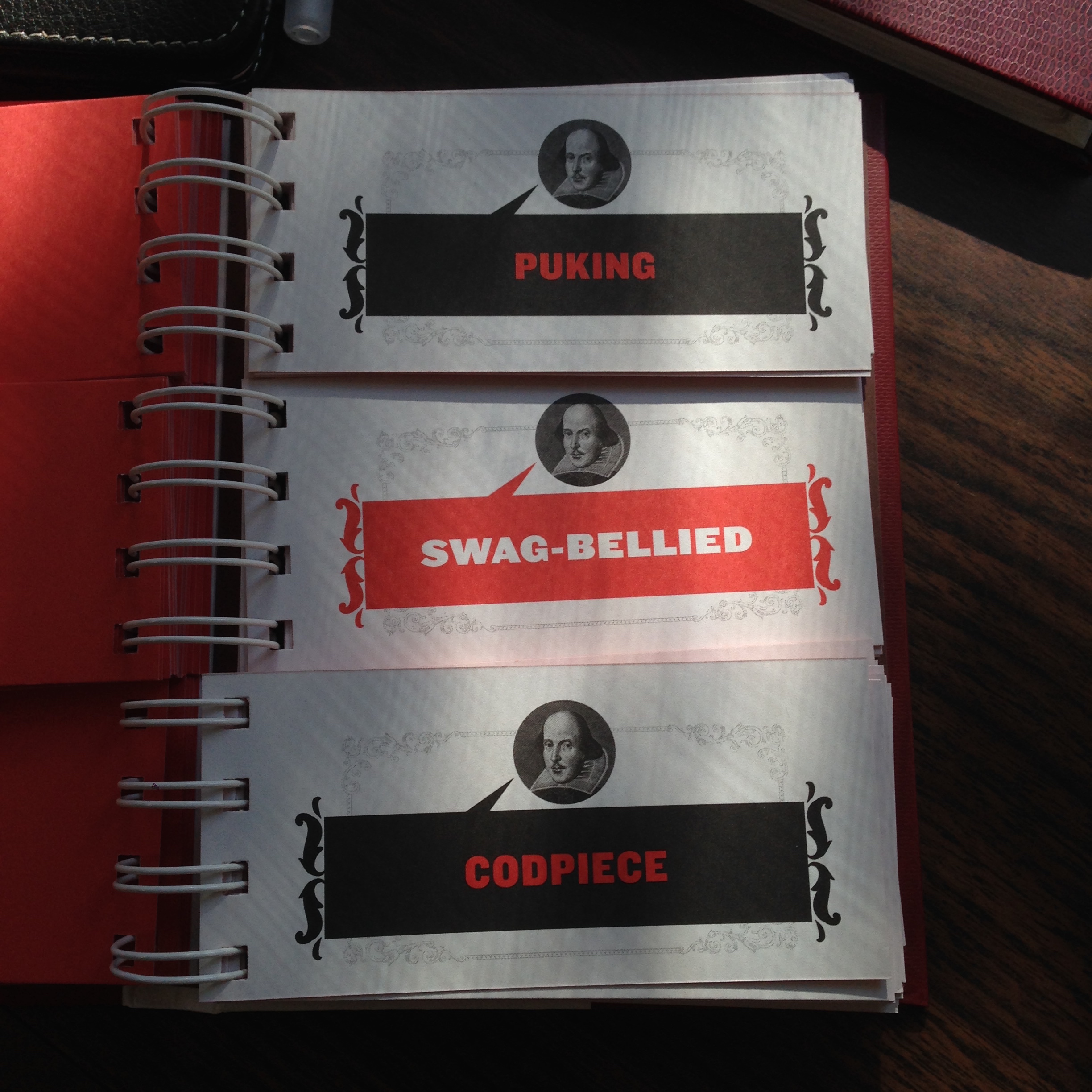
As it happened, Jim’s Xmas present to me, a Shakespeare Insult Generator, was on the table next to us, and it got me to thinking.

A SIG allows you to randomly select two adjectives from any play in the canon and affix them to a Shakespearean noun to create curses for, as PEE WEE GASKINS might say, “them what we love to hate.” For example, flipping through the kit with my left hand as I type, I see I could call Davis a “churlish, beef-witted braggart” or a “mammering, hollowed geck.”

One of the adjectives in the kit is “swag-bellied,” which I actually recognize from 2.3 of Othello. In the scene, Iago, as sociopathic a character in all of literature, is regaling his comrades with descriptions of the English’s domination in the consumption of alcohol over formidable but lesser rivals:

Cassio: Fore God, an excellent song!

Iago: I learned it in England, where indeed they are most potent in potting. Your Dane, your German, and your swag-bellied Hollander – drink, ho! – are nothing to your English.

Cassio: Is your Englishman so exquisite in his drinking?

Iago: Why he drinks with facility your Dane dead drunk; he sweats not to overthrow your Almain; he gives your Hollander a vomit ere the next pottle can be filled.

Let’s face it, if you were on Iago’s good side, i.e., if he’s not robbing you blind or plotting to bring about your total destruction, he’d be an entertaining drinking buddy, much more clever than pretty boy Cassio.

Ah, but here’s the rub. Shakespeare inserts this true-to-life comic skit in the infernal machinery of a tragedy, the skit underscoring dimensions of character, e.g., Cassio’s naivety and Iago’s verbal cleverness.

Shit, then, why am I watching Treme when I could be watching Henry IV, Episodes 1 and 2?

Because, for one thing, Falstaff can’t rip up a piano and sing like Dr. John.

Oh yeah, Mac Rebennak does an Emmy-deserving job of playing Dr. John in Treme.


The Grammarians: Covers

Roll over, Edmund Burke!

??????????????????????????????????????????????????????????????????????

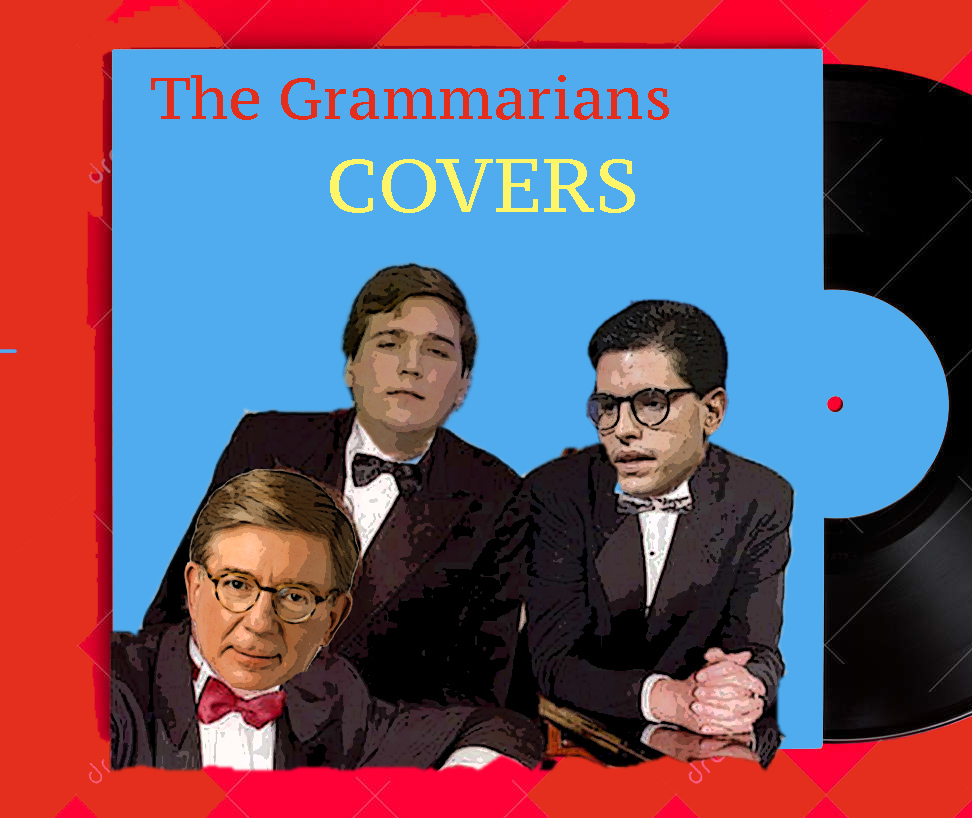
Believe it or not, George Wills, Tucker Carlson, and David Brooks played together in a cover band in the early ’80’s called the Grammarians.  Here’s an exclusive playlist of their first and only album, a self-published collection of cover songs with grammatically correct lyrics. Unfortunately, all of the albums have been bought by the Koch Brothers and destroyed, along with the original tapes.

Here’s what we’re missing:

“I Can’t Get Any Satisfaction” – The Rolling Stones

“It Isn’t I, Babe” – Bob Dylan

“Love Me Tenderly” – Elvis Presley

“Everyone Has Something to Hide Except for My Monkey and Me” – the Beatles

“Whom Do You Love” – Bo Diddley

“What Did I Say” – Ray Charles

“There’s Nothing like the Real Thing” – Marvin Gaye and Tammy Terrell

“Lie Down, Sally” – Eric Clapton

“There Isn’t Any Sunshine When You Are Gone” – Bill Withers

“I Feel Well” – James Brown

South Carolina’s Musical Heritage

To say South Carolina is a colorful state is like saying Orson Welles had a weight problem, Yul Brenner was follicularly challenged (better add a reference someone under 60 might recognize) or Justin Bieber isn’t what you would call winsome.

Damn right we’re colorful – got a Asian-Indian-American governor against immigration, a black senator backing legislation that makes it more difficult for blacks to vote, a white not-so-closeted gay senator against marriage equality. Got a state university that houses its “Honor College” in a building named for former governor/senator who went by the moniker “Pitchfork Ben” and was an outspoken advocate of white supremacy and lynch laws.

hunleyfuneral11We put on elaborate funerals for found Confederate bones, wear seersucker suits, interbreed, whoop it up all the time (cf. Southern Charm). In fact, I hear James L Petigru’s quote that South Carolina’s “too small to be a republic and too large to be an insane asylum” so often it’s almost become a cliché.

Given our eccentricities, it follows South Carolina boasts a bumper crop of potent popular music, and it does — to a certain extent.

* * *

Each year the magazine The Oxford American puts out a Southern Music edition that comes with a cd featuring an eclectic selection of songs from the South. The last few years, the editors have featured the songs of one state; e.g., Louisiana, Alabama, Mississippi, Arkansas, and Tennessee have all had cds devoted to their home grown music. Because of the rich treasure trove these states possess, the editors have refrained from choosing the states’ most famous or most accomplished musicians but have opted instead for a [redundancy alert] smorgasbord of arcane eclecticism. For example, you won’t find Iris DeMent or Robert Lockwood, Jr. on the Arkansas cd; however, Suga City makes the cut.

Iris DeMent

Iris DeMent

Whenever the Oxford editors get around to culling some tunes for the South Carolina cd, they’re not going to have a profound number of musicians to choose from, but damn, they’re going to have some true masters who hail from the Palmetto State. The problem, I suspect, will be which James Brown or Dizzy Gillespie tune to showcase.

What follows is my South Carolina cd with the caveat that I ain’t no expert and will no doubt omit some obvious choices. Also, I’m not listing the musicians/songs in the order that would appear on the cd but in the order they occur to me.

* * *

One gripe I have with the Oxford cds is that they can sound a bit too archive-y, if you know what I mean. I like listening to cds in the car on the way to work, not necessarily listening to them as an exercise in musical scholarship. Therefore, I’d match the following SC musicians with these songs.

Maurice Williams and the Zodiacs – “Stay” [Lancaster, SC]

The Swingin’ Medallions – “Double Shot of My Baby’s Love” [Greenwood]

The Marshall Tucker Band – “Can’t You See” [Spartanburg]

Eartha-Kitt-Bad-But-Beautiful-375528Because Eartha Kitt’s “C’est Bon” has already appeared on an earlier Oxford compilation, I’d go with maybe “I Want to be Evil” or “Je cherce un homme.” {North]

Of course, the geniuses Dizzy Gillespie [Cheraw] and James Brown [Barnwell] have left profound bodies of work. I’m too lazy to even try to come up with representative songs. It’s no fun, too fraught with danger.

 * * *

Okay we have 6 songs so we need at least 14 more. SC beach music needs more representation than the Medallions, so Bill Pinckney’s Drifters [Daizell, SC] is an obvious choice. Let’s go with “There Goes My Baby.”

Chubby Checker - Twisting USA Album CoverChubby Checker [Spring Gulley] checks in [forgive me] with “Let’s Twist Again” because it’s such pure rock-n-roll, but “Limbo Rock” would be a close second.

As far as country/Americana goes we got Bill Anderson [Columbia] “Po Folks” and the country swing of Uncle Walt’s Band [Spartanburg] featuring Champ Hood, David Ball, and the late Walter Hyatt. “Gimme Some Skin” would be my choice.

I love gospel, and we have an impressive number of groups to choose from, but in deference to my pal Jo Humphreys, I’m going with the Brotherhood Gospel Singers [Mt. Pleasant] “Mary, Don’t Weep.”

Now, it’s blues time. The Reverend Gary Davis’s {Laurens County] “You Got to Move” or “Prodigal Son” will be familiar to Rolling Stone aficionados. Pinkey “Pink” Anderson {Laurens] certainly deserves the nod above Drink Small [Bishopville].

Though I’m not a big fan, it would be churlish not to include Hootie and the Blowfish [Charleston]. You choose.

Now for some lesser known South Carolina artists. Julius Cobb’s {Greenville] soul ballad “Great Big Change in Me” with its horns and killer vocal (featuring talking) is an obscure gem (and my former roommate Warren Moise once played keyboards with one of his bands). You can listen to “Great Change in Me” HERE.

Even though they’re from North Carolina, we could sneak Jump Little Children into the mix, but why do that when you could include The Fire Apes’ [Charleston] “Let Me Know” or “Lori.”

killerwhales_largeEver heard of the Killer Whales [Charleston]? Well, I have, and their cover of the Melodians’ “Johnny Too Bad” adds a much needed Caribbean lilt into the mix.

How bout some jazz fusion funk via Alphonse Mouzon [Charleston? “Funky Snakefoot” will do in a pinch.

Okay, I’m down to two Do I want to throw a bone to the younger set with a selection from Iron & Wine or add a couple of unrepresented country crooners like Josh Turner?

Naw, I’m going with the Blue Dogs’ “Walter” [Charleston] and Danielle Howle’s [Columbia] “Oh Swear.”
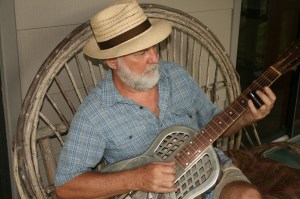
Jim Crow

Jim Crow

By the way, if you’re reading this before 15 November 2014 and are in the Charleston area, come out and see two of my favorite acts at the Folly Beach Front Porch Festival, i.e. Jim Crow going solo and Po Dunk led by brother/frontman John Fleming Moore. It starts at 2 at various venues in walking distance of Center Street.


Mojo Malfunction

mojo bags


An experimental African-Chaucerian doggerel dub


Mojo bag, black cat bone,

my gris-gris ain’t working

on her heart of stone.


Adamantine-hard,

cold as Iceland steel,

it know how to beat

but not how to feel.


So I went to see the hoodoo man

down at the shaman shack.

begging for some conjuration

to launch me a love attack.


A week’s pay he took from me

and handed me a sachet sac.

He claim it reversal be so strong

it could turn Strom Thurmond black.


The very next day when the sun uprose

and I was moaning in bed,

she slid a note beneath my door,

and this is what it said:


“I done slap a ‘straining order

on your obsessive ass.

I’m sick and tired, fool,

of this never-ending harass.


“Get yo ass to the record store

and check out the Marvelettes.

I wouldn’t be your lover, baby,

if you owned 76 Corvettes.


“Listen to that song they sing,

‘Too Many Fish in the Sea.’

Cast yo line in another pond

And for Christ’s sake, let me be.”


I cry: O, what yo gonna do, mama,

when yo problems get like mine?

Take a mouth full of sugar,

drink a bottle of turpentine.


Mojo bag, black cat bone,

my gris-gris ain’t working

on her heart of stone.


The Post Labor Day Wardrobe Blues


Labor Day, brother,

put them white pants away.

I reiterate: Labor Day;

put them white shoes away.

Nobody told that blazing sun up there,

but the etiquette polices get the final say.


Way past Labor Day,

shred that seersucker, fool.

The calendar say September,

so ditch them white bucks, too.

No matter what the thermometer say,

We talking ’bout society rules!


Science book say white jacket repel the heat

help to keep your arm pit dry.

Science book say dark clothes sorbs the heat

and make your poor body fry.

But the science also say they ain’t

no heaven to go to when you die.


Up in heaven, it always the month of May

Up in heaven it always the month of May

You can wear that white robe without no snooty dismay.


Gots to get to heaven to ‘scape global warmin’

Needs to get to heaven to ‘scape global warmin’

It be almost Christmas and the skeeters still be swarmin’


Oh, do Lawd, it Labor Day,

time to put them white clothes away.

Done be Labor Day,


gotta put them white clothes away.

Time to don you some wool

and pray for the Judgment Day

Yo dub poet hisself

Robert Cray and John Hiatt: Review 25 July 2014

You might say that last night’s concert featuring Robert Cray and John Hiatt was too much and too little of a good thing — too much of the excellent Robert Cray but too little of the brilliant and dynamic John Hiatt. promotional poster

The tour’s promotion suggests equality as if the show is a double billing, and indeed stage time for both performers and their bands is equally divided into two one-hour-and-fifteen-minute sets separated by an intermission when roadies strip down Cray’s slicker set-up with its elevated drum kit and replace it with Hiatt’s down home array of amps and instruments.

Nevertheless, someone has to go first, and that someone is Robert Cray. I’ve always admired Cray as a musician and ambassador for the Blues.  Certainly, his eloquent guitar solos come to life with an anguish that articulates the despair inherent in the genre — the lost love, poverty, betrayal, and hopelessness that the Blues uniquely expresses.  Cray’s guitar screams, moans, flashes anger — almost as if it’s on the verge of human articulation, like Benjy Compson attempting to utter the unutterable.  Certainly, Cray’s performance of “Don’t You Even Care” was killer urban blues, passionate music coupled with effective imagistic lyrics that brought to life rain-slicked city sidewalks and shitty motels.

And yet, because he performed so many of the tunes in the same rather up-beat tempo and because virtually every song was about some woman who done him wrong, a sameness seeped into the set, a repetitiveness not helped by his starting each number by saying, “This next one is called [so-and-so].”  Also, I found odd that he didn’t cover any blues standards but relied on his own songs, which, although certainly competent in every aspect, are by no means classics. How I would have loved to hear him cover some Willie Dixon tune like “The Same Thing” or “Spoonful.”I know this might sound demeaning — and I don’t mean it to — but Robert Cray is sort of like “The Peyton Manning of the Blues” — richly talented, technically perfect, but somehow mechanical.

Certainly, “mechanical” doesn’t describe John Hiatt, whom I’ve been following since his third album, 1979’s Slug Line, a punkish romp featuring songs like “Take Off Your Uniform” and “The Night That Kenny Died,” which features these lyrics:

It seemed so spooky that the nerd we all detested

Would die so gloriously and unexpected

A wonderful guy God knows

They kept the casket closed.

As Hiatt matured, so did his music, bolstered by recording with some of the finest studio musicians in the world including the incomparable Ry Cooder on guitars, Jim Keltner on drums, and Nick Lowe on bass.

Last night’s performance featured several of his best.  He kicked off the show with “Your Dad Did,” from Bring the Family, a witty song about the frustrations of the working life, in which the hapless narrator’s “seen the old man’s ghost/Come back as creamed chipped beef on toast/Now if you don’t get your slice of the roast/ You gonna flip your lid/ Just like your dad did.”  He followed that with “Detroit Made,” a paean to that classic  automobile beloved of African American males, the Electra 225, better known as “a deuce and a quarter.”

In addition to a series of his most famous songs — “Perfectly Good Guitar,”  “A Thing Called Love,” and “Memphis in the Mean Time,” e.g. — Hiatt included three excellent new ones from his current album, to wit, the title track “The Terms of My Surrender,”  plus “Long Time Comin’,” and the haunting, country-bluesy “The Wind Don’t Have to Hurry.”

Not only was the music engaging — the Combo rocked — but Hiatt is a consummate showman with an incredibly expressive mug.  As he struts loose-limbed across the stage like a modern minstrel, he grimaces, smiles, expresses disbelief, sticks out his tongue. I’d call him a kind of musical comic genius.

Then, boom.  It was over.

They came out for one encore, “Have a Little Faith in Me,” and that was it.

My son Ned commented as we were leaving that he now had a better appreciation for Einstein’s Theory of Relativity. Hiatt’s hour-and-a-quarter had been much shorter than Robert Cray’s.

John Hiatt and his Combo exiting the stage last night 7/25/2014

John Hiatt and his Combo exiting the stage last night 7/25/2014