After a week off, Chico Feo’s Songwriter’s Soapbox returned in fine fashion. George Alan Fox, our inimitable host, bookended the extravaganza with a sampling of original tunes. This one’s my favorite, the brilliant “Figurin’ It Out,” performed at the end of the evening.
Pernell McDaniel laid down some country tunes he had recently written:
Alas, I didn’t get to record an outstanding set by Captain Philip Frandino, whose song “Compromise” speaks to our times. I promise to get him next time he performs.
Here’s a second or to of my occasional poem on Georgia flipping Democratic:
What an easy act to follow, especially for a talented songwriter like Gracie Trice, who, believe it or not, just started writing songs last month.
OMG, as the young people say, get a load of these spoken words by Brianna Stello:
Brother Fleming Moore did a set ending with a gospel tune.
Alas, I also failed to record Jeff Lowry, whom I also promise to video next time he performs, and, even though I did video Jason Chambers, I did so on his phone and don’t have access. It’s a big ass file, and I’ll add it if he can transport it. Lastly, several other performers were outstanding, but I didn’t catch some of their names.
What fun, y’all. Whitney Wienmann was there, celebrating her birthday, along with Caroline Tigner Moore. In addition, a Who’s Who of Folly illuminati made the scene: Surfer Phil, Tyler, Greg, Jesse, Matthew, Dan and Becca (who did a duet early in the evening with Becca on banjo) – the list goes on and on.
A shoutout to bartenders Rachelle, Katie, and Gavin. I also believe I saw a hatless Solly lurking on the periphery.
So if you’re in town, next Monday, head out to Chico Feo. Open Mike starts at 6PM.
Here are some brief videos chronicling a bit of what went down at the Songwriter Soap Box last night on the Edge of America.
The first clip features singer/songwriter Fleming Moore accompanied by bluesman Robert Lighthouse on guitar and an unnamed percussionist.
Next, Robert Lighthouse solo, laying down some blues.
Here’s an excerpt of Jason Chambers reading one of his poems.
Too, too short of a clip of the incomparable Danielle Howle.
Sorry, I couldn’t provide videos for all of the performers who included George Alan Fox, Pernell McDaniel, Toomey Tucker, Charlie Stonecypher, Pete Burbage, Eric Barnett, Jeff Lowry, Jamime Crisp, George Honeycutt and Bobby Sutton, Eliza Novella, and Leon David.
Early in July, my good friend and former college/grad school roommate Warren Moise wrote an article for the Charleston Mercury describing his former existence as a beach musician in the 60s and 70s. He admitted in the article that he had never learned to shag, which for me was a shocking revelation.
No, British readers, not that kind of shagging!
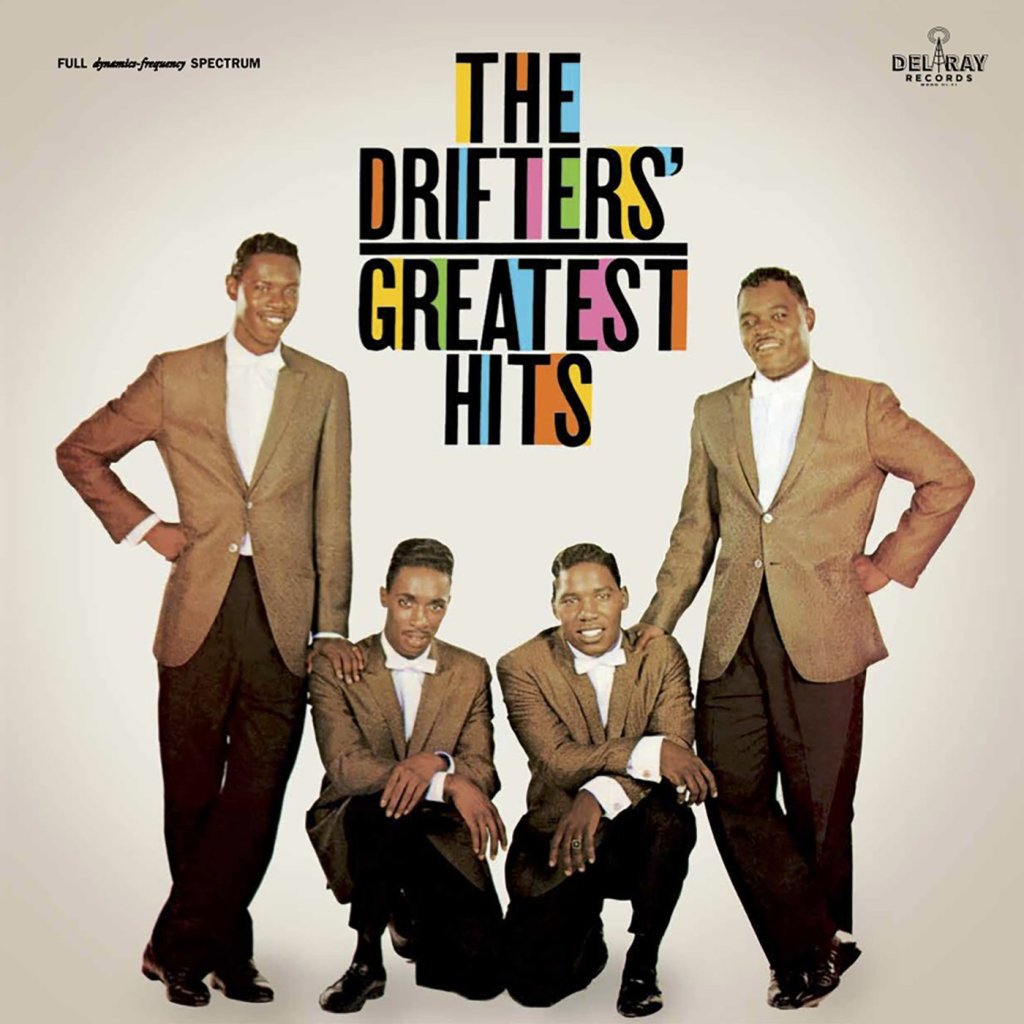
We’re talking about the venerable North and South Carolina dance known as “the shag.” According to the website NCPEDIA, the shag might trace its evolution back to early settlers of the Carolina in an attempt to preserve their European musical lineage. According to the article, in the 1920s and 30s, the shag evolved as dancers adapted it to swing music and jazz. However, the dance really came into its own in 50s and 60s with the advent of Beach Music, a genre made famous by such groups as The Drifters, Tams, and the Embers and performed at beach pavilions up and down the Carolina Coast.
Essentially, the shag is a two person hand-holding shuffle that allows room for much improvisation. Knowing how to shag is almost a social necessity if you live in Charleston or Myrtle Beach. Nevertheless, like Warren, I, too, never learned how, essentially because I didn’t have the inclination.
Folly Beach, where I live, used to have a shag dance club on Center Street where old people attempted to keep the fires of their youth ablaze, and you can still see lots of shagging at the Sand Dollar Social club on weekends.
Curmudgeon that I am, I saw members of the old shag club as victims of their youth, incurable nostalgia-holics stuck, like a stylus on a scratched record, in a repetitive rut, so I wrote the following rather acerbic poem.
If you look closely, you can detect the traces
Of teenagers drowned in the puddles of their faces.
Perhaps this is beauty’s curse, the clinging,
King Canute by the seaside singing:
Stop in the name of love. But the aging process
Stops for no one. There’s no recess
In decay’s school day, no stopping the seasons,
Even if you’re sockless and sporting Bass Weejuns.
Sometimes when you hear a song for the first time that’s really catchy, you end up getting sick of it all too soon. I’m thinking of songs like “Friday on My Mind” by the Easybeats or “Home” by Edward Sharpe and the Magnetic Zeros, two really tasty tunes that satisfy you for a second or two, but by the third serving, you’re not even paying attention.
On the other hand, some really catchy songs never get old. The first time I heard Zevon’s “Werewolves of London,” on the radio in 1977, I hopped into my parents’ VW Bug and drove fourteen or so miles to the Record Bar, the closest record store. Despite the song’s simplicity[1], I’ve never gotten sick of it. Of course, the lyrics help:
Well, I saw Lon Chaney walking with the Queen
Doing the Werewolves of London
I saw Lon Chaney, Jr. walking with the Queen
Doing the Werewolves of London
I saw a werewolf drinking a piña colada at Trader Vic’s
And his hair was perfect.
Anyway, Chuck Prophet’s 2002 album No Other Love I’ve never gotten tired of. I first discovered Prophet via Salon back in the day when they’d offer free cuts you could download from just-dropped albums.
Just as in the case of ‘Werewolves,” the featured cut “I Bow Down and Worship Every Woman I See” blew me away. It’s a narrative. Here’s the first verse, which stands up remarkably well naked on the page:
Chloe was a neighbor girl
who walked round in a trance
A lot like Sissy Spacek
at that homecoming dance
Her father was religious
Mother was too
She yearned to be a model
Had issues with food
Last I heard of Chloe
someone saw her on TV
Preaching the power of hypnosis
and aroma therapy
Darby was my sister’s friend
a fashion paranoid
She wore a winter coat all summer long
and made a lot of noise
about conservites and demigods
and how we should be scared
We dropped LSD at Disneyland
She left me stranded there
I hitched back to the valley
with a Dr. Leopold
who sermonized computers
have come to steal our souls
ooh baby ooh baby
I bow down and pray to every woman I see
I bow down and pray to every woman I see
A song from the same album I like even more is “That’s How Much I Need Your Love.” Here’s a brief sonic sample:
So what you have here in LA noir music, sunny and creepy at the same time. I just discovered a new one yesterday. My wife Caroline asked if I wanted to hear “Jesus Was a Social Drinker.” The title sounded so Zevon. “Who’s it by?” I asked.
“Chuck Prophet.”
Obviously, I’d lost touch.
Now Jesus was a social drinker
He never drank alone
He never partied at a strip club
Keeping his woman up at home
Or overstayed his welcome
Or threw up in your sink
Nah, Jesus was never late to work, man
And he always pulled his weight
It’s off the album Bobby Fuller Died for Your Sins, and he’s got a new one coming out in 21 August 2020. I’m planning on checking it out.[2]
[1] D D (quarter note, half note, then a quarter rest), C C (quarter note, half note,
then a quarter rest), G G C G (the rest quarter notes with no rests), G G G G,
throughout the song
[2] BTW, I’m one of these old-fashioned cats you doesn’t stream his music. I buy the records.
I remember going to a Warren Zevon show at a bar in 1992[1] and overhearing some kid say, “There’s nothing but old people here.” He was talking about people like me, an overripe just turned 39. As it turns out, coincidentally, the show took place a day after Zevon’s 45th birthday, and despite his semi-elderly status, he put on one helluva show. His encore cover of Leonard Cohen’s “First We Take Manhattan, Then We Take Berlin,” actually stirred for an n-second the dead embers of my long extinguished revolutionary zeal.
Of course, 39 or 45 might seem ancient to a 20-something, but to my mother, 60 at the time, or to my 92-year-old grandmother-in-law, I was only on the second leg of my TWC[2] flight to that undiscovered country from whose bourne no tourist returns.
[montage of calendar pages flapping and tearing off in a really stiff breeze][3]
Yikes! Seems just yesterday being a boomer meant you were young; now it’s a term of derision, a descriptor of someone in the market for a walk-in tub, someone whose gauze-wrapped brain is incapable of gazing beyond his own limited experience. In fact, aging is such an obsession that our local paper has a weekly column on how to handle encroaching decrepitude.
I don’t usually read the column, but glancing at this week’s edition, I did a double take when I saw this headline:
Aging for Amateurs: King Lear shows how to find freedom in limitations
WTF, my inner keyboard typed. Lear as role model? He ends up In Act 3 evicted by his fiendish daughters onto a heath during a hurricane. Earlier, the doddering king had disinherited his one decent child, Cordelia, and at the end of the play (spoiler alert) he carries her corpse in his arms as he intones, “Never, never, never, never, never?”
So I read the article, and what the author cites is a brief moment in Act 5 when Lear mistakenly thinks he and soon-to-be-hanged Cordelia are headed to prison.
The author of the article on aging, Bert Keller, concludes
The old king acknowledges the reality of his inevitable imprisonment. Looking beyond the literal, we know what the deeper meaning here is for us: not dungeon or detention center but the limitations and losses of advanced age. Our bodies weaken, our minds slow down, hearing fails and we move around with effort. And on top of all that, now we’re shut in by COVID-19. Yet here is 80-year-old Lear, saying “Let’s away to prison” with a willing heart! That is the amazing thing. He interprets unavoidable withdrawal in terms of inner freedom.
Then again, on the other side of the poetic ledger, there is Dylan Thomas, who suggests “[w]e rage, rage, against the dying of the light,” like my man WB Yeats who asks:
Did all old men and women, rich and poor, Who trod upon these rocks or passed this door, Whether in public or in secret rage As I do now against old age?
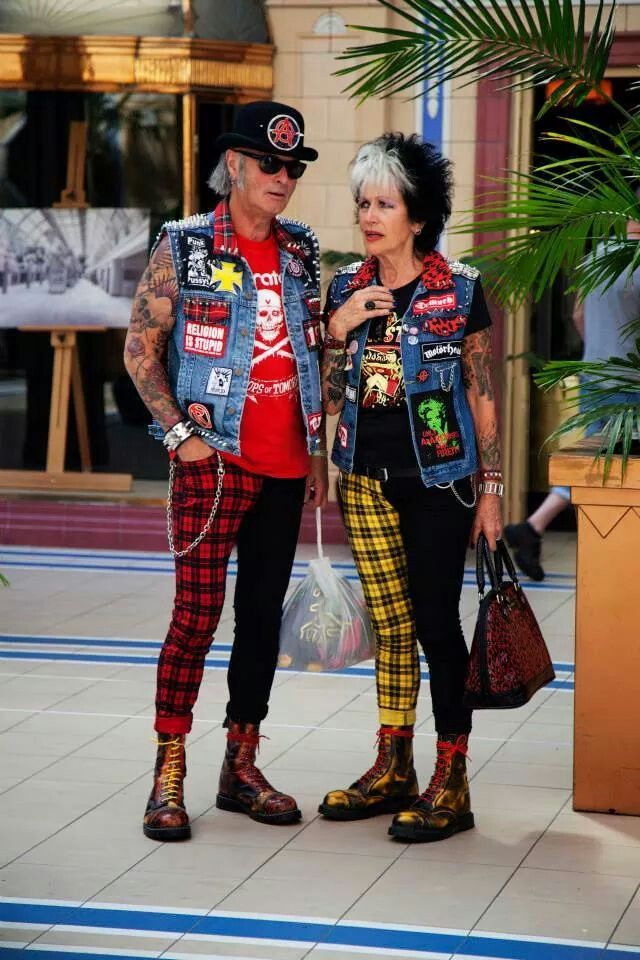
Well, all of this is a long-winded way to introduce a clever music video on the subject, which features for a second or two my brother, the musician and actor Fleming Moore, playing a punk who has made it to his golden years.” [4] The songwriter Killjoy says, “The song is about growing old, obsolete, irrelevant, dying, nostalgia, and being OK with all of that.”
The band is Killjoy & the Cutthroats, and the song is “Golden Years for a Gutter Punk.”
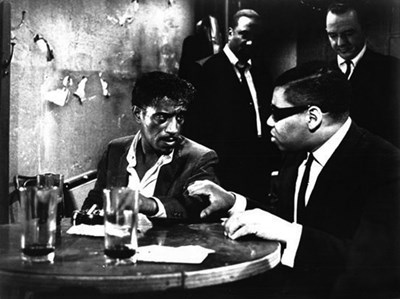
Last night on TCM, Caroline and I watched the 1966 film A Man Called Adam. In the introduction, host Eddie Muller mentioned that the film’s protagonist Adam Johnston, played by Sammy Davis, Jr., was based “very loosely” on Miles Davis. Muller didn’t mention that in 1966 Miles Davis was alive (if not well)[1] and had started a relationship with Cicely Tyson, who interestingly enough, plays Adam Johnson’s love interest.
The movie features Louis “Satchmo” Armstrong portraying a fictional character, Willie “Sweet Daddy” Ferguson. Ossie Davis, and Frank Sinatra, Jr. also co-star. In addition, Mel Tormé bops in for a number, which, for me, is the highlight of several superb musical performances, including one featuring Satchmo himself. Benny Carter composed songs for the movie and served as musical director and conductor.
Although some of the acting isn’t exactly topnotch (Frank Sinatra, Jr. was not nominated for an academy award), those above-mentioned performances, interesting racial dynamics, and its pivotal place in the timeline of civil right make the movie worth watching. It’s a period of transition: some characters look ‘50s with their skinny black ties, others ‘70s with afros and pointy sideburns. For the most part, white and blacks dig each other, whether they be musicians or audience members in the jazz clubs.
Adam, like Miles himself, is a demon-haunted trumpeter. Years before, he drunkenly crashed his car, killing his wife and child. In addition, society’s underlying racial injustice stokes his anger. He alchemizes this heartache and rage, blows them out of his horn in soaring, anguished, increasingly frenetic solos, syncopated banshee wails that can raise the hair on your arms (if you haven’t waxed them away).
Oh yes, he’s harassed by the police who want to see his arms, because, after all, being black is a sure sign of heroin addiction. Adam doesn’t take shit from anyone – though he does dump bulldozer loads on his agents, friends, and fellow musicians – and for a diminutive man gives the cops a fairly good fight.[2]
Ultimately, though, I don’t dig Adam. Genius, in my book, doesn’t excuse you from treating non-geniuses like lesser beings, doesn’t give you a license to shatter time-honored traditions of civilized decorum, not to mention nearly full whiskey bottles.
No, give me Louis Armstrong, who rose from poverty, did delinquent time at the Colored Waif’s Home in New Orleans, rose to prominence, became an international ambassador for jazz, but was no Uncle Tom. He called President Eisenhower “two-faced” and gutless” during Little Rock’s desegregation and cancelled a State Department tour to the Soviet Union. “The way they’re treating my people in the South, the government can go to hell,” he said as he pulled out of the show.
Anyway, if you’re into jazz or civil rights history, check it out.
[1] In ’66 Miles spent three months in a hospital because of a liver infection.
[2] Perhaps not coincidentally, Philip Marlowe, the protagonist of the noir 1953 novel I’m now reading, also gets worked over by the cops. Hmmmmm.
John Prine’s first album came out in 1971, the year I graduated from high school and entered college. I can’t remember if it was David Williams or Mitch Kellam who turned me on to it, but in any case, has a better debut album ever been released? I mean “Illegal Smile,” “Hello in There,” “Sam Stone,” and “Angel from Montgomery” all on the same record, a masterpiece.
What distinguishes Prine from most from most other songwriters is a combination of imagination and empathy. Like a talented fiction writer, he creates characters we care about and places them in a world that’s palpably real.
Take, “Hello in There,” a song about the loneliness of old age. The lyrics stand up remarkably well by themselves unaccompanied by music:
We had an apartment in the city
Me and Loretta liked living there
Well, it’d been years since the kids had grown
A life of their own left us alone
John and Linda live in Omaha
And Joe is somewhere on the road
We lost Davy in the Korean war
And I still don’t know what for, don’t matter anymore
Ya’ know that old trees just grow stronger
And old rivers grow wilder ev’ry day
Old people just grow lonesome
Waiting for someone to say, “Hello in there, hello”
Me and Loretta, we don’t talk much more
She sits and stares through the back door screen
And all the news just repeats itself
Like some forgotten dream that we’ve both seen
Someday I’ll go and call up Rudy
We worked together at the factory
But what could I say if asks “What’s new?”
“Nothing, what’s with you? Nothing much to do”
So if you’re walking down the street sometime
And spot some hollow ancient eyes
Please don’t just pass ’em by and stare
As if you didn’t care, say, “Hello in there, hello”
Not only could John do sad, he also could be really funny. Take “Illegal Smile,” for example.
When I woke up this morning, things were lookin’ bad
Seem like total silence was the only friend I had
Bowl of oatmeal tried to stare me down… and won
And it was twelve o’clock before I realized
That I was havin’ no fun
But fortunately I have the key to escape reality
And you may see me tonight with an illegal smile
It don’t cost very much, but it lasts a long while
Won’t you please tell the man I didn’t kill anyone
No I’m just tryin’ to have me some fun
Last time I checked my bankroll,
It was gettin’ thin
Sometimes it seems like the bottom
Is the only place I’ve been
I Chased a rainbow down a one-way street dead end
And all my friends turned out to be insurance salesmen
But fortunately I have the key to escape reality
And you may see me tonight with an illegal smile
It don’t cost very much, but it lasts a long while
Won’t you please tell the man I didn’t kill anyone
No I’m just tryin’ to have me some fun
Well, I sat down in my closet with all my overalls
Tryin’ to get away
From all the ears inside my walls
I dreamed the police heard
Everything I thought… what then?
Well I went to court
And the judge’s name was Hoffman
Ah but fortunately I have the key to escape reality
And you may see me tonight with an illegal smile
It don’t cost very much, but it lasts a long while
Won’t you please tell the man I didn’t kill anyone
No I’m just tryin’ to have me some fun
Well done, hot dog bun, my sister’s a nun
When John contracted the Virus, I figured that with only one lung, he was a goner, and sure enough, he’s a long gone daddy now. However, what a body of work he has left behind. If his debut self-titled album is the only one you know, check out this link from Billboard.
And I’ll leave you with this duet with Iris Dement before the YouTube people snatch it away.
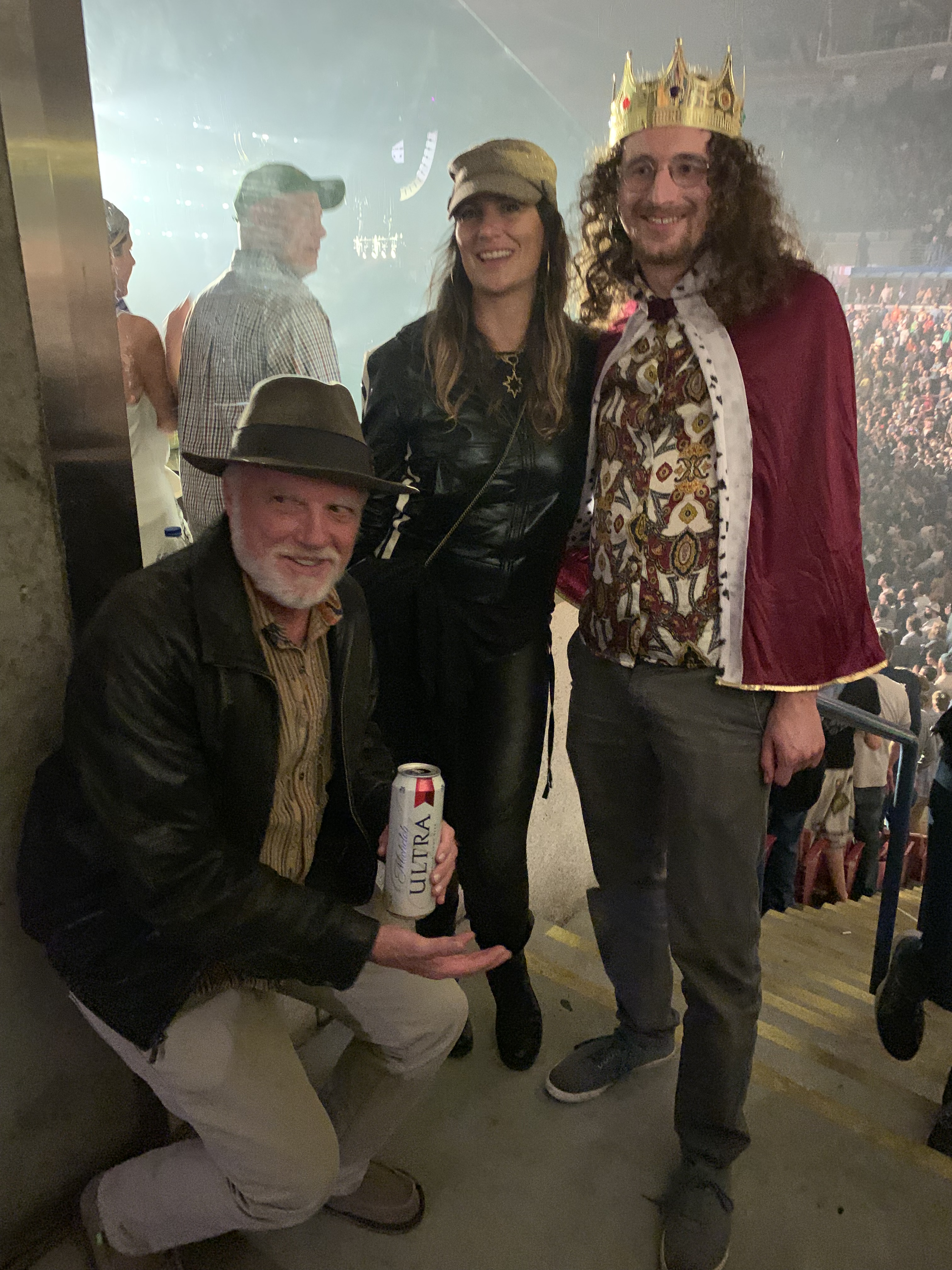
Last night at the Phish concert I met a young man named Will wearing a crown . We struck up a conversation on the floor of the ugliest arena this side of Vladivostok, the North Charleston Coliseum. Will asked me how many of Phish’s shows I’d seen. I said, “None, nada, not a fan.” Tongue in cheek, I told him that I was there in the capacity of a cultural anthropologist who studies cults. Smiling, he asked if I would like some chemical stimulation to aide in my explorations and whipped out a small wooden box containing a white chalky worm of a substance.
“What’s that?” I asked.
“LSD,” he said matter-of-factly.
In the mists of the previous century, I had dropped acid a few times, but it didn’t look like this stuff he was showing me. Back then it came in tabs. You put it on your tongue, and in the course of an hour, the people you didn’t particularly like appeared in your friend’s living room at a great distance, wee insignificant presences on the edge of a psychedelic horizon. To wax not very poetical, it fucked you way way up.
I declined his kind offer, and he looked genuinely disappointed.
This was King Will’s tenth show. He had left Birmingham, Alabama, at four a.m. and driven straight to the coliseum. I had expected, from what I’d read, to see a lot more people in costumes, and there were a few sparkly capes and a couple of medieval get-ups, but all in all, an ungracious un-plenty of dress-up. The audience consisted predominantly of white males in the mid-30s to mid-40s range.[1] Everyone I encountered — couples strolling by, customers waiting in line for $14 Bud Lite Tallboys, audience members jostling for positions on the floor — were incredibly well-mannered. I wish I’d kept a count of the number of excuse me(s) and sorry(s) I heard. The audience’s devotion to Phish, it seemed to me, had united them in a common ethos of let-the-good-times-roll hedonism, a communal mellowness that was quite pleasant.
Standing there in the throng of the sold-out arena, I thought of Trump rallies and the very different vibe of those mass gatherings. I imagined the cultists coming to see Trump, feeding on the communal buzz, having somehow been dosed with some low-wattage gummy bears, and instead of Donald J stalking on stage, out comes Phish singing a cappella “Nothing Could Be Finer Than to be in Carolina in the morning,” which, in fact, was their first song. How would the MAGA folk react? They would love it, I suspect. Sweet harmony.
After “Carolina in the Morning,” the band cranked into their stock-and-trade, jazzy improvisational forays into eclectic genres, funk, folk country, the blues, a cocktail mix of the Dead, Santana, Frank Zappa. Alas, I’ve never been into jam bands, the riffs outpacing my attention span, failing to hypnotize me, unlike the people up in the stands, who were swaying, smiling, singing along whenever a lyric would intrude on a solo.
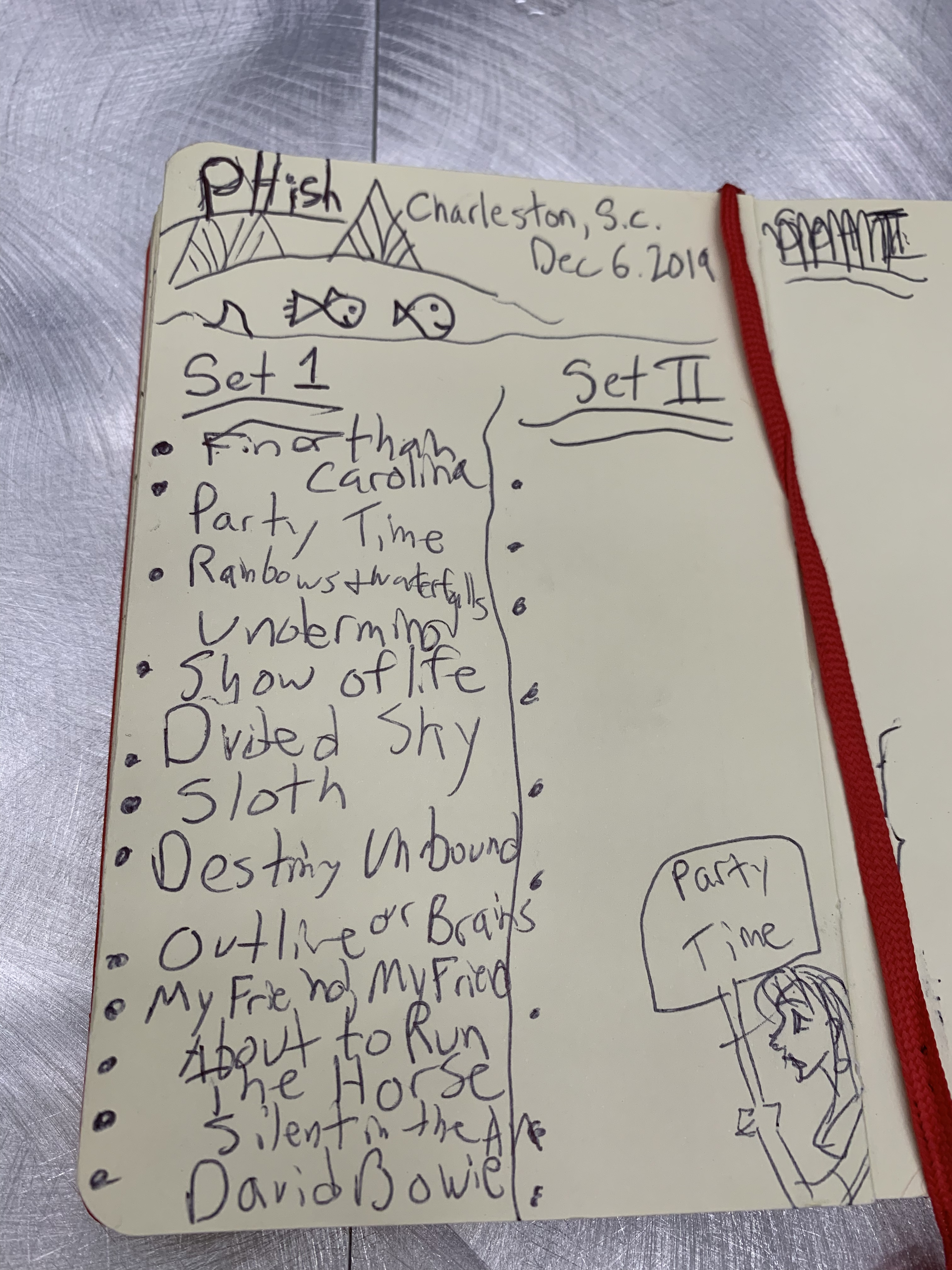
It’s genuinely a phenomenon, a cult of sorts, sold-out show after sold-out show, three nights in a row, completely fresh set lists, many taking in all three performances, an orgy of good vibes. Here’s the pre-intermission set list provided by a kind extrovert.
Me, alas, too damned cerebral, jotting down notes, my pith helmet blocking the strobe of a million-dollar lightshow, a stationary dot among the sway.
[1] I don’t recall seeing an African American among the audience.
Last night, Caroline, Brooks, and I attended Porter-Gaud’s Homecoming, and, of course, several people asked me how I liked retirement and what I was doing with my life.
Well, spending an inordinate amount of time screeching an ATT robots, listening to music manufactured by ATT for people on hold (martial drum machines, melodies based on the three signature tones of their branding, music certainly composed to encourage the holder to hang-up, if not take her own life). Oh yeah, and talking to American and Asian troubleshooters — all in vain.
It’s Kafka meets the Keystone Kops. You see, last Friday, my Internet went out. I glanced out of the window to see a backhoe gouging a hole in my yard. Subcontractors from Anson had come to repair what didn’t need to be repaired, severed the wire that conveys to me the digital world to which I’ve become hopelessly addicted.[1]
Because the two incompetent subcontractors didn’t “close the ticket,” I was left in limbo. I finally got a new ticket, an appointment set up on last Tuesday from 4 to 8 pm. I could track my technician, who at 8 am that morning had just left and at 8:30 pm had just left, the linear map on my screen having forever frozen him one stop from the dispatch center. Of course, he or she never showed. There had been “a computer glitch,” and because that ticket was invalid, other tickets that had been issued subsequently to other customers had to be honored. So they’re supposedly coming out next Tuesday.
In happier news, Caroline and I hosted our very first ever house concert featuring politico sibling singer songwriter Fleming Moore and the hugely talented Danielle Howle, who is going to be included in the Oxford American music cd featuring performers from the Palmetto State.
Here are some photos taken by another Lowcountry musician Stefanie Timmerman.
Fleming Moore
Danielle performing during a mud slide
George Alan Fox and I discussing the immense panorama of futility and anarchy that is contemporary history
Danielle take us away to some darker dilemma than the First World problems I whine about.
[1] Picture me as Miles Davis going cold turkey, trembling like a victim of Huntington’s disease, beaded sweat bursting into torrents, puddling the rug where I writhe in fetal position.
Ken Burns’ latest epic documentary Country Music is [cue embarrassed throat-clearing] educational.
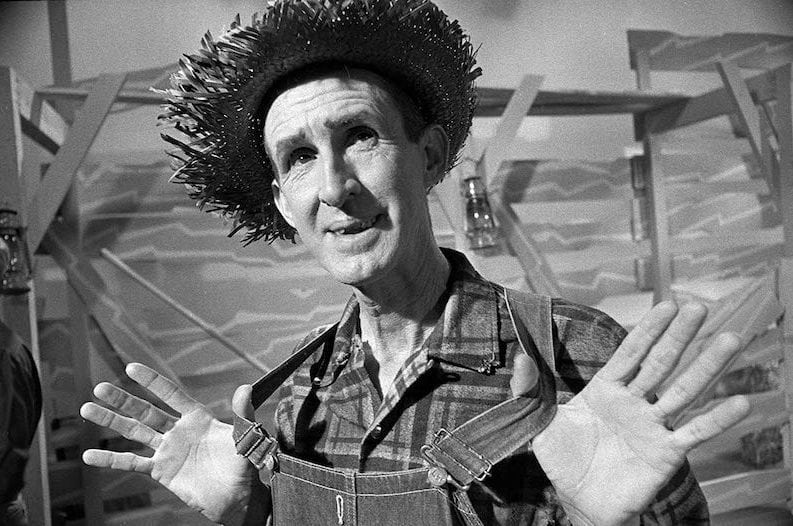
Of course, I’m well aware of the tradition of minstrel shows, but I didn’t realize that at the Grand Ole Opry (and less famous venues) white performers sometimes blackened their teeth, donned battered straw hats, and smoked corncob pipes to appeal to audiences, who, if you check out vintage videos, appear to be well-dressed and well-groomed. In other words, for whatever reason — nostalgia perhaps? — they embraced the stereotypes of impoverished hillbillydom.
Although I don’t remember my maternal great-grandmother, my mama told me that she smoked a corncob pipe, and her son, whom we, the grandchildren, called Kiki, suffered dental deficiencies that made some of those blackened-tooth hillbillies look like Eric Estrada. Although he spoke perfect grammar (albeit in a thick Dorchester county brogue), Kiki had to quit school in the third grade to work on the family farm. I remember visiting his sister Creesie, who, in fact, didn’t have indoor plumbing, though she did own a large, imposing, non-functional organ. I was absolutely terrified of roosters, and my scampering to the outhouse was a harrowing experience. You can read about it in detail here.
Kiki was a big fan of country music and performed himself as a young man in quartets. If I was at his house on a Saturday afternoon, I’d be subjected to about three straight hours of country and western on Channel 5, and I became slightly familiar with some of the artists featured in Burns’ documentary, for example, Little Jimmy Dickens, Ernest Tubb, Porter Wagoner, and Dolly Parton – all of whom I looked down at from the bridge of my freckled Scots-Irish nose.
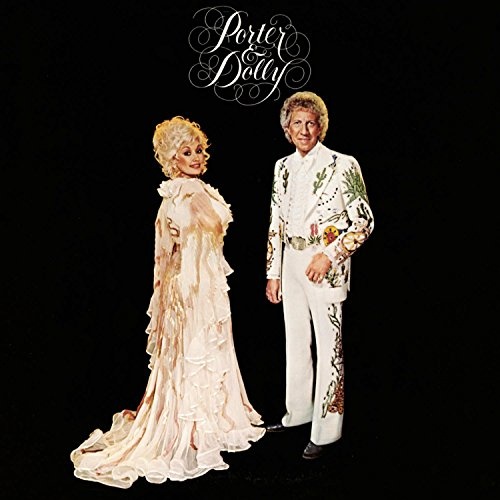
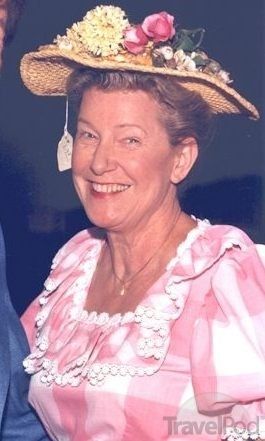
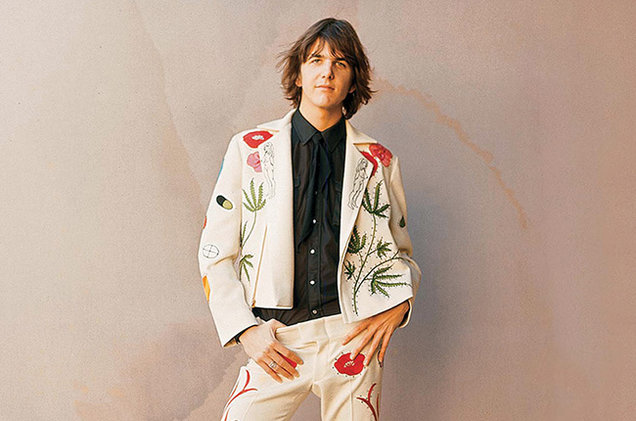
None of the above-mentioned performers chose to come off as impoverished hillbillies. Porter and Dolly had their suits made by Nudie Cohn, who also fashioned Elvis’s stage costumes. Minnie Pearl, of course, a caricature created by Sarah Ophelia Colley Cannon, wore gingham dresses and her signature straw hat with its $1.98 price tag attached, but she was a gentle satirist, and Minnie such a delightful persona that you couldn’t help but like her.[1]
At any rate, I’ve been able to overcome my childhood prejudice and now appreciate Hank Williams, Sr., Waylon and Willie, Steve Earle, Lucinda Williams, Emmylou Harris, Graham Parsons, Roseanne Cash, Dwight Yokum, and several other performers. The Burns documentary is introducing me to artists who had slipped through the canyon-like crevices of my spotty education.
Perhaps earlier in my life, these country stereotypes hit a little too close to home. Poor Aunt Creesie, poor Cousin Trim. We didn’t attend either one of their funerals.
[1] By the way, Sarah Ophelia Colley, who had a theater degree from Ward-Belmont College, purchased that famous hat in Aiken, SC.
The late great Gram Parsons sporting the coolest country costume of all time






 You Do Hoodoo