I Read the Obituaries Today, Oh Boy

At my age, with 2.7 billion heartbeats (and counting) above my belt and 26,598 days (and counting) marked off my calendar, I’m not surprised when I learn that one of my highschool classmates has departed for “that undiscovered country from whose bourne no traveler returns.”[1]

A couple of weeks ago, for example, news that my junior-and-high school acquaintance Roanld Pinkney had died appeared on Facebook.  Ronald was one of the pioneering Blacks who integrated Summerville schools years before wholesale integration. No telling what indignities he suffered in silence. I’ve likened these pioneering Blacks to Jackie Robinson, intelligent, thick skinned stoics courageous enough to subject themselves to abuse for progress’s sake. Ronald was a genuinely good guy, and I toyed with the idea of attending his funeral, but didn’t, of course, because I’m selfish.

However, this Wednesday when I turned to the obituary pages of the Post and Courier and saw the name Adam Martin Reiley Jacobs VII, I was taken aback. Although Adam and I lost touch after he was drafted and I left for college, he was one of my best friends in my last two years of high school. I often stayed at Adam’s house, or we’d hang for days at Jerry Locklair’s beach house across from the Washout. 

The thing is, even though I hadn’t seen Adam since his Uncle Sammy’s funeral a quarter century ago, I’ve been hanging out with him over the past few years because he’s the inspiration for the character Will Waring in my novel Today, Oh Boy. Perhaps that’s why I’m taking his death so hard.

Right now I’m in the process of writing a sequel to the novel set in 1972 when characters from Today, Oh Boy return to Summerville for Christmas after their first semester of college.[2] Will has just been drafted, has received orders to report to Fort Jackson in early January.  

Last Wednesday, the morning I learned of Adam’s death, I had just finished writing a scene where Rusty’s visits Will at his place. For Christmas, Rusty gifts Will his beloved blue jean jacket with the rolling paper icon Mr. Zig Zag silkscreened on the back. [3]  Will had openly coveted the jacket.

“Damn, Rusty, you scared me!”

“Sorry, man. I knocked, but those headphones make you as deaf as Helen Keller.”

Will stiffly rises from the sofa, and they shake hands.

“I guess you’ve heard the news,” he says.

“God, yes. I’m so sorry, man.  Whatcha gonna to do?”

“Bite the bullet.  I thought for a second about going to Canada, but I’m just gonna bite the bullet and hope like hell I don’t end up in Nam.”

Will looks – what’s the word? – haggard – though 20-year-olds aren’t supposed to look haggard.  In their friendship triad, it was always Will who preached chill to AJ and Rusty, chastising them for what he dubbed their “reel-to-reel anxiety.”

Rusty extends his arm that holds the present. “Merry Christmas!”

“Man, looks like whoever wrapped this was on smack.”

“Guilty but not guilty,” Rusty says.

Will removes the paper and sees that it’s the Zig Zag jacket. He pauses, holds it out at arm’s length to admire the silk-screening.

“Wow, man, thanks, but I can’t accept this. Though really appreciate the gesture.”

“But I want you to have it.”

“When I wear it, people behind me will mistake me for you.”

“So you’re planning on dying your hair red?”

“You mean like a dick on a dog?”

They both laugh.  

After Today, Oh Boy was accepted for publication, I worried that Adam might read it and get pissed off I had partially based Will’s character on him.  I worried that Adam might not appreciate the scene where he and AJ share a joint or how I portrayed his mother, a source of comic relief, though she’s really not his mother (and I find her sympathetic). 

There’s a bit of solace in that no one in the novel comes off worse than Rusty, the character based loosely on me. Wesley Moore III probably has the strongest case for a lawsuit. But the thing is, even though Rusty and I had red hair and both our parents smoked like fiends, he’s not really me. He’s much stupider than I was, but also much nicer.  When an interviewer once asked my pal Josephine Humphreys if any of the characters in her novels were based on her, she said, “No, but I sometimes let them wear my sweaters.”  I can relate.

When I posted news of Adam’s passing on Facebook, I was surprised by how people seemed to be moved by his death even though their constant refrain was “I haven’t seen him in 50 years.”

Here’s my brother David’s response, “This has affected me more than I would have thought.” Mutual friend Susan Wallace Hoppe, though she hadn’t seen Adam since the 1970s, wrote, “This death has really hit hard.”

Why? Why are we so moved by his death when he’s been absent from our lives for a half century? 

I believe it’s because Young Adam was handsome, charismatic, kind, modest and came to be a sort of icon in the early days of Summerville’s rather tepid counterculture.  He was an artist, a drummer, a rebel, a sympathetic friend.  In our minds, he’s the avatar of our youth, so to speak, a sort of immortal. But, of course, he wasn’t immortal. If dashing Adam is dead, we can’t be far behind. 

I was expressing all of these sentiments to my wife Caroline, and she said she thought that Adam would be grateful to be in the novel because he’ll come to life whenever someone reads the book.  

I don’t know if Adam would have liked Will, but I’d like to think so. I created him to be likable like Will. He’s, in a way, the most humane character in Today, Oh Boy. 

In fact, at least in the novel, I’d rather be Will than Rusty.

Anyway, goodnight, sweet prince.


[1] From Hamlet’s 3d soliloquy.

[2] Those of you who have read the novel will be happy to learn that Ollie Wyborn’s dream of attending the Air Force Academy has come to pass. 

[3] The jacket actually belonged to Tim Miskell, and Adam, who was an artist, had done the silkscreen.

A Spotty Religious Education

My mother’s people were Baptists, serious Baptists, no drinking, no playing cards on the Sabbath, no dancing, though where would they have danced in rural Orangeburg County if given the chance? Juke joints were devil dens. Maybe there were barn dances, but I doubt it.

On the other hand, my daddy’s people were indifferent Methodists. In the 19th Century, they must have been devout because my great-great grandfather Wesley, a Confederate foot soldier and later prisoner of war, named his son Luther, and I’m one of four descendants named Wesley in honor of the founder of the Methodist Church.

However, by my grandfather’s generation, none of the Moores I know of attended church. We did pray, mumbled the same rote grace every meal, but otherwise, the only time God’s name was uttered in our house, it was taken in vain by my father in anger.

Other families I occasionally ate with might ad-lib their blessings, mentioning current events, family members, and on one occasion, me, which made me feel somewhat uneasy for whatever reason. Obviously, praying was meaningful to them, an attempt at communication with the Lord rather than the empty abracadabra lip service we recited at our dinner table.

For a year or two, when I was eight nine, my mother, my brothers, and I sporadically showed up at Summerville Baptist Church where my grandmother Hazel worshipped. Pathologically shy, I despised going because I felt out-of-place, like an intruder; plus the place smelled strange, chemically odd, like they overdid the disinfectant. I’d much rather been at home smelling stale cigarette smoke dreading Monday reading the funny papers.

My mother wasn’t enamored with Summerville Baptist, yet sought a spiritual haven, so she joined St. Paul’s Episcopal Church, willing to be tarred with the accusation of being a social climber. So here I was again intruding in a strange place of worship, this one with ritualistic recitations, head-bowing, and kneeling that were alien to me. But Mama was serious this go around. She signed me up for confirmation classes. 

I hated being two years older than the other confirmation students, yet once I started attending, I did learn the basics of Judeo-Christianity, that the Old Testament was a covenant between God and Moses, and the New Testament a covenant between God and us mediated by his only begotten son. We had to memorize the names of the books of the Torah and the names of the first six books of the New Testament. I scored a 100 on the exit exam, was confirmed, and became a member of St. Paul’s. 

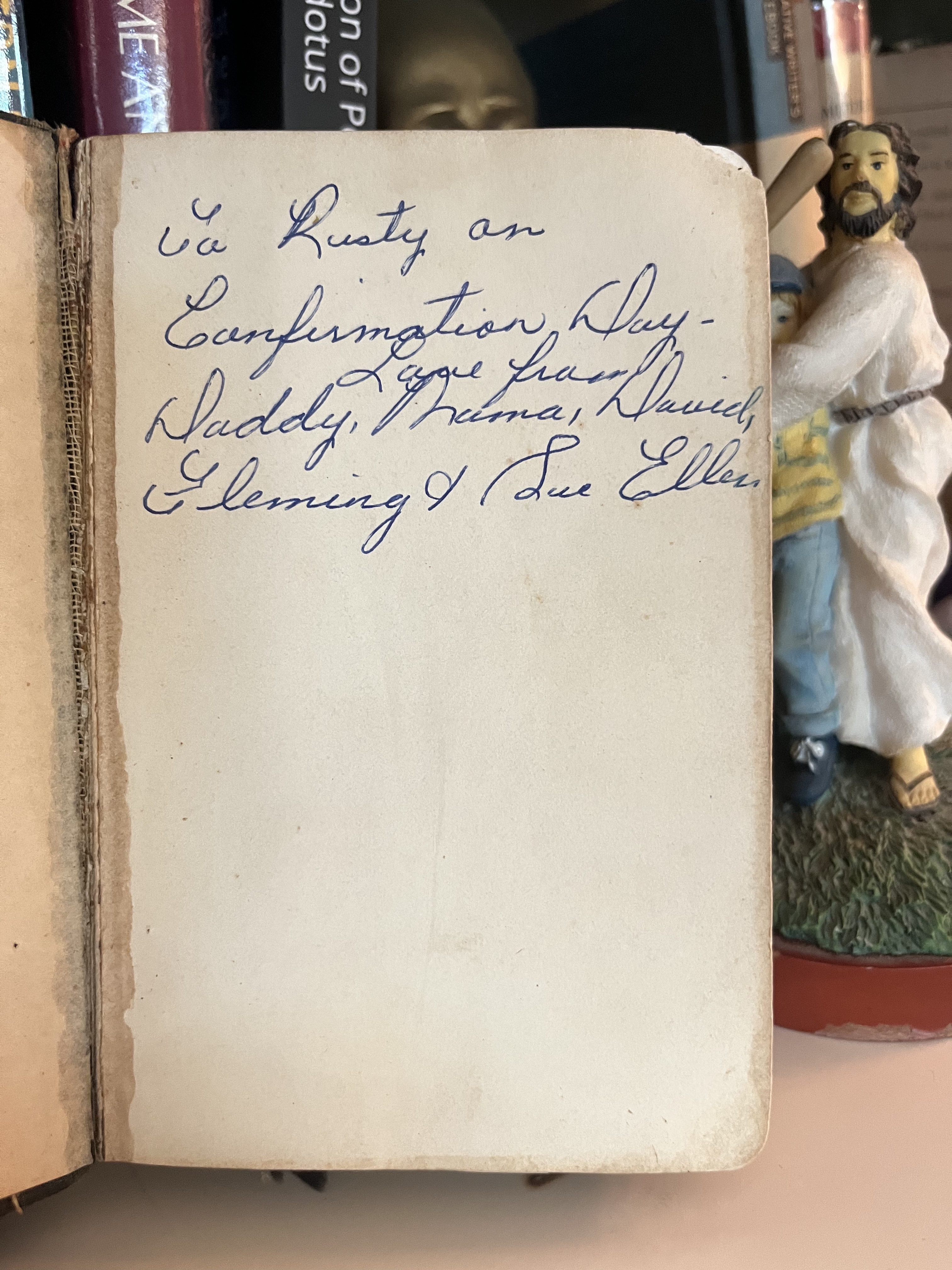
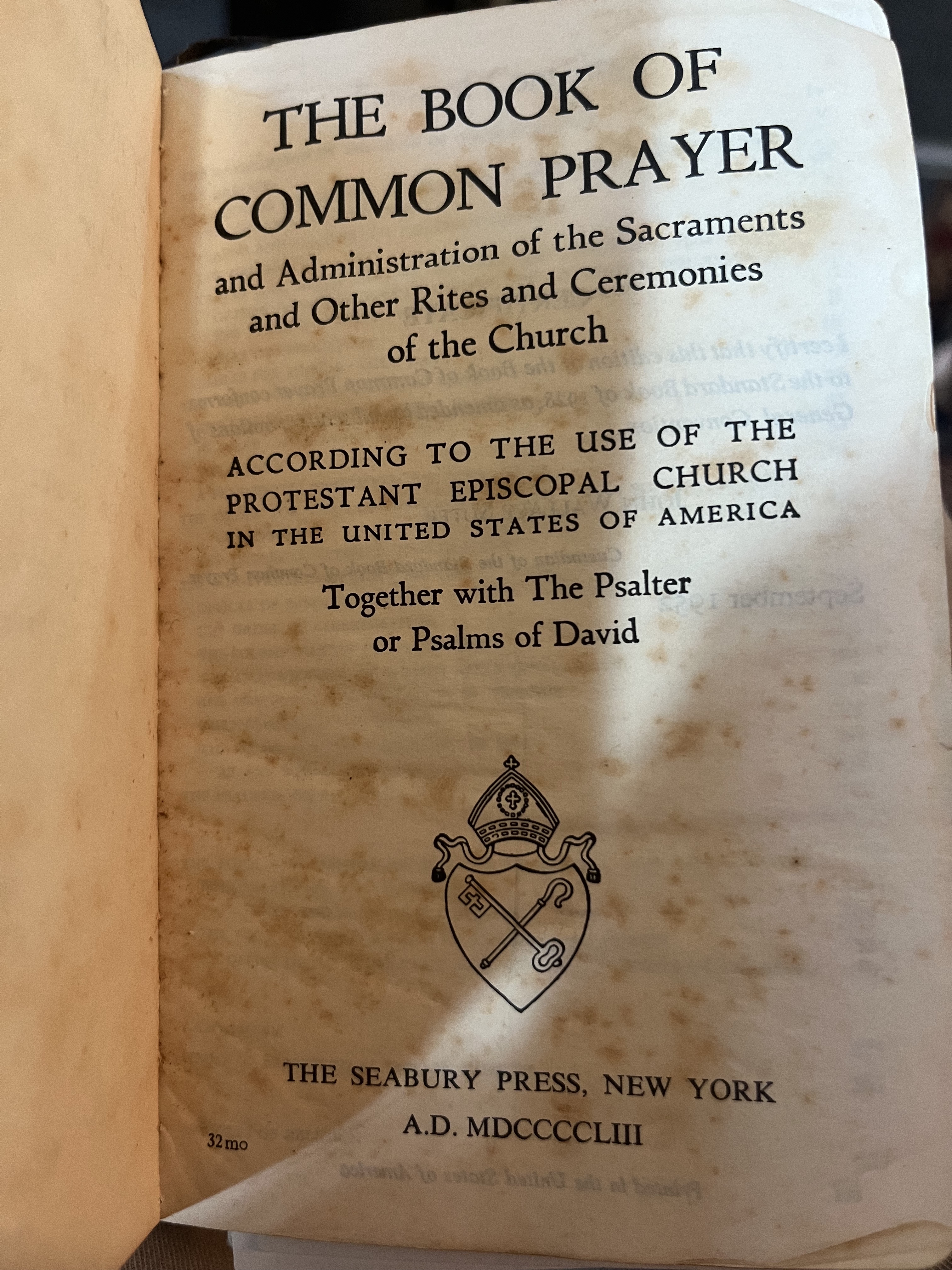
Back then, we used the 1928 version of the Book of Common Prayer which employed Jacobean English, and because of my uncanny ability to retain verse, song lyrics, and in this case liturgy, in a few years I could recite “The Order of Morning Prayer” by memory.[1]  

Here’s my favorite ditty from the Rite of Holy Communion: “If any man sin we have an Advocate with the Father, Jesus Christ the Righteous, and he is the Propitiation for our sins.”

Has a ring to it, doesn’t it.

Anyway, once I became an adult and married Judy Birdsong, who had been a Young Lifer in high school, lost her religion at Presbyterian College in Clinton, SC, “a small Christian College for small Christians,” as Judy used to say, I bid adieu to Christianity. 

We had our two sons baptized, but other than a short two-month stint at Sullivan’s Island’s Church of the Holy Cross when the boys were five and six, we didn’t go to church. However, they did attend Porter-Gaud, an Episcopal School, and sat in chapel every other week. 

My cousin Zilla, my great aunt Ruby’s daughter, an incredibly nosy and outspoken Baptist, once asked me if I had seen to my sons’ spiritual needs, and I could honestly say they frequently attended services at their school.

As I’ve written more than once, I envy people blessed with faith. It must be an enormous comfort, especially in the waning days of the American Empire.

O God, the Father of Our Lord Jesus Christ, our only Saviour, the Prince of Peace; Give us grace seriously to lay to heart the great dangers we are in by our unhappy divisions. Take away all hatred and prejudice, and whatsoever else may hinder us from godly union and concord.

Amen!


[1] This “uncanny ability” of memory doesn’t, alas, kick in with people’s names. 

Unjoyful Noises

A dozen years ago when I chaired Porter-Gaud’s English Department, I received a parental email so shrill it made a banshee keen sound like Barry White love talking. 

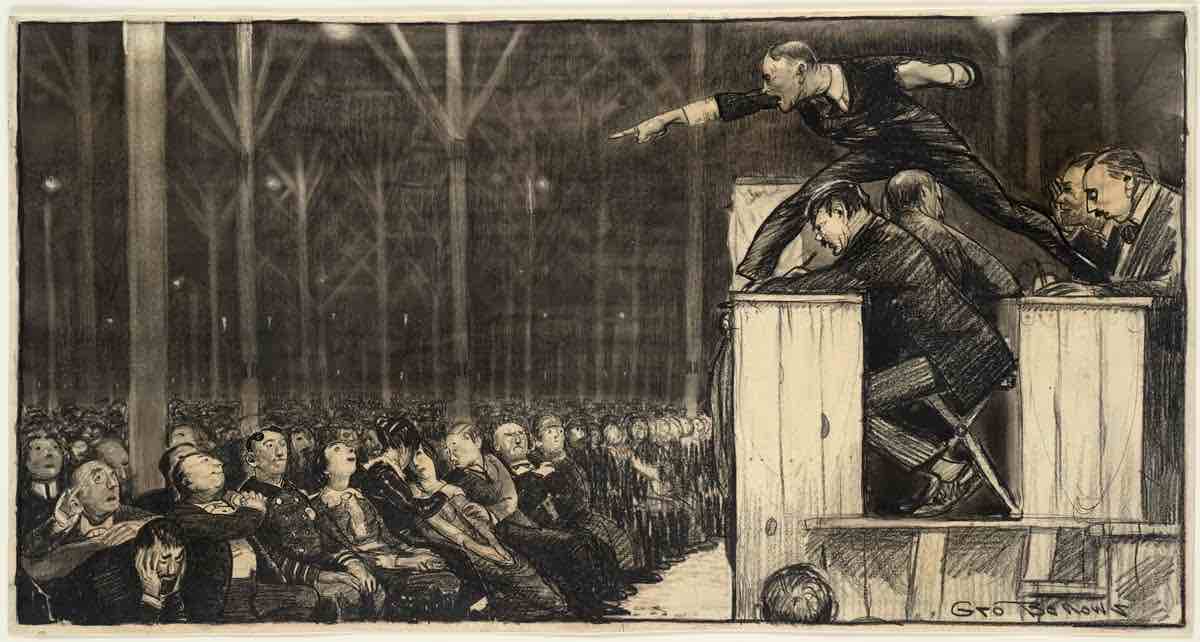
One of my colleagues in the New Testament unit in 8th grade English had assigned the Gospel of Thomas, a compilation of “Jesus sayings” declared heretical by the early Church Fathers Origen and Hippolytus of Rome. Here’s an example:

His disciples said: On what day will you be revealed to us, and on what day shall we see you? Jesus said: When you unclothe yourselves and are not ashamed, and take your garments and lay them beneath your feet like the little children (and) trample on them, then [you will see] the Son of the Living One, and you will not be afraid.

Gospel of Thomas Saying 37

Anyway, this email (which I long ago deleted) seemed to have originated from the windblown sands of ancient deserts, the Land of Thou Shall Not, the land where graven images are taboo, where Jezebels are stoned to death. The email actually contained this suggestion: “(see Origen).”[1]

* * *

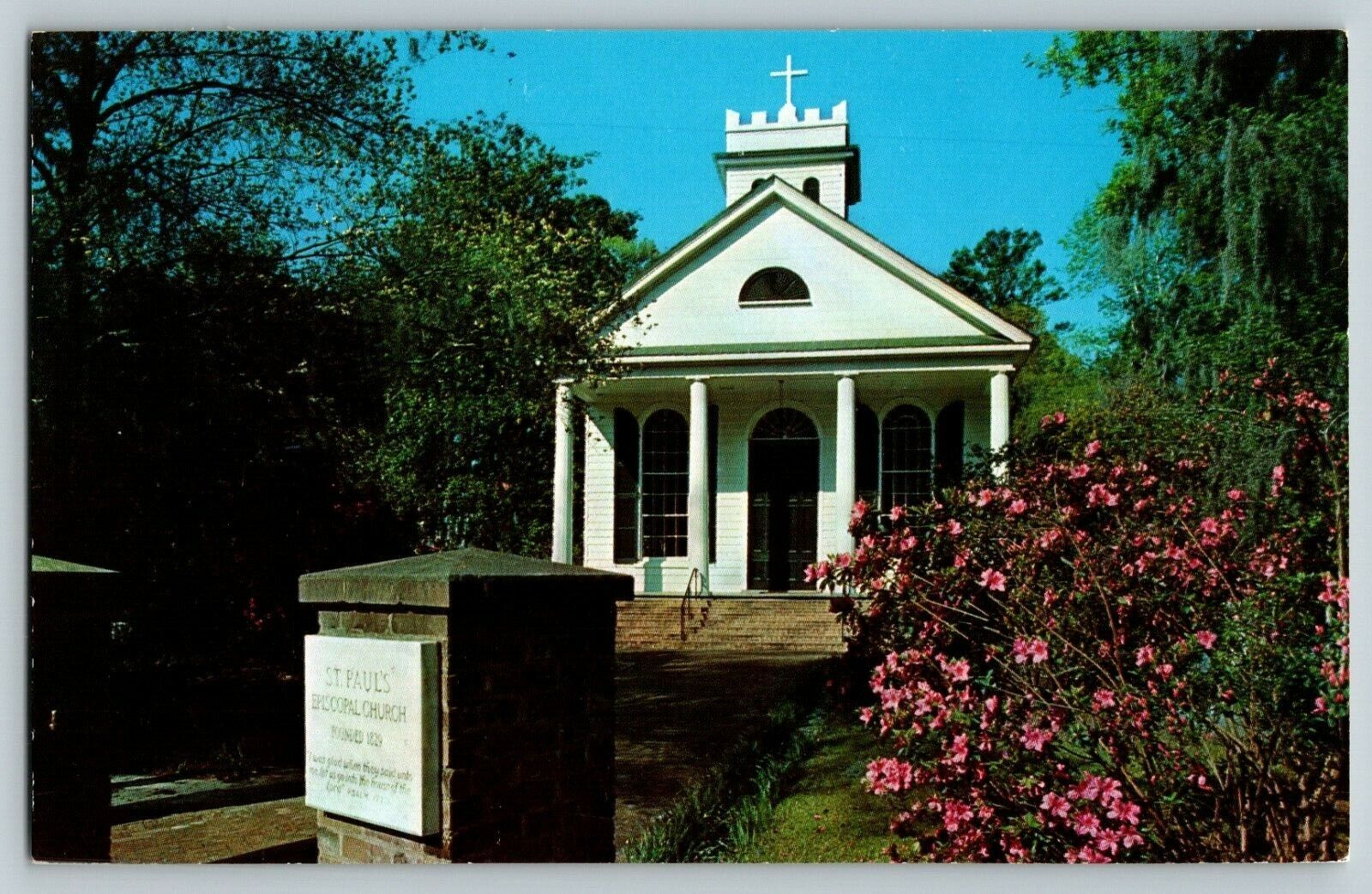
On the Monday morning after my confirmation c. 1964, Bishop Gray Temple administered to me my first communion in the church pictured above, and my fellow communicates and I breakfasted afterwards with the Bishop and my parish priest Steve Skardon at the (unfortunately named but elegant) Squirrel Inn in Summerville, South Carolina.  The ritual had seemed (sort of) holy to me, and at breakfast the men wearing the collars were not in the least bit patronizing.  They were literally gentle men.  Afterwards, Father Skardon dropped me off to school.  He respected my father, who was not a gentle man, who saw the world much differently than Father Skardon, but my father respected Steve as well. In fact, the last time I saw Father Skardon was at a wedding in Florence in 1977, and the first thing he asked me was how my father was doing.

He and Gray Temple possessed a quiet confidence.  The sins of the flesh that they knew we would commit in the next few years did not terrify them. The Gospel Of Thomas did not enrage them.  They understood Thomas was an alternative text that shared roots with the canonical gospels in that long process from word of mouth into writing.  They understood that Yahweh-Nazarene-Ghost did not literally oversee translations from Aramaic to Greek nor guided the hands of scribes throughout the centuries to insure no deviation of the texts.  They possessed imaginations. They had embraced the Enlightenment and understood that myths can convey the most profound truths. In other words, they understood that the Bible was not literally true.  If asked if Augustus Caesar ever decreed that you had to travel back to your hometown to be counted in a census, they would have said no, that was an invention to establish Jesus in the line of David, etc.  

And, I suspect, they realized that despite their canonizations, Origen and Hippolytus of Rome, were, not to put too fine a point on it, fanatical to the point of insanity, and that it would not be such a good idea to have their millennium-old decrees dictating 21st Century curricula.

***

Steve Skardon

Not long after my first communion, I witnessed a remarkable act of courage, Father Skardon preaching integration to a seething segregationist congregation. 

Although I stupidly held my father’s bigoted viewpoint at the time, this man standing before a hostile audience pronouncing what was heresy to them made a profound impression on me.  I am ashamed now to admit that I didn’t like what he was saying – that Blacks deserved the same social and political rights that whites possessed – but his demeanor as he calmly faced those angry parishioners profoundly affected me: Summerville’s own Atticus Finch.

Having a half-Baptist family, I felt much more comfortable at St. Paul’s than at Summerville Baptist, where the carpets were blood red and the smell antiseptic.  St. Paul’s offered the redolent pleasures of candle scent; Chanel No. 5; and the occasional exhalation of last night’s Makers Mark, the somewhat sweet but unpleasant odor of sin.  Our Church League Basketball team had the words “Episcopal Fifths.” on our jerseys. Father Skardon did not seem to mind.  

Those harsh life-negating deserts of origin/Origen seemed thousands of years and thousands of miles distant.  The liturgy and accompanying rituals were life affirming.  The sermons tolerant, forgiving.  The cerebral cortex (logical discourse) rather than the brain stem (babbling in tongues, etc.) held precedence.  

After all, we lived in a semi-tropical climate.


[1] Origen, a 3rd Century Christian scholar, is the poster Eunuch for taking Biblical texts too literally, e.g., “there are eunuchs who have made themselves eunuchs for the sake of God.” Or, to put it another way, “if thy right eye offend thee, pluck it out and cast it from thee.” To cut to the chase, both his left and right testicles offended him, so he castrated himself or had a friend castrate him. Origen had condemned the Gospel of Thomas, as heresy hence the suggestion to consult his writings. 

Smoking Pot, Weed, Reefer (Whatever You Wanna Call It) in the Bad Ol’ Days

Smoking Pot, Weed, Reefer (Whatever You Wanna Call It) in the Bad Ol’ Days

I started out on Burgundy

But soon the harder stuff.

Dylan, “Just Like Tom Thumb’s Blues”

In the fall of 1970, I abandoned the friend group I’d embraced since kindergarten and Cub Scouts to become a member of Summerville’s small but growing counterculture.[1]

Rather than going to football games on Friday nights, my new friends and I started hanging out at an apartment, swapping stories, and drinking Old Milwaukees in fourteen-ounce cans.[2]

Sometimes, we’d head out to the Clay Pits, an abandoned heavily wooded former phosphate site, and do essentially the same thing, except under the stars and around a campfire. We had all grown up in the Southern tradition of storytelling and were learning how to practice the art ourselves.  

We sported bellbottoms, wide flowery woven belts, dingo or desert boots. We boys had hair longer than the dress code allowed, and occasionally we’d get sent home from school to get it cut. Our girlfriends could grow their hair down to the waists but weren’t allowed to wear pants to school, so miniskirts became all the rage.

Hippies gotta do what hippies gotta do.

Eventually one of us, probably Gordon, purchased a nickel of skank-ass seeds-and-stems from some Middleton High surfer dude. Back then, Summerville was so small that if you went down to the Piggly Wiggly and bought a pack of rolling papers, the checkout lady was liable to tell your mama. So, we ended up rolling our first joints in Juicy Fruit chewing gum wrappers.

Sad? Pathetic? Comical?

I’d never even smoked a cigarette, so I didn’t know how to inhale. I sort of gulped the smoke in swallows. Of course, I didn’t get high, but I did suffer stomach distress the next day that had me bending over in pain as I attempted to rake some wealthy people’s expansive yard for pay. It was a weekly October Saturday gig.  I dreaded it so much it gloom-shadowed my Friday nights.

I didn’t have to burn the leaves but merely haul them to the edge of the woods that bordered their house. On that day, after I had dumped a load of leaves onto an established waist-high pile, I lay down on top it, clutching my stomach, eventually rolling on my back, lying there, looking up, closing my eyes, following the sun-spawned blobs of color floating in greyness.

“Rusty!”

It was the woman, the homeowner, I don’t remember her name.

“Rusty, what are you doing?”

I told her I had a stomachache. She commanded I get back to work, which I did. This was before I could drive, so my mother picked me up at four. When the lady paid me, she told me my services were no longer required. She said it pleasantly.

I think she paid me something like two dollars for four hours work, so I was happy about getting dismissed. I’d rather collect cast away Coke bottles on the side of the road for deposits than suffer the Sisyphean labor of raking her yard and coming back the next week to see it again blanketed and to do it all over again, to have the onus of the obligation weigh me down on Friday nights.

Mary Jane had set me free.[3]


[1] Summerville, South Carolina. Population 1970, around 3,000

[2] I could barely force two beers down at first. I hated the way it tasted and sometimes even surreptitiously poured out a swallow or two. I’d get slightly buzzed but never really drunk.

[3] Mary Jane is the lamest of all cannabis sobriquets in my esteemed opinion.

A Relatively Modest (If I Say So Myself) Promotional Article on My Just-About-to-Be- Published Novel “Today, Oh Boy” in Which I Compare It to Joyce’s “Ulysses” and the Paintings of the Flemish Master Pieter Breughel the Elder[1]

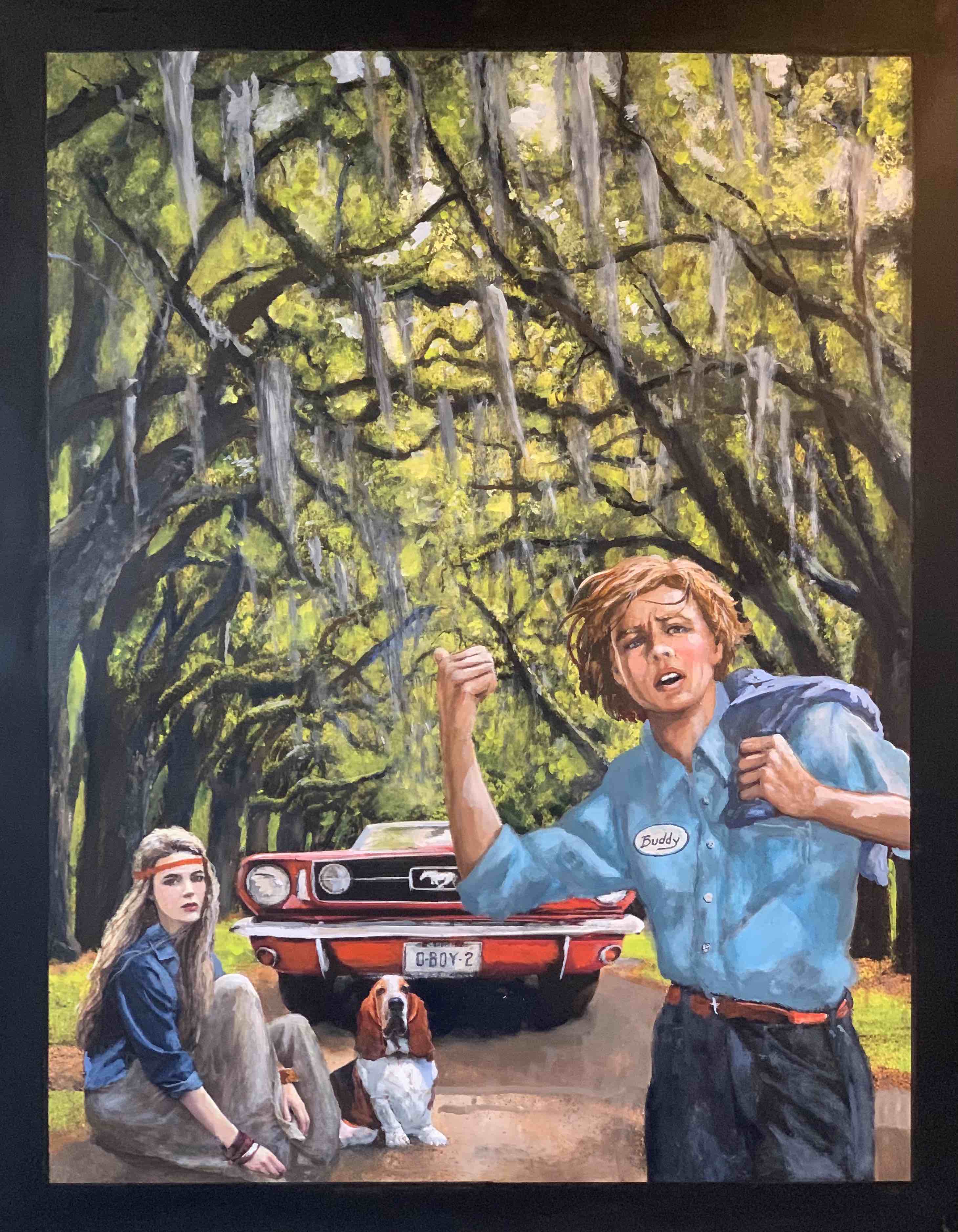
Painting of the cover of Today, Oh Boy by David Boatwright

My novel Today, Oh Boy, which is supposed to appear in early September of 2022, takes place during the daylight hours of Monday 12 October 1970 in Summerville, South Carolina. The title comes from the Beatle classic “A Day in the Life” as does the epigraph of Book 1, “Surfaces” –

And though the news was rather sad
Well, I just had to laugh.

Here are the first couple of paragraphs:

A mango-hued, pockmarked bulletin board hangs on a classroom wall of pale lime green concrete blocks, the bulletin board pencil-stabbed and compass point-gouged. Among the graffiti are the names of the star-crossed lovers: Sandy + Tripp. Tragic Tripp, whose body was found last week tangled in blackberry bushes along the banks of the Ashley River, his skull smashed after falling off Bacons Bridge.

S-A-N-D-Y + T-R-I-P-P.

Rusty Boykin, a skinny, freckled redhead sitting on the bulletin board row in Mrs. Laban’s homeroom, traces his index finger in the depression of Sandy’s name. He supposes it’s Tripp’s work – the letters inartistic, juvenile. Sandy hasn’t been to school since Tripp’s death, four class days ago, and now it’s Monday, and she’s still not here. She should be sitting right in front of Rusty, her honey-colored hair hanging like a curtain to her waist.

For Rusty and his friends Alex Jensen and Will Waring, Tripp’s death, though “rather sad,” is less than heartbreaking because he was a belligerent bully with a ferocious temper. Despite that the word “tragic” appears in its second sentence, Today, Oh Boy is a comic novel.

Now, no way am I comparing this trifle of mine to Joyce’s Ulysses; however, I got the idea of writing it after listening to a 38-cd audio version of Joyce’s novel, that is, the idea of writing a novel that features one day in the life of a community with a wide cross-section of citizens. The chapter of Ulysses that especially intrigued me has come to be known as “Wandering Rocks.”

Here’s Julia Galeota’s summary from the Yale University’s Campus Press website:

“The Wandering Rocks,” the tenth episode of James Joyce‘s Ulysses relates the activities of citizens in the streets of Dublin between three and four o’clock. Composed exclusively of nineteen short vignettes that feature collectively nearly all of the characters of Ulysses, this tenth of Joyce’s eighteen episodes “is both an entr’acte between the two halves and a miniature of the whole” (Blamires 93).

Here’s a snippet, the last paragraph of “Wandering Rocks”:

Thither of the wall the quartermile flat handicappers, M. C. Green, H. Thrift, T. M. Patey, C. Scaife, J. B. Jeffs, G. N. Morphy, F. Stevenson, C. Adderly, and W. C. Huggard started in pursuit. Striding past Finn’s hotel, Cashel Boyle O’Connor Fitzmaurice Tisdall Farrell stared through a fierce eyeglass across the carriages at the head of Mr E. M. Solomons in the window of the Austro-Hungarian viceconsulate. Deep in Leinster street, by Trinity’s postern, a loyal king’s man, Horn-blower, touched his tallyho cap. As the glossy horses pranced by Merrion square Master Patrick Aloysius Dignam, waiting, saw salutes being given to the gent with the topper and raised also his new black cap with fingers greased by porksteak paper. His collar too sprang up. The viceroy, on his way to inaugurate the Mirus bazaar in aid of funds for Mercer’s hospital, drove with his following towards Lower Mount street. He passed a blind stripling Opposite Broadbent’s. In Lower Mount street a pedestrian in a brown macintosh, eating dry bread, passed swiftly and unscathed across the viceroy’s path. At the Royal Canal bridge, from his hoarding, Mr Eugene Stratton, his blub lips agrin, bade all comers welcome to Pembroke township. At Haddington road corner two sanded women halted themselves, an umbrella and a bag in which eleven cockles rolled to view with wonder the lord mayor and lady mayoress without his golden chain. On Northumberland and Landsdowne roads His Excellency acknowledged punctually salutes from rare male walkers, the salute of two small schoolboys at the garden gate of the house said to have been admired by the late queen when visiting the Irish capital with her husband, the prince consort, in 1849, and the salute of Almidano Artifoni’s sturdy trousers swallowed by a closing door.

And my pale imitation:

On the north side of South Carolina Highway 17-A just around a curve from a two-story high school, a redheaded sixteen-year-old boy in a silk-screened blue jean jacket walks backward with his thumb thrust out. Inside the school, another sixteen-year-old boy, this one dark-haired and wearing wirerimmed glasses, translates a passage from Don Quixote. A mile and a half to the east as the crow flies, a basset hound[2] with a red collar zigzags his way toward Bacons Bridge Road, a route that merges with Highway 61, crosses the Ashley River, then runs parallel to the river through a scenic tunnel of moss-draped oaks where antebellum plantations and gardens attract tourists in the spring. Meanwhile in one of the growing housing developments just outside the quaint town of Summerville, a middle-aged woman in a pink robe fills a tomato-stained glass with tap water and leaves it in the sink. Back at the school, a younger, plumper woman chastises a hyper Jewish kid with braces. Another set of ancient oaks embower a driveway where a maroon VW bus and a white VW bug follow one another out onto Carolina Avenue in the verdant heart of Old Summerville. Back at the school, two students are putting their art supplies away in anticipation of the end of class while a red Mustang hurtles in the opposite direction of—and past—the redheaded hitchhiker. The Mustang slams on brakes, does a screeching, tire-smoking 180, and slides to a stop in the opposite lane. Startled, the redheaded boy does a nervous little Chaplinesque dance as electricity whiplashes in a rush up his spine. He suddenly realizes that it’s her car, hears her New Jersey accent calling his name, asking him where he’s headed, inviting him to hop on in, and he begins to run toward the passenger side door. Around the curve at the school, a series of electric bells go

RRRRRRRIIIIIIIIIIIIIIIINNNNNNNNNG!!!

and a tall, slender math student picks up her things to head to English while on the first floor directly under her classroom, an orange-haired typist clumsily removes a sheet of onion paper from a typewriter that has seen better days.

A couple of pre-publication readers, the brilliant Cintra Wilson the most prominent, complained that despite that the novel’s funny and stylistically sophisticated, it suffers from an overload of characters and too many sudden shifts, though sudden shifts shouldn’t, I would think, bother readers who grew up on Sesame Street. After all, Book 1 is called “Surfaces,” which attempts to provide portraitures of the classes of people who made up Late 60s Summerville High – jocks; a handful of selected African Americans; college prep kids, non-college-bound home economics, shop, and agriculture students; a small but ascendant number of “hippies;” and the teachers who taught them – which brings to mind the paintings of my artistic hero Pieter Breughel the Elder who overloaded his canvases with a glut of personages. You could also say that about my Photoshopped faux paintings.

At any rate, I hope you buy the novel and more importantly enjoy it. We’re in the process of planning a launch at Buxton’s Books and hope to have events at independent Summerville bookstores as well.


[1] I must have fallen asleep during the writing-workshop lesson on crafting brisk, attention-grabbing titles. By the way, in case you suffer from Irony Deficiency, that I used a first-person pronoun four times in the title playfully suggests that the article will not be modest.

[2] The basset hound, Hambone Odysseus Macy, is off on an epic adventure of his own. He’s later picked up from the side of the road by Alex Jensen who rechristens him Mr. Peabody after the erudite dog from the Bullwinkle cartoon. References to comic figures abound in the novel. In fact, one of the teachers, Colonel Claude Toby Dukenfield, shares the same name with WC Fields, on whom he based.


His Town, My Town, Our Towns

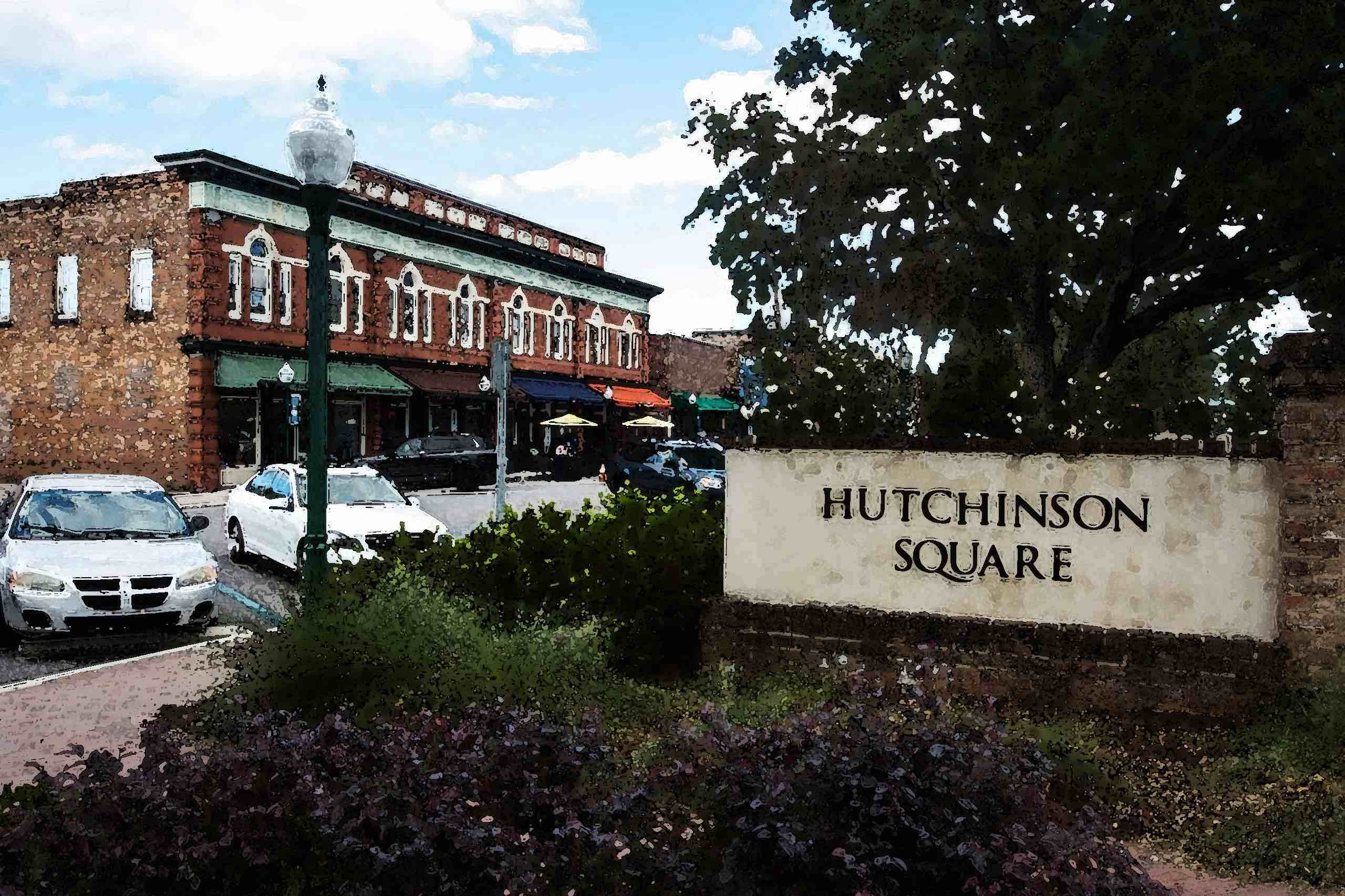
What a wonderful stroke of luck to be born and grow up in a quaint town like Summerville, South Carolina, with its verdant, lush, flowery neighborhoods and old-fashioned downtown one-story shops and cafes. Of course, nowadays, the nowhere-that’s-everywhere sprawl of Walmarts, strip shopping centers, and hotel chains have grown outward from the town proper, creating traffic tie-ups and spritzing stress. Nevertheless, to live in the Old Village, on Sumter[1] Avenue, let’s say, is to reside in a lovely neighborhood that hasn’t changed significantly in nearly a century. Perhaps terrestrial and architectural beauty counteract humans’ inherent inclination to seek adventure because many natives spend their entire lives in Summerville.

408 Sumter Avenue

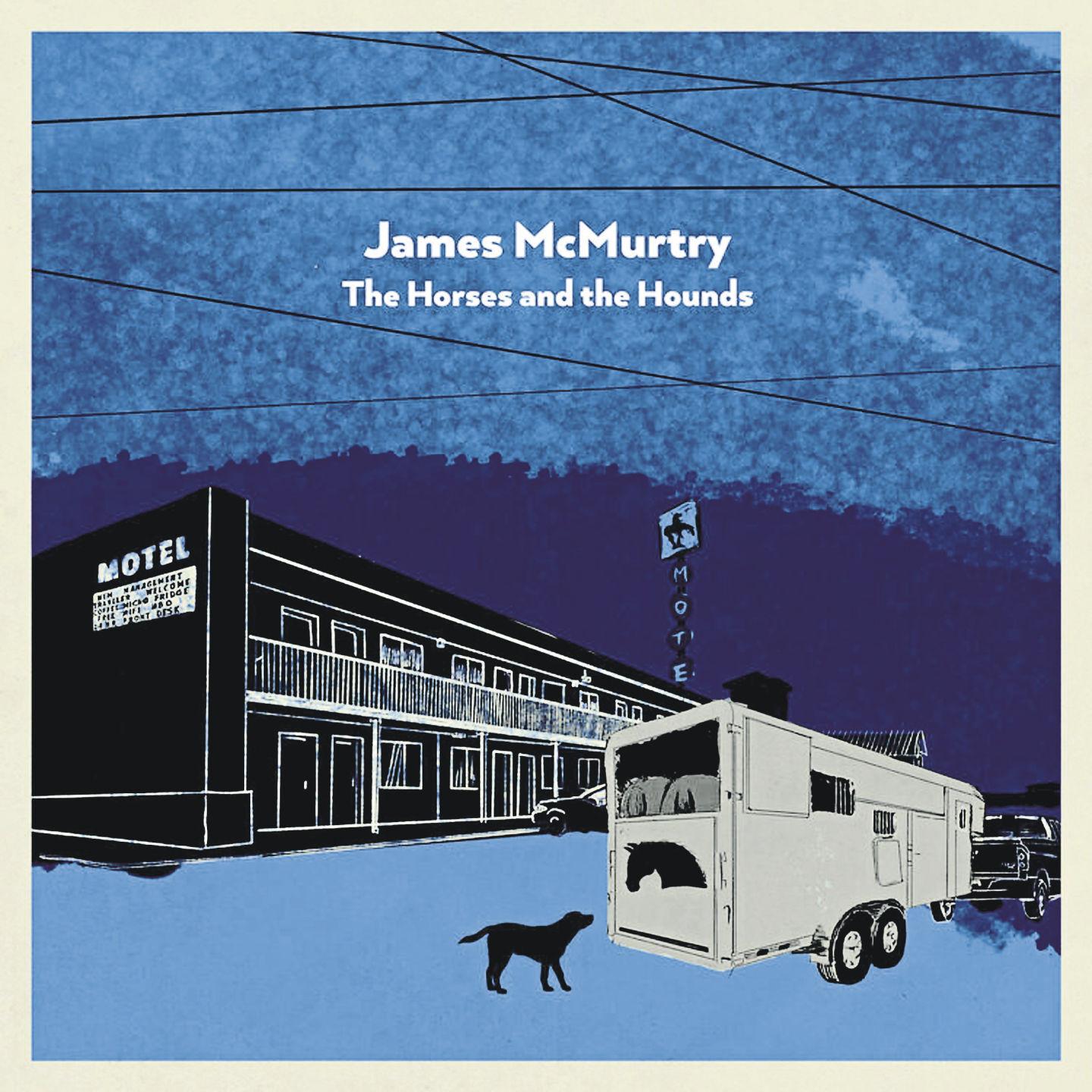
These thoughts have come to me this gorgeous May 11th after listening to Robert Earl Keen’s cover of James McMurtry’s minor masterpiece “Levelland,” an anti-ode that dismisses an uninspiring town in west Texas. McMurtry was born in Fort Worth and grew up for the most part in Leesburg, Virginia, the son of the celebrated novelist Larry McMurtry.[2]  Nevertheless, his first-person narrator comes across as a living, breathing human being born and bred in an American wasteland.[3]  Unlike the unrestless denizens of Summerville, he can’t wait to get the hell out of a town that makes Dodge look like an oasis of cultural richness.

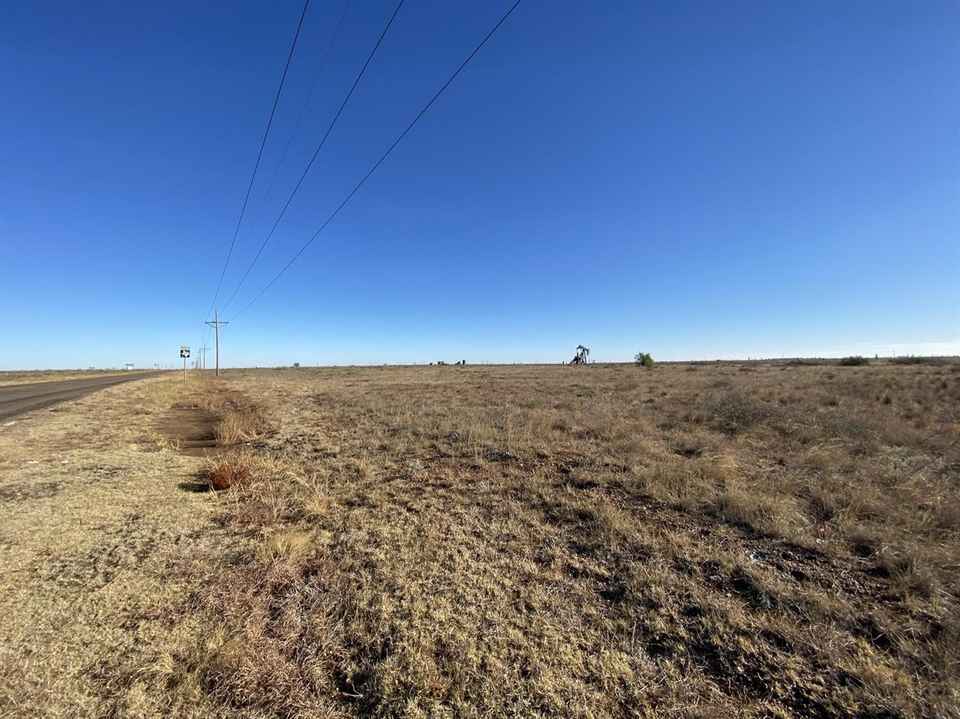
from a real estate ad for land for sale in Levelland, TX

Here’s the first stanza:

Flatter than a tabletop
Makes you wonder why they stopped here
Wagon must have lost a wheel or they lacked ambition one
On the great migration west 
Separated from the rest
Though they might have tried their best
They never caught the sun
So they sunk some roots down in the dirt 
To keep from blowin’ off the earth
Built a town around here
And when the dust had all but cleared
They called it Levelland, the pride of man
In Levelland.

What follows is a family history fraught with agricultural hardship and the depletion of the land, his grandaddy growing “dryland wheat,” his daddy growing cotton “so high” that it “sucks the water table dry” while “rolling sprinklers circle round bleedin’ it to the bone.”

He’s seen jets flying overhead and has promised himself he won’t be in Levelland when the soil “dries up and blows away.”

In Keen’s rendering, the last stanza ends in an insistent heroic thrust as the narrator engineers his escape.

Mama used to roll her hair
Back before the central air
We’d sit outside and watch the stars at night
She’d tell me to make a wish
I’d wish we both could fly
Don’t think she’s seen the sky
Since we got the satellite dish and
I can hear the marching band
Doin’ the best they can
They’re playing “Smoke on the Water”, “Joy to the World”
I’ve paid off all my debts
Got some change left over yet and I’m
Gettin’ on a whisper jet
I’m gonna fly as far as I can get from
Levelland, doin’ the best I can
Out in Levelland – imagine that.

I suspect, alas, that even in picturesque Summerville, many mamas haven’t seen the waning of the moon in the nighttime sky since the advent of cable television and social media.

And yes, some of us natives do move away – I, though, only about thirty miles to a town not unlike Summerville, a community with Spanish moss and small shops, though with a greater influx of tourists and many more drinking establishments and restaurants per capita.

Folly Beach isn’t exactly Summerville by the Sea. It’s more like, to echo Winston Foster, aka Yellowman, a “little Key West.”

It, too. is about as flat as you can get, but it’s no Levelland, though; come to think of it, no one has come close to writing such as good song about Summerville or Folly Beach as McMurtry has about the desolation of that West Texas hellhole.


[1] The towns of Sumter and Clemson share the strange linguistic quirk of having an invisible P-sound in their pronunciations.

[2] James went to Woodberry Forrest School and studied English and Spanish at the University of Arizona. By then, his father was back in Texas living in an “little bitty ranch house crammed with 10,000 books.” [BTW, the Wikipedia version of this quote (cited here) irritatingly had the period outside the quotation marks]. But since this post is perhaps riddled with typos, I should perhaps STFU.

[3] Of course, creating true-to-life characters is what fiction’s all about. In this sense, James is Larry’s son.

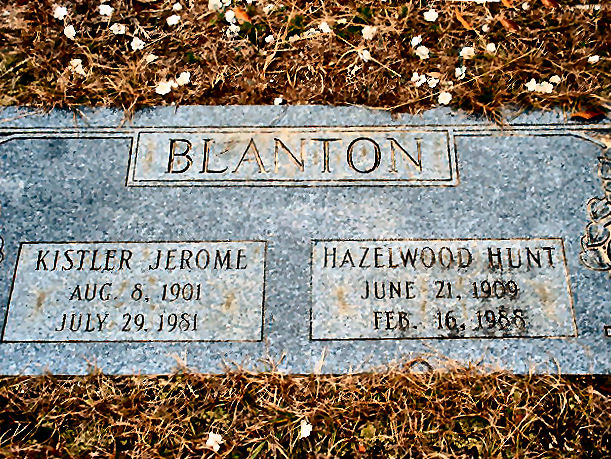
Kiki

Because as a toddler
I couldn’t pronounce Kistler,

my grandfather
became known as Kiki –

as opposed to Grandpa,
Peepaw, Pawpaw, or Pops.

Scots Irish, raw-boned, ruddy red,
he stood five-foot-five,
a bantam rooster of a man.

He owned and operated
the Nation Station
just outside of Summerville,
and he’d pump your gas
and check your oil
and wipe your windshield,
making sure you were good to go
in those days of yore
before self-service and debit cards.


When it was his time to go,
at the hospital overnight
we took turns sitting vigil
so he wouldn’t have to die alone.

On one of my nights,
he commenced, as he might say,
to hallucinatin’, being chauffeured
by long-dead second cousins
once twice, but now, forever removed.

I tried to talk him down
as if he were tripping,
not knowing that
it’s not uncommon
for the dying
to seek refuge
in the ether.


Kiki didn’t believe in God,
so at the funeral
the rent-a-preacher
didn’t know him,
spoke in generalities,
blandishments, insuring that
Kiki would not come back alive.

No mention of the
sun’s having baked his
bald head and exposed neck
into a permanent ripe tomato red.

No mention of the angry invectives
That spewed like lava when he was angry
“That goddamn psalm-singing son-of-a-bitch!”

No mention of the ukulele,
the yodeling, his tenor voice,

No mention of the radio, Paul Harvey,
the Atlanta Braves.

No mention of the half-pints
of Old Crow hidden in his shoes in the closet
so his wife, my grandmother,

wouldn’t find them
when she cleaned his room

on the opposite side
of the house from hers.

Oh, Those Old Southern Barbershops of Yore

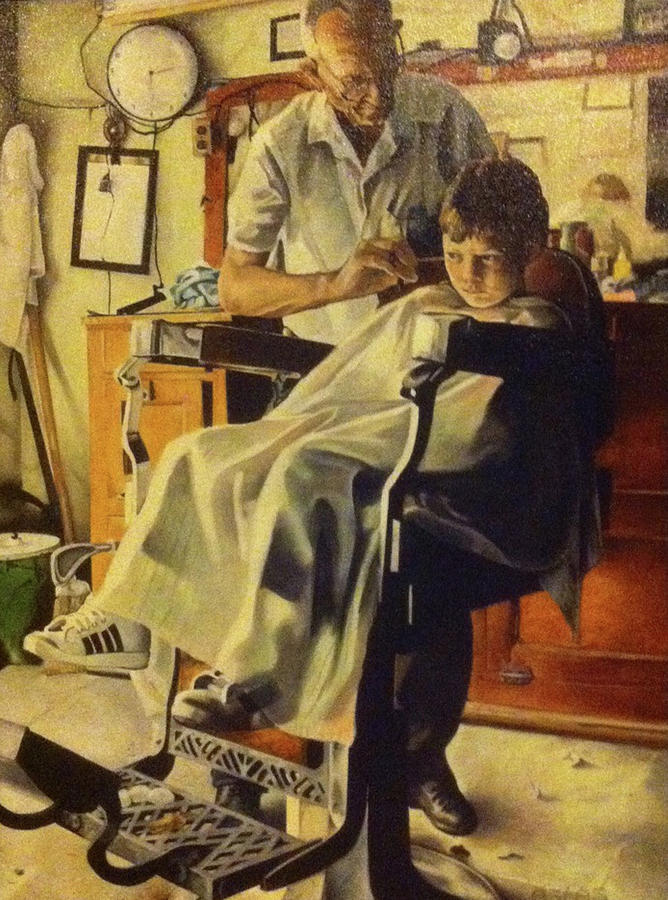
Barbershop by Joan Estes

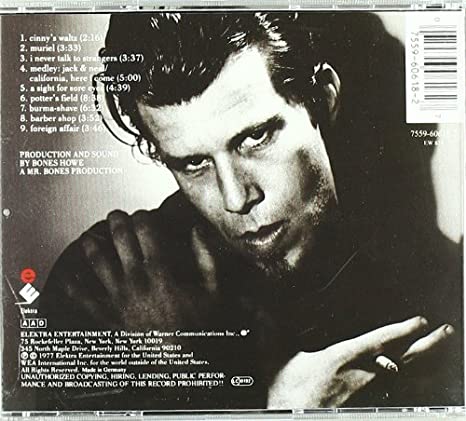
One of my favorite Tom Waits songs is “Barber Shop” from the 1977 album Foreign Affairs. It’s a jazzy, Beat poet-like monologue propelled by stand-up bass and drums. The song condenses a cascade of rhyming cliches into an archetypical visit to a Mid-20th Century barbershop.[1]

He sets the scene with one ass-kicking couplet:

Bay rum lucky tiger butch wax cracker jacks

Shoeshine jawbreaker magazine racks.

Then he treats us to typical idle barbershop chatter:

Morning Mr. Ferguson, what’s the good word with you?

[snip][2]

You lost a little round the middle and you’re looking real good.

[snip]

What’s the low-down Mr. Brown? I heard your boy’s leaving town.

[snip]

Throw me over the sports page, Cincinnati looking good.

[snip]


The hair’s getting longer, you know the skirts are getting shorter,
And don’t you know that you can get a cheaper haircut
If you wanna cross the border.

If your mama saw you smoking, well, she’d kick your ass.
Now you put it out you juvenile and put it out fast.

Well, if I had a million dollars what would I do?
I’d probably be a barber not a bum like you.

Still got your paper route now that’s just fine.
And you can pay me double because you gypped me last ti
me.

In Summerville, South Carolina, my hometown, going to the barbershop was not one of my favorite activities, right up there with visiting the dentist. In pre-adolescence, we patronized Homer’s, which conformed almost perfectly to Waits’s depiction. My father took me in those days because he thought women didn’t belong in barbershops – the way men didn’t belong in “beauty parlors” – because their presence would curtail free expression, whether it be an off-color joke by the males or juicy lady gossip by the females. 

At Homer’s you could get a shoeshine and a shave. I remember watching the barbers sharpen their razors on strops after they’d lathered the reclining recipients with soft-bristled brushes. To me, it looked scary. 

Mr. Homer, as we called him, employed another barber, Ben, a robust, heavy-set Filipino proficient but not fluent in English. Whenever someone came in with flipflops, he’d bellow, “How ‘bout a shoeshine?” and then laugh loudly at his own joke.[3]

At barber colleges, they must have a course in how to engage in small talk. Truth be known, I’ve never enjoyed Q and A small talk from service providers, whether they be barbers, dental hygienists, or the Porter-Gaud dad who peppered me with questions while performing my vasectomy. 

Also, sometimes small talk can seem like lying. 

“Don’t you think Gone with the Wind is the greatest movie of all time?”

“Uh, maybe.”

Anyway, in adolescence, I ditched Homer’s for a barbershop I think was called Bryant’s, which was owned and operated by African Americans, though think they only cut White people’s hair. It was located a couple of doors down from. Dr. Melfi’s Pharmacy, my go-to source for Mad Magazines

Bryant’s didn’t conform at all to Waits’s Homer’s-like barbershop. It had a New Orleans vibe with ornate shrines set up to honor JFK and MLK, Jr. with other photographs of less famous civil rights icons along with Hubert Horatio Humphry campaign buttons. It also seemed not as glaringly well-lit as Homer’s. On the other hand, I don’t think they offered comic books or magazines to flip through while you waited.

The barbers at Bryant’s weren’t all that big on small talk either, which suited me just fine. I think the last time I had my hair cut there was in August right before my junior year of high school. After that, I started cultivating a “freak flag” do and would get slight trims from girls I knew, just enough snipped so I wouldn’t get thrown out of school. Hair couldn’t touch your collar, and sideburns could only come down halfway down your ear. I had a friend named Gray who actually wore a short-haired wig to school.

The last old-fashioned barbershop I patronized was Gloria’s on Center Street at Folly Beach not long after we moved there in the very late Nineties. Like my ol’ man, I took my boys to the shop to get their hair cut. Gloria’s cat had full range of the joint, and although it didn’t seem all that hygienic, it was picturesque, and she only charged me five bucks because I’m bald. A proud lesbian, her small talk wasn’t all that small.

Now, of course, the building has been converted into a tourist bar. 

Ah, no; the years, the years; 

Down their carved names the rain-drop ploughs.

On a brighter note, I’ll leave you with Waits’s song. Enjoy.


[1] In fact, when I taught the Beats in my American Lit class, I played the song for my students on a Porter-Gaud phonograph, a relic that nevertheless produced high quality sound, albeit not stereophonic.

[2] [snip] designates I’m omitting lines; though, I’ll confess, it’s an onomatopoetic play on the action of the song. 

[3] Interestingly enough, we children called him Ben, not Mr. Ben, the way we called our maids Lucille or Alice while they called us Mr. Rusty or Mr. David. 

Excerpt from Today, Oh Boy – in the Principal’s Office

photograph by Joseph Szabo

A loud electronic crackling.  The red light of the intercom has flashed on. Never a good sign.  Every class has one, a rectangular speaker box mounted somewhere on the wall.  Another crackle. 

Speakerbox: (crackle) Miss Turlock, Principal Pushcart. Is Alex Jensen in your class?

Miss Turlock: (looking up at the intercom, addressing it as if a person) No sir. It was my understanding that he was there with you.

Speakerbox: Who told you that?

Miss Turlock: Althea Anderson.

Speakerbox: By any chance is Rusty Boykin in your class?

Miss Turlock (still looking up, still addressing the intercom): Yes sir. He’s sitting right here working on a drawing.

Speakerbox: Send him to me. Stat!

Miss Turlock: Yes sir.

Speakerbox: (crackle)

All pencils, brushes, kneading hands have halted. Rusty’s on his feet, a look of panic stamped on his freckled face. James Hopper glances at Althea, who is frowning. Rusty casts a rueful glance at his crude rendering of the digestive tract lying next to his open Biology II notebook with its hurried, smudged, barely decipherable and misspelled anatomical terms. Then he looks up and encounters Miss Turlock’s sympathetic, blunt, open features. 

“Run along, Rusty. You can leave your things here for now. “

“Okay,” he says, oblivious to the students’ staring faces, oblivious to the clay torsos, oblivious to the smell of paint, oblivious to the splattered tile, oblivious to the silence.  He’s pushing open the door and stepping into the cool autumn air, oblivious to the yellow disc of morning sun suspended above distant loblolly pines. He’s deep, deep, deep inside the auditory darkness of a cave of dread where an echoing voice catalogs his various crimes and misdemeanors: smoking marijuana; drinking beer; mocking (though behind their backs) administrators, teachers, students, the Mighty Green Wave, Congressmen, Senators, Vice Presidents, Presidents, television shows, movies, Judeo-Christian Deities; purchasing and hiding Playboy magazines as visual aids in acts of self-pollution; masterminding a high stakes scheme to run away from home; receiving stolen goods in accordance with the above-mentioned scheme; not living up to his potential . . .

As an elementary student, if he had been called to the office, Rusty might have feared that someone in his family had died or that he was being summoned to receive an award, but his name in conjunction with the initials AJ can only mean trouble. He’s forgotten his signature walk, the freak flag flop, and leans forward, head down, oblivious to the pebbly paving beneath his high-top Converse All-Stars.  In the thin cavity of his chest, his heart pounds like timpani as he reaches for the cold handle of the main building’s outer double doors. The hall is virtually void, the only sound clacking heels, out of sight, dopplering into the distance.  His hand shaking, he grips the handle of the glass doors of the administrative offices, pulling outward. 

In the bright florescent light of the outer administrative office, he recognizes immediately that the employees are in an everyday mode. No one has died. No uniformed policeman with badge, billyclub, and handcuffs glowers in a corner waiting for him. Rusty clears his dry throat and approaches Miss Cartwright sitting at a desk next to Principal Pushcart’s door. As he nears her desk, a tiny pink bubble puffs out from her lips, then pops.

 “Mizz Cartwright,” he says, his voice unsteady, “I think Principal Pushcart wants to see me.”

“Now that’s an interesting shirt,” she says coyly, snapping the gum. “Where’d you get that?”  She’s dressed in a yellow alpaca V-neck sweater and a kelly green skirt, the official school colors.                 

Rusty had forgotten all about his shirt, a new acquisition, part of a service station uniform with the name “Buddy” stitched in an oval on its breast. It’s sure to exacerbate whatever vitriol’s brewing in Pushcart. Rusty realizes he’s left his Mr. Zig Zag denim jacket back in the art room, which is probably a good thing.

 “Uh, I got it from Buddy.”

  “Good ol’ Buddy,” she says smiling. “Mr. Pushcart and Mrs. Laban are expecting you.”

  She gets up and cracks open the door. “Mr. Boykin is here,” she says into the crack.

  The muffled bark of a drill sergeant.

  “Go on in,” she says.

The door creaks open squeakily like a coffin lid in a Christopher Lee movie. Sitting, leaning forward with his palms down on the surface of his desk, Principal Pushcart looks as if he might be on the verge of doing a hundred or so push-ups. Sitting across from him, looking over her shoulder, a frowning Mrs. Laban pumps her crossed leg like crazy.

“Yes, sir?”  

“Have a seat, son.”

There is an empty chair next to Mrs. Laban, a wooden chair, upholstered in some sort of dark green leather-like synthetic something-or-other, the kind of fabric (maybe fabric) that sticks to the back of your thighs when you’re wearing shorts in the summer. Principal Pushcart removes his right palm from the desk like some gangster in an old movie and positions it palm-up, sweeping it in a downward motion towards the chair as he nods his head in mock gentility. Across his pink scalp strands of brownish gray flimsily stretch to feebly hide his encroaching baldness. Rusty, dropping into the chair, sighs audibly in tune with the upholstery, which also sighs.

 “Now, Blanton,” he says, using Rusty’s baptismal nomenclature. “I want you to promise to tell me the truth.” The intonation isn’t all that unfriendly.

 “Yes sir,” Rusty says automatically. He’s a terribly inept liar anyway. 

 “You know,” Pushcart says, “that AJ was dismissed from homeroom to come to my office.”

 This is an easy one. “Yes sir, I was in homeroom this morning.”

 “Tell me. What did you think of the events of this morning?”

 “Think, sir? I’m not sure I thought anything.”

 “You didn’t think it was funny?”

 “I wasn’t paying all that much attention. I was sort of preoccupied. I have this really big Anatomy test today.” He looks over at Mrs. Laban for encouragement, but her features have hardened into a Madame Tussaud’s mask of unalterable unhappiness: Lucretia Borgia displeased with the consistency of her soft-boiled egg.

“Did you know that AJ hadn’t come to the office?”

 “No, sir.  Not till the announcement over the intercom.”

  “Any idea where he’s at?”

Rusty successfully stifles the impulse to say, “Behind the preposition.”

  “I dunno,” he says instead.  “Home, I’d guess. His daddy’s office maybe. I dunno.”

  Pushcart can see the little son-of-a-bitch is telling the truth. “Son,” he says, “are you aware that you’re out of dress code?”

  “It wouldn’t surprise me. I guess my hair might be.”

  “Where’s your pride, son?”

Rusty doesn’t begin to know how to answer this.  A trick question?  Of course, he possesses pride, that doom-laden quality that they talk about in English class every year, the moral failing that forces Antigone to break the burial edict, Ahab to pursue the great white whale, Macbeth to go all Charlie Manson on his kinsman Duncan.  

“I dunno, sir,” he says. “Yes and no. You know Alexander Pope called pride ‘the never-failing vice of fools.”’

As soon as the words are out of his mouth, he wants them back.  

“What!?”

“Nothing.”

“What did you say?”

“I meant sometimes pride can be a bad thing, so I was hesitant to admit I had some.”

“Well, Mr. Philosopher, I’m sending you home to get a haircut and to change that shirt. The dress code is rules, son. Not suggestions. Rules. When you look presentable, you come back here to report to me before you resume your education here at Summerville High. Consider it a suspension. Zeroes on all work missed.”  

“Yes, sir,” Rusty says. 

“I suggest you hurry.”

“Yes sir.”

 When he’s out the door, Paul looks over at Eula Lynne and asks, “What period is his anatomy test?”

 “Fourth.”

 “Well, then,” he chuckles. “I wish him God’s speed.”

“That secretary of yours is almost as bad as the kids. Out there chewing gum.  I don’t know about that, Paul.  It sets a bad example. . . ”