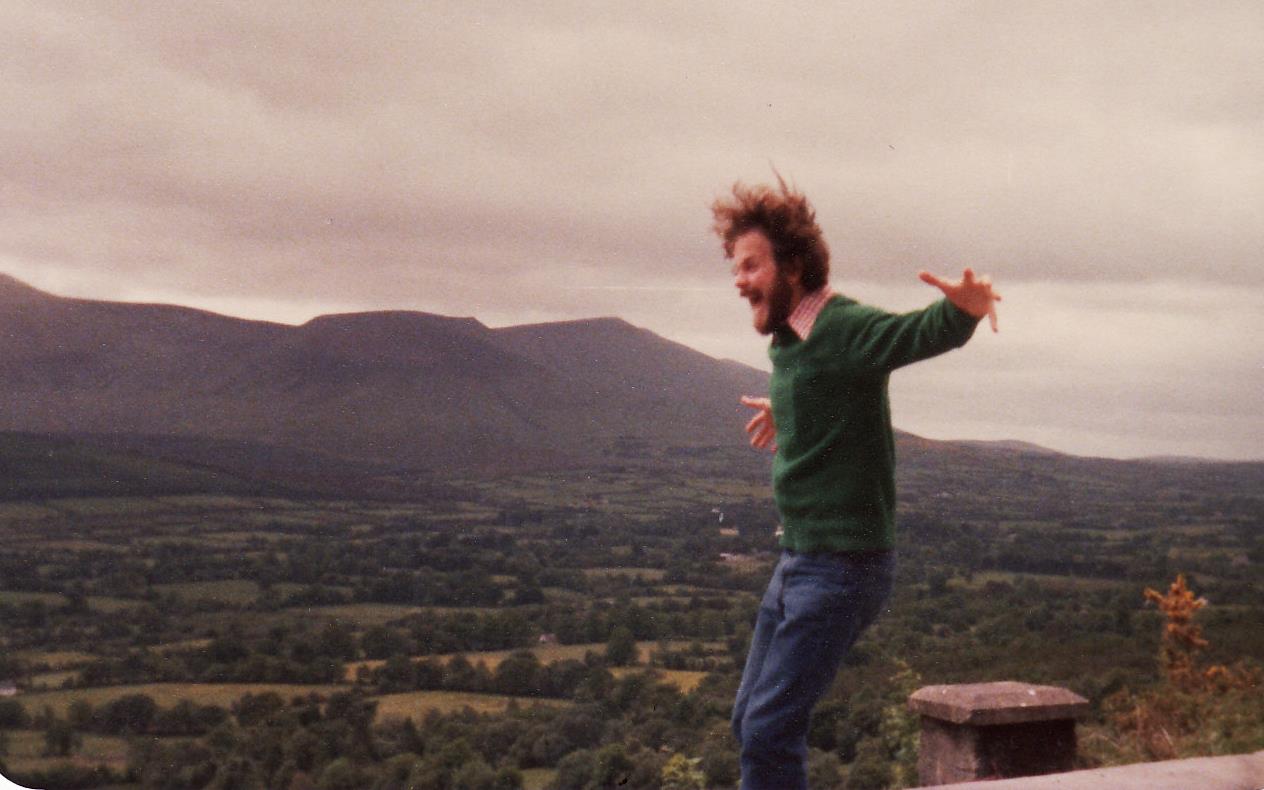
Well, here I go again—only three months after lamenting the death of my high school buddy Adam Jacobs, now mourning the death of another of our crew, Jack McDonough, who died unexpectedly last week in Asheville.
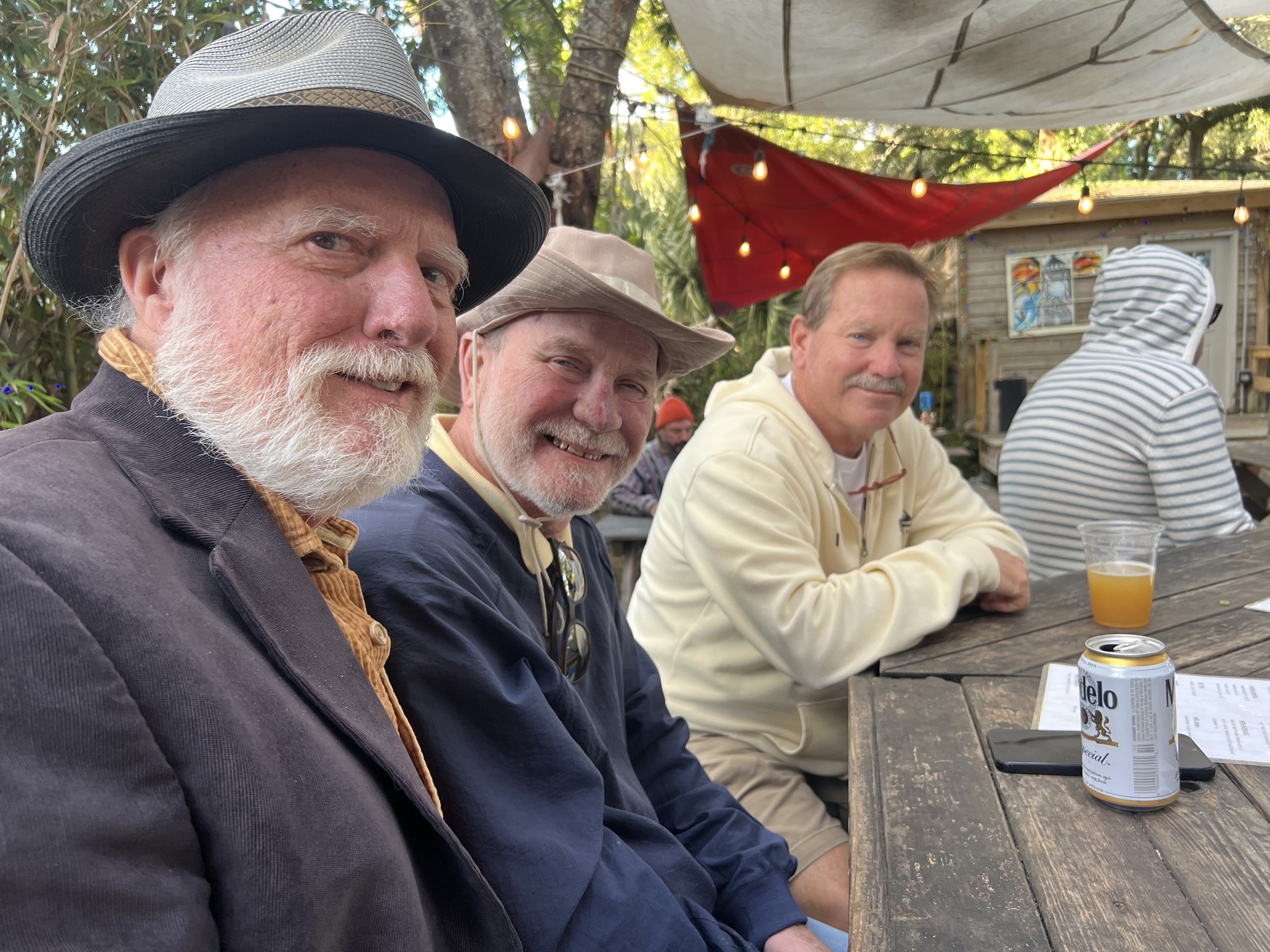
Unlike, Adam, whom I hadn’t had seen in this century, I was lucky enough to hang with Jack each fall when he would visit Folly for three or four days. Here we are with brother Barry at Chico in late October, about three weeks after Adam’s death.
Jack, Adam, and I were among the handful of Summerville kids who surfed. In fact, it was Jack who sold me my first board, a five-foot needle-nosed, home-shaped piece-of-shit that barely floated me, a 135-pound skeleton wrapped in untannable, freckle-mottled skin. In fact, on his last trip, we reminisced about that board, which indeed was fast if unstable.
In addition to his kindness, which you could see embedded in his facial expressions, Jack possessed an enormous amount of stoicism. He suffered from childhood diabetes, which did a number on his feet, and had a stroke some years ago that left him hobbled but unbowed. With a hiking cane and later a walker, he unselfconsciously inched his way without a scintilla of self-pity. There’s no substitute for self-confidence.
Jack was descendent of the Irish patriot and martyr Thomas McDonough.
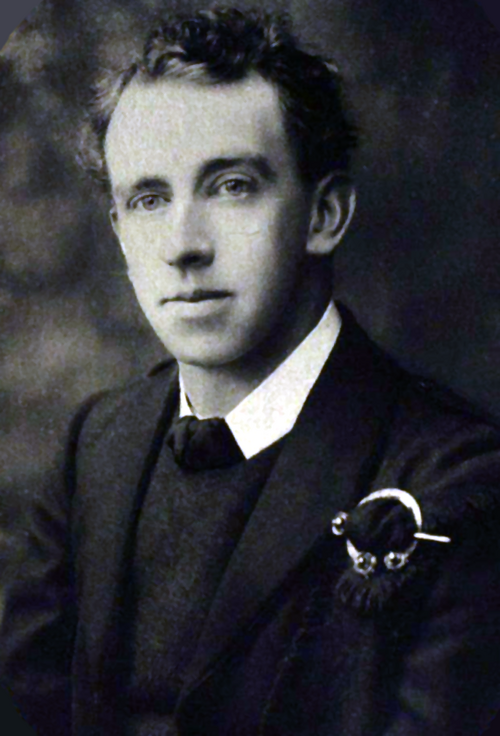
Thomas McDonough
I write it out in a verse—
MacDonagh and MacBride
And Connolly and Pearse
Now and in time to be,
Wherever green is worn,
Are changed, changed utterly:
A terrible beauty is born.
William Butler Yeats, “Easter 1916”
Jack loved the land of his ancestors and studied Irish literature at Trinity College in Dublin and developed lifelong relationships with his Irish cousins. Family was so important to him, his brothers who predeceased him—Patrick and Matthew—and his surviving brother Barry and sister Casey and mother Edith who’s still somehow going strong in her Nineties.
Perhaps he was happiest hanging with his daughter Kate and her two children, whom he adored.
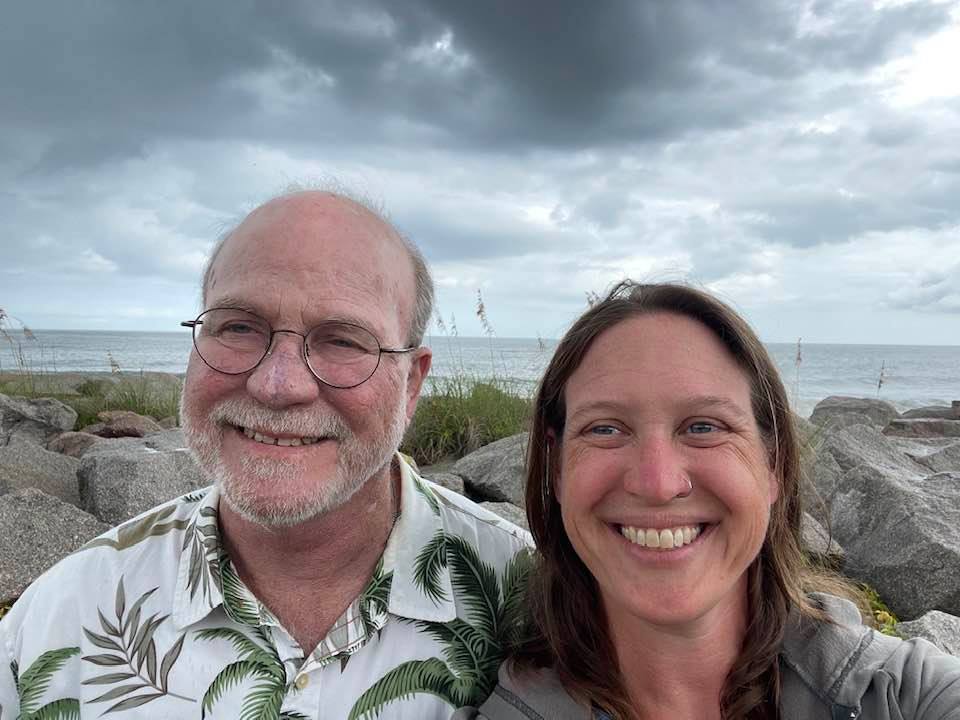
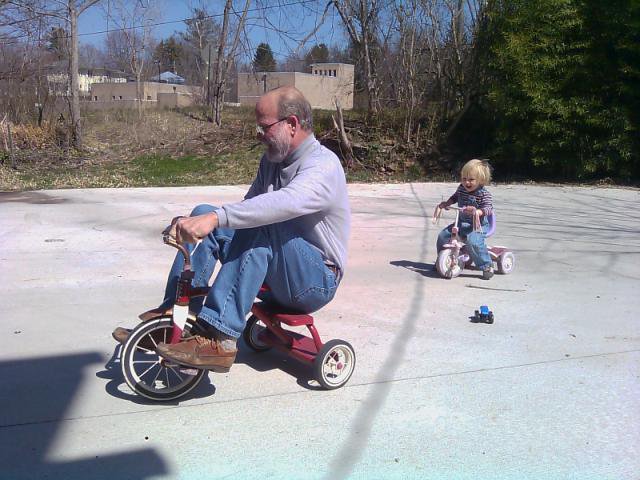
I’m also very appreciative to Jack for his support in my writing, not only purchasing and reading the books (the latter a rarity with my Summerville brethren) but by offering specific praise that demonstrated an intimate knowledge of the texts. I can’t tell you how much we non-best-selling authors appreciate that.
I’ll end by saying that despite his physical challenges and the tragedies his family suffered throughout the seven decades of his life, Jack was a fortunate man because he was a man of love. He was a devout Catholic who attended Mass daily, so he probably wouldn’t approve of this sentence, but goddamn it, I’m going to miss him.
I’ll end with a bit more of Willy B:
Now shall I make my soul,
Compelling it to study
In a learned school
Till the wreck of body,
Slow decay of blood,
Testy delirium
Or dull decrepitude,
Or what worse evil come –
The death of friends, or death
Of every brilliant eye
That made a catch in the breath –
Seem but the clouds of the sky
When the horizon fades;
Or a bird’s sleepy cry
Among the deepening shades.
 You Do Hoodoo