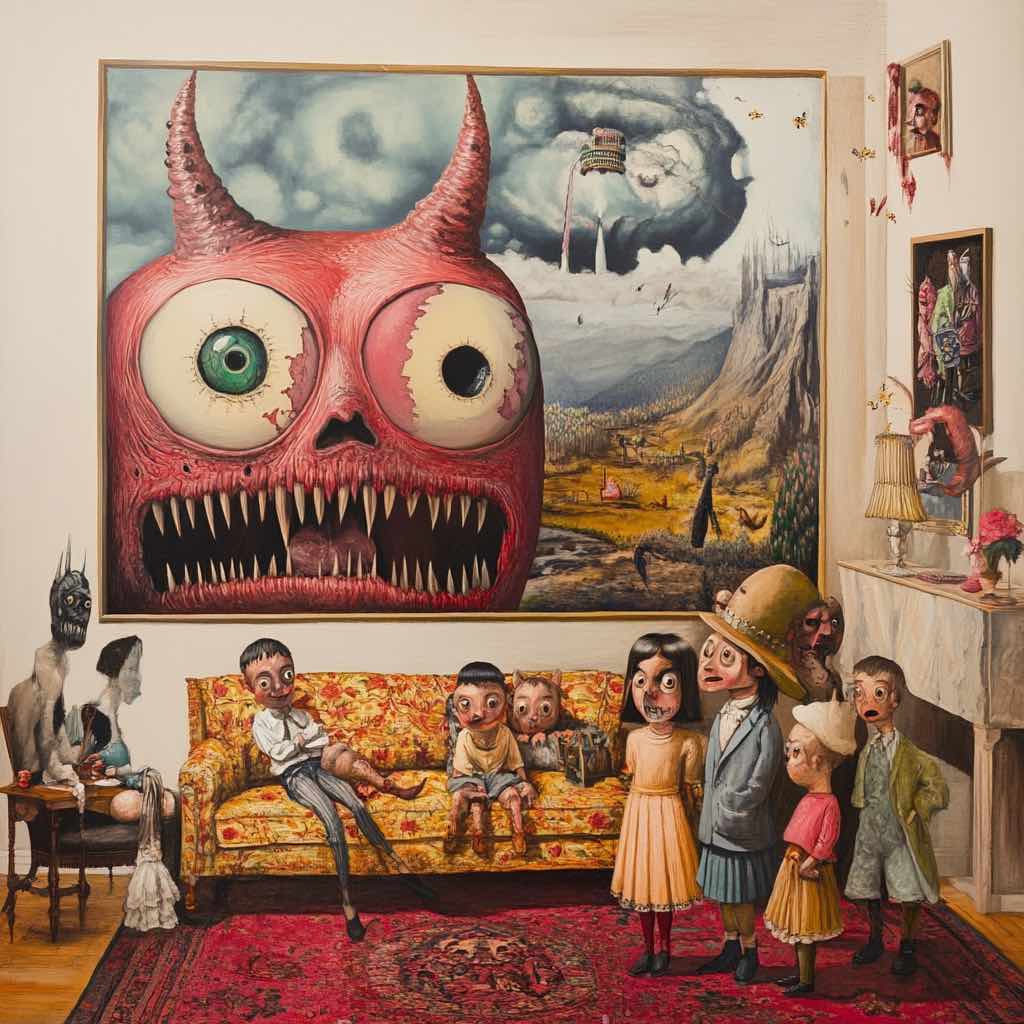
AI Has Its Place But It Ain’t Above My Mantle

The other day on Facebook, every septuagenarian’s favorite social media platform, I posted this confession:

“I’ve just come to the terrible realization that I’m a professional dilettante!”

I meant the quip, of course, to be humorous given the oxymoronic pairing of professional, denoting lucrative compensation for someone who can claim to be an expert, and dilettante, which describes a poser, an amateur who dabbles in the arts.[1]

A few kind responders begged to differ, claiming that I was the real deal, which I appreciate, but don’t buy, especially when it comes to what I have come to call my “fake paintings,” which are essentially photocollages filtered to look like paintings and printed on canvases. Not that they’re not eye-catching in a good way. My friend the painter and filmmaker David Boatwright ­ — the antithesis of a dilletante — finds them amusing.[2] So even though I call them “fake,” I do think they qualify as “art,” but it’s amateur art. When in a groove, I can crank one out in a couple of hours.[3] David, on the other hand, toils over his canvases and murals for months, not ceasing until every last miniscule detail is right.

Which brings me to the central subject of these ramblings — AI generated illustrations. 

A while back a Facebook friend lamented that AI-generated “art” was going to put people like me out of business, but I begged to differ. “AI hasn’t listened to Tom Waits while smoking Thai sticks,” I responded. It can’t, by its very essence, be original. It ain’t got soul. 
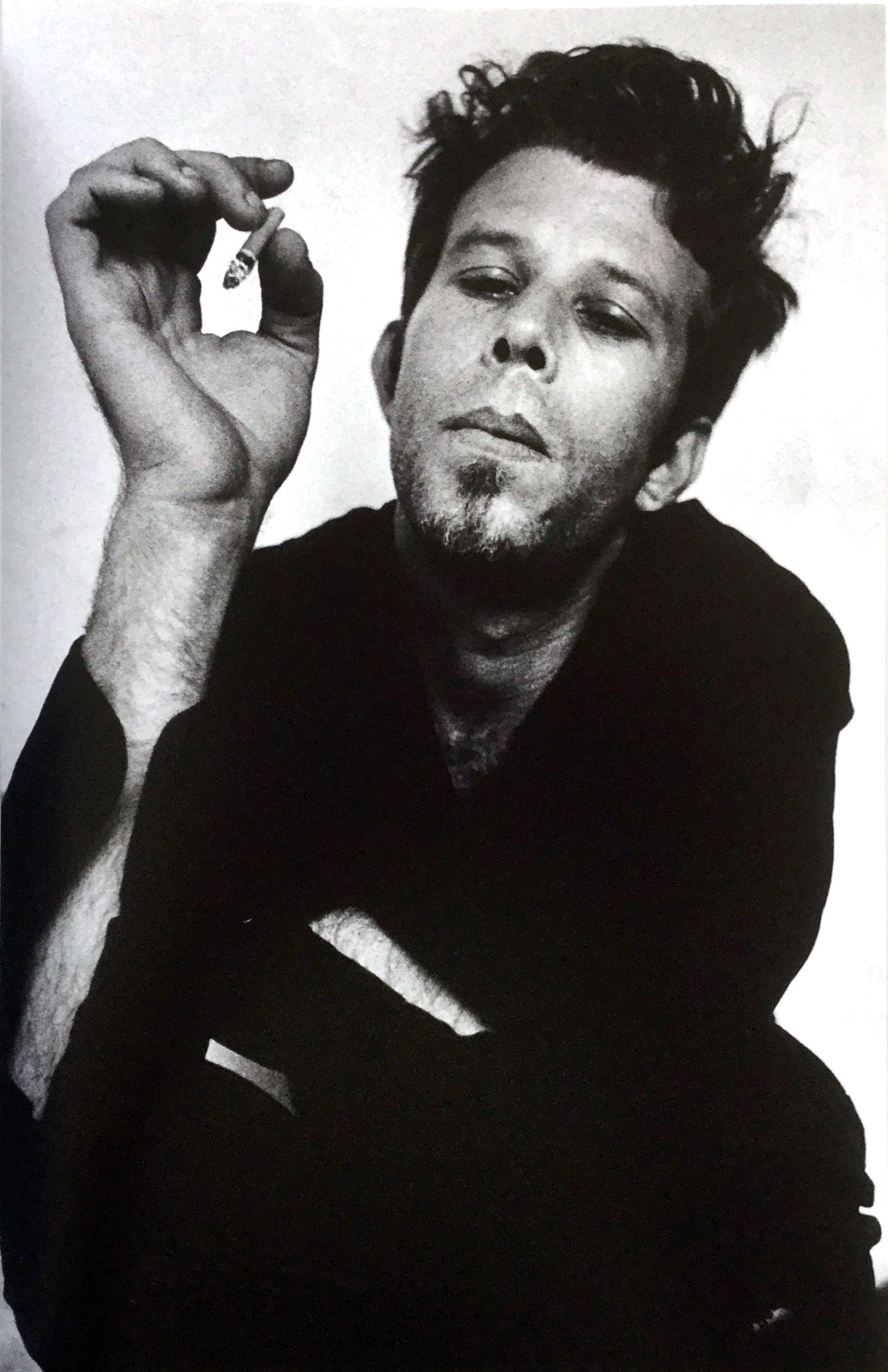
Last night my wife Caroline and I were looking at my two latest canvases, and I said, “There’s no way AI could come up with either one of these.”

“Let’s do a little experiment and see what AI comes up with,” she said. 

So we did, prompting the software to create something similar. 

Before we begin the comparison, I’ll explain briefly how I go about making a fake painting. 

I start with a high resolution photograph. In my latest (see below) TGIF Chico Feo, I took a photo of the bar area when I was the only customer in the establishment. 

I upload the photograph to Photoshop and add an artistic filter, in this case, the “Dry Brush” filter.

Almost always, I have no preconceived notions about what I’m looking to create. In this case, I googled “pulp cover paperbacks bar scenes” and scored the couple kissing from a novel entitled Divorce. Of course, the man wasn’t leaning over a bar to kiss his lover, but I determined I might be able to cut the couple out and paste them into the photo, and, damn, it worked. Next, I found the woman sitting to the couple’s left and did likewise, and once again, I was successful.

I thought it might be amusing to have an organ grinder in the foreground, but I couldn’t find any illustrations that suited; however, I did find the begging monkey with the cup and tried him in various locations until I hit upon placing him on the bar, interrupting the passionate kiss. 

I decided to place a large figure in the foreground and went Screaming-Jay-Hawkins hunting. I experimented with various Hawkins iterations, but the vibe wasn’t right, and then the proverbial cartoon light bulb went off above my fedora. Louis Armstrong, Satchmo!

And boom![4]

So here are my TGIF Chico Feo and AI’s response to the prompt “create a picture of Louis Armstrong playing at a beach bar.”

See what I mean.

One more example. 

Two of my favorite artists are Bruegel the Elder and Hironimus Bosch. 

I took a photo of our living room, which struck me as sort of Flemish-looking so I peopled it with Bosch figures, being in a mocking post-election funk. 

Here’s the final product.
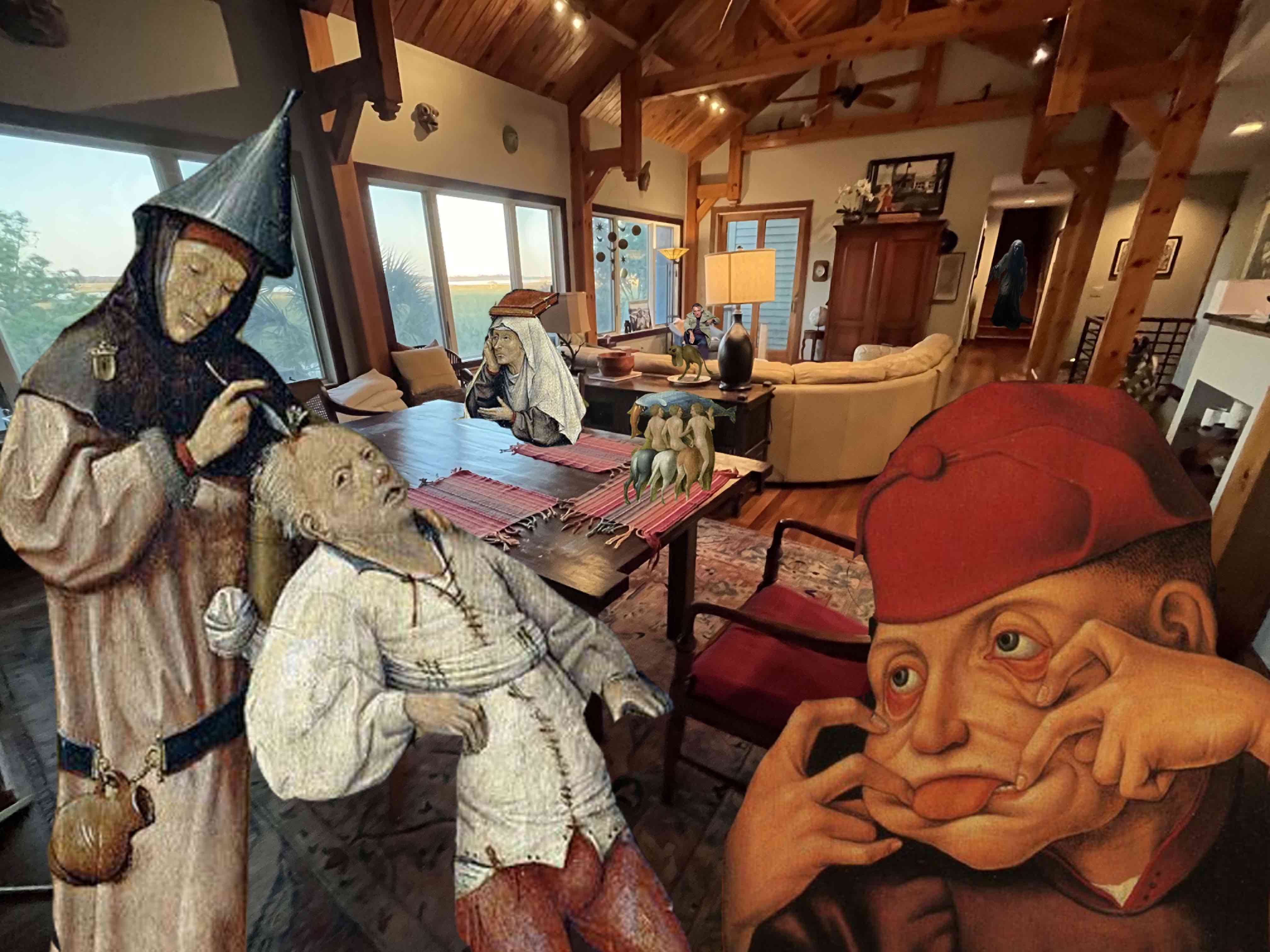
And here’s what AI came up with when prompted “Boschian style weird people and one Boschian monster in a regular modern beach house living room.”

Of course, AI is likely to put some illustrators out of business. In fact, because Caroline subscribes to AI software, I might ask her to provide me images to illustrate some of my blog posts. However, for book covers, I always prefer scruffy over slick. 
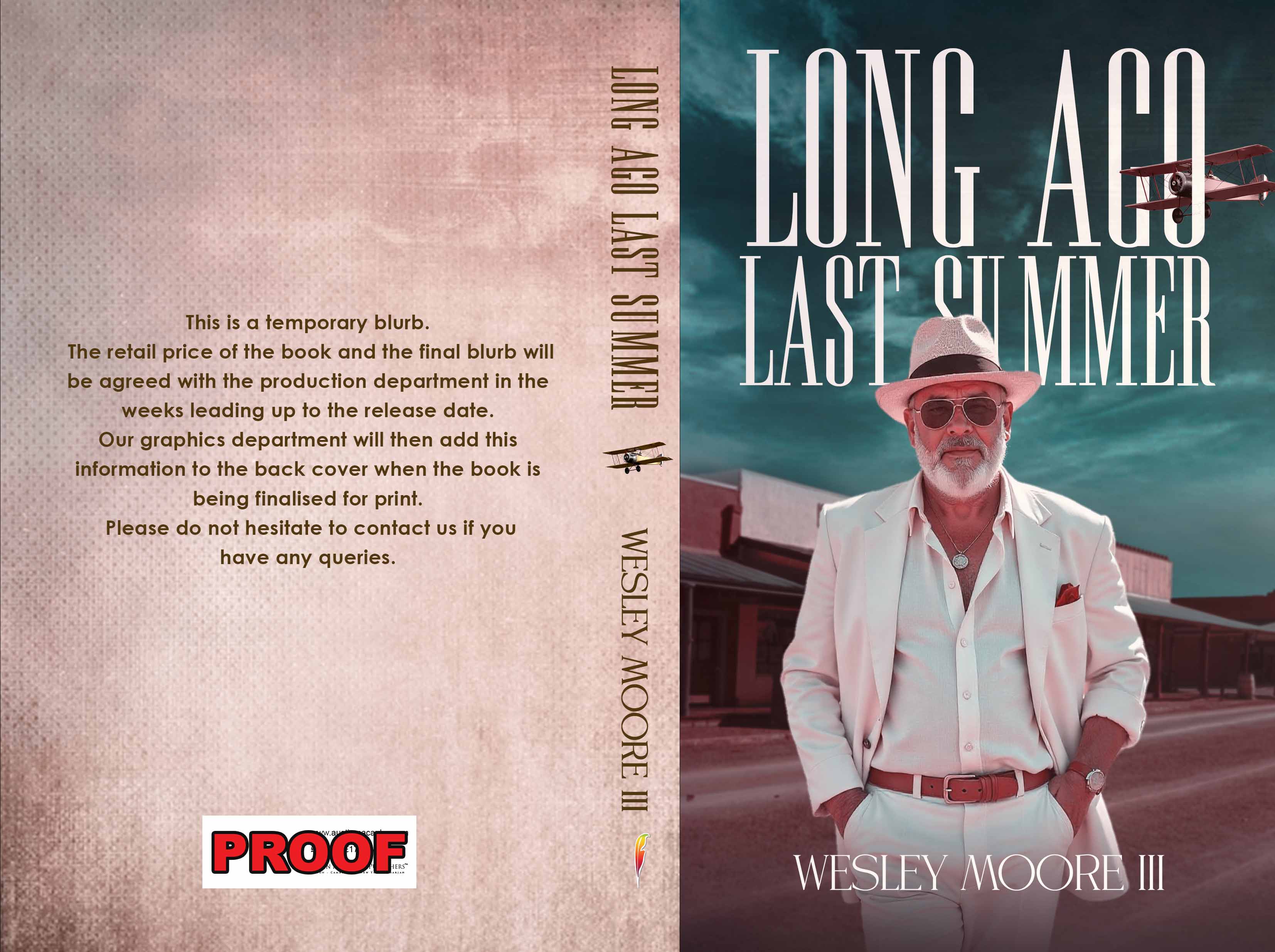
Which cover would you guess Caroline and I chose?


[1] The awkwardly phrased sentence this footnote references is proof in and of itself of my dilettantism. A professional, a true wordsmith, would devote time to express these ideas in a more cogent fashion, spending perhaps an hour or so insuring that every word was in its proper place and that the clauses melded in pleasant fluidity. but [cue Bob Dylan]. “[That] ain’t me, babe. 

[2] BTW, David has written a screenplay for a 15-minute film based on the poolroom chapter of my novel Today, Oh Boy and is just 50K short of having the funds to start production, so if you happen to be wealthy and want to be an art patron and contribute to making a really cool indie film, contact me, and I’ll forward your info to David. 

[3] I have had a one-man show at Studio Open and have sold a couple of dozen, two of which went for $500, so there’s that.

[4] I also Hitchcock like, try to make a cameo appearance in the “paintings.” In this case, it’s the cover photo of my next book Long Ago Last Summer. Can you find it?
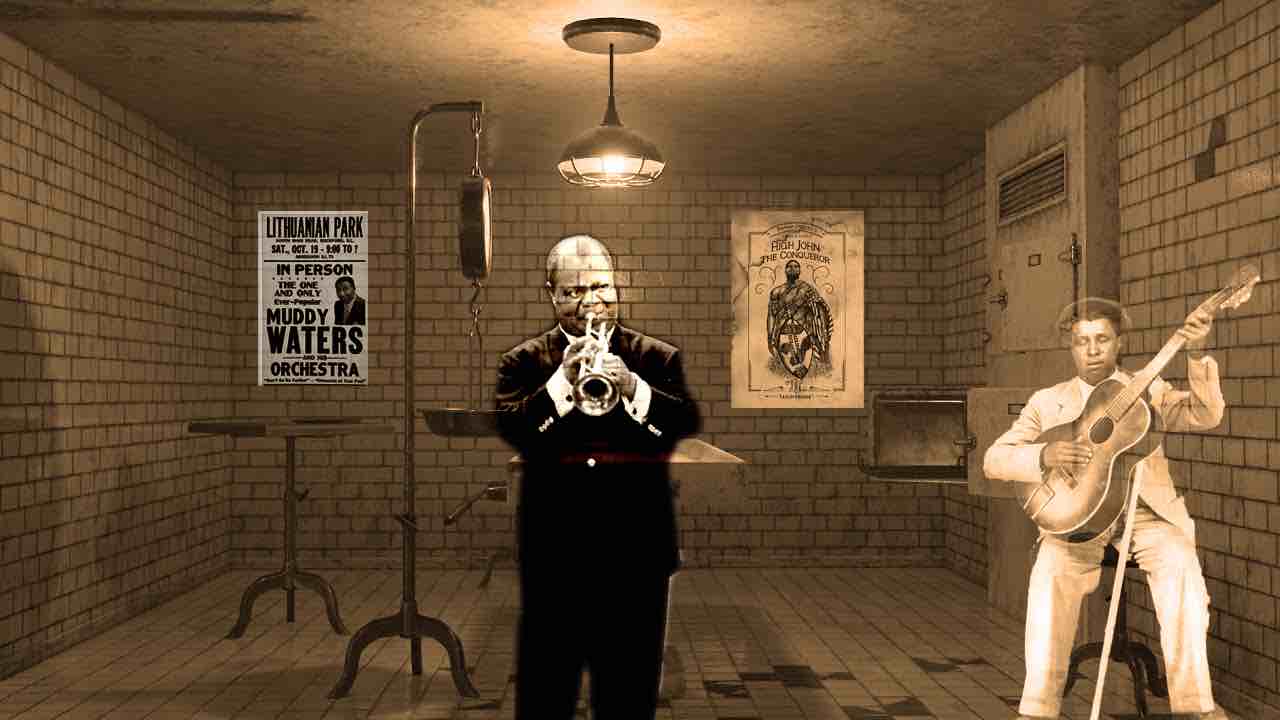
St. James Infirmary iPhone Blues

I first heard “St. James Infirmary Blues” covered by Eric Burdon and the Animals, and the song really moved me, the horror of it, having to encounter the corpse of your lover “stretched out on a long white table/ So cold, so stiff/ She was dead.” Throughout the years, the song really stuck with me.[1]

The other night, Caroline and I were at the Lowfife Bar on Folly, and somehow the topic of public domain tunes came up. I mentioned that Dylan had borrowed the melody of “St. James Infirmary Blues” for his masterpiece “Blind Willie McTell.” In fact, I sang two verses of the Burdon cover right there at the bar.

Well, the very next day, an ad showed up on my Facebook feed for this book, which I’m eager to read.

Anyway, we can probably chalk up the ad’s appearance to coincidence, but, man, could it be some bot was listening to us via our phone?

Then last night at the Soapbox open mic at Chico a banjo player covered the song. WTF?

So, this morning, during one of my undelightful stints of insomnia, I composed this piece of doggerel in my head, which I consider a more productive use of my time in the wee hours than contemplating politics, my health, the past, or the future.

(BTW, occasionally, a reader accuses me of cultural appropriation one of these paeans to Black culture, but my conscience is clear on that score.)

St James Infirmary iPhone Blues

Tapping a cane,
Mr. Andre Beaujolais,
with some hoodoo magic
in his front pants pocket
bopped down St. Charles
on his way to see
Miss Hattie Dupree,
the one-time lover
of McKinley Morganfield,
better known as Muddy Waters,
King of the Chicago Blues.

Those who got bad mojo
go see Miss Hattie Dupree
for the inside dope
in the hope of counteracting
shenanigans ¬– hexes,
curses, wet nurses,
vexations, permutations,
marital relations.
genetic mutations,
Haitian sensations,
and genital truncations.

Mr. Andre Beaujolais
was on his way
to deliver a batch
of John the Conkeroo juice
to help some dude
whose private
conversations had
been swiped by
advertisers, enterprisers,
franchisers, monopolizers,
and merchandizers.

He’d been telling his gal
about Blind Willie McTell,
how the Dylan song
by the same name
was sung to the same tune
as St James Infirmary Blues.
Their moment of intimacy
the next day mysteriously
appeared in an ad
for a book being peddled
on the dude’s Facebook page.

“I Went Down to the
St, James Infirmary:
Investigations in the shadowy
world of early jazz-blues
in the company
of Bling Willie McTell, Louis Armstrong . . .
where did this dang song
come from anyway?
“That title don’t trip off the tongue,”
Mr. Beaujolais said when
he heard the dude explain.

“Hand me your phone,” Andre say,
then took off its cover,
whupped out the Conkeroo juice,
poured it over the device,
mumbled some discrete mumbo jumbo.
“Ta da! problem solved!”
“Wait a minute, “the dude hollered.
My phone’s quit working!”
“No shit,” Mr. Andre replied.
“That’ll be fifty dollars.
I’ll accept ten fives.”


[1] In fact, I asked Gary Erwin to play it at Judy Birdsong’s memorial service, which he graciously did. BTW, Gary is an underappreciated Charleston treasure.

My Sweet Tooth Says I Wanna, But My Wisdom Tooth Says No

Jamaican reggae musician, singer and producer Lee ‘Scratch’ Perry performs at Poppodium De Flux, Zaandam, Netherlands, 8th April 2018. (Photo by Paul Bergen/Redferns)

Here’s what I’m not going to write about today:

Not about the Murdaughs of Colleton County whose family drama has entered the terrain of Greek tragedy, a once proud House suffering a Faulknerian fall akin to the Compsons’ collapse.

The Murdaugh saga commenced with drunken redheaded USC junior Paul Murdaugh crashing his boat and killing a passenger, followed by his and mother’s murder, their bodies discovered by father/husband Alex at the family hunting lodge. This weekend as Alex changed a tire on a country road, a bullet allegedly fired from a truck grazed his head. On Labor Day, he checked himself into rehab after resigning from his law firm amid accusations of missing millions. We’re talking two mini-series worth of real life Southern gothic mayhem that out-Outer-Banks Outer Banks.

Have at it, Netflix screenwriters. I’ve got better things not to do.

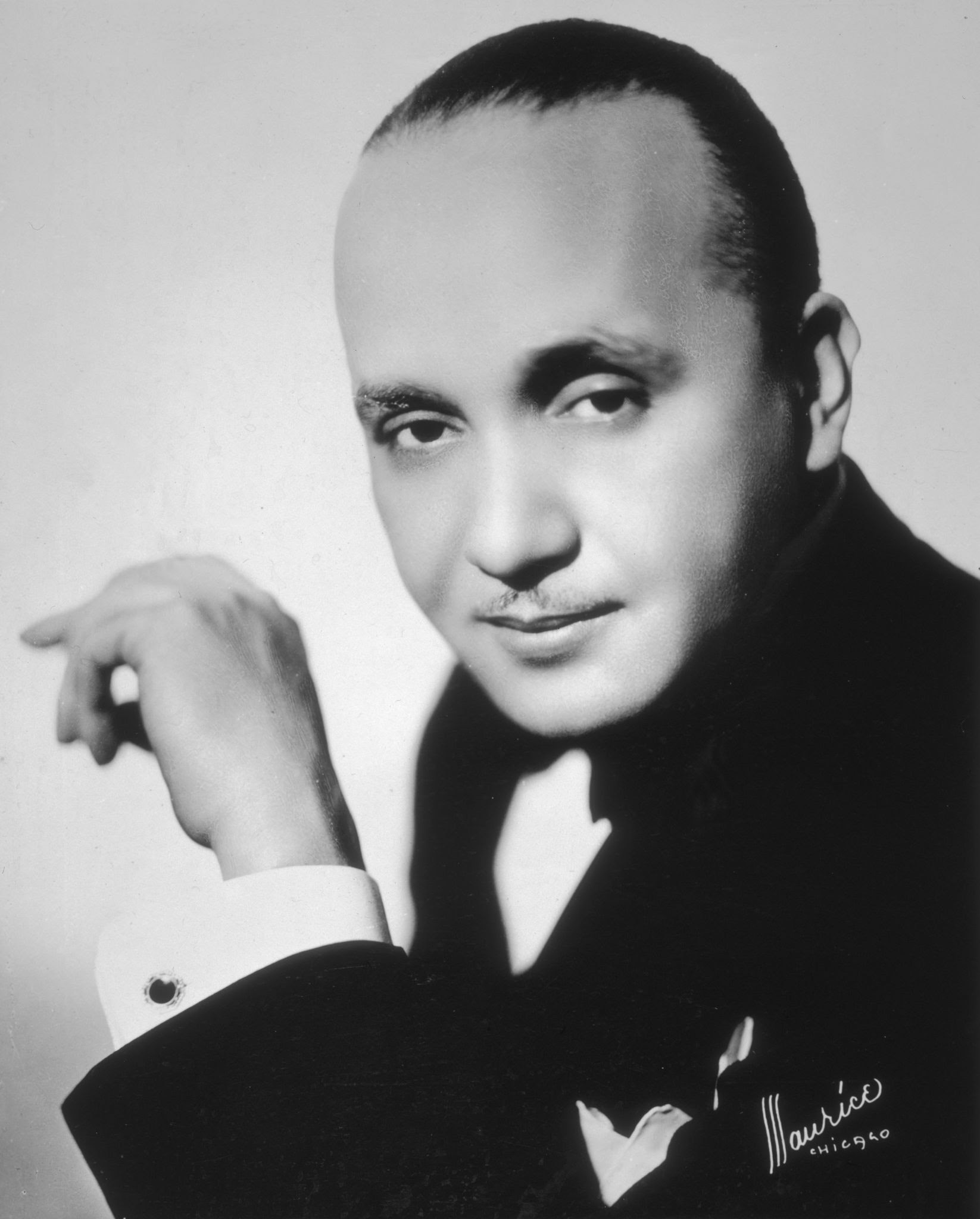
Not about Fletcher Henderson, underappreciated, who transformed Dixieland into Swing, led a big band that employed the likes of Louis Armstrong, Roy Eldridge, Coleman Hawkins, a band that provided the soundtracks for the Harlem Renaissance and Terrytoon animated shorts.

Fletcher Henderson

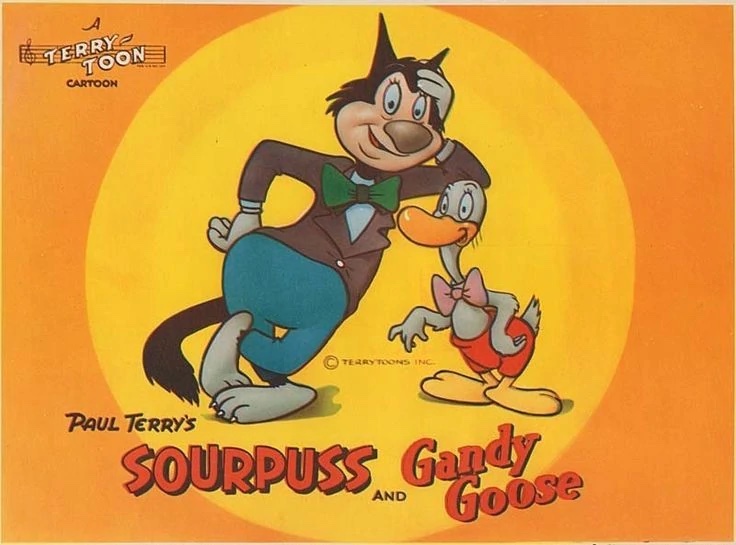
Not about Gandy Goose cartoons, an LSD substitute for tots, Gandy and pal Sour Puss bopping along, the jazz soundscape providing syncopation for the herky jerky action of the animation, often dream sequences with metamorphoses galore. BTW, Gandy Goose and Sour Puss sound as if they could be a Jamaican Dance Hall duo a la Yellowman and Fathead.

Not about Dub Shaman Scratch Perry, Reggae producer extraordinaire, mentor to Bob Marley, Scratch ping-ponging in the studio from synthesizer to guitar to drums in a creative dance that makes music rather than the music making the dance. An incredibly important figure in 20th century music that virtually no one has heard of.

Not about cherubic grandson Julian Levi Moore who just celebrated his two-month birthday.

So, that’s it. What are you not writing about today?

A Man Called Adam, a Mensch Called Satchmo

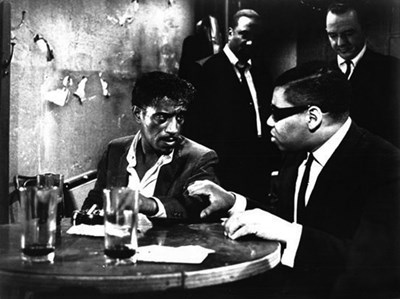
Last night on TCM, Caroline and I watched the 1966 film A Man Called Adam. In the introduction, host Eddie Muller mentioned that the film’s protagonist Adam Johnston, played by Sammy Davis, Jr., was based “very loosely” on Miles Davis. Muller didn’t mention that in 1966 Miles Davis was alive (if not well)[1] and had started a relationship with Cicely Tyson, who interestingly enough, plays Adam Johnson’s love interest.

The movie features Louis “Satchmo” Armstrong portraying a fictional character, Willie “Sweet Daddy” Ferguson. Ossie Davis, and Frank Sinatra, Jr. also co-star. In addition, Mel Tormé bops in for a number, which, for me, is the highlight of several superb musical performances, including one featuring Satchmo himself. Benny Carter composed songs for the movie and served as musical director and conductor.

Although some of the acting isn’t exactly topnotch (Frank Sinatra, Jr. was not nominated for an academy award), those above-mentioned performances, interesting racial dynamics, and its pivotal place in the timeline of civil right make the movie worth watching.  It’s a period of transition: some characters look ‘50s with their skinny black ties, others ‘70s with afros and pointy sideburns. For the most part, white and blacks dig each other, whether they be musicians or audience members in the jazz clubs.

Adam, like Miles himself, is a demon-haunted trumpeter. Years before, he drunkenly crashed his car, killing his wife and child. In addition, society’s underlying racial injustice stokes his anger.  He alchemizes this heartache and rage, blows them out of his horn in soaring, anguished, increasingly frenetic solos, syncopated banshee wails that can raise the hair on your arms (if you haven’t waxed them away).

Oh yes, he’s harassed by the police who want to see his arms, because, after all, being black is a sure sign of heroin addiction. Adam doesn’t take shit from anyone – though he does dump bulldozer loads on his agents, friends, and fellow musicians  –  and for a diminutive man gives the cops a fairly good fight.[2]

Ultimately, though, I don’t dig Adam. Genius, in my book, doesn’t excuse you from treating non-geniuses like lesser beings, doesn’t give you a license to shatter time-honored traditions of civilized decorum, not to mention nearly full whiskey bottles.

No, give me Louis Armstrong, who rose from poverty, did delinquent time at the Colored Waif’s Home in New Orleans, rose to prominence, became an international ambassador for jazz, but was no Uncle Tom. He called President Eisenhower “two-faced” and gutless” during Little Rock’s desegregation and cancelled a State Department tour to the Soviet Union. “The way they’re treating my people in the South, the government can go to hell,” he said as he pulled out of the show.

Anyway, if you’re into jazz or civil rights history, check it out. 


[1] In ’66 Miles spent three months in a hospital because of a liver infection. 

[2] Perhaps not coincidentally, Philip Marlowe, the protagonist of the noir 1953 novel I’m now reading, also gets worked over by the cops. Hmmmmm.