You Can’t be Any More Out of It Than Dead
Nor dread nor hope attend
A dying animal;
A man awaits his end
Dreading and hoping all.
WB Yeats
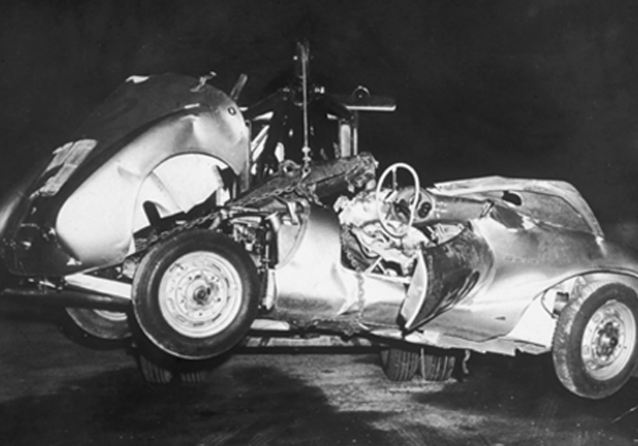
Perhaps the only people who die happy are James Dean types who, defying speed limits, enjoy an intense adrenaline rush right before a fiery crash instantaneously switches off the lights. Dean died young as did F Scott Fitzgerald, who legend has it, suffered a massive heart attack at 44 while making love to Sheilah Graham, a gossip columnist. Nevertheless, I doubt that he died happy. One of the symptoms of a heart attack is a feeling of impending doom.
Of course, the opposite of dying young is enjoying an extended lifespan, but you don’t want to overdo it. Chances are that if you succumb at the way overripe age of 97, you’ve outlived your spouse – maybe two – and perhaps one or two of your children. Chances are you’re sick and tired of wheelchairs, sick and tired of constant confusion, or simply sick and tired.
Even if you’re happy right before your death, after the event, you’re simply dead, so nothing matters to you anymore anyway. You don’t pick up on those Happy Heavenly Father’s Day Facebook posts, nor, on the plus side, does the Braves’ bullpen blowing a save bother you. Fact is that you can’t be any poorer than dead, or, as Flannery O’Connor’s Francis Marion Tarwater puts it, “The dead don’t bother about particulars.”
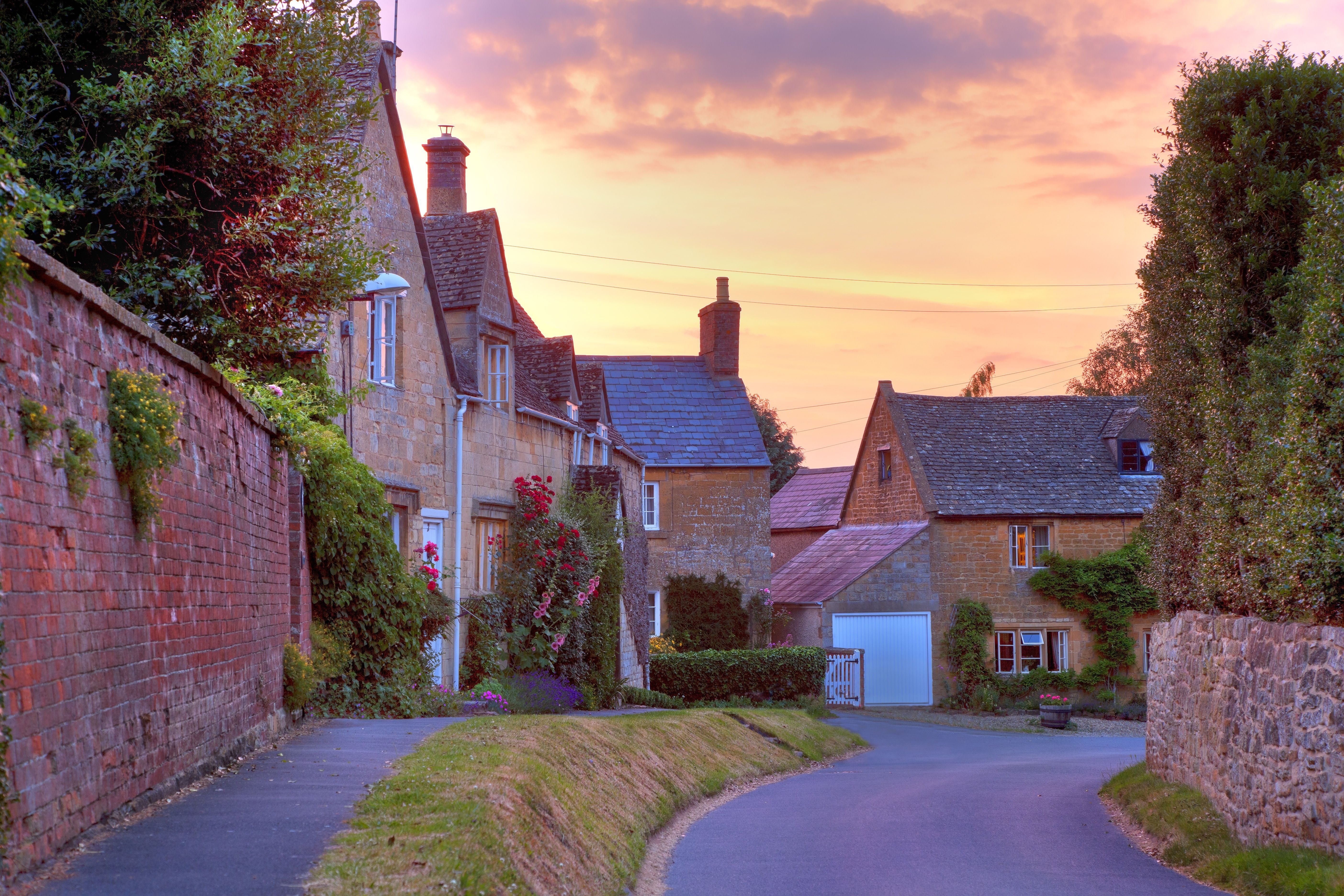
It would be nice, though, to die in a relatively serene era of history, puttering around a cottage in the Cotswolds’ in the 1870s, say, not fixating on the Franco-Russian war, but tending to your roses, having time enough to notice the lovely russet sunset beyond the hedgerows. Wouldn’t it be nice to die in a place of peace and quiet surrounded by loved ones who realize that death is the mother of beauty?
That’s the way to go.

Copyright: Copyright © 2013 Tom Bartel



 You Do Hoodoo