Our Farcical Phase
“History repeats itself, first as tragedy, then as farce.”
Karl Marx
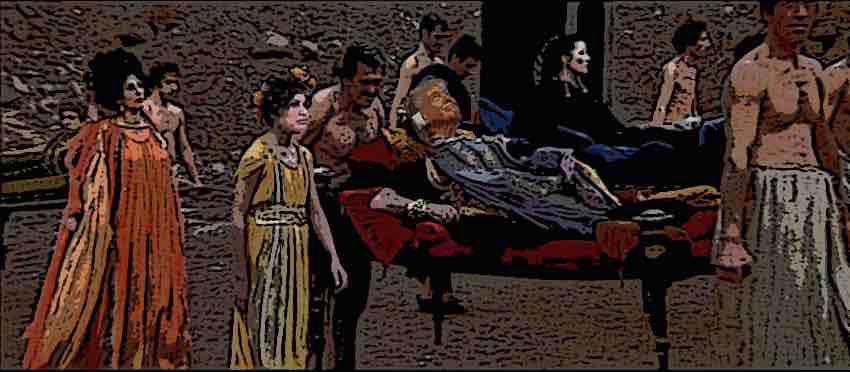
Let me begin this scholarly screed by introducing you to some of the lovelies who frequent the Felliniesque get-togethers at Mar-a-Lago.

I mean, we’re in John Waters territory here, in the land of farce, grotesque exaggeration, caricature.

From John Water’s “Female Trouble”
Speaking of which, Thursday a week ago (18 July 2024) on the stage of the Republican National Convention, Hulk Hogan endorsed Donald Trump, “the quadrice-indicted twice-impeached once-convicted popular-vote-losing adderall-huffing insurrection-leading ear-diapering testimony-ducking judge-threatening lawyer-ignoring witness-tampering day-one-dictatoring disabled-veteran-dishonoring inheritance-squandering rube-fleecing clown-makeup-smearing language-mangling serial-sexual-predating draft-dodging casino-bankrupting butler-bullying daughter-perving hush-money-paying real-estate-scamming bone-spur-faking ketchup-hurling justice-obstructing classified-war-plan-thieving golf-cheating weather-map-defacing horse-paste-promoting paper-towel-flinging race-baiting tax-evading evidence-destroying charity-defrauding money-laundering diaper-filling 88-count 78-year-old fluorescent tangerine felony factory.”[1]
At the end of his speech, Hogan ripped off his shirt to reveal a tee emblazoned with
TRUMP
VANCE
MAKE AMERICA GREAT AGAIN!

Not surprisingly, the literature of Nero’s Rome provides us with an ancient parallel to our current farcical state of affairs. Check out in your ample spare time The Satyricon by Petronius the Arbiter.[2] Here’s a still from Fellini’s cinematic treatment of Petronius’s classic, from the chapter known as “Trimalchio’s Dinner.”[3]
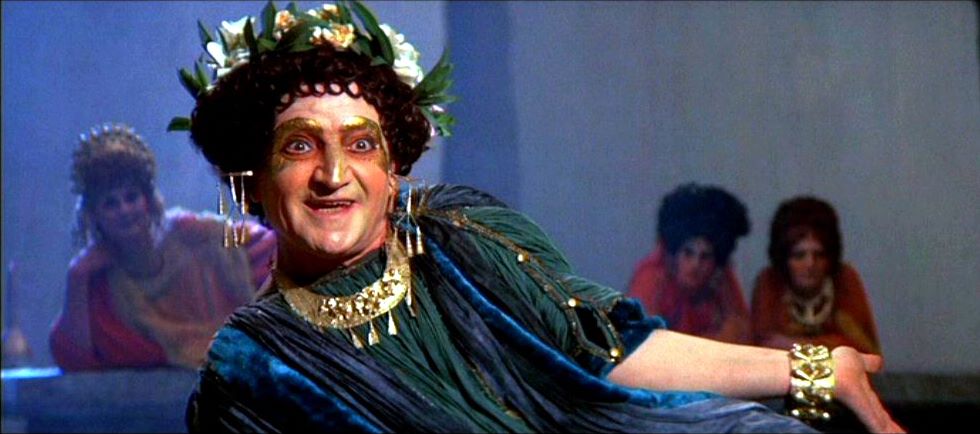
In his famous statement, “history repeats itself, first as tragedy, then as farce,” Marx was riffing on the Hegelian idea that history repeats patterns but in different ways, e.g., the French Revolution leading to Napoleon I (tragedy) and then to rise and fall of Napoleon III (farce).
Or, to draw a North American Parallel, the American Revolution is followed by the Civil War (tragedy) and then by the MAGA revolution (farce).
However, the thing is that when melodrama is exaggerated it becomes comic a la Reefer Madness, but when farce is overly exaggerated, it can become terrifying in a creepy clown sort of way.
I mean, imagine being trapped in an elevator with Don, Jr.’s fiancé Kimberly Guilfoyle! Imagine the future White House wedding.

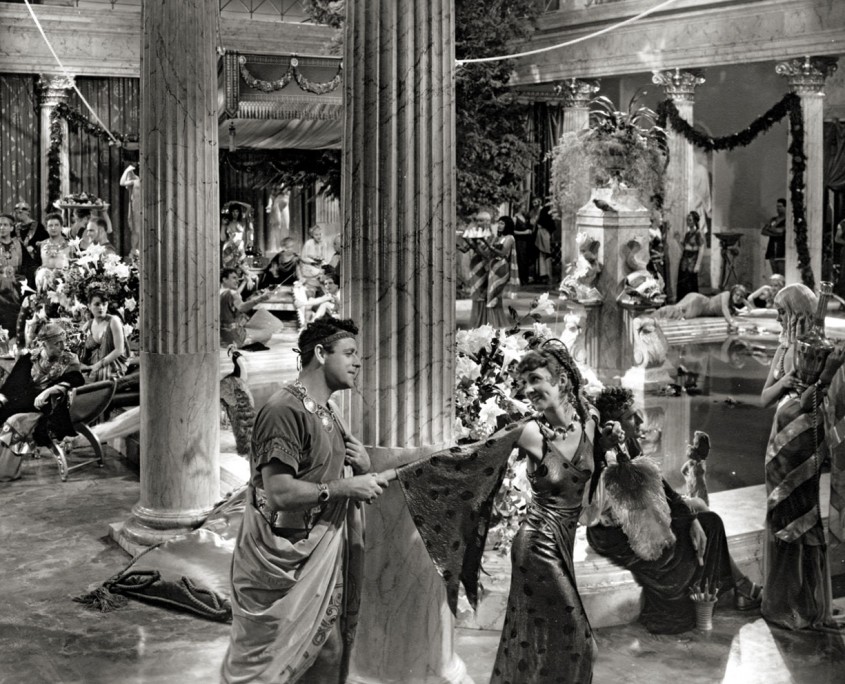
Bring in some pillars and Cecile B DeMille.
[1] from the poison keyboard of Jeff Tiedrich.
[2] Which also provided TS Eliot with his epigraph for “The Waste Land.”
[3] More fun facts to know and share. Fitzgerald’s working title for The Great Gatsby was Trimalchio.


 You Do Hoodoo