Do the Mash Potato, Do the Alligator, Do the TS Eliot

This year’s Spoleto Festival features a potentially budget-busting array of popular musical choices. To wit, Mavis Staples, Patti Smith, Jeff Tweedy, Lucinda Williams, MJ Lenderman, Band of Horses, and Yo La Tengo. 

For the sake of solvency, I’ve limited myself to two performances, Patti Smith and Lucinda Williams. 

First up was Patti Smith, who appeared Wednesday at the Cistern, a splendid outdoor venue located on the College of Charleston’s campus.  

I love Patti Smith. Her injecting high art references into three chord rock inspired me back when I was a wastrel grad student in 1975, a mere half century ago.  The album was Horses, its cover photo shot by Robert Mapplethorpe, her housemate.  What I love about that record is its expansive allusiveness, its juxtaposing via a sonic collage high and low art, Rimbaud and Boney Maroney, bats with baby faces doing the Watusi like Bela Lugosi. But, most of all, what I love is that it rocks.[1]

In my old age, I purchase expensive concert tickets that put us way up front.  For Patti, my wife Caroline and I sat on the third row.  I was under the false impression that Patti might perform the songs of Horses in order, but she only sang one song from the album, “Redondo Beach,” a lilting reggae number whose light-hearted melody belies the lyrics’ first person account of a gay lover’s suicide. 

Why try to explain when you can listen to a snippet yourself.

Anyway, the concert was laidback, with Patti filling up deadtime with friendly anecdotes while her band tuned and retuned their instruments in Kingston-Jamaica-grade humidity. 

Caroline was blown away, and so was I, though I really would have loved it if she had included “Gloria,” a mash-up of the Van Morrison/Them classic and some badass self-assertion:

I walk in a room, you know I look so proud
I move in this here atmosphere where anything’s allowed
Then I go to this here party and I just get bored
Until I look out the window, see a sweet young thing
Humping on a parking meter, leaning on the parking meter 


Oh, she looks so good, oh, she looks so fine
And I’ve got this crazy feeling that I’m going to, ah-ah, make her mine.

G-L-O-R-I-A!!!

photo credit I-and-I

So tonight, we’re headed back to the Cistern to see Lucinda, which for me will be the third time.  She’s had a stroke, which she says affects her guitar playing, but I bet it hasn’t diminished that beautiful distinctive Southern vowel-rich hoarse voice of hers.

I certainly hope not.


[1] You can read a tribute to Patti by clicking HERE.

An Appreciation of Bob Dylan’s “Sad Eyed Lady of the Lowlands”

Having spent a portion of this gorgeous late May day in the cool sunshine of an alfresco cantina where shadows danced on the bar while I slurped down a mahi taco and a couple of session IPAs, I have turned my back on the blue skies overhead and retreated into my ill-lit drafty garret to listen to “Sad Eyed Lady of the Lowlands.” The song takes up the entire side of the second record of Blonde on Blonde. It’s an eleven minute and twenty-three second paean for a lover, perhaps Joan Baez, maybe ex-wife Sara[1]

I still love the song, despite no longer being a romantic in the Percy Byssshe Shelly sense, because the lyrics are so well-crafted that they can almost stand alone naked on a page without musical accompaniment. 

Dylan is the master of the AAAAAAB rhyme scheme, a rarity both in poetry and song lyrics. Dig this: 

Darkness at the break of noon
Shadows even the silver spoon
The handmade blade, the child’s balloon
Eclipses both the sun and moon
To understand you know too soon
There is no sense in trying.[2]

“Sad Eyed Lady” consists of four quatrains with an AAAB rhyme scheme, with a chorus appearing after every second quatrain. (see below)

As I listened to the song on my iMac, I read the lyrics, and much to my delight, I discovered for the first time that in the last line of each quatrain, the penultimate word rhymes with the penultimate word of the previous quatrain.

With your mercury mouth in the missionary times
And your eyes like smoke and your prayers like rhymes
And your silver cross, and your voice like chimes
Oh, who among them do they think could bury you?

With your pockets well protected at last
And your streetcar visions which you place on the grass
And your flesh like silk, and your face like glass
Who among them do they think could carry you?

See and hear for yourself. (I’ve bolded the penultimate words).

With your mercury mouth in the missionary times
And your eyes like smoke and your prayers like rhymes
And your silver cross and your voice like chimes
Oh, who do they think could bury you?

With your pockets well-protected at last
And your streetcar visions which you place on the grass
And your flesh like silk and your face like glass
Who could they get to carry you?


Sad-eyed lady of the lowlands
Where the sad-eyed prophet says that no man comes
My warehouse eyes, my Arabian drums
Should I put them by your gate

Or sad-eyed lady, should I wait?

With your sheets like metal and your belt like lace
And your deck of cards missing the jack and the ace
And your basement clothes and your hollow face
Who among them did think he could outguess you?

With your silhouette when the sunlight dims
Into your eyes where the moonlight swims
And your matchbook songs and your gypsy hymns
Who among them would try to impress you?

Sad-eyed lady of the lowlands
Where the sad-eyed prophet says that no man comes
My warehouse eyes, my Arabian drums
Should I put them by your gate,
Or sad-eyed lady, should I wait?

The kings of Tyrus, with their convict list
Are waiting in line for their geranium kiss
And you wouldn’t know it would have happened like this
But who among them really wants just to kiss you?

With your childhood flames on your midnight rug
And your Spanish manners and your mother’s drugs
And your cowboy mouth and your curfew plugs
Who among them do you think could resist you?

Sad-eyed lady of the lowlands
Where the sad-eyed prophet says that no man comes
My warehouse eyes, my Arabian drums
Should I leave them by your gate,
O sad-eyed lady, should I wait?

Oh, the farmers and the businessmen, they all did decide
To show you where the dead angels are that they used to hide
But why did they pick you to sympathize with their side?
How could they ever mistake you?

They wished you’d accepted the blame for the farm
But with the sea at your feet and the phony false alarm
And with the child of the hoodlum wrapped up in your arms
How could they ever have persuaded you?

Sad-eyed lady of the lowlands
Where the sad-eyed prophet says that no man’s come
My warehouse eyes, my Arabian drums
Should I leave them by your gate,
Or sad-eyed lady, should I wait?

With your sheet metal memory of Cannery Row
And your magazine husband who one day just had to go
And your gentleness now, which you just can’t help but show
Who among them do you think would employ you?

Now you stand with your thief, you’re on his parole
With your holy medallion in your fingertips now enfold
And your saintlike face and your ghostlike soul
Who among them could ever think he could destroy you?

Sad-eyed lady of the lowlands
Where the sad-eyed prophet says that no man comes
My warehouse eyes, my Arabian drums
Should I leave them by your gate,
Or sad-eyed lady, should I wait?


[1] I did have a galley-review of Elijah Wald’s Dylan Goes Electric appear on the massive Dylan site Hard Rain but no comments or emails were forthcoming from the future Nobel laureate. 

[2] On the song “Sara<” he writes ” Stayin’ up for days in the Chelsea Hotel/
Writin’ “Sad-Eyed Lady of the Lowlands” for you.”

[3] “It’s Alright, Ma, I’m Only Bleeding.”

Jimmy Buffett’s Party’s Over

I sort of wince whenever I read the expressed shock of social media sharers taken aback at the death of aged musicians like Gordon Lightfoot, Robbie Robertson, or Charlie Watts. After all, no one should be shocked by the death of septuagenarians or octogenarians. The surprising thing to me is that these musicians managed to amass so many years given all the primary and secondary smoke they inhaled – not to mention the drugs, unsafe sex, and chartered flights.

Nevertheless, Jimmy Buffett’s demise did surprise me, maybe because he seemed unstoppable and forever young, a near (if not literal) billionaire who transformed his pop-a-top Texas-tinged Calypso into a financial lifestyle empire. I perhaps should add here that my cynicism prevented me ever coming close to being a parrothead. Despite my epicureanism, I’m not a fan of “resort casual” or much of his music after his AIA album. Maybe he was too much like me, or I was too much like him, to like him. 

That said, Jimmy seemed to be a genuinely good fellow. I saw him live once, not on stage, but sitting across the bar from me in Oliver’s Pub in Columbia, South Carolina in 1976. His girlfriend/future wife was student at USC at the time, as was I, sort of. I’m not one to intrude upon celebrity, so I let him and her be.

What does surprise me, though, is how much his death saddens me. “Know thyself,” the Delphic Oracle advises. Maybe I need to get around to that before it’s too late.

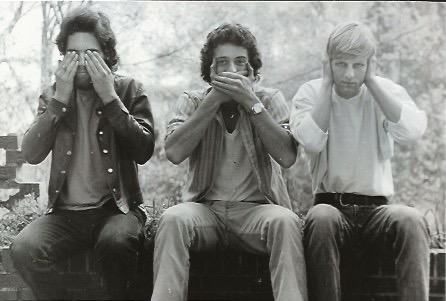
Me in 1976 on the left along with John Robinson and someone named Lee (photo credit Jim Huff)

Andrew Hickey Explains Swing, Boogie Woogie, Backbeats, and All That Jazz

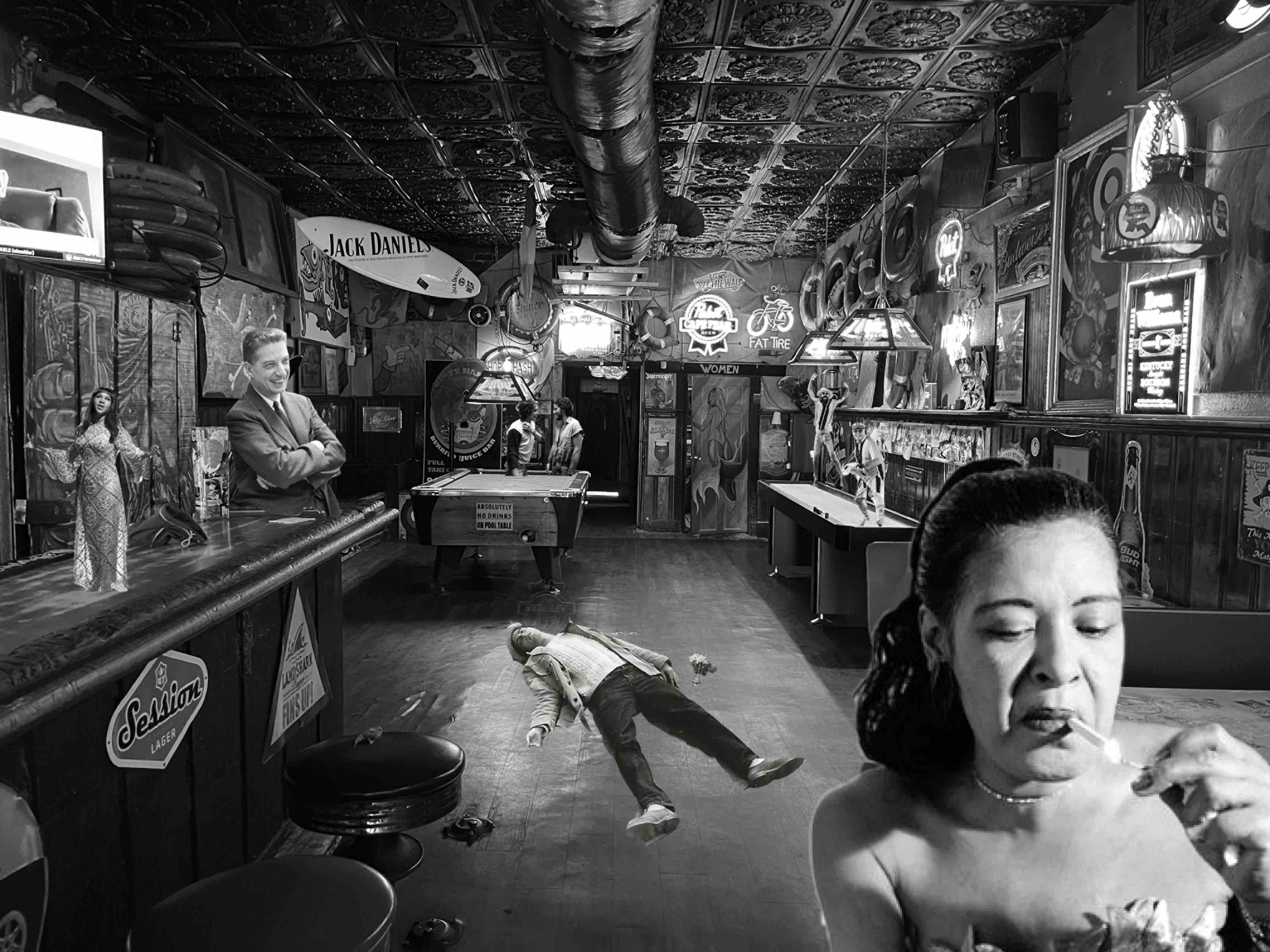
From left to right Aretha Franklin, John Hammond, Bob Dylan, Bruce Springsteen, Rusty Moore, Kip Vino, Erich Huber, Billie Holiday

Thanks to my pal Erich Hubner, the guitarist of the killer cover band Pleasure Chest, I’m getting schooled by the ridiculously erudite musicologist Andrew Hickey, whose podcast The History of Rock Music in 500 Songs traces the evolution of rock-n-roll from its earliest influences up until 1990. 

Sometimes the best things in life are free, if you have access to a computer, that is.

Recently, Erich and Pleasure Chest’s front man Kip Veno and I-and-I wandered uptown to Leon’s to slurp down some oysters, and Erich asked me if I were familiar with the Hickey’s podcast, and since I’ve only listened to one podcast ever, the answer was, um, no. Erich convinced me that I’d find it interesting, and man oh man was he ever right.

BTW, if you wanna see Pleasure Chest in action, click HERE.

I’m only two episodes in, but already I’ve learned so so much. I thought I was hip when it came to John Hammond minutia.  John Hammond, a scion of the Vanderbilt clan, went rogue, became a 20th century champion of civil rights and the most influential record producer in history.[1] He’s also the father of John Hammond, Jr, a bluesman whose cover album of Tom Waits tunes is to my mind a classic. Waits actually plays on the album. 

Oh where was I?  Oh yeah, here’s one thing I didn’t know about Hammond: he introduced Fletcher Henderson to Benny Goodman, Hammond’s brother-in-law, and Henderson integrated Goodman’s band, along with the great vibraphonist Lionel Hampton, who wittily observed that you needed both black and white keys to play a piano. The Goodman band was the first band to feature both black and white musicians, and Hammond was the catalyst. 

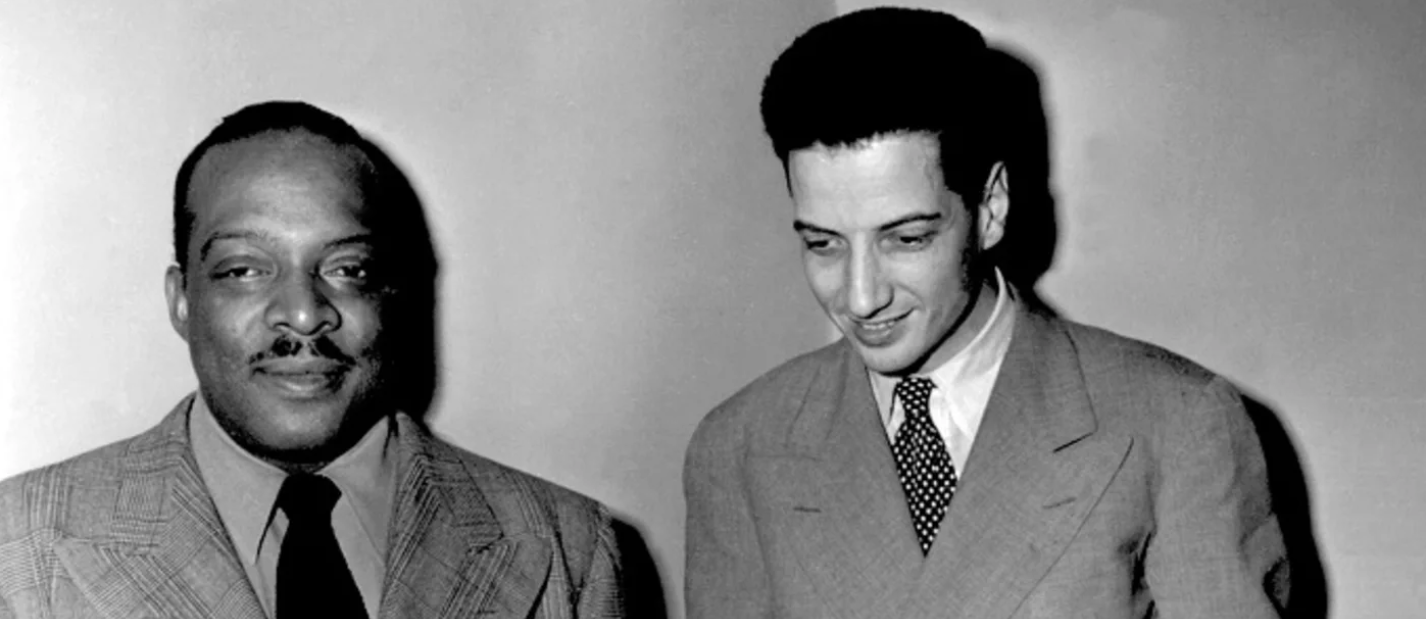
Count Basie and John Hammond

Henderson went on to lead his own big band that featured the likes of Louis Armstrong, Red Allen, and Coleman Hawkins. Excuse me for all this tangentification.[2]

Anyway, Andrew Hickey is not only encyclopedic in his knowledge of popular music, but he’s also a trained musician who can demonstrate sonically the differences among the big band’s swing beat, boogie woogie, and rock-n-roll’s backbeat. He does this with vocalizations along with clips from recordings.

He begins “Episode 1” by exploring early influences on rock, starting with Benny Goodman’s sextet that featured Charlie Christian, an early electric guitarist who way back in the 30s was playing proto rock-a-billy riffs, which Hinckley illustrates in the featured song of the episode “Flying Home.” Anyway, I’m nerding out on y’all, zigzagging all over the place. My main purpose here is to have you check out the podcast and Hickey.  If you’re into popular American music, it’s more than worth your while.

Here’s a link to his website: https://500songs.com

Andrew Hickey


[1] Here’s a partial catalogue of musicians he discovered and recorded: Bennie Goodman, Count Basie, Billie Holiday, Bessie Smith Aretha Franklin, Bob Dylan, Leonard Cohen, Bruce Springsteen, and Stevie Ray Vaughan.

[2]  Fedora tip to Dr. John.

Bo Diddley Revisited

Bo Diddley Revisited

I’ve been making good use of my time, watching YouTube videos of interviews with Eric Burdon, former front man for the Animals.[1] In the mid-Sixties, the Animals ranked as my favorite band because the timbre of Burdon’s singing voice sounded as if he could have been from my native ground, the Lowcountry of South Carolina (as opposed to Eric’s Newcastle-upon-Tyne). In fact, it was the Animals, and to lesser extent the Rolling Stones, who introduced me the blues, to Muddy Waters, Howlin Wolf, John Lee Hooker, and a host of others.

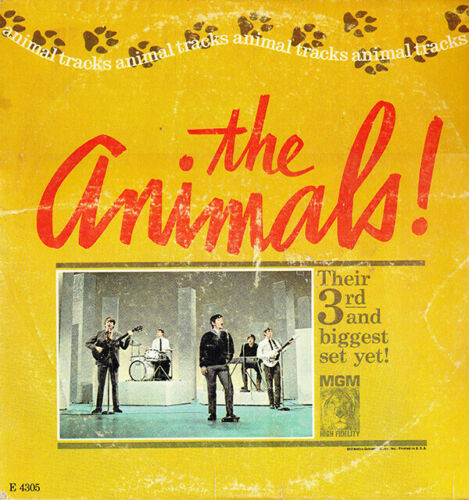
Decades ago, at his record store on Society Street (we’re talking Charleston, South Carolina), Gary Erwin, AKA Shrimp City Slim, told me that the Animals also had turned him onto R&B and the blues. He referenced their album Animal Tracks as his gateway into the land of shotgun shacks, cotton fields, black snakes, two-timing, big-legged women, and prison farms. 

Here’s the tracklist for Animal Tracks.

A1We Gotta Get Out Of This Place3:17
A2Take It Easy Baby2:51
A3Bring It On Home To Me2:40
A4The Story Of Bo Diddley5:42
B1Don’t Let Me Be Misunderstood2:26
B2I Can’t Believe It3:35
B3Club A-Go-Go2:19
B4Roberta2:04
B5Bury My Body2:52
B6For Miss Caulker3:55

Although “We Gotta Get Out of This Place” and “Don’t’ Let Me Be Misunderstood” are the big hits from the album, my two favorite tracks are the magnificent cover of Sam Cooke’s “Bring It on Home to Me” and “The Story of Bo Diddley,” a sort of pop song bio of one of the pioneers of rock-n-roll, which ends with a comic encounter when Bo, his sister the Duchess, and Jerome Greene meet the Animals at the Club A-Go-Go in Newcastle. 

Listen and read along:

Now lets hear the story of Bo Diddley
And the Rock n Roll scene in general

Bo Diddley was born Ellis McDaniels
In a place called McCoom, Missississipi about 1926
He moved to Chicago about 1938
Where his name was eventually changed to Bo Diddley.


He practiced the guitar everyday and sometimes into the night
Till his papa’s hair began to turn white
His Pa said “Son, listen hear, I know
You can stay but that guitar has just gotta go.”


So he pulled his hat down over his eyes
Headed out for them Western Skies
I think Bob Dylan said that, he hit New York City.


He began to play at the Apollo in Harlem,
Good scene there, everybody raving.
One day, one night, came a Cadillac with four head lights
Came a man with a big, long, fat, cigar said,
“C’mere son, I’m gonna make you a star”
Bo Diddley said, “Uh.whats in it for me?”
Man said, “Shut your mouth son,
Play the guitar and you just wait and see.”


Well, that boy made it, he made it real big
And so did the rest of the rock n roll scene along with him
And a white guy named Johnny Otis took Bo Diddleys rhythm
He changed it into hand-jive and it went like this
In a little old country town one day
A little old country band began to play
Add two guirtars and a beat up saxophone
When the drummer said, boy, those cats begin to roam

Oh baby oh we oh oh
Ooh la la that rock and roll
Ya hear me oh we oh oh
Ooh la la that rock and roll

Then in the U.S. music scene there was big changes made.
Due to circumstances beyond our control such as payola,
The rock n roll scene died after two years of solid rock
And you got discs like, ah…
Take good care of my baby
Please don’t ever make her blue and so forth.


About, ah, one year later in a place called Liverpool in England
Four young guys with mop haircuts began to sing stuff like, ah…
It’s been a hard days night and I’ve been working like a dog and so on.

In a place called Richmond in Surrey, whay down in the deep south

They got guys with long hair down their back singing
I wanna be your lover baby I wanna be your man yeah and all that jazz.


Now we’ve doing this number, Bo Diddley, for quite some time now
Bo Diddley visited this country last year
We were playing at the Club A Gogo in Newcastle, our home town.

The doors opened one night and to our surprise
Walked in the man himself, Bo Diddley
Along with him was Jerome Green, his maraca man,
And the Duchess, his gorgeous sister.
And a we were doing this number


Along with them came the Rolling Stones, the Mersey Beats,
They’re all standing around diggin’ it
And I overheard Bo Diddley talkin’
He turned around to Jermone Green
And he said, “Hey, Jerome? What do you think these guys
Doin’ our.our material?”


Jerome said, “Uh, where’s the bar, man? Please show me to the bar…”


He turned around the Duchess
And he said, “Hey Duchess… what do you think of these young guys
Doin’ our material?”


She said, “I don’t know. I only came across here
To see the changin’ of the guards and all that jazz.”


Well, Bo Diddley looked up and said to me,
With half closed eyes and a smile,
He said “Man, ” took off his glasses,
He said, “Man, that sure is the biggest load of rubbish
I ever heard in my life…”


Hey Bo Diddley
Oh Bo Diddley
Yeah Bo Diddley
Oh Bo Diddley
Yeah Bo Diddley

from lest to right, Bo Diddley, the Duchess, and jerome Green
Bo, the Duchess, and Jerome Green

By the way, this is my second homage to Bo. I also wrote about him in April of 2021 and my father-in-law’s Bo Diddley obsession. If so inclined, you can access that HERE, and it features videos of Bo performing on the Ed Sullivan Show and a snippet from the movie Fritz the Cat

By the way, the white fellow in the collage up above is my father-in-law Lee Tigner in his younger days.

[bongo fade out]


[1] What prompted this foray into nostalgia was my recent poem, which you can access HERE, “The St James Infirmary iPhone Blues.”

Death and Dominos

Death and Dominos

Be absolute for death; either death or life
Shall thereby be the sweeter.

Duke Vencentio, Measure for Measure, 3.1

Yesterday, on what would have been Janis Joplin’s 80th birthday, I was shooting the breeze with bluesman Johnny Holliday at Chico Feo and asked him if he’d ever heard of Steve James, the superb blues guitarist who died earlier this month.

Johnny Holliday

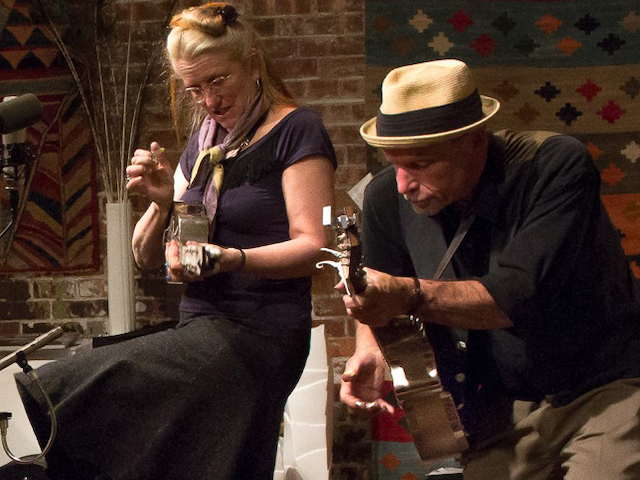
Johnny hadn’t, so I sang Steve’s praises, mentioning his partnership with Del Ray, a ukulele virtuoso. Johnny asked how old Steve was when he passed, and I replied 72.

“Well, that’s a good age to die,” the thirty-something said, and I agreed, but mentioned I’d just turned seventy.

A sheepish look, a nod of the head. “You don’t look seventy,” he graciously said, and I responded with a thank you, attributing my supposed well-preserved wreckage to clean living and the fedoras that hide my freckled bald scalp.

After I made my way home, climbed the stairs to my drafty garret, and logged on my computer, I learned that David Crosby had just bitten the dust at the beyond ripe old age of 81, he who had been addicted to cocaine and heroin but who nevertheless had managed to outlive the author of the best-selling book The Complete Guide to Running,Jim Fixx, who succumbed to a heart attack while jogging at the age of 52.

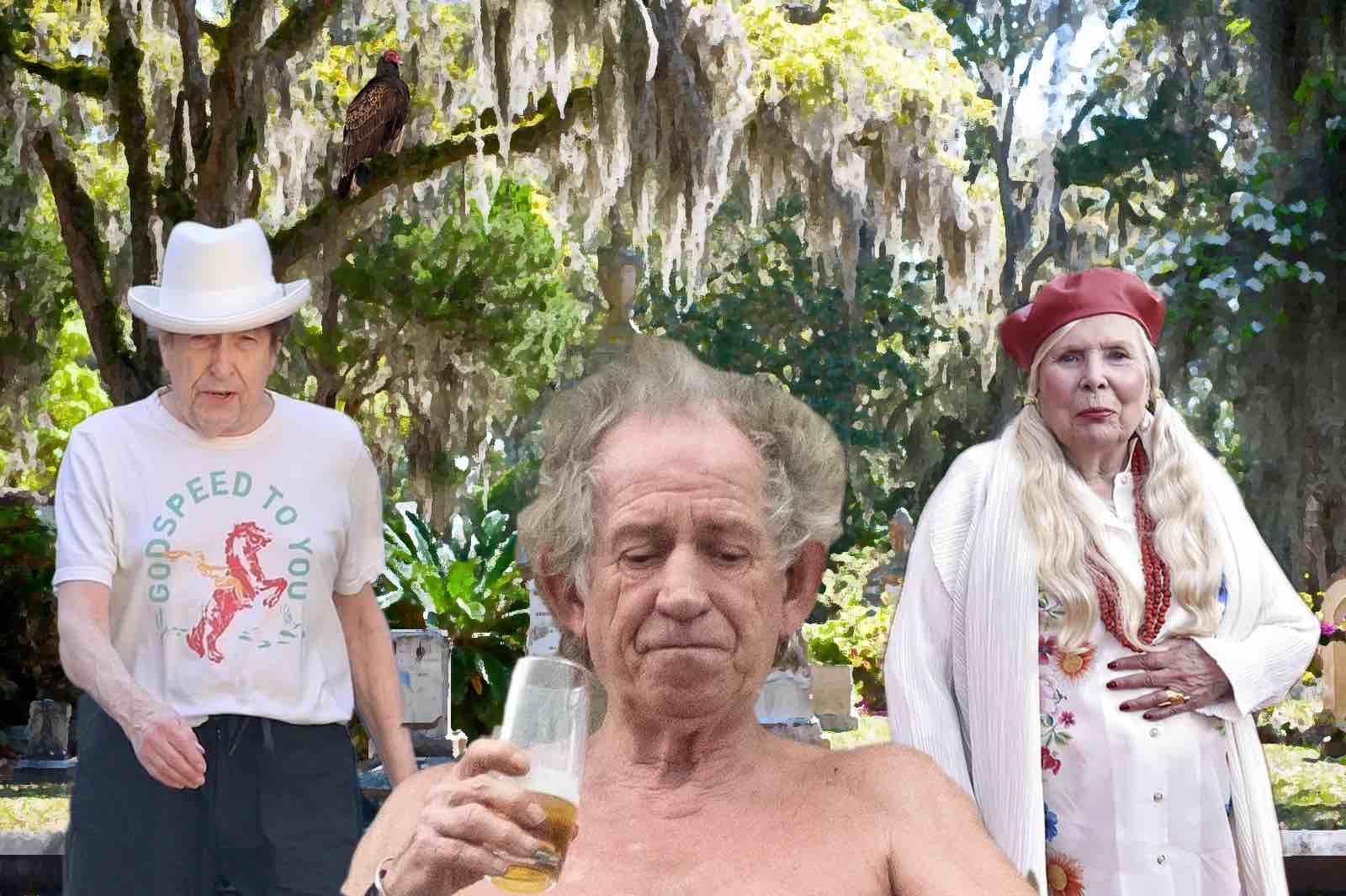
I will have to say that David Crosby looked worse for the wear, as does his one-time collaborator Joni Mitchell. Jeff Beck, on the other hand, who died suddenly five days ago, looked pretty damned good, though unlike David and Joni he dyed his hair.[1]

Anyway, these iconic rock stars of yore seem to be on a death roll, falling like dominos, painfully reminding the “me generation,” i.e., m-m–my generation, that all good, bad, and indifferent things must come to an end.  

A host of others are waiting in the wings, Rod Stewart (78), Pete Townsend (78), Eric Clapton (75), Tina Turner (85), Paul McCartney (80), Ringo Starr (82), Keith Richards (79), Mick Jagger (79), Robert Plant (75), Willie Nelson (89), Joan Baez (82), and the man himself, Bob Dylan (81).

Bob’s demise will likely warrant a screaming above the fold front page headline in the New York Times and Washington Post.

By the way, I saw Dylan live last spring, and the show was terrific, the songs new, the interplay with bandmates a thing of beauty.

Anyway, back to the subject. This is counterintuitive, but it seems as if rock musicians, at least famous rock musicians, enjoy longevity, outpacing the general life expectancy of 71.6 – 73.2.  Maybe the secret is avoiding those overdoses they’re prone to in their 20s and, of course, avoiding the helicopter and plane crashes that seem to take out so many.

And on that upbeat note, I’ll leave you to take my blood pressure and cholesterol meds.

Ciao.

Del Rey and Steve James

[1] Maybe Mick Jagger should give up the ol’ hair dye. Once you hit the big 8-0, dark hair looks weird, sort of creepy, according to me, a fashion aficionado.

The Eclectic Musings of Bob Dylan

image courtesy of The Telegraph

I consider Bob Dylan’s Theme Time Radio Hour one of the musical highlights of the early 21st Century. Each week from May 2006 to April 2009, for an hour Dylan aired a sort of parody of an AM radio show, except that the songs weren’t the latest hits from the Hot 100 but an eclectic, carefully curated set of tunes based on particular themes, like drinking, divorce, summer, etc.

Here are the songs from Episode 14, The Devil, compliments of Wikipedia.

  1. “Me and the Devil Blues” – Robert Johnson (1936)
  2. “Satan is Real” – The Louvin Brothers (1958)
  3. “Friend of the Devil” – Grateful Dead (1970)
  4. Devil In Disguise – Elvis Presley (1963)
  5. The Devil Ain’t Lazy – Bob Wills and His Texas Playboys (193 ?)
  6. Christine’s Tune (The Devil in Disguise) – The Flying Burrito Brothers (1969)
  7. Suzanne Beware of the Devil – Dandy Livingston (1972)
  8. Devil In His Heart – The Donays (1962)
  9. Must Have been the Devil – Otis Spann (1954)
  10. Devil’s Hot Rod – Johnny Tyler (1955)
  11. Devil Got My Woman – Skip James (1931)
  12. Between The Devil And The Deep Blue Sea – Count Basie & His Orchestra with Helen Humes (1939)
  13. Devil With A Blue Dress On – Shorty Long (1964)
  14. Devil’s Haircut – Beck (1996)
  15. “Race With the Devil” – Gene Vincent (1956)
  16. “Way Down In The Hole” – Tom Waits (1987)
  17. “Go Devil Go” – Sister Lille Mae Littlejohn (1948)

In between songs Dylan plays the part of an avuncular DJ, telling jokes, taking calls from fictitious listeners and actual celebrities, and most interesting to me, providing oral liner notes on the history of the musicians and songs. Suffice to say that his knowledge of popular music is encyclopedic, as indeed the wide-ranging selection of musicians and genres of Episode 14 suggests.

Dylan brings the same spirit and encyclopedic knowledge to his just published tome The Philosophy of Modern Song. The book, a compilation of observations of 66 songs, runs 339 pages and is richly illustrated with photographs, movie posters, magazine covers, vintage advertisements, postcards, and paintings. Even non-Dylan fans might enjoy flipping through and checking out the illustrations.

Dylan doesn’t really analyze the songs, but instead paraphrases them in riffs often rendered in second person. For example, here’s his take on “Money Honey,”  a Jesse Stone song made famous by Elvis:

“This money thing is driving you up the wall, it’s got you dragged out and spooked, it’s a constant concern. The landlord’s at your door, and he’s ringing the bell.  Lots of space between the rings, and you’re hoping he’ll go away, like there’s nobody home.  You stare through the blinds, but he’s got a keen eye and sees you. The old scrooge has come for the rent money for the 10th time, and he wants it on the double, no more hanky-panky.”

This jaunty, somewhat down-home prose is reminiscent of his DJ persona’s voice (and might be the way he actually speaks for all I know).

And again, as in Theme Tme Radio, Dylan sometimes provides background by the way of bio.

After paraphrasing Eddie Arnold’s “You Don’t Know Me,” Dylan provides some history:

“Eddie Arnold grew up on a farm, but he also worked in the mortuary field. He was managed by Colonel Tom Parker, who eventually dubbed him “the mortician plowboy” — not even Solomon Burke could call himself that.”

At other times, he philosophizes. Here’s the tail end of his treatment of Pete Townsend’s “My Generation”:

“Today it’s commonplace to stream a movie directly to your phone. So when you’re watching Gloria Swanson as faded movie star Norma Desmond proclaim from the palm of your hand, ‘I am big, it’s the pictures that got small,’ it contains layers of irony that writer/director Billy Wilder could never have imagined [. . .]

“Every generation gets to pick and choose what they want from the generations that came before them with the same arrogance and ego driven self-importance that previous generations had when they picked the bones of the ones before them.”

My approach is to listen to the songs via YouTube and read the lyrics, then read Dylan’s take. It’s a lot of fun, and I’m learning a helluva lot and discovering songs I’ve never heard of. Of course, you  can jump around, say from Bobby Darin’s “Beyond the Sea” on page 85 to Warren Zevon’s “Dirty Life and Times” on page 191, but I prefer to go in order, one revelation at a time.

His Town, My Town, Our Towns

What a wonderful stroke of luck to be born and grow up in a quaint town like Summerville, South Carolina, with its verdant, lush, flowery neighborhoods and old-fashioned downtown one-story shops and cafes. Of course, nowadays, the nowhere-that’s-everywhere sprawl of Walmarts, strip shopping centers, and hotel chains have grown outward from the town proper, creating traffic tie-ups and spritzing stress. Nevertheless, to live in the Old Village, on Sumter[1] Avenue, let’s say, is to reside in a lovely neighborhood that hasn’t changed significantly in nearly a century. Perhaps terrestrial and architectural beauty counteract humans’ inherent inclination to seek adventure because many natives spend their entire lives in Summerville.

408 Sumter Avenue

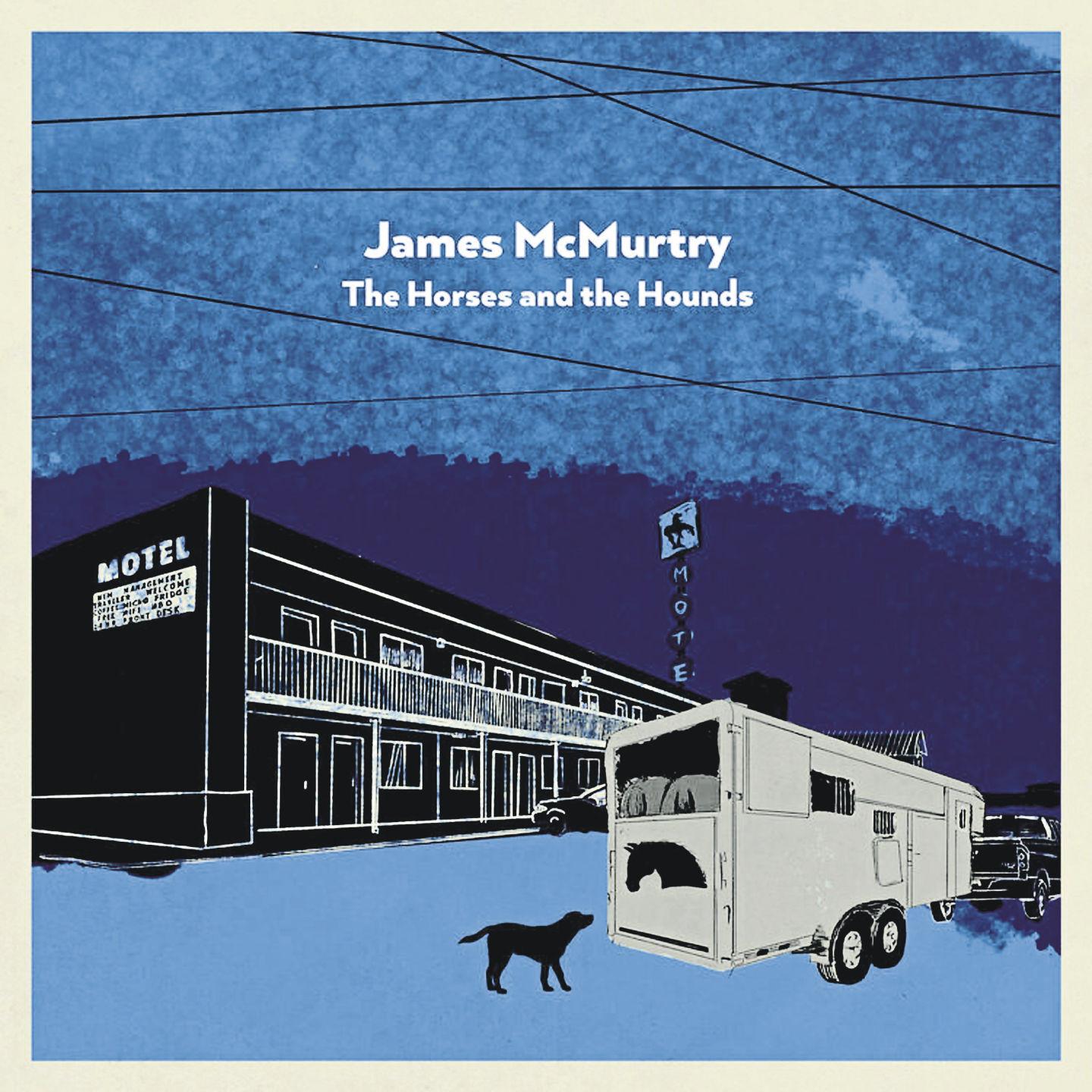
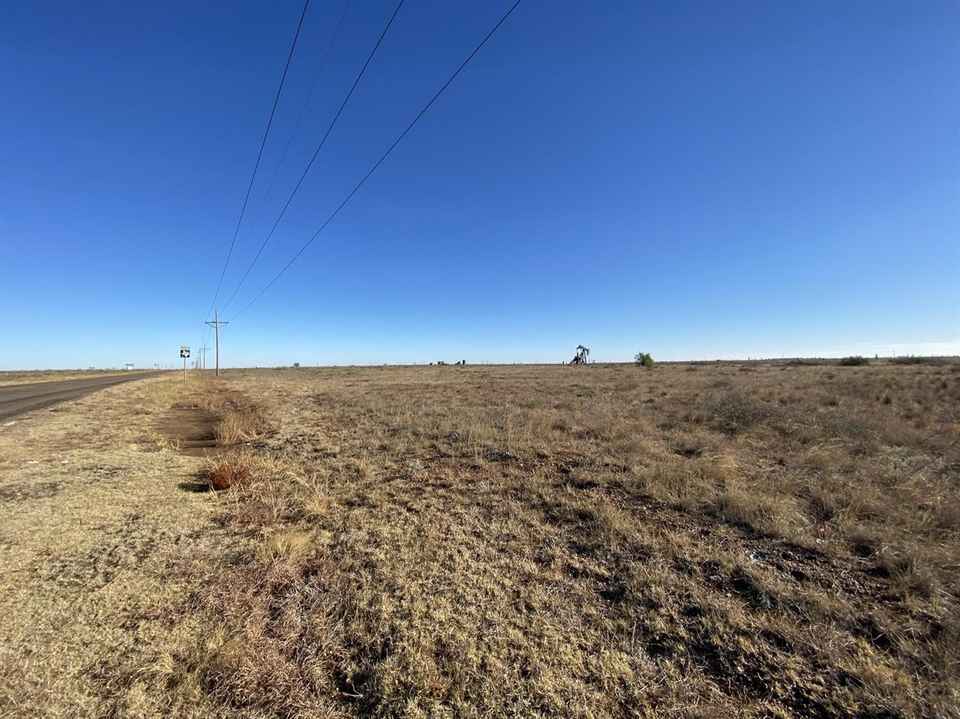
These thoughts have come to me this gorgeous May 11th after listening to Robert Earl Keen’s cover of James McMurtry’s minor masterpiece “Levelland,” an anti-ode that dismisses an uninspiring town in west Texas. McMurtry was born in Fort Worth and grew up for the most part in Leesburg, Virginia, the son of the celebrated novelist Larry McMurtry.[2]  Nevertheless, his first-person narrator comes across as a living, breathing human being born and bred in an American wasteland.[3]  Unlike the unrestless denizens of Summerville, he can’t wait to get the hell out of a town that makes Dodge look like an oasis of cultural richness.

from a real estate ad for land for sale in Levelland, TX

Here’s the first stanza:

Flatter than a tabletop
Makes you wonder why they stopped here
Wagon must have lost a wheel or they lacked ambition one
On the great migration west 
Separated from the rest
Though they might have tried their best
They never caught the sun
So they sunk some roots down in the dirt 
To keep from blowin’ off the earth
Built a town around here
And when the dust had all but cleared
They called it Levelland, the pride of man
In Levelland.

What follows is a family history fraught with agricultural hardship and the depletion of the land, his grandaddy growing “dryland wheat,” his daddy growing cotton “so high” that it “sucks the water table dry” while “rolling sprinklers circle round bleedin’ it to the bone.”

He’s seen jets flying overhead and has promised himself he won’t be in Levelland when the soil “dries up and blows away.”

In Keen’s rendering, the last stanza ends in an insistent heroic thrust as the narrator engineers his escape.

Mama used to roll her hair
Back before the central air
We’d sit outside and watch the stars at night
She’d tell me to make a wish
I’d wish we both could fly
Don’t think she’s seen the sky
Since we got the satellite dish and
I can hear the marching band
Doin’ the best they can
They’re playing “Smoke on the Water”, “Joy to the World”
I’ve paid off all my debts
Got some change left over yet and I’m
Gettin’ on a whisper jet
I’m gonna fly as far as I can get from
Levelland, doin’ the best I can
Out in Levelland – imagine that.

I suspect, alas, that even in picturesque Summerville, many mamas haven’t seen the waning of the moon in the nighttime sky since the advent of cable television and social media.

And yes, some of us natives do move away – I, though, only about thirty miles to a town not unlike Summerville, a community with Spanish moss and small shops, though with a greater influx of tourists and many more drinking establishments and restaurants per capita.

Folly Beach isn’t exactly Summerville by the Sea. It’s more like, to echo Winston Foster, aka Yellowman, a “little Key West.”

It, too. is about as flat as you can get, but it’s no Levelland, though; come to think of it, no one has come close to writing such as good song about Summerville or Folly Beach as McMurtry has about the desolation of that West Texas hellhole.


[1] The towns of Sumter and Clemson share the strange linguistic quirk of having an invisible P-sound in their pronunciations.

[2] James went to Woodberry Forrest School and studied English and Spanish at the University of Arizona. By then, his father was back in Texas living in an “little bitty ranch house crammed with 10,000 books.” [BTW, the Wikipedia version of this quote (cited here) irritatingly had the period outside the quotation marks]. But since this post is perhaps riddled with typos, I should perhaps STFU.

[3] Of course, creating true-to-life characters is what fiction’s all about. In this sense, James is Larry’s son.

Song Lyrics as Opposed to Poetry, George Fox Edition

George Fox, photo by Caroline Tigner Moore

Generally, when I first listen to a song, I don’t pay much attention to lyrics. If I dig the melody and beat – as the boppers used to say on Bandstand – I’ll start paying closer attention to the words, and if the diction is clever or thought-provoking, all the better.

After all, it’s really rare to encounter lyrics that possess the compression and structural integrity of poetry, i.e., to find songs with words that can stand alone on a page and engage sans musical accompaniment.

My friend George Fox’s latest song – so new that it’s still untitled – comes close to accomplishing this rare feat. The song, which consists of three verses followed by a chorus, distills a lifetime in four-and-a-half minutes and does so employing diction, imagery, and structure that reinforce and embody the song’s central theme, what Andrew Marvell famously dubbed “time’s wingèd chariot.” George wrestles with the metaphysics of time, the illusive nature of past, present, and future, and how a lifetime passes [cliché alert] in the blink of an eye.

The song begins with a callous youth speeding through life in rural Orangeburg County, South Carolina:

Just eighteen, driving an old pickup truck,
Joint in the ashtray and a bed full of luck.
Running nowhere as fast as I can
Down an Orangeburg County washboard road
Not enough sense to take it slow.
Rolling Stones singing “Street Fighting Man.”

Here, the theme of speed is introduced, and we have our first bit of compression in the allusion to the Stones’ “Street Fighting Man,” which melds the attitude of the the speaker in the Stones’ song with George’s narrator, both young men fueled by the fire of youthful exuberance.

What’s a poor boy to do but “run nowhere as fast as [he] can?”

The chorus shifts to the present, and again, we have speed, the idea of chasing “the dying light,” or as Marvell puts it in “To His Coy Mistress,” although “we cannot make our sun /Stand still, yet we will make him run.” Yet, in the last line, the speaker comes to the realization it’s always now, that the past and future only exist in the present and meaning lies in perspective, depending on where “you’re standing.”

Right outside of your window, just outside your door,
Everything is waiting for you
To fall into the night and chase the dying light.
There’s no need to be gentle.
Sometimes it’s heaven, sometimes it’s hell.
Sometimes it’s hard to tell.
All depends on where you’re standing.
I stand before you now, and I see it written in in the clouds,
All that was and is and could be is now.

In the video below you can check out the first verse and chorus from a live performance at Chico Feo’s Monday Night Singer/Songwriter Soapbox, which George emcees. The song is a work-in-progress, and for me, it’s thrilling to see it evolve on stage, as George experiments with phrasing and gestures.

In the second verse, the middle verse, the narrator finds himself suddenly middle aged, “thirty-three/With two little boys sitting on my knee” and has come to know “how love is made,” but swoosh, suddenly, with the days having flown by “like a midnight train,” he looks down to see, not his sons, but his granddaughter Eliza Jade.

Turned around and I was thirty-three
With two little boys sitting on my knee,
And I realized how love is made.
The days flew by like a midnight train.
The years fell on me like the pouring rain.
Now I look down and see Eliza Jade.

The last stanza arrives like a melancholy last act, with “second guesses, another last chance, and one more shot.” Once again, the radio is playing, not “Street Fighting Man,” but “a brand new song” saying “the same old thing” but “still get[ting] it wrong.”

Second guesses are all I’ve got,
Another last chance and one more shot.
And how I got here I don’t even know.
The radio plays a brand new song.
It says the same old thing they still get wrong
Oh man, and so it goes.

And so it goes – a lifetime distilled into a handful of words.

I could go on about structure, how the number three is central to the architectonics – three six-line stanzas, three nine-line choruses, the narrator citing at one point his age is thirty-three, but you’d think I was overdoing it, and you’d be wrong. If it’s there, it’s there, whether the artist planned it or not. Making art is like dreaming, it comes from below, often surprising the artist him or herself.

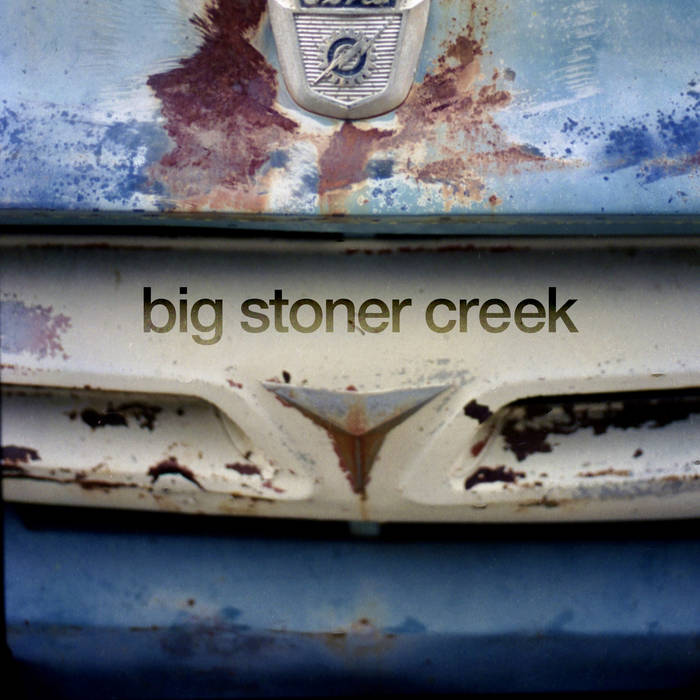
By the way, George’s band Big Stoner Creek has a new album out. You can check it out HERE.

PS. Here’s an earlier rendition of stanza three and the concluding chorus:

“The Best Bad Dylan I Ever Saw”

In a not so shocking development, Bob Dylan’s coming to Charleston, South Carolina, in his Never Ending Tour.[1]

The cat’s indefatigable: March 16, Austin, March 18 Shreveport, March 19 New Orleans, March 21 Montgomery, March 23 Nashville, March 24 Atlanta, March 26 Savannah, March 27 Charleston . . . [2]

And the beat goes on, as they say.

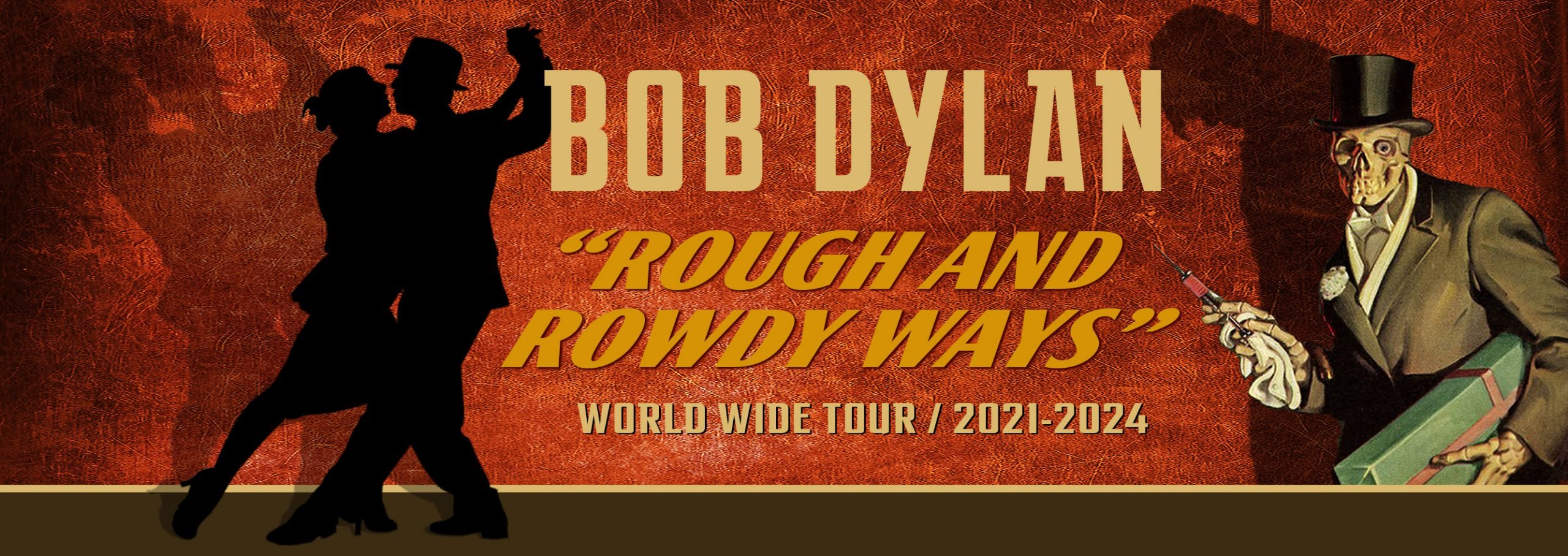
I just checked the last set list from December of 2021, and if you’re planning to attend a show, I strongly suggest purchasing the album Rough and Rowdy Ways because a majority of the songs performed (at least in December of 2021) come from the album, his first album of original songs since 2012.

Here’s the first paragraph of Jon Parleles’ review in the Times:

Latter-day Bob Dylan is for die-hards. His voice is tattered and scratchy, not always bothering to trace a melody. His lyrics can be cryptic or throwaway when they’re not downright bleak. His music is adamantly old-fashioned, and he’s not aiming to ingratiate himself with anyone.

And the last:

And in “Black Rider,” a string-band ballad that tiptoes along, pausing each time Dylan takes a breath, he addresses a mysterious figure — Death, perhaps — with alternating sympathy and aggression. “Don’t turn on the charm,” he warns. “I’ll take a sword and hack off your arm.” For all he has seen and sung, on “Rough and Rowdy Ways” Dylan refuses to settle down, or to be anything like an elder statesman. He sees death looming, but he’s still in the fray.

I should add, perhaps, that his shows are for die-hards as well. Sometimes, because he has changed the melodies and his voice is indistinct, you might not recognize a song, even an iconic one like “Blowing in the Wind,” until it’s almost done.

Obviously, I’m one of the die-hards, and I’ve seen some fantastic concerts, one in Columbia, SC, in 1988, one at the North Charleston Coliseum in which he played a killer electric guitar, and my favorite, at the Orange Peel, a bar in Asheville, during the 2004 election campaign.

I’ve also seen some less than stellar shows, the worst outside at the Joe with Willie Nelson as the opening act.

But I’ve never seen one quite as bad as my pal, fellow die-harder, Jeremy Jones described to me last night at Low Life, one of Folly’s coolest spots. Anyway, I’ll let Jeremy tell it.

“The best bad Dylan I ever say was at the Saegner Theater in New Orleans. He was as drunk as a skunk. The band went into the Hendrix version of “All Along the Watch Tower,” and he stumbled to the mike and started singing “Like a Rolling Stone,” and the band was like, what the? I mean it was absolutely fantastic.”

This occurred in the Aughts, so I suspect we’ll not witness something so conjunctificated, but if we do, I’ll be smack dab in the middle of Row A in the orchestra, if Dylan and I are still among the quick, that is.

illegal photo by my son Ned Moore

[1] It began 2 June 1988 and has featured 3,066 shows and counting. Of course, one day it will end, when ol’ Bob succumbs to something or another. Certainly, Keith Richards will be named one of the pallbearers.

[2] No wonder is voice is raspy.