Alex Werrell’s Book Launch Intro for Long Ago Last Summer

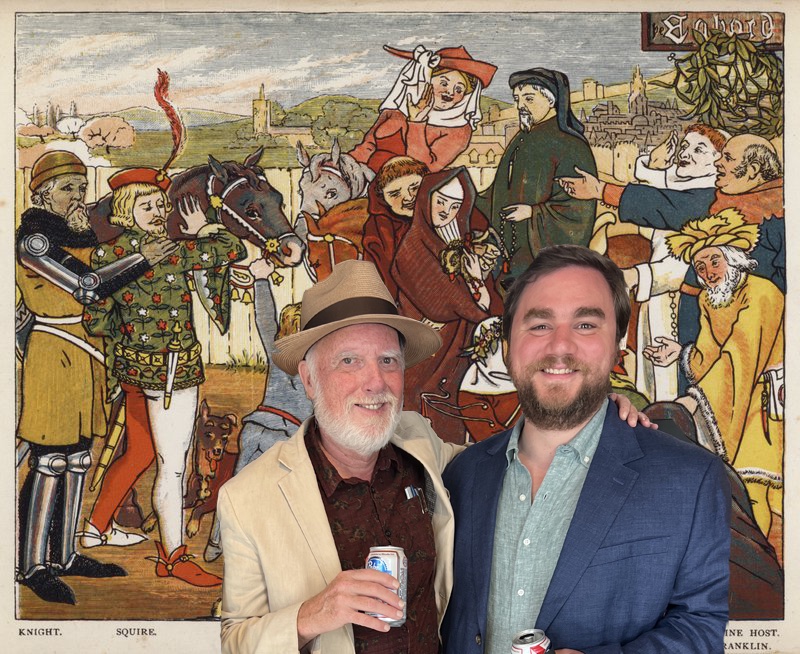
My former student and forever friend Alex Werrell has, as my mother used to say, “a way with words.”  I discovered that talent when I taught him in an honors Brit Lit survey several years ago at Porter-Gaud School.  When we were reading Chaucer’s Canterbury Prologue, Alex, an opera buff, turned me on Alessandro Moreschi, “the last castrato.”  Chaucer hints that the Pardoner has been, as we callous pet owners say, “fixed.” 

No berd hadde he, ne nevere sholde have

As smothe it was as it were late y-shave

I trowe he were a geldyng or a mare.[1]

I explained to the horrified students that boys with beautiful voices were sometimes disencumbered of their testosterone-producing testicles to preserve the youthful timbre of their angelic voices, “a small price to pay for art’s sake,” I’d joke.

Playing Moreschi’s recording of “Ave Maria” became a tradition in my British Lit course. Forgive the cliche, but talons raking a blackboard would be a more pleasant sound. What a pleasure to watch the students squirm!

Alex ended up at Yale where he earned a BA and MA in English and became the mentee of the great literary critic Harold Bloom.  After Yale, Alex remained in New Haven, published essays in Salon, and taught, first at the Hopkins School, and now at Taft.

After I heard Alex deliver a masterful eulogy for his grandfather, I selfishly thought that, hey, I could tap him for my memorial service, but fortunately, by having him introduce me at the book launch for Long Ago Last Summer, I was able to hear him sing my praises while among the quick.

Forgive my vainglory in posting Alex’s speech below, but once a jackass, forever, a jackass (me, not Alex).  

After all, it’s not every day that you can applaud being called a “motherfucker.”

Take it away, Alex:

Bearing in mind my grandmother’s suggestion for any speech — all great orators should study Shakespeare, she said, and learn his most important lesson: “All’s Well That Ends” — I won’t catalogue all that Wesley Moore has written, taught, and done.

You’d need a TI-84 to add up the lives he molded, shaped, and changed — and if he were to receive royalties for every lesson plan of his that I’ve copied, this book launch would be in Mallorca. It is a gargantuan and daunting task to try to introduce this Renaissance raconteur, writer, poet, teacher, and philosopher king, so I’ll outsource the job responsibly and sustainably to Cecil Franklin, who was once asked by a reporter to describe his little sister: “Call Aretha a great blues singer and you’re telling the truth. Call her a great gospel singer and no one will argue. Call her a great jazz singer and the greatest jazz artists will agree. Bottom line—she’s all three at once. And in the language of the jazzman, that’s what’s called a motherfucker.”

Wesley Moore is all that and more.

His latest work is a testament to that Long Ago Last Summer transports and transforms, synthesizes and sympathizes; short fiction gives way to essays which inspire poetry and deep, graceful swan dives into memory.

Like a casserole in the Donner Pass, this “Southern Gothic gumbo” has a lot of himself mixed in. Given that, one of the many reasons why Long Ago Last Summer is brilliant is that it is precisely the opposite of that scourge of modern texts, generative AI. And while talking about generative AI at a book launch feels a bit like reading “The Ballad of Hollis Brown” at a baby shower, that menacing technology walks among us now. Like one of the foundational sins coursing through the Southern Gothic, AI perverts creation and devalues the human; the fullness of what it means to be a human does not matter half as much as mere production, production, production. In dramatic contrast, Long Ago Last Summer is a thrillingly human book because Wesley Moore stands for what matters: connection, imagination, integrity.

Searching for the book on Amazon — (And, please, gracious hosts: this was for research purposes only; the only destination wedding I want for Jeff Bezos is at the bottom of the ocean.) — I wanted to see what the heartless algorithm might suggest as “related books.” One was Walter Isaacson’s biography of Einstein which, given Mr. Moore’s excellent lessons on relativity and cultural Modernism, seemed fitting. Then there was Rhinestone Cowboy, Glen Campbell’s autobiography. I don’t have an explanation for that one.

What might the algorithm consider when determining whether to recommend Long Ago Last Summer to a prospective reader? It could be something as simple as geolocation: did this person grow up within twenty miles of a filling station that offers both diesel and barbecue? Or maybe it’s that stray google search for city ordinances concerning the accidental murder of a domestic cat. Maybe it’s looking up sterling silver hallmarks of the Confederacy and then looking up statutes of limitations for stolen Confederate silver. Or maybe it’s trying to find higher resolution images of Pee Wee Gaskins.

While the algorithm is good at pushing polyester blends off of Temu, I have a feeling it would struggle with Wesley Moore’s newest book. In no small part that’s because it’s hard to categorize. As Wesley himself said on television, “It’s really not a novel.” 

In 1925, as she was struggling to write To the Lighthouse, Virginia Woolf found herself frustrated. Writing in her diary that she needed “a new name” for her books “to supplant ‘novel,’” Woolf floundered about trying to find the right word: “A new — — by Virginia Woolf. But what?” she writes.

The word Woolf ends up on is “elegy” — a word that feels fitting for this book. To be clear, this is not because, as Mr. Moore says, he’s retired and living on a fixed income, nor is it even because of biplane rotors and headless fathers and tubercular aunts.

Instead, it feels so fitting to me because Mr. Moore spent so many classes in English 10 on such poems, insisting that we memorize Blackburn Hughes’s list of the four “greatest English elegies.” To help us in that endeavor, Mr. Moore demonstrated the rhythmic swish-swish of Gray’s heroic quatrains with an epee. Doing his best impression of Stevie Wonder’s star role in the John Milton biopic, Mr. Moore recited bits of Lycidas. And, in his Lowcountry baritone, he intoned Tennyson’s In Memoriam.

Elegy is no stranger to anyone who has grown up in the South. An elegy has but one requirement: it must defy the laws of linear temporality, enabling the past to persist. Time becomes fluid; what for Tennessee Williams was Suddenly, Last Summer, unbearably close, is, for Mr. Moore, Long Ago Last Summer, unbearably distant. The reversal that so haunts Flannery O’Connor’s Misfit — Jesus’s setting the world off balance, taking dead Lazarus and making him walk like a natural man — is the foundation of elegy: a reversible alternation between presence and absence. Reflecting on Mrs. Ramsay in To the Lighthouse, Vanessa Bell writes to her sister Virginia how “it is almost painful to have [Mother] so raised from the dead.” Milton ends Lycidas with talk not of yesterday and of death, but of “To-morrow” and “pastures new.” Reading through the night the letters Arthur Henry Hallam wrote him, Tennyson finds himself surprised by dawn — and, in a flash, understands that “East and West” had “mixt their dim lights, like life and death, / to broaden into boundless day.”

The fourth great elegy is “Adonaïs, “written by Percy Shelley for John Keats, who died in an apartment overlooking the Spanish Steps in Rome, hemorrhaging up what little remained of his lungs at only 25.

Mr. Moore’s voice always took on a different timbre when he read to us Keats and Shelley. I cannot read their poems without feeling as if I’m back in his classroom — wind-up nuns, Rashaan, paleological timeline and all. His humanity and his teaching have become grafted to the Young Romantics in my mind’s eye. Throughout their poetry are traces of birdsong, so precious and so vital to both short-lived poets — and so like the traces of Judy Birdsong, so precious and so vital, in this work in front of us.

Shelley, mourning Keats, likens life to a “dome of many-colored glass” that “stains the white radiance of Eternity.” The many pieces of colored glass lovingly assembled here — with Caroline’s steady hand, keen eye, and beautiful verse — are aptly described by the author as a “mosaic” of his life. 

The glue that binds these pieces — the guide for navigating the disparate stories, poems, and essays — is memory. “Memory…ties it all together.”

In the spirit of elegy and memory, I’ll close with some words from Mr. Moore’s former colleague Erica Lesesne, who once defined what it meant to be a hero: “Ethical, competent, non-judgmental, yet communicating high ideals and expectations, thereby influencing others to risk their own best sides in a seethingly adolescent environment.” 

It is a pleasure to introduce one of my heroes, Mr. Moore. As he writes, “Let’s crank up the old Victrola.”


[1] No beard had he, nor was meant to have,

It was smooth as if he’s just shaved;

I think he was a gelding or mare.
Long Ago Last Summer Book Launch Highlights

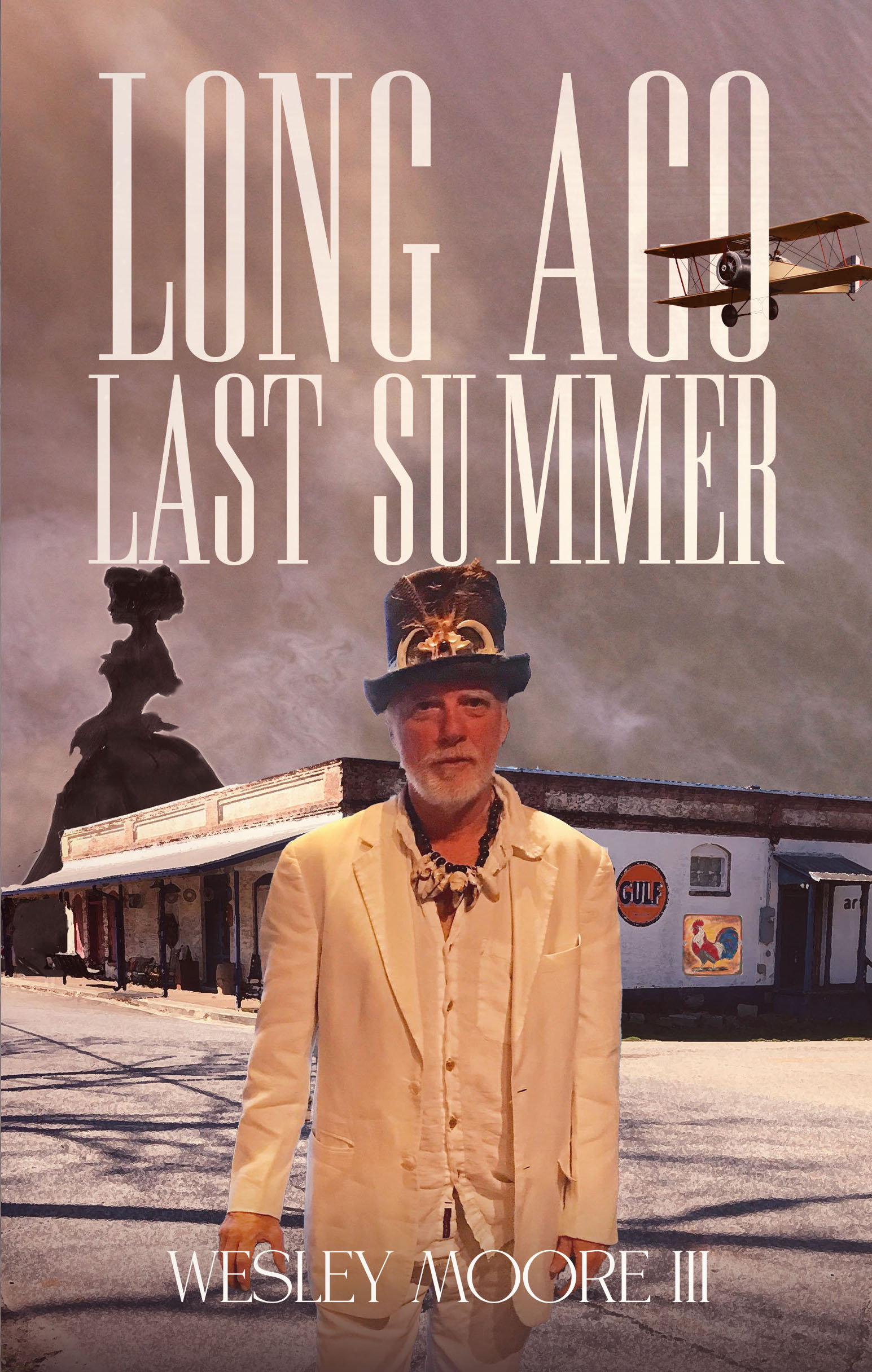
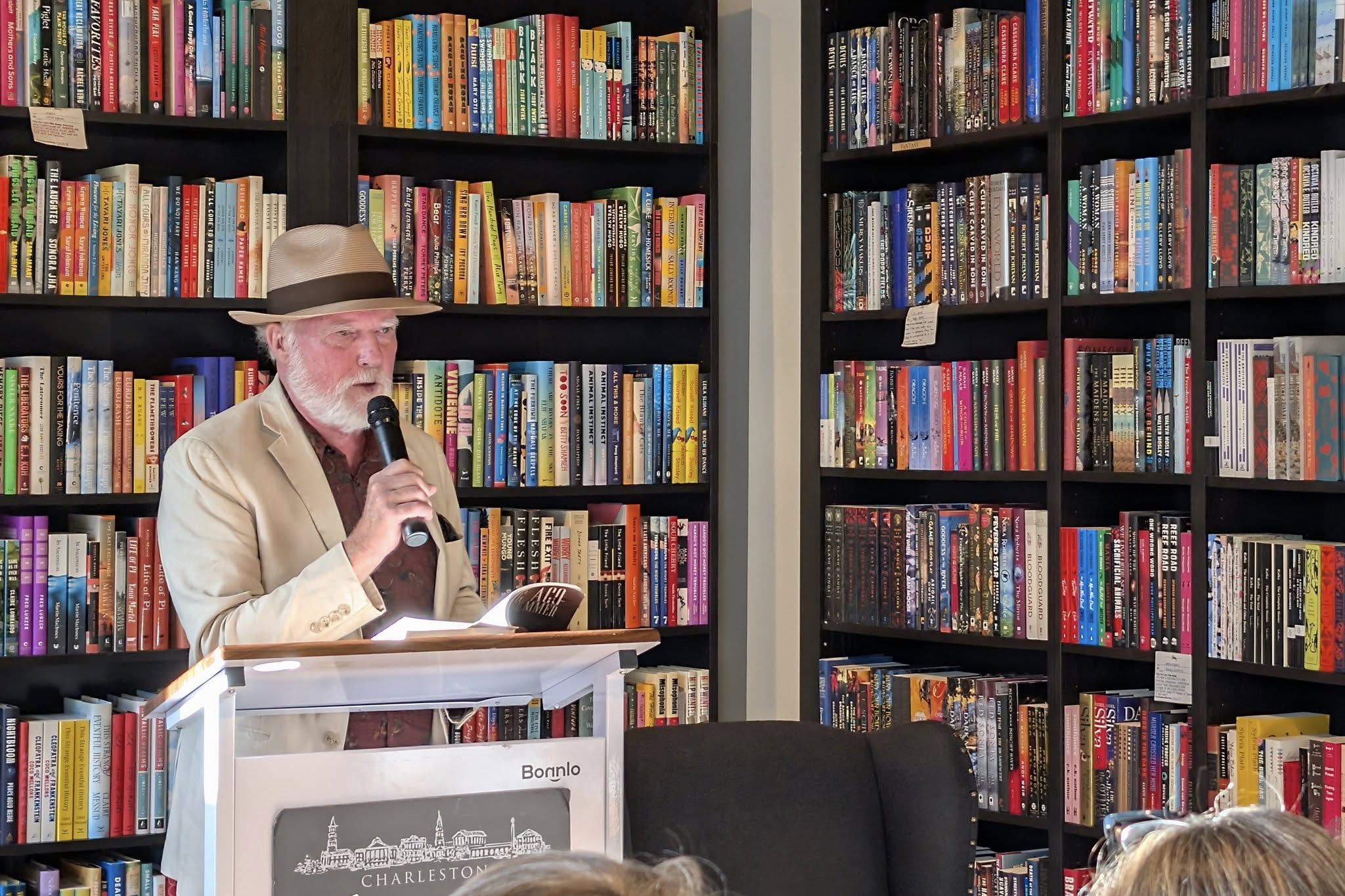
Wednesday, Buxton Books, Charleston’s premier bookstore, hosted the launch of my new book Long Ago Last Summer.

What follows is an abridged version of the festivities.  Thanks to my wife Caroline Tigner Moore for providing these videos.

Julian Buxton got the show rolling with by reading a passage from the book on James Dickey.

Next, Alex Werrell delivered his introduction.

The first bit wasn’t recorded. Here it is

Bearing in mind my grandmother’s suggestion for any speech — all great orators should study Shakespeare, she said, and learn his most important lesson: “All’s Well That Ends” — I won’t catalogue all that Wesley Moore has written, taught, and done.

You’d need a TI-84 to add up the lives he molded, shaped, and changed — and if he were to receive royalties for every lesson plan of his that I’ve copied, this book launch would be in Mallorca. It is a gargantuan and daunting task to try to introduce this Renaissance raconteur, writer, poet, teacher, and philosopher king, so I’ll outsource the job responsibly and sustainably to Cecil Franklin, who was once asked by a reporter to describe his little sister: “Call Aretha a great blues singer and you’re telling the truth. Call her a great gospel singer and no one will argue. Call her a great jazz singer and the greatest jazz artists will agree. Bottom line—she’s all three at once. And in the language of the jazzman, that’s what’s called a motherfucker.”

Wesley Moore is all that and more.

The video picks up from there:

I followed with a reading of my short story “Their Own Little Worlds.”

Unfortunately, “The Bluegrass Blues,” the poem I read was cut short in the video, so here’s the text:

The Bluegrass Blues

For Kathy McDaniel

Banjos make me blue.  There’s

pain in that frenetic pickin’

fueled by moonshine and misfortune,

pain that goes all the way back to Ireland,

black potatoes and fickle lasses,

the death of lovers or worse.

Fiddling can get downright dolorous, too,

that high lonesome keening,

the breakneck pace

the manic flipside of poverty.

Saturday night

shouting on the hills of glory

but returning to the shack

to find the chickens dead

and Pretty Polly’s tearstained letter.

***

Picture Shelly[1] plucking a banjo,

Shelly in one of those silk

two-toned cowboy shirts

singing through his nose

about how the saddest songs

end up being the sweetest,

a fiddle taking up the strain,

a quick, pained grin to the audience

as he nods his head to the music.

The last piece was a short essay “The Art of Not Thinking” that I wrote a couple of weeks after Judy’s cancer returned.

After a Q and A session, it was book signing time.

I really appreciate all who came out on such an unbearably hot day, and it was especially gratifying to see my fellow authors Eugene Platt, Layle Chambers, Bill Thompson, and Josephine Humphreys.

Cheers!


[1] The English poet Percy Bysshe Shelley 1792-1822 

Trump’s Golden Age: A Photo Essay (or as they say, “a jpeg is worth five-thousand keystrokes”)

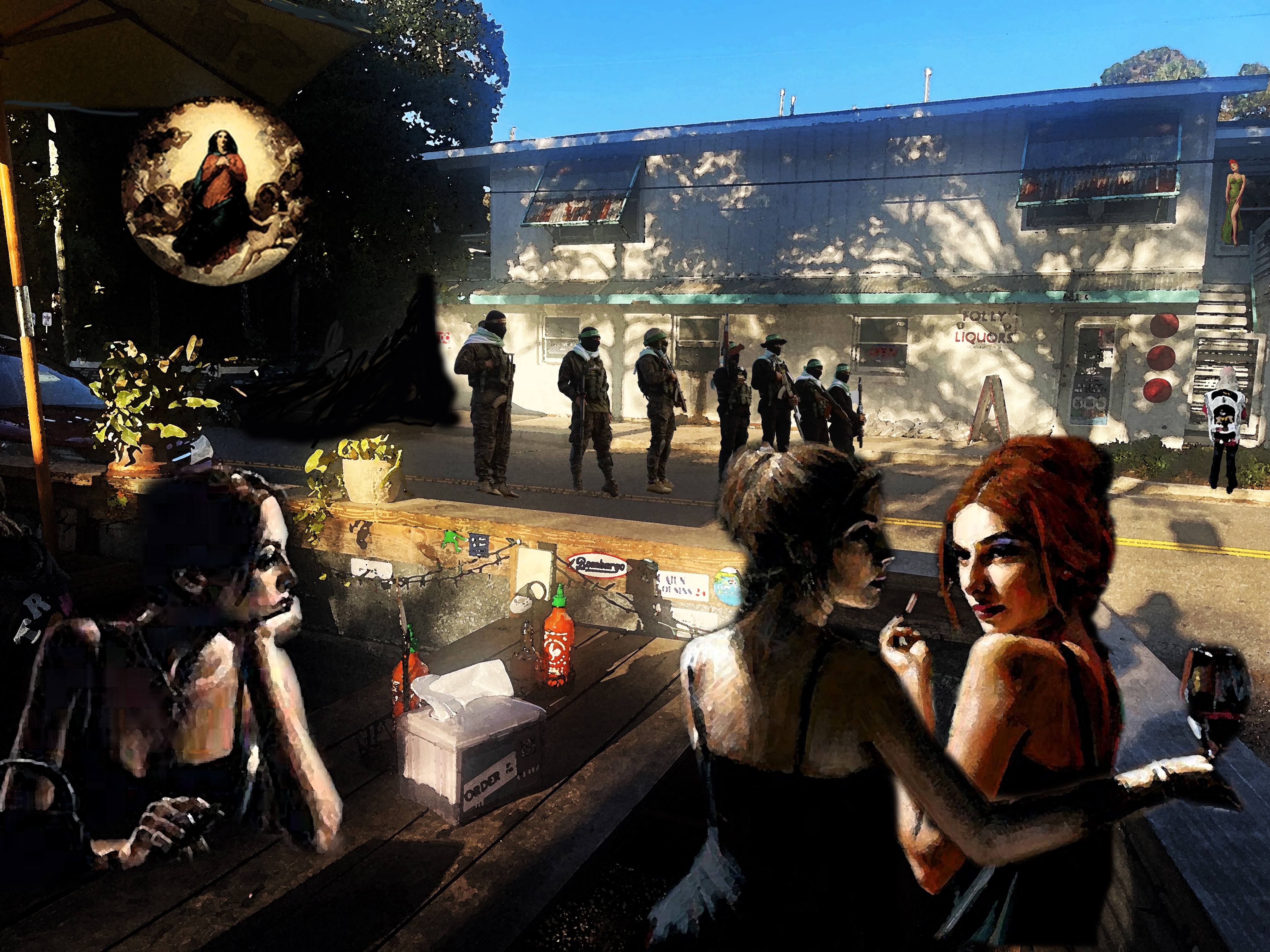
ICE Agents trying their luck at Bert’s Market on Folly Beach

“The golden age of America has only just begun – it will be like nothing that has ever been seen before.” Donald Trump January 2024

Trump swearing to uphold the Constitution with his hand on a God Bless the USA Bible, the only Bible officially endorsed by Lee Greenwood and Donald Trump

Post Inaugural partygoers celebrating at Mar-O-Lago (and unconsciously channeling Fellini)

The Golden Age begins

Future deportee

Hastily called up National Guard sleeping on the floor of a warehouse because former talkshow host and drunk failed to arrange accommodations

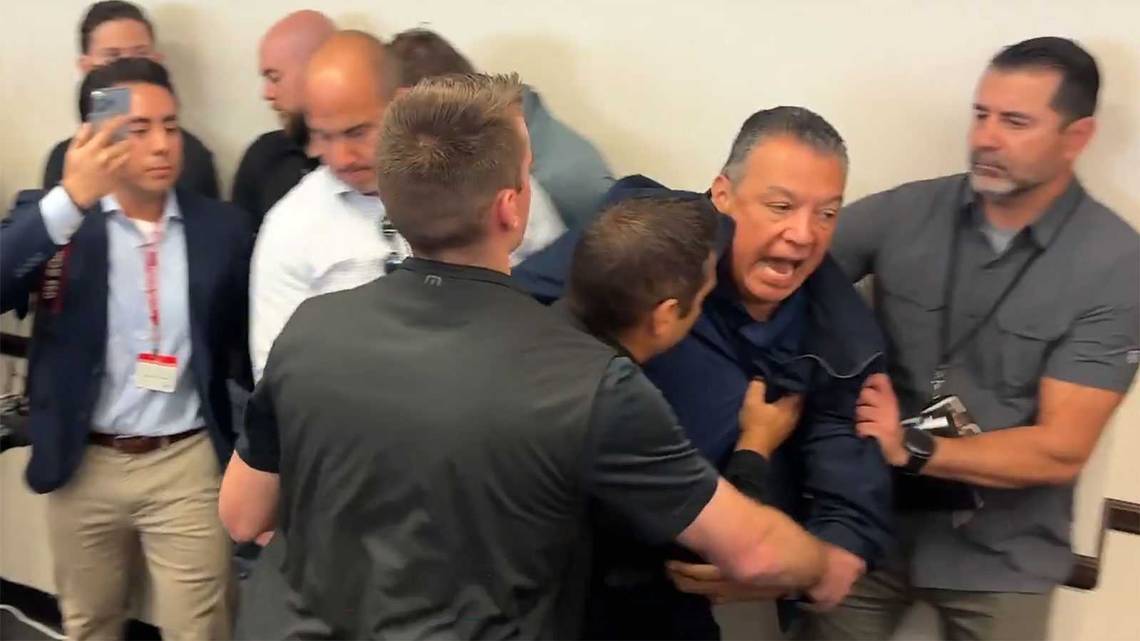
Senator Padilla about to get cuffed at Press Conference

Happy couple Trump and Melania chilling at the Kennedy Center before a performance of Les Miz.

War breaks out between Israel and Iran

Fin

By the way, the concept of the photo essay originated in Germany in the 1920s. Here’s a photograph of my son Ned who lives in Nuremberg enjoying a fascinating memoir.

Do the Mash Potato, Do the Alligator, Do the TS Eliot

This year’s Spoleto Festival features a potentially budget-busting array of popular musical choices. To wit, Mavis Staples, Patti Smith, Jeff Tweedy, Lucinda Williams, MJ Lenderman, Band of Horses, and Yo La Tengo. 

For the sake of solvency, I’ve limited myself to two performances, Patti Smith and Lucinda Williams. 

First up was Patti Smith, who appeared Wednesday at the Cistern, a splendid outdoor venue located on the College of Charleston’s campus.  

I love Patti Smith. Her injecting high art references into three chord rock inspired me back when I was a wastrel grad student in 1975, a mere half century ago.  The album was Horses, its cover photo shot by Robert Mapplethorpe, her housemate.  What I love about that record is its expansive allusiveness, its juxtaposing via a sonic collage high and low art, Rimbaud and Boney Maroney, bats with baby faces doing the Watusi like Bela Lugosi. But, most of all, what I love is that it rocks.[1]

In my old age, I purchase expensive concert tickets that put us way up front.  For Patti, my wife Caroline and I sat on the third row.  I was under the false impression that Patti might perform the songs of Horses in order, but she only sang one song from the album, “Redondo Beach,” a lilting reggae number whose light-hearted melody belies the lyrics’ first person account of a gay lover’s suicide. 

Why try to explain when you can listen to a snippet yourself.

Anyway, the concert was laidback, with Patti filling up deadtime with friendly anecdotes while her band tuned and retuned their instruments in Kingston-Jamaica-grade humidity. 

Caroline was blown away, and so was I, though I really would have loved it if she had included “Gloria,” a mash-up of the Van Morrison/Them classic and some badass self-assertion:

I walk in a room, you know I look so proud
I move in this here atmosphere where anything’s allowed
Then I go to this here party and I just get bored
Until I look out the window, see a sweet young thing
Humping on a parking meter, leaning on the parking meter 


Oh, she looks so good, oh, she looks so fine
And I’ve got this crazy feeling that I’m going to, ah-ah, make her mine.

G-L-O-R-I-A!!!

photo credit I-and-I

So tonight, we’re headed back to the Cistern to see Lucinda, which for me will be the third time.  She’s had a stroke, which she says affects her guitar playing, but I bet it hasn’t diminished that beautiful distinctive Southern vowel-rich hoarse voice of hers.

I certainly hope not.


[1] You can read a tribute to Patti by clicking HERE.

Deaf Heaven, Bootless Cries, Sha La La La La Live for Today

Like the recurring characters in Cheers, I show up most afternoons at what the quaint call “a local watering hole.”  Chico Feo, my bar of choice, is one part Cannery Row, one part Key West tourist mecca, one part – as far as the cooks and bartenders go – extended family.  

I enjoy watching people interact, hearing the latest gossip, and, if the opportunity arises, engaging tourists with meaningful conversations. After all, I suspect my obituary will mention that among other things I was a fiction writer, and as I often inform total strangers, I’m constantly gathering “data” about this and that, which I might use in creating a character. It’s a way to justify my personal questions about their lives.  To me, constructing characters that readers care about is the most gratifying aspect of fiction-writing.

Unfortunately, today I happened to sit next to a borderline asshole. He was in his late 20s sporting muscles, tattoos, and the ubiquitous baseball cap worn backyards.  On the plus side, he might end up in one of my stories and receive the karmic comeuppance he deserves. 

Solle, perhaps the most effective bartender I’ve encountered in a drinking career that spans over a half a century, asked me how my book promo TV interview went, and the aforementioned borderline asshole said, “I saw it!”

I informed the borderline asshole that his having seen it was impossible in the current space/time continuum because the interview hadn’t aired yet.  Then he said, “I saw you at the studio.”  It occurred to me that he might be a camera person, so I asked him if he worked for FOX 24, and he said, laughing, “No, I’m just fucking with you.”

I was not amused.

He and his friend started talking about how great it must be to live on Folly, and I agreed it was, that I was very fortunate.  They live in West Ashley, and I said that was a convenient place to live because it’s near everything – the airport, downtown Charleston, Folly itself.

A few minutes later, the borderline asshole asked me what the book was about, so I clicked off some sound bites from the interview.  “It’s a memoir,” I said, “but it’s as much about the South as it is about me – antebellum plantations, shotgun shacks, Pentecostal churches, juke joints.  It’s a collection of short stories, essays, and poems, each of which can stand alone and be enjoyed separately, but if you read it cover to cover you get a history of the South from segregation through the civil rights movement and the cultural revolution of the 60s.”

“Wow, you must be a racist,” he said.

“What!!!??? Why do you say that?”

“If you’re not a racist, then why aren’t you?”

“Why not, because I grew up with Black people. I like most of them I’ve met.”

“I’m a racist,” he said.

No doubt I was scowling, because he immediately said, “Ha, ha, I’m not really a racist. I’m just fucking with you.”

Dark clouds were scudding overhead, so I decided it was time to walk home, which takes me past a melancholy memorial marking the spot where someone named Phillip died in a traffic accident.  For some reason – maybe because before I left the bartender Katarina clasped her hands in mock prayer asking the skies not to rain – my inner poetic jukebox cued a line from one of Shakespeare’s sonnets: “And trouble deaf heaven with my bootless cries” and then a line from A Midsummer’s Night’s Dream followed: “Chanting faint hymns to a cold fruitless moon.” And finally, a line from a Grass Roots song that I don’t even like: “Sha la la la la la live for today.”

I took a right on Erie, and as coincidence would have it, I encountered an interracial couple pushing a baby stroller. They were taking up the entire right hand lane, so I suggested they walk on the left so they could see the traffic coming.  The red-haired woman and her husband smiled. She said, “Thanks, but we’re staying right here” and disappeared into the yard of a rental.

So much for my mansplaining.

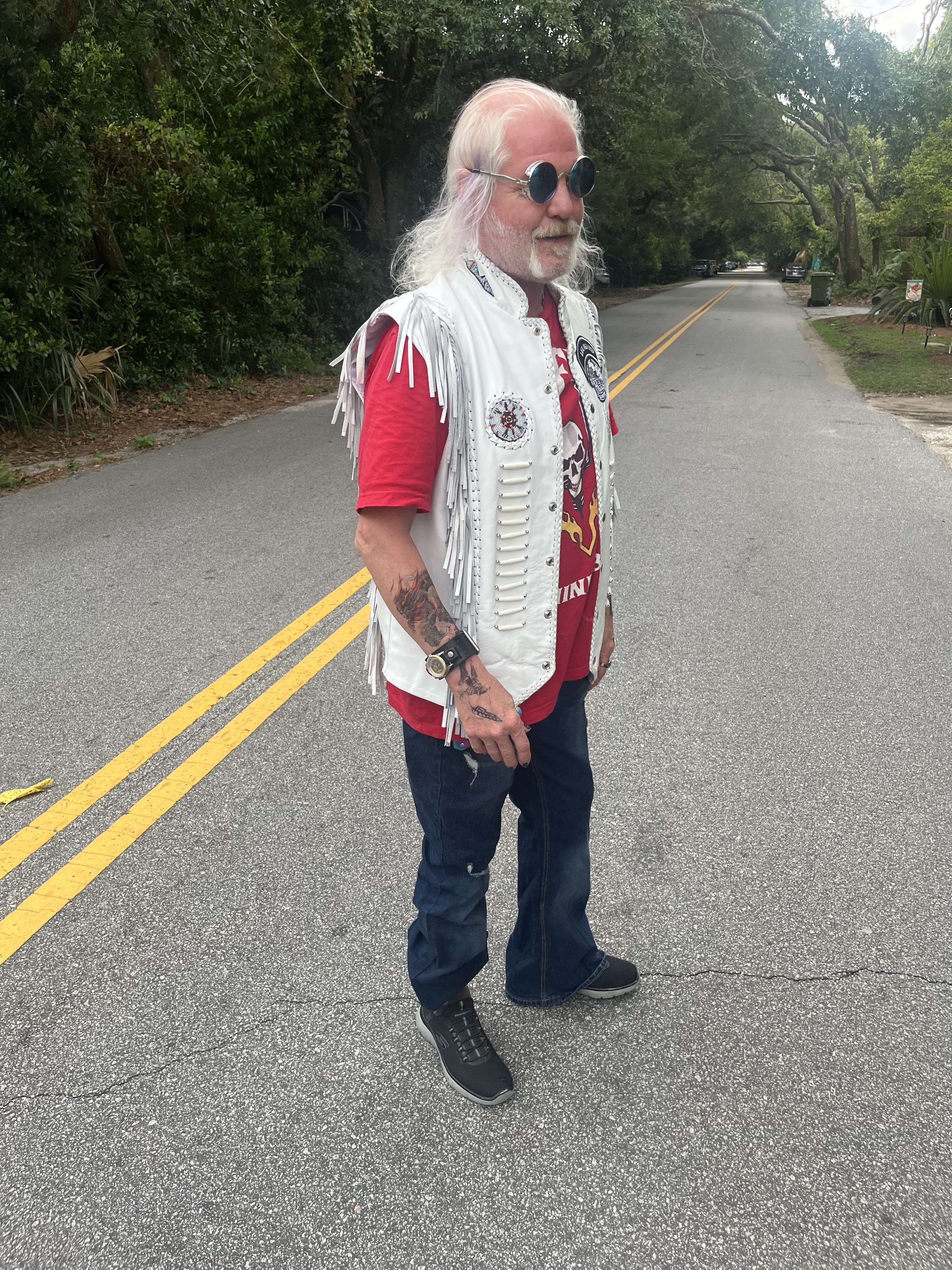
I decided to cross over to Hudson using a tree embowered beach access path and spotted through the tree tunnel a couple weaving past on skateboards.  Once I hit 5th Street, I bumped into my neighbor Lance.  I asked him about his outfit, a white fringed patch-bedecked vest over a red tee shirt emblazoned with a skull, and he explained the various patches and emblems.

As I said good-bye, he said, “I love you, man,” which was a nice way to end my excursion.  

Fa la la la la, live for today.

Vaudeville Meets William Faulkner Meets The Hallmark Channel

Vaudeville Meets William Faulkner Meets The Hallmark Channel

On Friday, I had my first interview involving my new book Long Ago Last Summer.  Lorne Chambers, who owns the Folly Current and has an MFA in writing from the College of Charleston, met me at Chico Feo where we chatted about creative writing in general and Long Ago in particular over a couple of beers. 

Occasionally, I didn’t know how to respond to Lorne’s excellent questions because Long Ago is such a strange book that it can’t be easily categorized.  When you’re trying to sell something, it’s helpful to have a clear, simple message like it’s “a coming-of-age novel” or a “dystopian sci-fi epic” or “a romantic comedy.”  With Long Ago Last Summer it’s more like Vaudeville meets William Faulkner meets The Hallmark Channel.

In essence, it’s a memoir, which is embarrassing enough because of the egocentricity inherent in thinking my life is so noteworthy that it warrants being shared with others.  And in many ways, my life has been unadventurous. I enjoyed a long lasting, loving marriage for 38 years, a stable teaching career for 34 years, reared two successful sons, owned a succession of dogs, remarried as a widower and gained a remarkable stepdaughter. I’m well-travelled, I guess, but that’s not unusual in this day and age.  To adapt a cliche: my adulthood has not been much to write home about as far as excitement goes.

On the other hand, I grew up in the segregated South, a very dark, fascinating place, a fallen civilization forever picking its scabs but then licking those newly opened wounds.  The little Lowcountry town of Summerville where I grew up had two (what I’m going to uncharitably call) village idiots, among other eccentrics, like the old crone Miss Capers, religious fanatics galore, creepy good humor men, and more alcoholics per capita than most places this side of the Betty Ford Center.

Much of the book deals with an awakening consciousness that develops in a Southern Gothic setting, or, as the back cover puts it, Long Ago Last Summer “embodies the profound paradoxes of Southern culture against a landscape dotted with antebellum plantations, shotgun shacks, suburban subdivisions, Pentecostal churches, and juke joints.” 

However, Long Ago is not a typical memoir in that it’s fragmentary, a collage of sorts, a mosaic, a smorgasbord or gumbo that runs the gamut from lighthearted vignettes to bleak accounts of terrible wrongdoing.  If I were going to wax hyper-pretentious, I’d call it neo-Modernistic because like Eliot’s “The Waste Land,” it pieces together fragments to create a narrative held together by recurring themes.  In this case, Sothern Gothicism, alienation, insomnia, and the vagaries of memory and reality. 

Short fiction, verse, essays, and parodies that can stand alone out of their context occur chronologically to trace my life from its beginnings in 1952 to the present. Long Ago is, as stated in the preface, “a guided tour of the haunted houses and cobwebbed attics of my youth” followed by my college experience, my meeting and falling in love with Judy Birdsong, her illness and death, and my finding new love after her departure.  In fact, included in the collection is a villanelle written by my wife Caroline that deals with Judy’s lingering presence in our marriage.  In some cases, fiction is juxtaposed with non-fiction so that it’s not necessarily clear which is which. 

In other words, Long Ago Last Summer is really weird, like its subject matter. 

I’m appearing next week on Fox News 24’s midday show to attempt to explain all of this to viewers who may or may not have heard of TS Eliot and/or Modernism or vaudeville for that matter.

Also, weather permitting, I’m reading brief samples Monday, May 26 around 7:20 at George Fox’s open mic Soap Box at Chico Feo. 

So, thoughts and prayers, y’all. I need them.

Little Baby Blues: 1953 Edition

Little Baby Blues: 1953 Edition

On 14 December 1952, a rare snowy day in Summerville, South Carolina, Dr. Howard Snyder, aided and abbeted by forceps, yanked me from my mother’s womb into a world of relative woe.  The procedure flattened my head, which resulted in cephalohematoma, a condition in which blood pools under a newborn’s scalp. My father had to leave that afternoon to return to Clemson via a Greyhound bus.  When the lady sitting next to him asked why he looked so sad, he replied, “My wife just gave birth to a seven pound, eight ounce monkey.”  

As a child and teenager, I heard this anecdote on more than one occasion, which would elicit a cackle from my mother, who in so many words agreed that indeed I was a hideous newborn. However, she was quick to assure me that in a couple of weeks I was so beautiful that when she pushed my stroller around Colonial Lake, strangers stopped her to admire my beauty. 

I took solace in my mom’s stroller story as a child, not realizing that praising a baby’s looks is a common practice of adults when they run across almost any infant. On Facebook, I often encounter the red puffy yet wrinkled faces of newborns who are deemed “beautiful” or “adorable” by scores of friends of the parents. 

Meanwhile, elsewhere, Ethel and Julius Rosenberg sat in a courtroom being grilled by Roy Cohn, Donald Trump’s mentor.  My first full year, 1953, marked the feverous height of the Red Scare, back when the Russians were our enemies rather than our friends (or at least our President’s friend).[1] This collective commiephobia spread, appropriately enough, during an epidemic of polio. 

Trump and Cohn

In 1953, R&B had not made it to the mainstream, and rock-n-roll was in utero.  Every artist but one in Billboard’s top 30 singles of 1953 is white, mostly male crooners and female sopranos. Overly orchestrated instrumentals were also popular. The number one hit that year is “The Song from the Moulin Rouge” by Percy Faith and His Orchestra, a song so saccharine sounding that your ears might develop diabetes if you listen to more than twice. 

I’ve never heard of loads of these hitmakers like Pee Wee Hunt, Frank Chacksfield, Richard Hayman, Joni James. By far, the coolest song in that top 30 is from the one Black performer, South Carolina’s own Eartha Kitt, singing and purring “C’est si Bon” en francais.  She later was cast as Cat Woman in the Batman TV series. 

On the other hand, I have not only heard of but seen all of the top movies of ‘53, except for The Naked Spur. I’ve seen From Here to Eternity and Gentlemen Prefer Blondes at least twice, I’ve also watched Roman Holiday and Stalag 17.  Disney’s Peter Pan was one of my favorite movies in childhood, especially because the leader of the Lost Boys was, like me, a red head.

Nevertheless, despite the general awfulness of 1953, being born around then ended up being a propitious time to begin life’s journey. My parents, who had grown up during the Great Depression, wanted my siblings and me to have a better life than they suffered yet didn’t monitor our every move, allowing us to roam freely, unencumbered with water bottles or walkie talkies, the ’60’s equivalent cell phones. 

And by our adolescence in the mid ’60s, the music got ridiculously good, though we feared getting drafted and going to Nam, but by then the war was winding down and a draft lottery was in force. Compared today, college tuitions were dirt cheap. I could earn enough money in the summers to cover tuition.

However, I must say, for me at least, it’s a melancholy situation in my twilight years to witness the spectacle of lawlessness and corruption foisted on the Republic by Roy Cohn’s mentee, who obviously, as far as Machiavellianism is concerned, was an A+ student. 

C’est la vie, as Eartha might sing.

I’ll leave you with the number 1 hit of 1953.


[1] Fun facts to know as share: Roy Cohn, who in addition to being one of the prosecutors at the Rosenberg trial, also served as chief counsel for Joseph McCarthy’s witch hunts, a term Donald Trump appropriated during his first term to describe investigations targeting him for such acts of malfeasance like storing stolen classified documents in bathrooms and paying hush money to porn stars. 

Yesterday, Oh Boy

Yesterday, Oh Boy

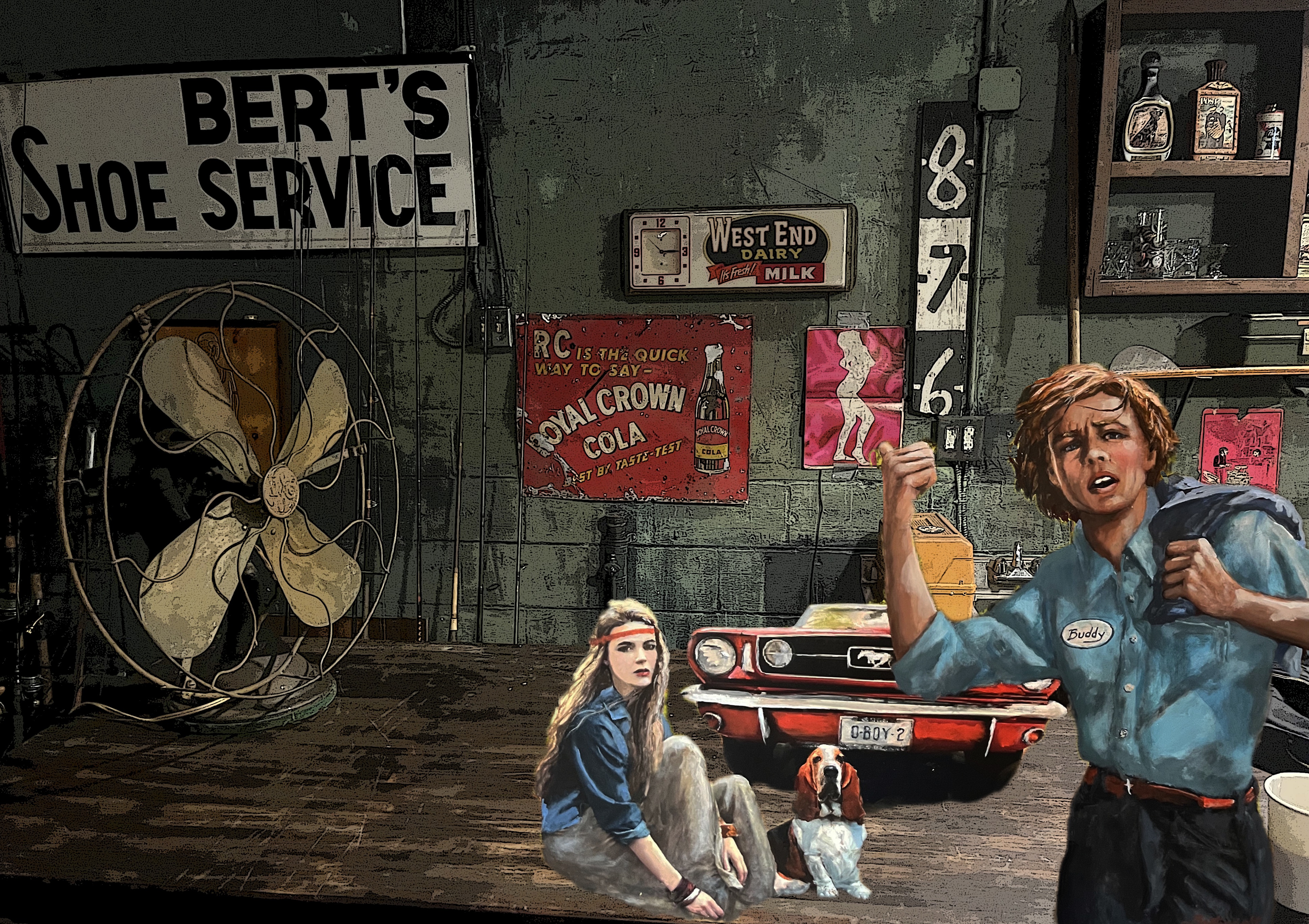
When my friend David Boatwright, who produced the cover of Today, Oh Boy, approached me about adapting the poolroom chapter from the novel into a fifteen-minute film, I jumped at the chance.  David whipped out a script, which I approved, then later made some significant changes. 

Near the end of the novel, which is set in 1970, Rusty Boykin, an ADD-riddled hippie-wanna-be from Summerville, South Carolina, and Ollie Wyborn, a straightlaced, straight-A transplant from St. Paul, Minnesota, join forces in thwarting an attack from a pair of rednecks whose favorite pastime is, to use the Lowcountry lingo of the day, “cutting ass,” i.e., beating up people they don’t cotton to.  

David’s major change in the second draft of the script was fusing Rusty and Ollie into one character, which I again approved, given I had complete confidence in his intelligence and talent, and because as a practical matter, there’s virtually no room for character development in a fifteen-minute movie.  Another significant change, which added gravitas to the film, David created a new character, a Viet Nam vet who relates a harrowing account of wartime mayhem to the bartender, played my former student, David Mandell. 

So anyway, David Boatwright and his producer Paul Brown raised the needed money and assembled a crew of costume designers, cinematographers, assistant directors, sound people, make-up artists, art directors, property managers, actors, a stunt coordinator, a basset hound, etc. and shot the film in four days. 

The exterior shots, which included fisticuffs and car chase, were filmed on bucolic Wadmalaw Island and the interior shots at the defunct West Ashley restaurant Bearcat, which has been transformed into a ’70s era bait and tackle shop/bar complete with pinball machines and a functioning jukebox on loan from my friend Thom Piragnoli.

I asked David if I could have a cameo, and he said, of course, so yesterday I spent twelve amazing hours on the set being part of an incredibly complicated matrix of moving parts. 

When I arrived at seven, an actor was seated having his hair tended to. One of the make-up women said she would do my hair next, and I explained, “But I have no hair,” removing my hat, and she said, “Great!,” meaning, I take it, less work for her.  After I introduced myself, another woman said, “Oh, these young actors can’t wait to meet you. They’re walking around with the book.” 

Indeed, they were incredibly appreciative. Each one sincerely thanked me for writing the novel.  Two actors, twins brothers playing rednecks, asked me why their characters were so angry. When the actor Logan, who played the Viet Nam vet, thanked me for, in his words, “creating all of this,” I told him that, in fact, David had created his character and dialogue. He said yes, but I had created the world around him. To my mind, his performance and speech are the climax of the film. 

I abstractly knew that it would be cool to see characters I had created “come to life,” but had underestimated how gratifying it ended up being.  It was especially moving to see Jill Birdsong, modeled on the high school version of my late wife Judy Birdsong, performing her role, and I especially enjoyed the actor Patrick Basquill, who brought the bully Bobbey Ray Bosheen to life. The creepiness he brought to the role reminded me of William Dafoe’s portrayal of Bobby Peru in David Lynch’s Wild at Heart.

Also, it was really weird to hear the name “Rusty,” my childhood nickname, called out throughout the day. Sometimes, I thought they were referring to me. And Thomas, the actor who plays Rusty, looks a lot like I did in high school, except he has blue eyes, high cheek bones, brown hair, and isn’t riddled with freckles and acne. 

In other words, he’s skinny.

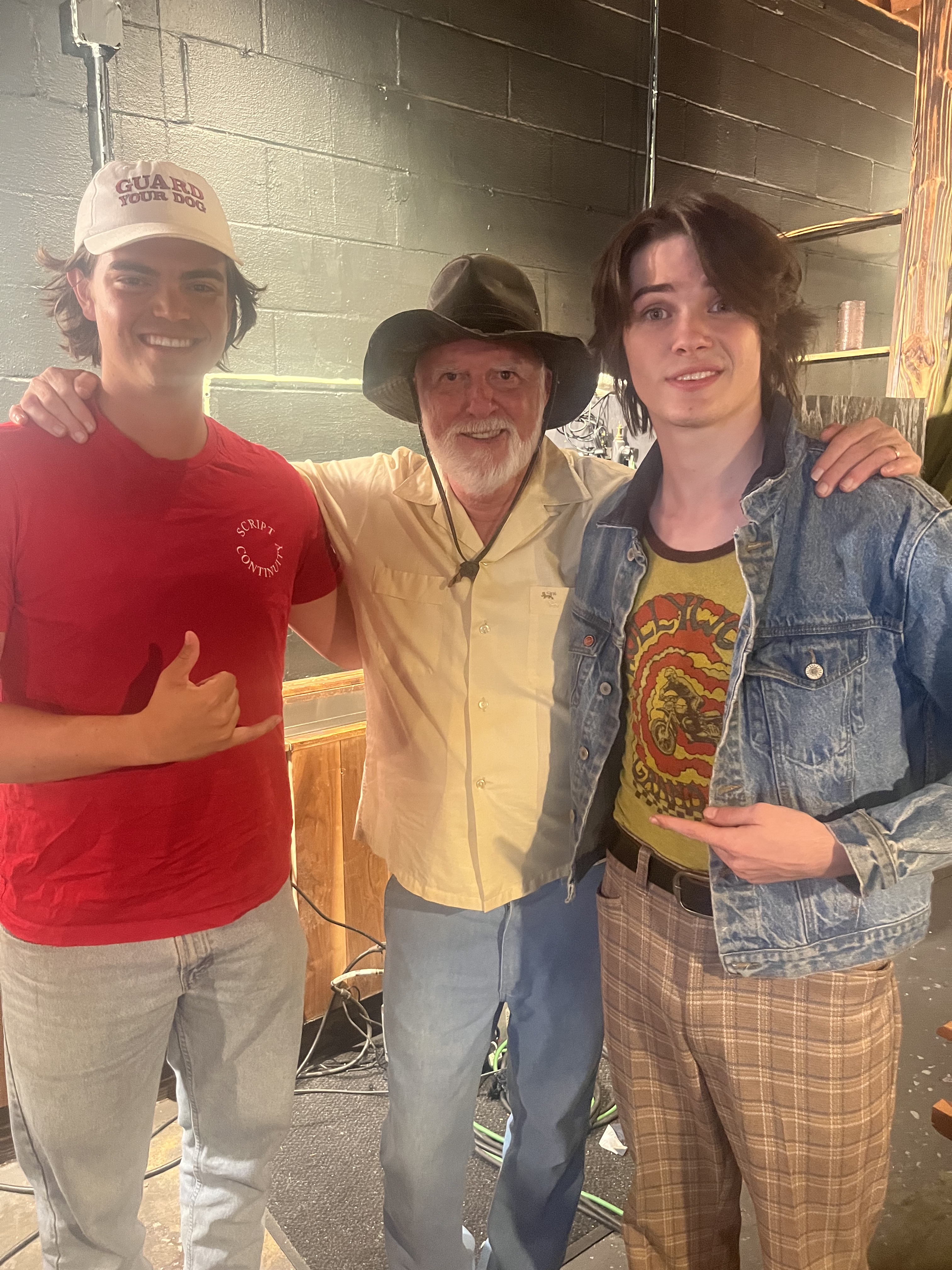
from left to right, Thomas Beck, Rusty Moore, and “Rusty Boykin”

It was such a wonderful day, the best ever in my life as a writer, and I can’t wait to see the finished product, entitled Summerville 1970, which will make the festival circuit and premiere sometime in the fall at the Terrace Theater on James Island.

Before I end this way too egotistical account, I want to acknowledge my wife Caroline Tigner Moore, without whom the manuscript of Today, Oh Boy would have been found in a drawer after my demise, rather than becoming a published novel. 

Caroline has encouraged me throughout but also has bravely said, “Un-uh, that doesn’t work, why don’t you do this instead.” She’s tactfully guided me through the interviews and the whole befuddling process of my post-teaching career, including offering encouragement in my avocation of creating “fake paintings.” 

After my beloved Judy Birdsong died, I imagined the lonely life of a wounded epicurean, but Caroline has enriched my life in ways I could not have imagined, especially in establishing a loving family that includes my wunderkind stepdaughter Brooks, who is as kind as she is brilliant, and a trio of pets, KitKat, the demi-mutt, and our blue-eyed ragdoll cats, Juno and Jasmine.

Love to them and to you!

PS. Here’s a link to the Kirkus review of Today, Oh Boy that includes an interview and links to purchase it via Amazon and Barnes and Noble, or better yet, get it from your local independent book store, which in Charleston is Buxton Books.

These Riffs I Have Shored Against My Ruin

These Riffs I Have Shored Against My Ruin

for David Connor Jones

Outside that rococo room 

in the Waste Land

where in sad light 

a carvéd dolphin swam

the cock crew

                                     co co rico

                                     co co rico

While beneath the laqueraria,

you and I cut the rug  –  jug jug –

u and i

                        travel to the beat of     

Oed’ und leer das meer

                                                            But

O O O O that Shakespeherian Rag

It’s so elegant

It’s so intelligent

Twit twit twit

Jug jug jug jug jug jug

Weialala leia

                                Wallala leialala

Drip 

            drop 

                        drip

                                    drop 

                                                drop

                                                drop                             

                                                drop