Our planet suffers from too much sorrow/too many troubles–– fluorocarbons, cows, prequels, Subarus, homo sapiens, ads, tin pot dictators, lone gunmen, South African billionaires, etc., etc. etc.
Earth Mama Gaia seems to be doing all she can to shake off these fleas of infestation.
To wit, in the last four years, we’ve had a plague, Biblical-scale floods in Appalachia, and now these Southern California fires whose widespread devastation makes the great conflagrations of London 1666, Charleston 1861, and Chicago 1871 seem like pep rally bonfires in comparison, at least when it comes to total square miles of smoldering rubble and the billions of dollars of property loss.
because we’re too distracted squinting at tiny screens informing us of the latest sorrows/horrors from practically every square inch of the Planet Earth. Hey, our synapses evolved back in those non-agrarian days of yore on savannas rich in birdsong but devoid of the blare of leaf blowers, so our brains are ill-equipped to deal with all this over-stimulation, the incessant din of our ailing empire–– honk, honk, bang, bang, ahooga, ahooga–– and the never ending volcanic avalanche of distressing news.
No wonder so many of us is gone cruzy and taken to self-medication.
Envy the nuns and monks of cloisters and monasteries, Mother Teressa and Thich Nhat Hahn, but come to think of it, they’re dead, and to quote Mary Flannery O’Connor, “you can’t be any poorer than dead.”
Here’s another quote, this one from a poem by my wife Caroline Tigner Moore –– “The Earth will outlive this human plague.”So on that note, “Good night ladies, goodnight, sweet ladies, goodnight,
Each year right before Xmas, I digitally leaf through my blog posts and select what I think are the best ones (or most representative) and repost them in the hopes of selfishly boosting my hits and visitor numbers. Her are the all-time stats:
Views 281,304
Visitors 174,752
Posts 1,140
Comments 1,816
The exercise also provides me with touchstones to what was going on in my life. For example, I appeared on a few podcasts, but that seems like it was two years ago, not this year.
Anyway, fun ahoy, let’s get started.(Hit the headline in the box to trigger the link).
January
I love the blues and jazz, so that means I love Etta James.
I’ve been reading Ariel and Will Durant’s short collection of essays entitled Lessons of History, a remarkable condensation of 5,000 years of various civilizations’ modi operandi. The Durants organize their treatise according to twelve categories: History and the Earth, Biology and History, Race and History, Character and History, Morals and History, Economics and History, Socialism and History, Government and History, History and War, Growth and Decay, ending with the question: Is Progress Real?
Some of this seems dated, especially the chapter on race; however, I found the chapters on Economics and Socialism to be especially eye-opening. I’d really never considered the distribution of wealth in pre-industrial cultures, but as it turns out, the battle between oligarchs and peasants, the haves and have-nots, is as old as the pyramids, stretching from ancient Greece to China.
Here’s the last paragraph of their essay “Economics and History”:
We conclude that the concentration of wealth is natural and inevitable, and is periodically alleviated by violent or peaceful partial redistribution. In this view all economic history is the slow heartbeat of the social organism, a vast systole and diastole of concentrating wealth and compulsive recirculation.
In the United States, a country that doesn’t provide affordable healthcare for many of its citizens, the top 1% of households (or penthouseholds) control 30%, or about a third, of the country’s wealth. Counterintuitively, the working class overwhelmingly opted to elect billionaire Donald Trump who has joined forces with Elon Musk to continue the redistribution of wealth upward, threatening to cut social security and replace the ACA with something or another. There would seem to be no agitation among what used to be called the proletariat about the inequities of current wealth distribution. These voters eschewed Kamala Harris’s plans for free in-home care for the elderly and voted for even more tax cuts for the super wealthy.
But bam! (excuse the bad taste in diction) the murder of United Healthcare CEO Brian Thompson has generated a tsunami of vitriol from citizens who actually approve of the murder.[1] Often when a murderer somehow slips through the Orwellian ubiquity of surveillance cameras, on-line sleuths attempt to aid authorities in apprehending the assailant. However, according to the New York Times, “in a macabre turn, some people seem to be more interested in rooting for the gunman and thwarting the police’s efforts,” and “civilian efforts to find Mr. Thompson’s killer have appeared muted.”
In fact, a look alike contest based on surveillance photos of the murderer was held in Lower Manhattan yesterday, and the winner (see below) said he celebrated the killer’s action.
The words “deny, defend, depose,” which were etched on the bullet casings and are presumed to refer to insurance companies’ tactics in withholding benefits, have become a sort of rallying cry. According to the Times, a jacket similar to the one worn by the killer “is flying off the shelf.”
More from the Times: “Alex Goldenberg, a senior adviser at the Network Contagion Research Institute, which tracks online threats, said the internet rhetoric had left experts ‘pretty disturbed’ by the glorification of the murder of Brian Thompson and the ‘lionization of the shooter.’
““It’s being framed as some opening blow in a broader class war, which is very concerning as it heightens the threat environment for similar actors to engage in similar acts of violence,’ Mr. Goldenberg said.”
No doubt the murderer’s James-Bond-like ability to slip through the sieves of our contemporary spying-on-each-other network of cameras and microphones has something to do with his lionization.
Perhaps as I type this he is undergoing plastic surgery in some underground bunker.
[1] Presumedly even opponents of capital punishment are applauding the killing of this father of two.
The other night Caroline and I stumbled across the 1928 silent film Our Dancing Daughters on TCM and watched the whole damn thing. As the hepped up actors herky-jerkyed across the screen, it occurred to me that I wouldn’t mind living within the confines of a silent movie. For one thing, I’m practically deaf, so how convenient it would be to have utterances appear in writing, floating in the air long enough for even the slowest of readers to decipher.
Also, facial cues are a breeze to pick up on in a silent flick. In my adulthood, on more than one occasion, I’ve had a highschool friend tell me that she had a crush on me back in the day. Well, in a silent movie, picking up on flirting is less of a problem.
On the other hand, music in silent films is generally melodramatic, a solo piano tinkling or a muted orchestra holding forth. James Brown, the Godfather of Soul, the hardest working man in showbiz, would be wasted in a silent movie, though his amped-up dancing might give Buster Keaton or Charlie Chaplin a run for his money.
The Godfather came up in conversation last night at the Blind Tiger Porter-Gaud alumni party. I was chatting with former student Jamie Ewing, reminiscing about driving his cousin Willy Hutcheson to school in the 90s with the late Erin Burton and my two sons. On our trip from the IOP and Sullivan’s Island, we listened to various CDs Monday thru Thursday, but Friday mornings were dedicated to JB.
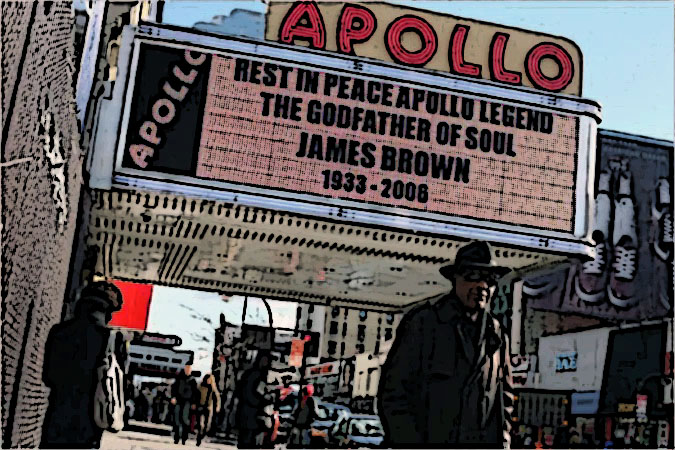
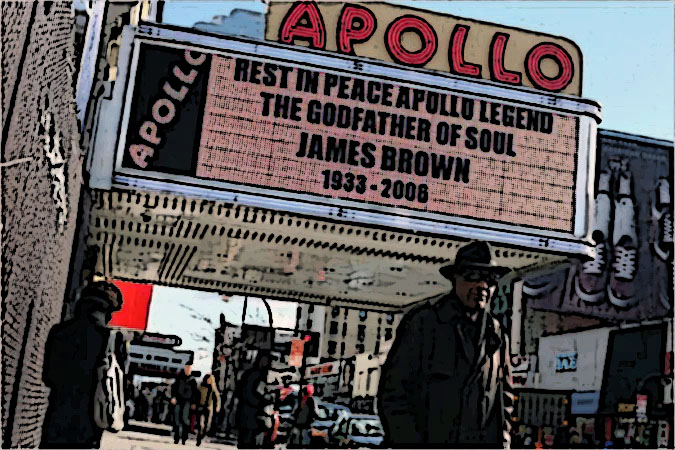
I told Jamie that I saw the Godfather live in ’75 at the Carolina Coliseum, one of the few white folks to attend that extravaganza. Then Jamie floored me with this revelation: he waited in line at the Apollo Theater in Harlem[1] to see James Brown lying in state, one of the hundreds to file past the coffin.
I mean, one of the greatest albums of all time is Brown’s 1963 Live at the Apollo, and Jamie can boast that he saw James Brown dead at the Apollo.
Bravo, Jamie, and RIP Barnwell, South Carolina’s, most famous citizen, the hitmaker who gave us “Pass the Peas,” “Gimme Some More,” “It’s a Man’s World,” “Papa’s Got a Brand New Bag” . . .
[1] I know “in Harlem” is redundant, but ain’t everybody as hip as you and me.
It’s a rare Saturday after Thanksgiving when I can celebrate a South Carolina Gamecock victory over the Clemson Tigers in the so-called Palmetto Bowl.[1] In two weeks I celebrate my 72nd birthday, and in that span of time, which began in the last month of the Truman Administration and ends in the last month of the Biden Administration, a sizable chunk of two centuries that includes the Korean Conflict, McCarthyism; the British pop invasion, Viet Nam, the King and Kennedy assassinations, the Carter malaise, the Reagan Revolution, the Fall of the Soviet Union, William Jefferson Clinton, 9/11, Iraq and Afghanistan, no drama Obama, way-too-much-drama Trump, COVID, not to mention a whole lotta of other shit.
Anyway, during this span of my existence, the Gamecocks have only managed to beat Clem[p]son on 27 occasions, i.e., .375% of the time.[2]
I’ve actually written a parody of the USC alma mater, which some of my fellow alums find distasteful:
We curse thee, Carolina,
And sing our dismay.
Heart-breaking losses
Haunting our days.
Anyway, fair weather fan that I am, during abysmal Gamecock stretches — they lost 21 consecutive games in 1998 and 1999 — I don’t squander precious moments fretting over my alma mater’s dismal war record. However, when they’re doing well, like this year, I tune in.
And this year’s game was a big, big deal with both teams ranked in the top 15 with a chance of being included in the inaugural 12-team National Championship playoffs.
At least for me, it’s difficult to cull any positive expectations when it comes to the Clemson game with all those muffed punts, pass interference penalties, and missed arm tackles festering beneath the pond scum of my consciousness. Nevertheless, this year, I did feel a pang of hopefulness. After all, we had one five in a row, three against ranked opponents, and three on the road in hostile environments. And Clemson didn’t look all that great against Louisville and Pitt.
I thought it might even be a blowout.
It wasn’t. We turned the ball over three times, racked up 67 yards of penalties in typical Gamecock fashion — and yet, and yet — we pulled it off in the last five minutes, scoring the winning TD and intercepting a pass deep in Gamecock territory with 16 seconds left on the clock.
Though many attribute the victory to the heroics of LaNorris Sellers, who off the field resembles a Black Clark Kent, but on the gridiron is a superhero, a Fran Tarkenton/Harry Houdini escape artist clone, I’m fairly certain we won because fellow long-sufferer Harvey Rodgers donned his magic hat at the beginning of the fourth quarter when we outscored the Tigers 10-zip.
So thank you, Harvey (and LaNorris and Coach Beamer and everyone else on the staff).
Yay, us, for a change.
PS. And, dear reader, if you’re lucky enough to be the area, here’s an invitation for you. Please RSVP, though. Cheers!
[1] For those unfamiliar with the upstate South Carolina agricultural university, “Clemson” is pronounced CLEMP-son, not CLEMS- son. The P is invisible.
[2] To paraphrase one of my muses, Mary Flannery O’Connor, “Don’t ever overestimate the intelligence of your readers,” I included that rather tedious catalogue of historical events to suggest that the outcome of annual football games are not matters of serious discourse. But I lie. I spent almost the same degree of worry about yesterday’s contest as I did about this month’s presidential election.
The other day on Facebook, every septuagenarian’s favorite social media platform, I posted this confession:
“I’ve just come to the terrible realization that I’m a professional dilettante!”
I meant the quip, of course, to be humorous given the oxymoronic pairing of professional, denoting lucrative compensation for someone who can claim to be an expert, and dilettante, which describes a poser, an amateur who dabbles in the arts.[1]
A few kind responders begged to differ, claiming that I was the real deal, which I appreciate, but don’t buy, especially when it comes to what I have come to call my “fake paintings,” which are essentially photocollages filtered to look like paintings and printed on canvases. Not that they’re not eye-catching in a good way. My friend the painter and filmmaker David Boatwright — the antithesis of a dilletante — finds them amusing.[2] So even though I call them “fake,” I do think they qualify as “art,” but it’s amateur art. When in a groove, I can crank one out in a couple of hours.[3] David, on the other hand, toils over his canvases and murals for months, not ceasing until every last miniscule detail is right.
Which brings me to the central subject of these ramblings — AI generated illustrations.
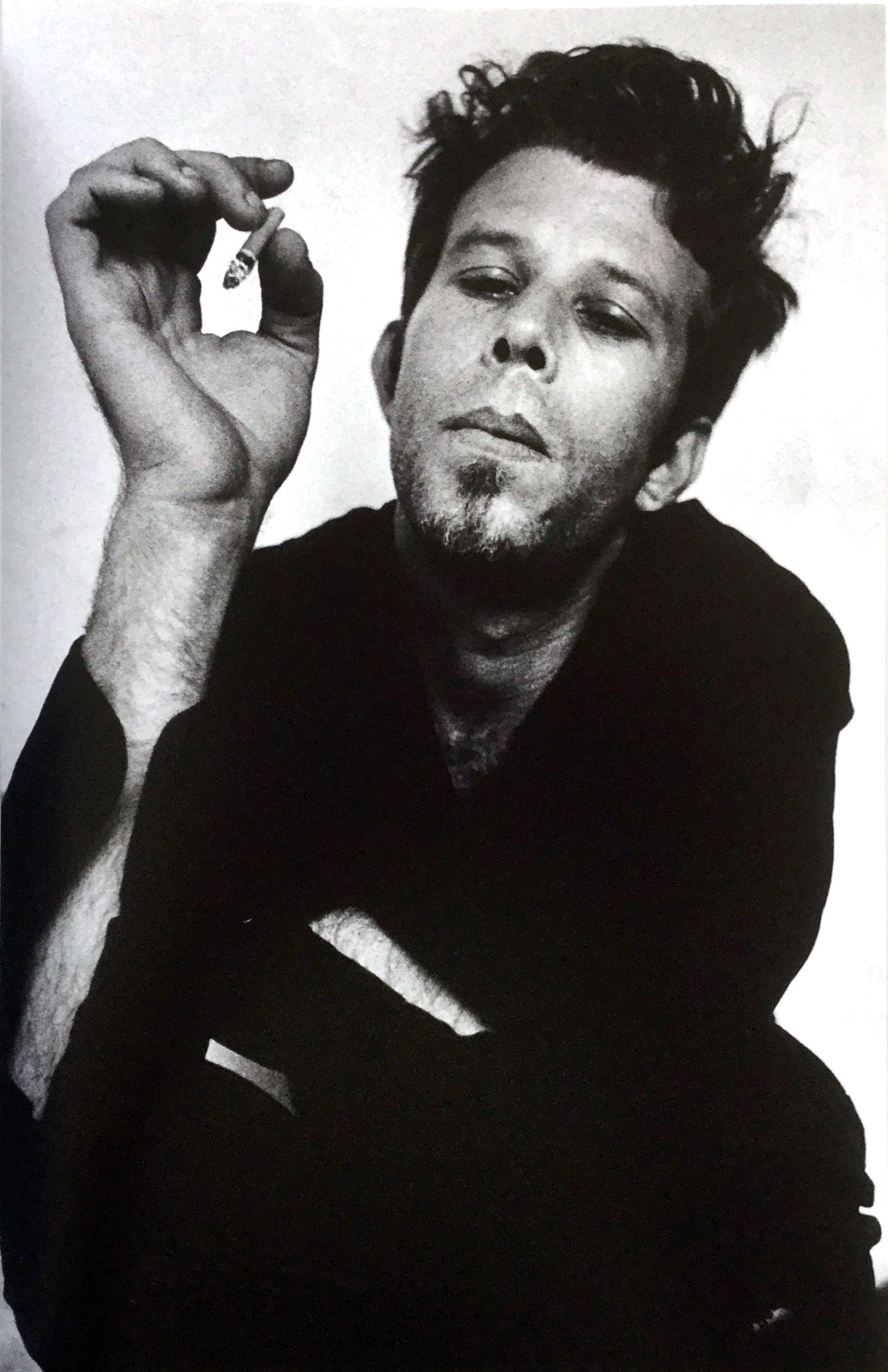
A while back a Facebook friend lamented that AI-generated “art” was going to put people like me out of business, but I begged to differ. “AI hasn’t listened to Tom Waits while smoking Thai sticks,” I responded. It can’t, by its very essence, be original. It ain’t got soul.
Last night my wife Caroline and I were looking at my two latest canvases, and I said, “There’s no way AI could come up with either one of these.”
“Let’s do a little experiment and see what AI comes up with,” she said.
So we did, prompting the software to create something similar.
Before we begin the comparison, I’ll explain briefly how I go about making a fake painting.
I start with a high resolution photograph. In my latest (see below) TGIF Chico Feo, I took a photo of the bar area when I was the only customer in the establishment.
I upload the photograph to Photoshop and add an artistic filter, in this case, the “Dry Brush” filter.
Almost always, I have no preconceived notions about what I’m looking to create. In this case, I googled “pulp cover paperbacks bar scenes” and scored the couple kissing from a novel entitled Divorce. Of course, the man wasn’t leaning over a bar to kiss his lover, but I determined I might be able to cut the couple out and paste them into the photo, and, damn, it worked. Next, I found the woman sitting to the couple’s left and did likewise, and once again, I was successful.
I thought it might be amusing to have an organ grinder in the foreground, but I couldn’t find any illustrations that suited; however, I did find the begging monkey with the cup and tried him in various locations until I hit upon placing him on the bar, interrupting the passionate kiss.
I decided to place a large figure in the foreground and went Screaming-Jay-Hawkins hunting. I experimented with various Hawkins iterations, but the vibe wasn’t right, and then the proverbial cartoon light bulb went off above my fedora. Louis Armstrong, Satchmo!
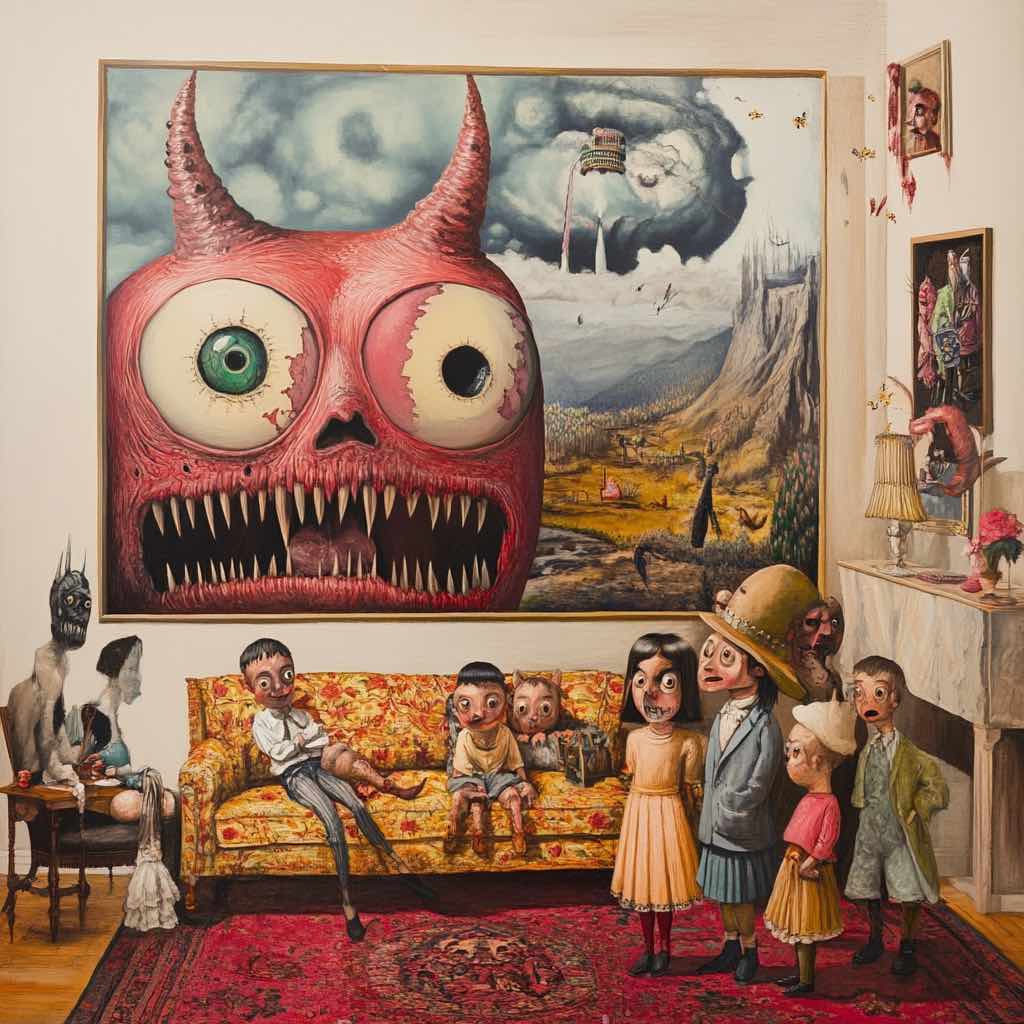
So here are my TGIF Chico Feo and AI’s response to the prompt “create a picture of Louis Armstrong playing at a beach bar.”
See what I mean.
One more example.
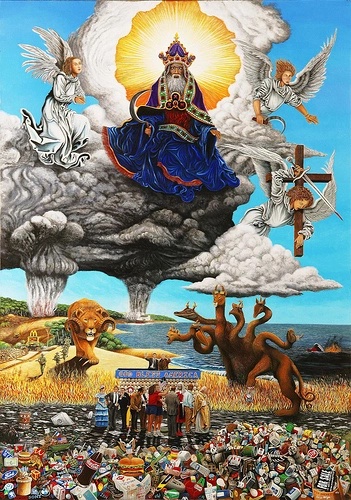
Two of my favorite artists are Bruegel the Elder and Hironimus Bosch.
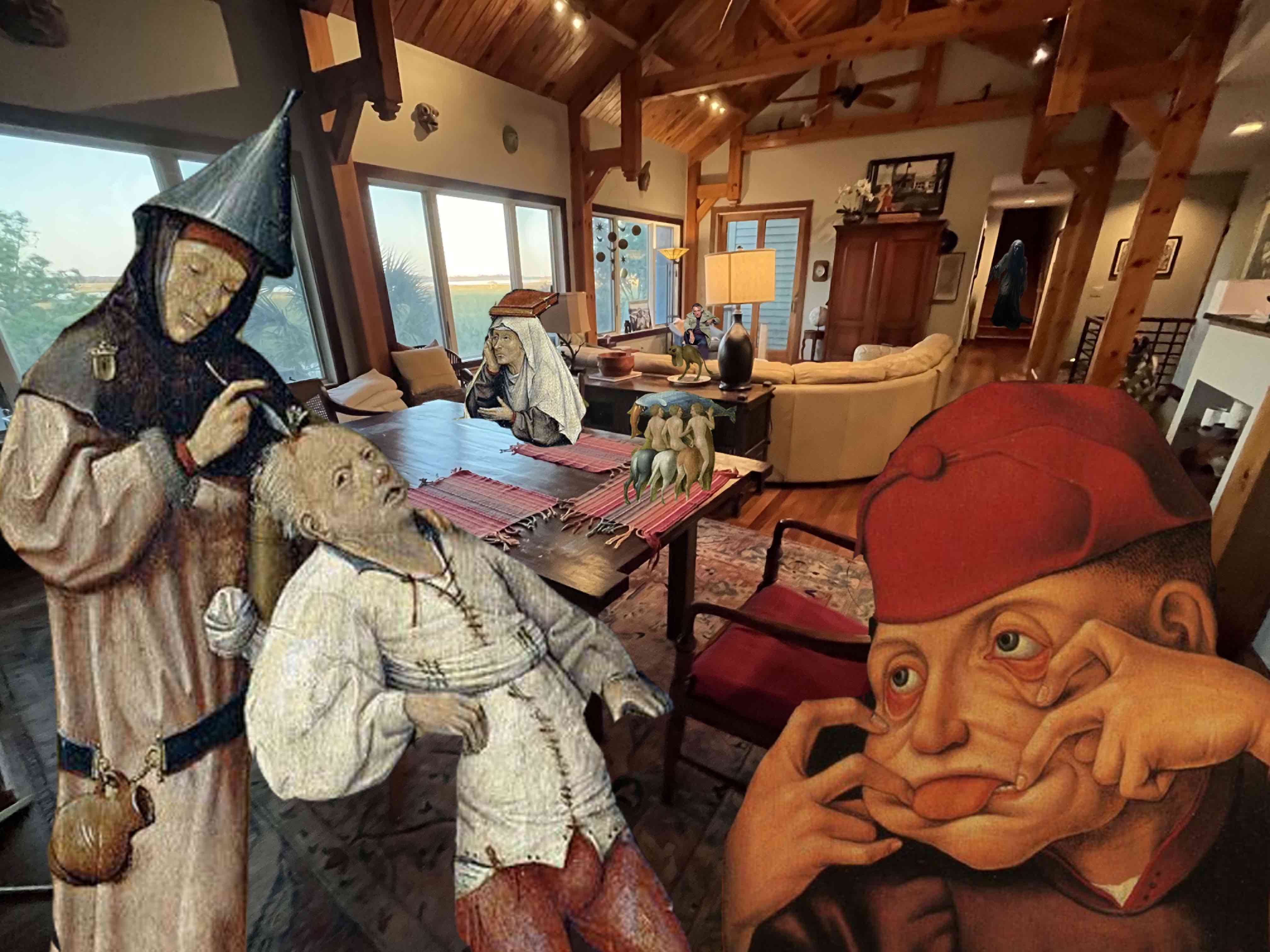
I took a photo of our living room, which struck me as sort of Flemish-looking so I peopled it with Bosch figures, being in a mocking post-election funk.
Here’s the final product.
And here’s what AI came up with when prompted “Boschian style weird people and one Boschian monster in a regular modern beach house living room.”
Of course, AI is likely to put some illustrators out of business. In fact, because Caroline subscribes to AI software, I might ask her to provide me images to illustrate some of my blog posts. However, for book covers, I always prefer scruffy over slick.
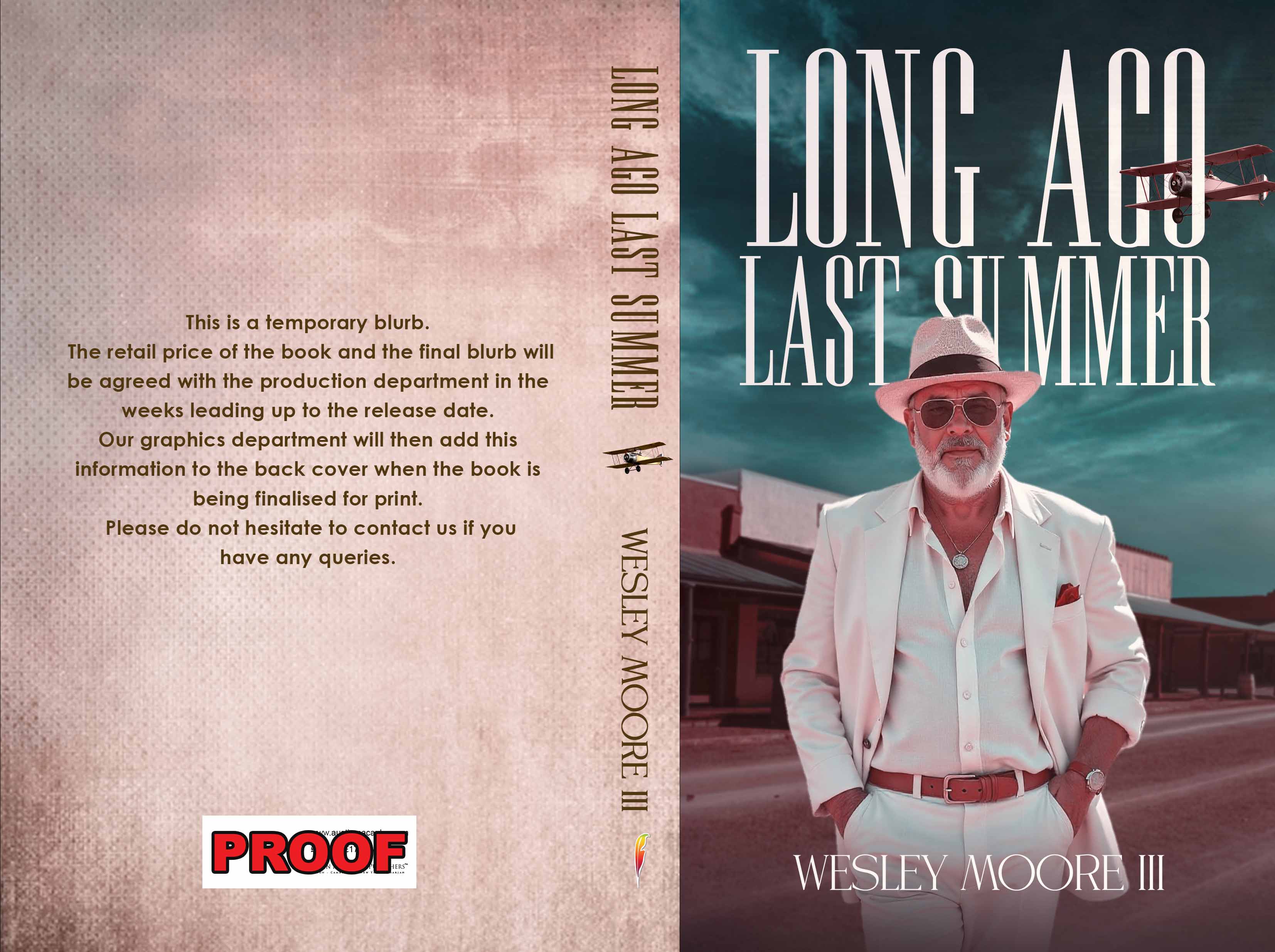
Which cover would you guess Caroline and I chose?
[1] The awkwardly phrased sentence this footnote references is proof in and of itself of my dilettantism. A professional, a true wordsmith, would devote time to express these ideas in a more cogent fashion, spending perhaps an hour or so insuring that every word was in its proper place and that the clauses melded in pleasant fluidity. but [cue Bob Dylan]. “[That] ain’t me, babe.
[2] BTW, David has written a screenplay for a 15-minute film based on the poolroom chapter of my novel Today, Oh Boy and is just 50K short of having the funds to start production, so if you happen to be wealthy and want to be an art patron and contribute to making a really cool indie film, contact me, and I’ll forward your info to David.
[3] I have had a one-man show at Studio Open and have sold a couple of dozen, two of which went for $500, so there’s that.
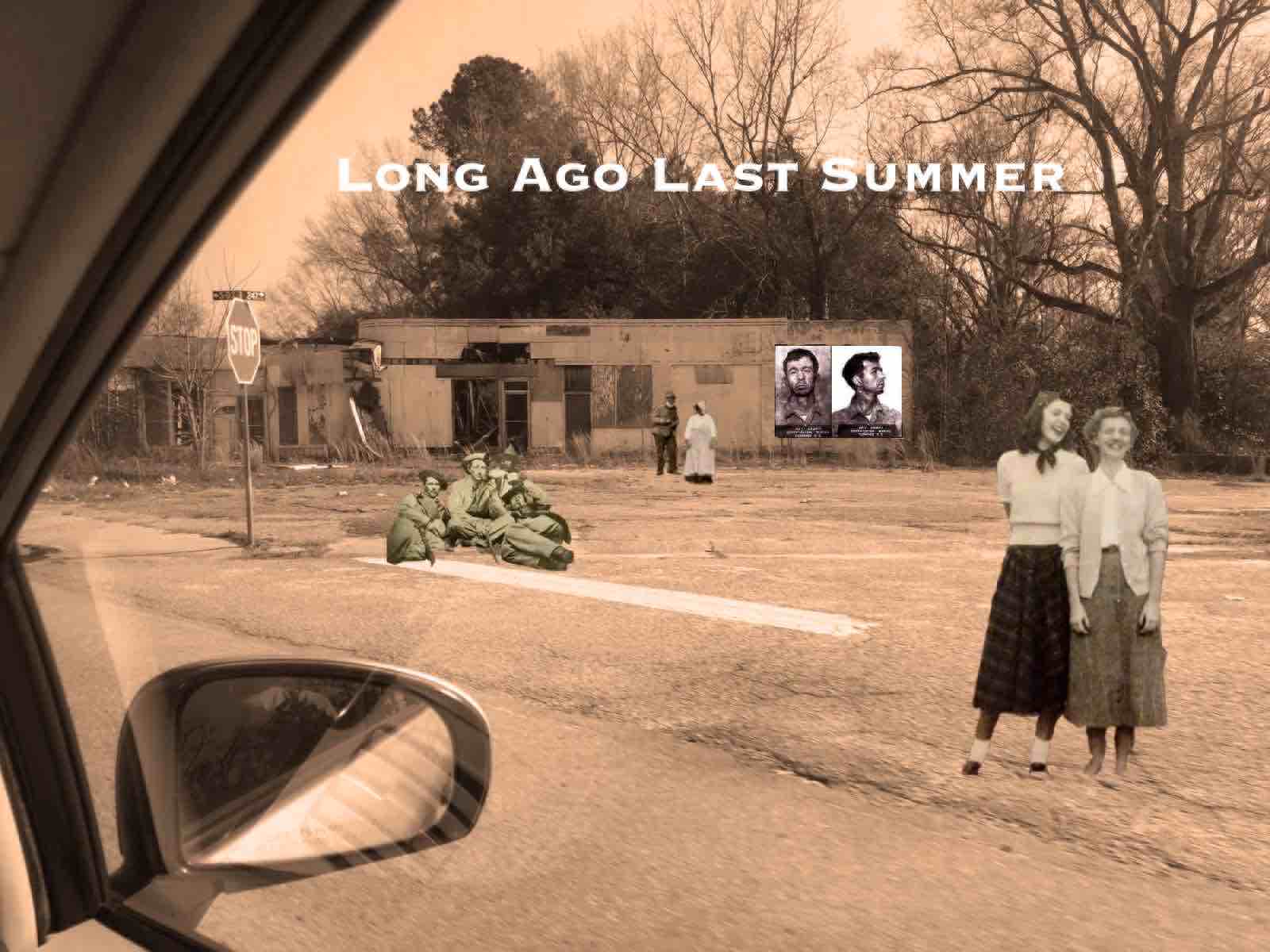
[4] I also Hitchcock like, try to make a cameo appearance in the “paintings.” In this case, it’s the cover photo of my next book Long Ago Last Summer. Can you find it?
Curmudgeon iconoclast that I am, I’ve decided to ask my loved ones that my memorial service be dubbed “an acknowledgement of death” as opposed to “a celebration of life.”[2]
Look, I get the sentiment, know Ecclesiastes/ Byrds song — a time to be born, a time to die and all that jazz. Focus on life, not death. Dear departed Uncle so-and-so did some good things, navigated life okay, so let’s reminisce, let’s celebrate the years at the Navy Yard but not mention the racist jokes.
But here’s what I really bugs me: the phrase “Celebration of Life” is clunky, wordy, awkward.
“Hey. Josh, let’s go surfing.”
“Can’t, dude. Gotta go my Uncle Tims’s celebration of life ceremony.”
“Bummer, dude.”
What’s wrong with calling the postmortem get together a “memorial service?”
BTW, I hate fucking euphemisms, especially fucking Chamber of Commerce euphemisms.
So there!
Emily Dickinson, First Year Medical Student
their Nightingales and psalms
Far removed from vanity The old man lies exposed, His organs sporting flags Like holes of a golf course.
Nose and Ears are hairy; He used to be a Man Who ate beets – burped – blinked in the Sun – It used to be Man.
Now disarticulated, The antithesis of sentimentality, Resting in pieces Like left over turkey.
Yes, I have become accustomed To hanging out with the Dead, Assuming a cool, ironic air, Pulling intestines like thread,
But when I die, I want my Lodging As plush as plush can be, For I have learned this lesson In Gross Anatomy:
In spite of all The noble palaver, It’s impossible to respect A desiccated cadaver.
[1] a line from Tonto from an episode of the Lone Ranger circa 1958-ish
[2] I wish I could demand it, but I realize that corpses are in a weak position as far as negotiations go.



















 You Do Hoodoo