Oh, I say let it rain every day. Pour. Flood the Crosstown. Swell the Edisto. Let the weeping sky paint the marsh even greener so mosquitos swarm and bats dive and devour and thrive. Out on the deck when I see their zigzagging swoops and hear the frogs croaking, I know that our habitat is healthy.
the green, green marsh of home
Give me a jungle any day over a desert. Jungles, which are pro-life/pro-women, give rise to animism and soulful art; deserts, on the other hand, are anti-life/anti-women, give rise to tyrannical patriarchies and edicts against pictorial art. In the jungle everything has soul; in the desert virtually nothing does.
A combination photo of the 180-foot-high Buddha statue in Bamian, central Afghanistan on Dec. 18, 1997, left, and after its destruction on March 26, 2001. (Muzammil Pasha, Sayed Salahuddin/Reuters)
Allow me to save a hundred or so words:
Here is Rajiv Malhotra’s take on the difference between jungle and desert cultures:
The difference in attitudes toward order and chaos is one of the chief differences discussed at length in the book [i.e., Malhotra’s Being Different: An Indian Challenge to Western Universalism]. It is worth considering why the Indian religious imagination so unequivocally embraced the notion of diversity and multiplicity while others have not to a similar extent. Since all civilizations have tried to answer such existential questions as who we are, why we are here, what the nature of the Divine and the cosmos are etc., why are some Indian answers so markedly different from the Abrahamic ones?
Sri Aurobindo offers us a clue. In Dharmic traditions, unity is grounded in a sense of the Integral One, and there can be immense multiplicity without fear of “collapse into disintegration and chaos”. He suggests that the “forest” with the “richness and luxuriance of its vegetation” is both an inspiration and metaphor for India’s spiritual outlook. A quick look at world cultures and civilizations reveals how profoundly the geography and the human response to it affected those cultures. So it may well be that the physical features and characteristics of the subcontinent, once lush with tropical forests, also contributed to its deepest spiritual values (in contrast to those that were born, as the Abrahamic religions are, in the milieu of the desert).
The forest has always been a symbol of beneficence in India – a refuge from the heat, and abundant enough to support a life of contemplation without the worries of survival when worldly ties had to be severed for the pursuit of spiritual goals. (The penultimate stage of life advocated for individuals in Dharma traditions is called “vanaprastha” or “the forest stage of life”). Forests support thousands of species that survive interdependently and contain complex life and biology that changes and grows organically. Forest creatures are adaptive; they mutate and fuse into new forms easily. The forest loves to play host; newer life forms migrate to it and are rehabilitated as natives. Forests are ever evolving, their dance never final or complete.
Of course, deserts can possess their own austere beauty, and given their lack of resources, human survival may well have depended on highly competitive survivalists whose creator was jealous and capable of drowning virtually all of his creation for wandering from the steep and stony way, and certainly the Hindu deity Kali isn’t exactly a benign creature herself, a destroyer extraordinaire but forgive me, I’ve wandered from my meteorological focus . . .
It isn’t raining rain you know/ It’s raining violets.
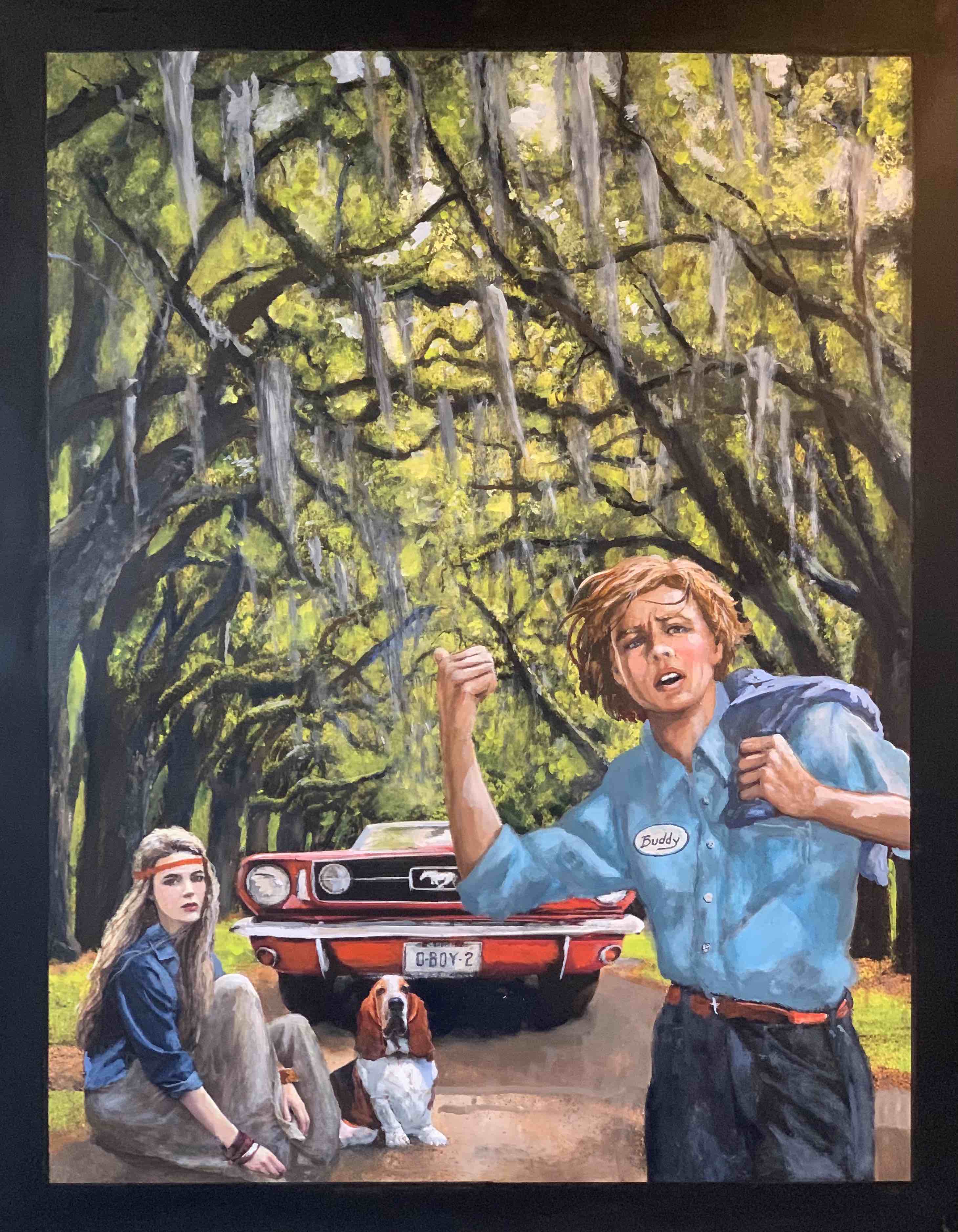
Painting of the cover of Today, Oh Boy by David Boatwright
My novel Today, Oh Boy, which is supposed to appear in early September of 2022, takes place during the daylight hours of Monday 12 October 1970 in Summerville, South Carolina. The title comes from the Beatle classic “A Day in the Life” as does the epigraph of Book 1, “Surfaces” –
And though the news was rather sad Well, I just had to laugh.
Here are the first couple of paragraphs:
A mango-hued, pockmarked bulletin board hangs on a classroom wall of pale lime green concrete blocks, the bulletin board pencil-stabbed and compass point-gouged. Among the graffiti are the names of the star-crossed lovers: Sandy + Tripp. Tragic Tripp, whose body was found last week tangled in blackberry bushes along the banks of the Ashley River, his skull smashed after falling off Bacons Bridge.
S-A-N-D-Y + T-R-I-P-P.
Rusty Boykin, a skinny, freckled redhead sitting on the bulletin board row in Mrs. Laban’s homeroom, traces his index finger in the depression of Sandy’s name. He supposes it’s Tripp’s work – the letters inartistic, juvenile. Sandy hasn’t been to school since Tripp’s death, four class days ago, and now it’s Monday, and she’s still not here. She should be sitting right in front of Rusty, her honey-colored hair hanging like a curtain to her waist.
For Rusty and his friends Alex Jensen and Will Waring, Tripp’s death, though “rather sad,” is less than heartbreaking because he was a belligerent bully with a ferocious temper. Despite that the word “tragic” appears in its second sentence, Today, Oh Boy is a comic novel.
Now, no way am I comparing this trifle of mine to Joyce’s Ulysses; however, I got the idea of writing it after listening to a 38-cd audio version of Joyce’s novel, that is, the idea of writing a novel that features one day in the life of a community with a wide cross-section of citizens. The chapter of Ulysses that especially intrigued me has come to be known as “Wandering Rocks.”
Here’s Julia Galeota’s summary from the Yale University’s Campus Press website:
“The Wandering Rocks,” the tenth episode of James Joyce‘s Ulysses relates the activities of citizens in the streets of Dublin between three and four o’clock. Composed exclusively of nineteen short vignettes that feature collectively nearly all of the characters of Ulysses, this tenth of Joyce’s eighteen episodes “is both an entr’acte between the two halves and a miniature of the whole” (Blamires 93).
Here’s a snippet, the last paragraph of “Wandering Rocks”:
Thither of the wall the quartermile flat handicappers, M. C. Green, H. Thrift, T. M. Patey, C. Scaife, J. B. Jeffs, G. N. Morphy, F. Stevenson, C. Adderly, and W. C. Huggard started in pursuit. Striding past Finn’s hotel, Cashel Boyle O’Connor Fitzmaurice Tisdall Farrell stared through a fierce eyeglass across the carriages at the head of Mr E. M. Solomons in the window of the Austro-Hungarian viceconsulate. Deep in Leinster street, by Trinity’s postern, a loyal king’s man, Horn-blower, touched his tallyho cap. As the glossy horses pranced by Merrion square Master Patrick Aloysius Dignam, waiting, saw salutes being given to the gent with the topper and raised also his new black cap with fingers greased by porksteak paper. His collar too sprang up. The viceroy, on his way to inaugurate the Mirus bazaar in aid of funds for Mercer’s hospital, drove with his following towards Lower Mount street. He passed a blind stripling Opposite Broadbent’s. In Lower Mount street a pedestrian in a brown macintosh, eating dry bread, passed swiftly and unscathed across the viceroy’s path. At the Royal Canal bridge, from his hoarding, Mr Eugene Stratton, his blub lips agrin, bade all comers welcome to Pembroke township. At Haddington road corner two sanded women halted themselves, an umbrella and a bag in which eleven cockles rolled to view with wonder the lord mayor and lady mayoress without his golden chain. On Northumberland and Landsdowne roads His Excellency acknowledged punctually salutes from rare male walkers, the salute of two small schoolboys at the garden gate of the house said to have been admired by the late queen when visiting the Irish capital with her husband, the prince consort, in 1849, and the salute of Almidano Artifoni’s sturdy trousers swallowed by a closing door.
And my pale imitation:
On the north side of South Carolina Highway 17-A just around a curve from a two-story high school, a redheaded sixteen-year-old boy in a silk-screened blue jean jacket walks backward with his thumb thrust out. Inside the school, another sixteen-year-old boy, this one dark-haired and wearing wirerimmed glasses, translates a passage from Don Quixote. A mile and a half to the east as the crow flies, a basset hound[2] with a red collar zigzags his way toward Bacons Bridge Road, a route that merges with Highway 61, crosses the Ashley River, then runs parallel to the river through a scenic tunnel of moss-draped oaks where antebellum plantations and gardens attract tourists in the spring. Meanwhile in one of the growing housing developments just outside the quaint town of Summerville, a middle-aged woman in a pink robe fills a tomato-stained glass with tap water and leaves it in the sink. Back at the school, a younger, plumper woman chastises a hyper Jewish kid with braces. Another set of ancient oaks embower a driveway where a maroon VW bus and a white VW bug follow one another out onto Carolina Avenue in the verdant heart of Old Summerville. Back at the school, two students are putting their art supplies away in anticipation of the end of class while a red Mustang hurtles in the opposite direction of—and past—the redheaded hitchhiker. The Mustang slams on brakes, does a screeching, tire-smoking 180, and slides to a stop in the opposite lane. Startled, the redheaded boy does a nervous little Chaplinesque dance as electricity whiplashes in a rush up his spine. He suddenly realizes that it’s her car, hears her New Jersey accent calling his name, asking him where he’s headed, inviting him to hop on in, and he begins to run toward the passenger side door. Around the curve at the school, a series of electric bells go
RRRRRRRIIIIIIIIIIIIIIIINNNNNNNNNG!!!
and a tall, slender math student picks up her things to head to English while on the first floor directly under her classroom, an orange-haired typist clumsily removes a sheet of onion paper from a typewriter that has seen better days.
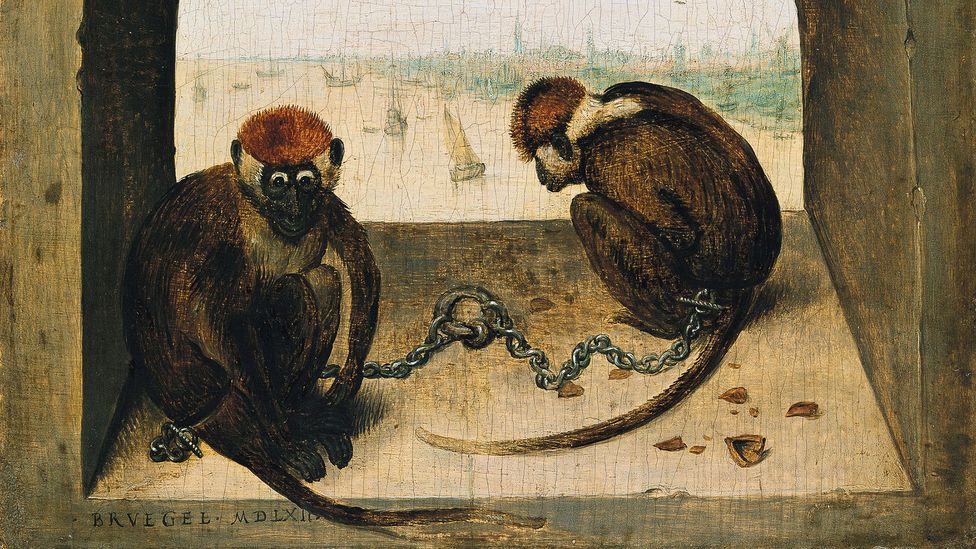
A couple of pre-publication readers, the brilliant Cintra Wilson the most prominent, complained that despite that the novel’s funny and stylistically sophisticated, it suffers from an overload of characters and too many sudden shifts, though sudden shifts shouldn’t, I would think, bother readers who grew up on Sesame Street. After all, Book 1 is called “Surfaces,” which attempts to provide portraitures of the classes of people who made up Late 60s Summerville High – jocks; a handful of selected African Americans; college prep kids, non-college-bound home economics, shop, and agriculture students; a small but ascendant number of “hippies;” and the teachers who taught them – which brings to mind the paintings of my artistic hero Pieter Breughel the Elder who overloaded his canvases with a glut of personages. You could also say that about my Photoshopped faux paintings.
At any rate, I hope you buy the novel and more importantly enjoy it. We’re in the process of planning a launch at Buxton’s Books and hope to have events at independent Summerville bookstores as well.
[1] I must have fallen asleep during the writing-workshop lesson on crafting brisk, attention-grabbing titles. By the way, in case you suffer from Irony Deficiency, that I used a first-person pronoun four times in the title playfully suggests that the article will not be modest.
[2] The basset hound, Hambone Odysseus Macy, is off on an epic adventure of his own. He’s later picked up from the side of the road by Alex Jensen who rechristens him Mr. Peabody after the erudite dog from the Bullwinkle cartoon. References to comic figures abound in the novel. In fact, one of the teachers, Colonel Claude Toby Dukenfield, shares the same name with WC Fields, on whom he based.
As my regular readers know, I’m not a fan of euphemisms.
It’s not the word retard’s fault that people began associating its past participle form with “mentally slow, lagging significantly in mental or educational progress.” Etymonline.com attributes its medical mental health coinage to G.E. Shuttleworth, “late medical superintendent, Royal Albert Asylum, for idiots and imbeciles of the northern counties, Lancaster” in 1895.[2] Back then in the realm of the mentally challenged “retarded” was considered a polite term.
Speaking of idiots, I think the first tautology I ever noticed was “stupid idiot,” a favorite pejorative among my tweenage playmates in the Twin Oaks subdivision of Summerville, South Carolina where I came of age in those chigger-ridden days of yore when woods were still abundant. Once I made the discovery, I’d respond to being called a “stupid idiot” by barking back, “Are you sure I’m not a brilliant idiot, you subliterate moron?”[3]
What I don’t like about euphemisms is that their tiptoeing around unpleasant connotations can lead to verbal obesity.
Hey, by the way, you can read medical articles free at no charge on the National Library of Medicine website. I just perused a study entitled “Patients’ Preferred Terms for Describing Their Excess Weight: Discussing Obesity in Clinical Practice” by Sheri Volger, Marion L Vetter, Megan Dougherty, Eva Panigraphi, Rebecca Egner, Victoria Webb, J Graham Thomas, David B Sarwar, and Thomas A. Wadden. [4]
According to the article, people who carry “excess weight” don’t dig being described as “obese” and “fat,” nor do they dig terms like “obesity, fatness, and heaviness.” Our ennead of nine authors suggests that when discussing weight issues with patients, caregivers use terms like “weight,” “BMI,” “weight problem,” or “excess weight.”[5]
Roscoe “Excessive Weight” Arbuckle
So anyway, I’d rather call a spade a spade rather than “a figure resembling a stylized spearhead on each playing card of one of the four suits,” but you know what, in conversation I do my best to avoid terms that might be considered pejorative, because I don’t want to hurt people’s feelings, and also, as restauranter-goer Brett Kavanaugh has come to learn, there is some danger in being an asshole.
By the way, how many “redundant tautologies” appear in this post?
[1] I.e., the saying of the same thing twice in different words, generally considered to be a fault of style (e.g., redundant tautologies).
[2] Did you catch the tautology in that sentence? By the way, what’s the difference between an “idiot” and an “imbecile?” In the callous insensitive old days, psychologists defined an idiot as one whose mental development never exceeded two years, an imbecile’s never exceeding seven years, and a moron’s never exceeding twelve years.
A aged man is but a paltry thing, a tattered coat upon a stick, so what shall I do with this absurdity, O Heart, O Troubled heart, decrepit age that has been tied to me as to a dog’s tail? What am I gonna do? Make a fool out of myself, that’s what. Here’s exhibit A. The Old Scarecrow Boogie.
Ain’t Got You
I’m sixty-five, got cataracts, Hump-forming on my back, A candidate for a heart attack, But I ain’t got you . . .
Got nurses to the left of me, Nurses to the right of me, Nurses all around me, But I ain’t got you.
Got a wheelchair, a walk-in tub, Teeth ground down into little nubs, Got a membership to the Rotary Club And you lookin’ good in your hot pink scrubs!
Got a closet full of robes, And no matter where I go Got hair in my nose. But I ain’t got you.
Prior to my sophomore year in high school, I had developed a robust crush on a social studies teacher named Mrs. Palmer. I can’t tell you how old she was – late twenties or early thirties would be my retrospective guess. She wasn’t the hot, mini-skirt-sporting bleached blonde that your typical adolescent boy might lust for but, rather, possessed a wholesome, girl-next-door prettiness, more Ingrid Bergman than Marilyn Monroe.
Ingrid Bergman
Anyway, you can’t imagine how excited I was when I received my class assignment for the academic year 1968-1969 and saw that I had Mrs. Palmer for World Cultures. This was the last year high school students attended classes in the old Rollins Building, and because of student overflow, she held class in what we called back in those days a trailer.
Old Summerville High
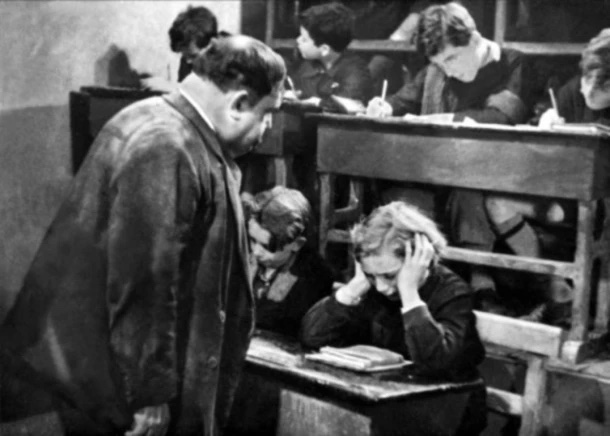
Not surprisingly, World Cultures was my favorite class. Mrs. Palmer was a demanding but even-keeled teacher who followed lesson plans that covered the gamut of whatever country we studied, and because I read my assignments, paid attention in class, and contributed to discussions, I did very well despite my chicken scratch handwriting and piss poor spelling.
Alas, no matter how witty, charming, and urbane I tried to be, somehow Mrs. Palmer managed not to succumb to the allure of a scrawny, pimply sixteen-year-old who reeked of secondhand smoke. And even if she had, it would have come to naught because, as luck would have it, after Christmas she followed her husband to a new job and was replaced by an older man I’m going to call Professor Plum.
To say that Professor Plum was eccentric is like saying that Notre Dame is gothic, or Calcutta is crowded; in other words, his weirdness was apparent as soon as you laid eyes on him, thanks in good part to the fact that the right lens of his glasses was shattered. I can’t imagine what the world looked through that those glasses, how his brain compensated for the semi-fractured view of what lay before him, but at least he didn’t bump into things, though for anyone engaged in a one-on-one conversation with him, it was – at least for me – unnerving.
In his sixties, tall and handsome with slicked back grey hair, he wore only two suits to class, a grey one and a blue one, and he sported the same brown scuffed wingtips no matter which suit he had chosen for the week. I recall that he addressed us collectively as “young people,” and often pointed the calendar on the bulletin board featuring presidents with Richard Nixon in the center. He would point to the calendar and say, “This country is in grave danger, young people, but that man on the calendar may be our salvation.”
Rather than covering the origins, history, and geographic locations of the countries, he focused solely on their cultural contributions, cuckoo clocks and yodeling for Switzerland, Voltaire and Debussy for France. His tests were ridiculously easy. I remember that he assigned each of us a country in the Asian section and tested us orally by asking one question – one question! – during a class period.
I had been assigned the Philippines, and clever boy that I was, I studied only the last section of the chapter devoted to folkways and cultural contributions.
Here’s my test.
Professor Plum: Rusty, what is the national dish of the Philippines?
Me: Dogs!
Professor Plum: Roasted over what?
Me: Hot coals?
Professor Plum: Yes. You receive a one hundred.
Me: Thank you, sir.
As it turned out, every single person in the class exempted the exam except one, whom he informed in class publicly that under him she would have qualified for exemption but that her performance under Mrs. Palmer meant that she had to take the exam.
I can say one thing positive about Professor Plum: his classroom management was excellent. No one, as they say, horsed around during class. I felt a little sorry for him. He had been a teacher and perhaps an administrator in Charleston County, and it seemed to me that something in his life had gone awry, perhaps he was a widower, perhaps he had money problems. At any rate, from my own stint as a department chair, I know how difficult it is to find a suitable replacement teacher in the middle of a semester.
On the other hand, I don’t feel all that sorry for him. Having only one final exam to grade in the spring is pretty damned sweet.
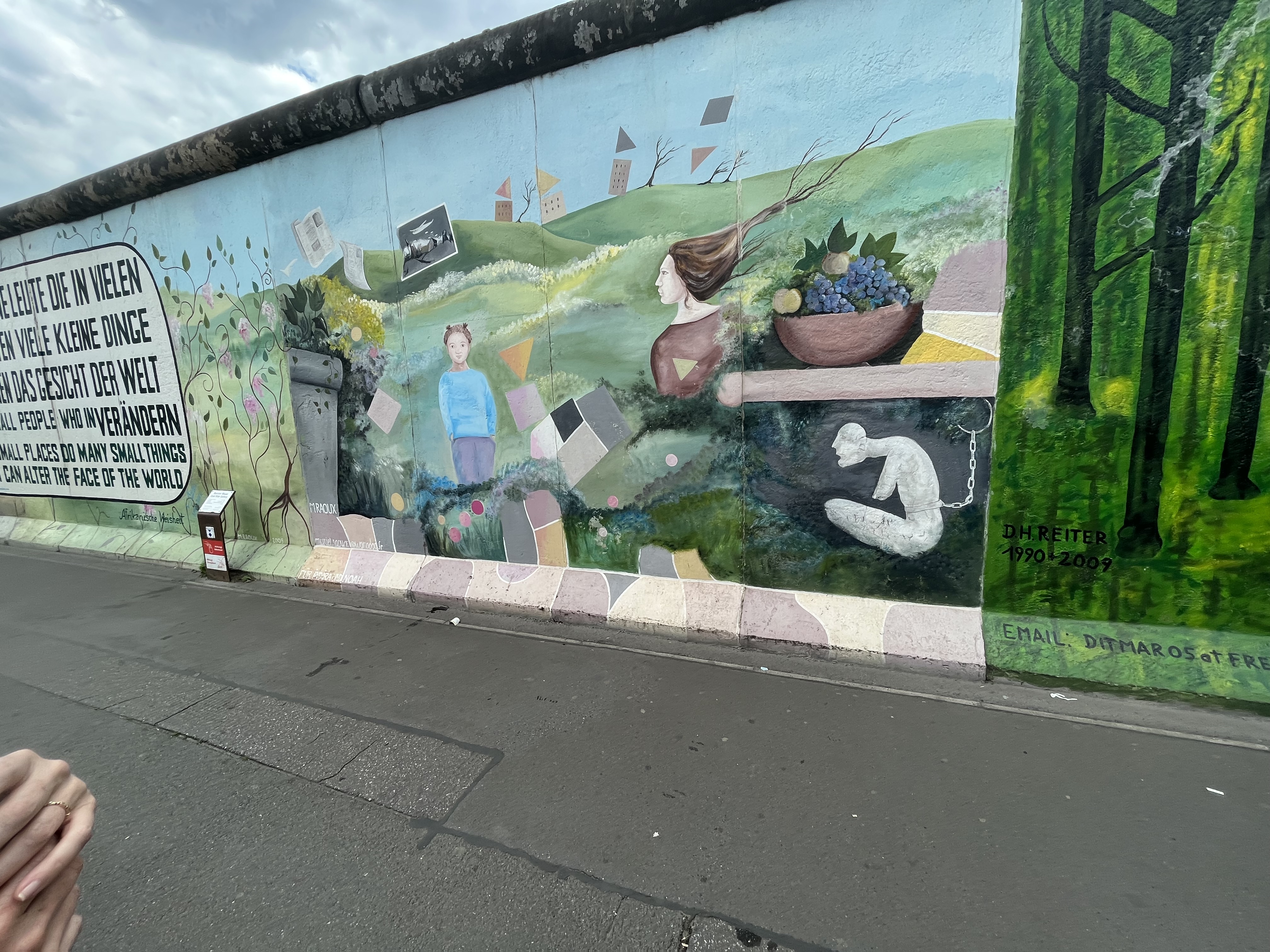
We saw lots of sights during our recent two-week trip to Germany: for example, the murals on what’s left of the Berlin Wall, the DDR and Toy museums in East Berlin, the Albrecht Dürer Haus in Nüremberg, cathedrals in every city we visited, an incredible beyond-baroque palace in Würzburg, and in Heidelberg, a museum devoted to outsider art.
The Berlin Wall
The Residence Palace in Würzburg
However, what might be my favorite sightseeing excursion was a sedentary anthropological expedition to Würzburg’s Marktplaz where Caroline and I sat sipping beer on the periphery of a café and observed for a couple of hours the to-and-fro of pedestrian traffic.
I’ve always been a people-watcher and enjoy contemplating my subjects’ private lives, picturing them at home. For example, I can imagine the pear-shaped widow now waddling past bent over a sink dying her wispy grey hair that bright eye-singing chartreuse.[1] Tent-like floral tops hang in her closet. A black-and-white photo of her dead husband sporting 70s sideburns stands on the sideboard. The odor of sausages and potatoes waft through her small apartment.
What distinguished this particular session was the number of pedestrians who suffered ambulatory issues, folks in motorized wheelchairs, blind people, passersby utilizing walkers, stroke sufferers, and those with what appeared to be congenital defects, the Ratsos and Quasimodos of Francona.
In the two hours we sat there, I counted thirty-four men and women with walking issues.
Caroline is a theorizer. When I wondered aloud why there tended to be so many more disabled people on the streets of Germany than in the US, she conjectured that Germans’, given their alpine hiking heritage, simply walk (and bike) more than North Americans. Therefore, you’re bound to see more limping and shuffling than in the US where even in a small village, we hop in the car instead of walking three blocks to the store.
Valeri, valera
In fact, during our stay, even Berlin’s auto traffic was light. In Würzburg and Nüremberg, navigating your VW through the crowds thronging the squares would not only be nerve-wracking but also slow going. Why not take in the gorgeous solstice sunshine on foot before Ol’ Herr Winter casts his frigid gray cloud bank over the will to live?
I really admire these disabled walkers, admire their pluck, their lack of self-consciousness, as they wobble or shuffle their way to their destinations. They certainly seemed more serene than the middle-aged dandy I saw haughtily strutting in his outrageous paisley blue suit (matching jacket and pants), glancing right and left to see if he was copping any attention as he crossed the pedestrian bridge over the Main River.
In fact, he was the only angry person I remember seeing during our stay, and if he and I both live long enough, we’re both likely to end up hobblers, which, beats, in my opinion, the alternative.
Valeri, valera
[1] Seems as if many of these women who dye their hair neon shades of red have unhealthy-looking hair. Hmm.
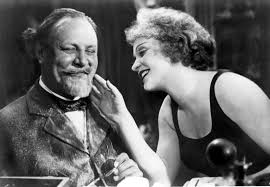
Last night Caroline and I engaged in some decadence-lite by visiting the Berlin nightspot Bellboy. Of course, when you think of Berlin, you think decadence, cabarets, drag queens, leather, and donuts. In the movie version of our escapade, Emil Jannings would play me, and of course, Marelene Dietrich would play Caroline.
Emil and Marlene
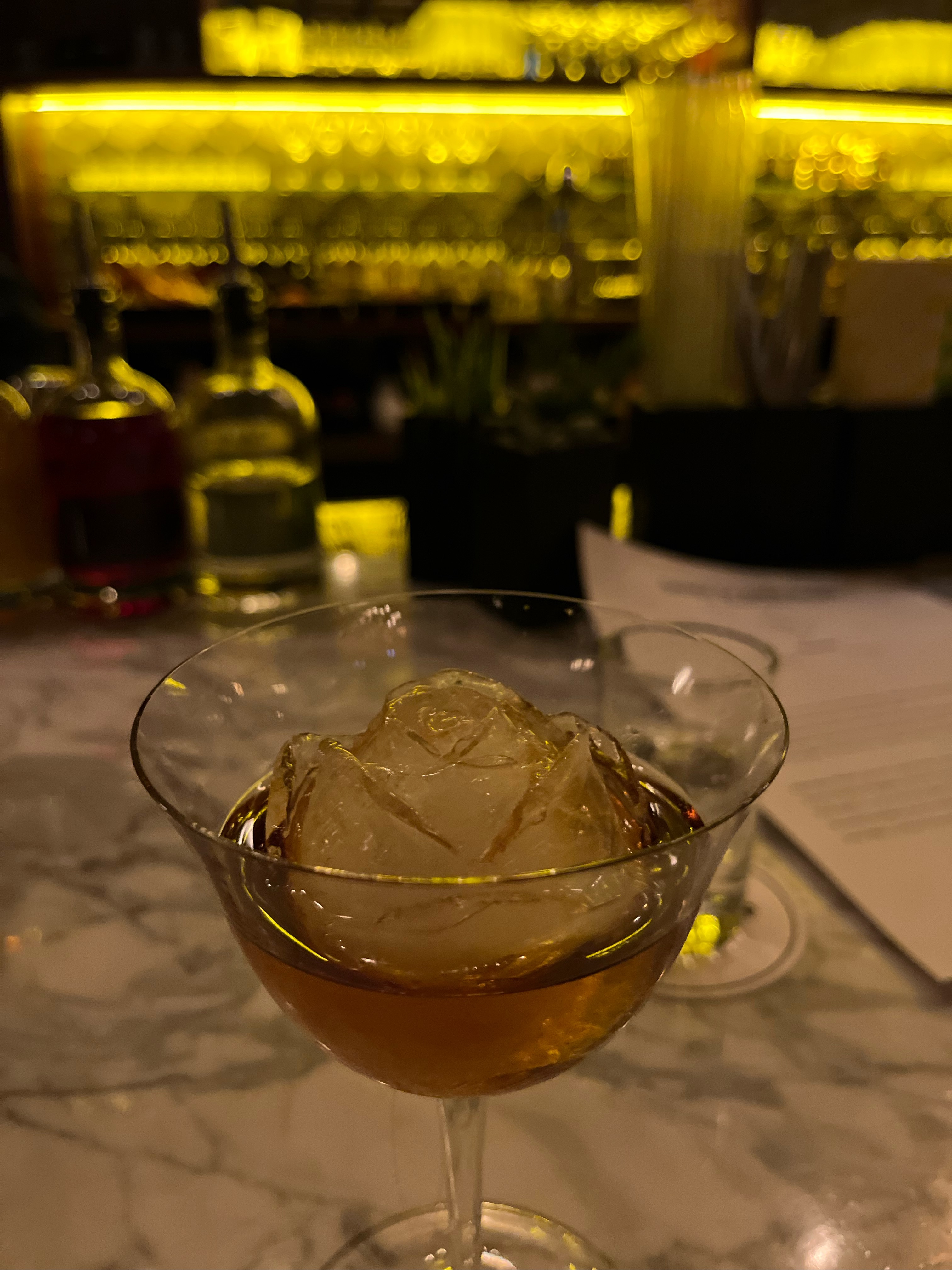
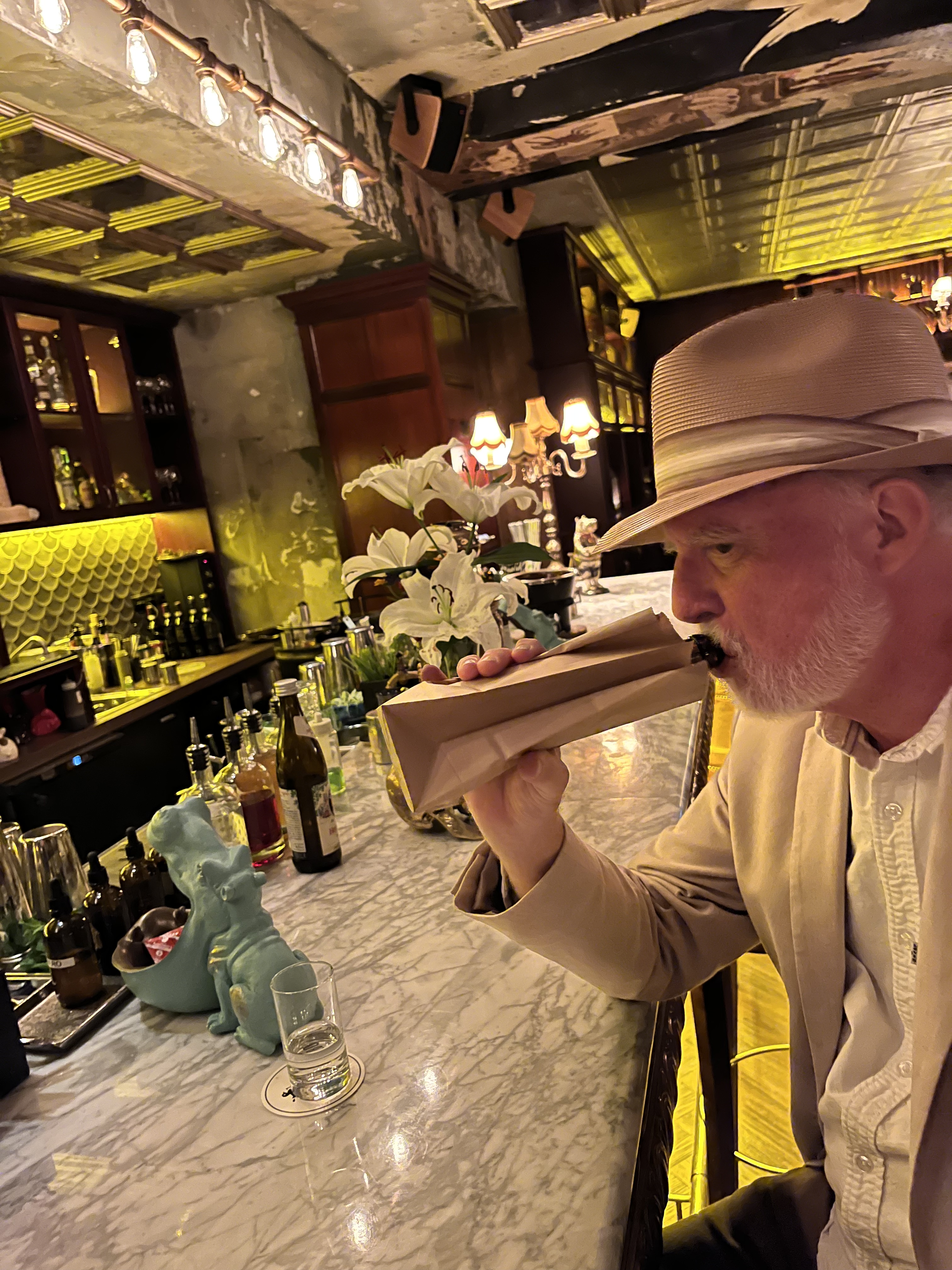
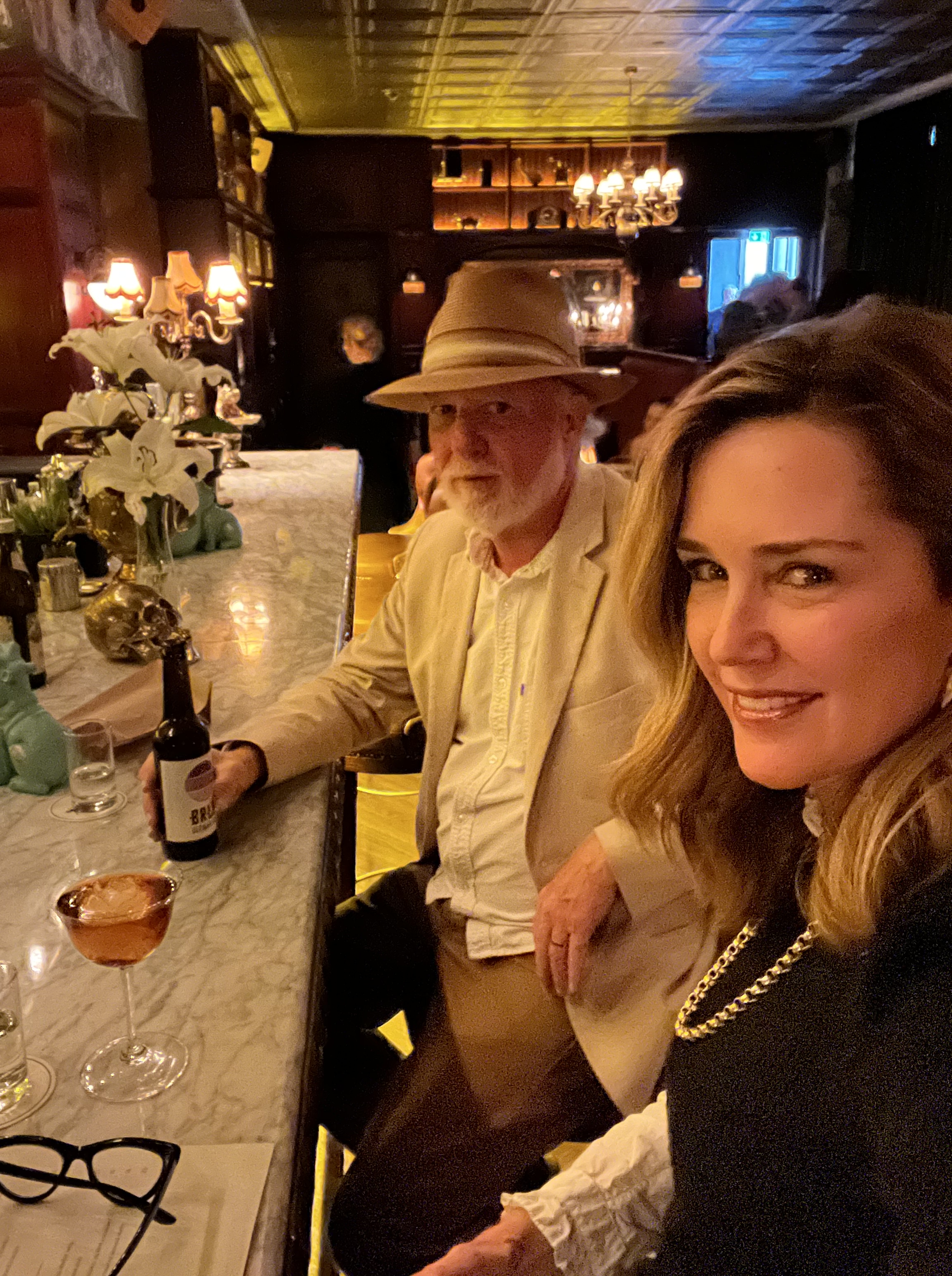
Bellboy pretends to be a speakeasy. There are no signs anywhere, not one outdoors announcing its existence, nor are the doors to the toilet marked. Caroline and I sat at the bar watching mixologists put on quite a show, pouring liquids from container to container, creating rope-like streams, shaking concoctions in ice filled metal containers like Cuban percussionists. Waiters took your orders, slipping up behind you, and rarely did you encounter the same one consecutively. Anyway, when my beer arrived, it was sheathed in a brown paper bag. Ragtime jazz pulsated from the speakers. Otherwise, the crowd looked like your run-of-the-mill German Büroarbeiters.[1] No one sported chaps with the butt-baring cuttouts or conical bras fashioned from poptoptabs.
One nice touch, I thought, were bowls shaped like hippopotami bearing condoms positioned every few feet on the bar. We noticed a bartender placing a condom in one ridiculously elaborate drink he was constructing. I asked, “Did you just put a condom in that drink?” and he answered, “of course,” as if I were some kind of rube, so for the rest of the night, whenever I engaged the staff in conversation, I laid my Dr. John rap on them, letting them know the oysters were “mos scocious,” and the beer “desitively bonnaroo.”
Going to the toilet ended up being a Hitchcockian adventure/nightmare. I asked for directions, and the fellow led me to an elevator. He said, “Go to the second level, go straight, it’s on your left.” Once I entered the elevator car, it went dark except for a strobing red light. It was too dark to see the buttons, so I demanded Siri to turn on the flashlight, which she did; however, when I pressed button 2, the elevator didn’t move, but another door opened. I tried pushing the button a couple of times but gave up and walked around the corner to find myself back at the entrance where three young ladies greeted in-coming guests. I dropped MC Escher’s name, and they showed me an alternative route. The next time I had to go, I was sent to an entirely different location, a series of incense-infused pink rooms. There were no signs, as I’ve mentioned, but I saw some urinals, so I went on in. On one wall, the urinals were way too tall, as if I had stumbled into an NBA lockerroom. However, I found on another wall, standard urinals. As I was leaving, I saw through a glass window, two women preening in front of a mirror, smiling, laughing, having a good ol’ time. I’m not quite sure if they were real or a movie. Anyway, they looked real.
So, all in all, it was a rather disorienting evening. We were out of there by ten, and the staff, whom I generously tipped, seemed genuinely sad to see us depart.
[1] Officeworkers (Note, I’ve started Germanificating my English by mashing words together).
I’ve always been supersensitive to sounds, particularly to the sound of words. I especially enjoy attempting to marry sound and sense when I write poetry and prose.
‘Tis not enough no harshness gives offence, The sound must seem an echo to the sense. Soft is the strain when Zephyr gently blows, And the smooth stream in smoother numbers flows; But when loud surges lash the sounding shore, The hoarse, rough verse should like the torrent roar.”[2]
Alexander Pope
What prompted these thoughts was a recent listen to Eddie Harris’s “Compared to What,” a song my college housemate Stan and I revenge-blasted one spring weekday around five a.m. circa 1974 in an old rotting subdivided house on leafy Henderson Street.
After numerous nights being kept up by ceiling-shaking music from the inarticulate longhairs downstairs (which meant they and their guests had to shout to be heard over the Black Sabbath/Deep Purple), one inebriated post-midnight wee hour Stan and I-and-I decided we had had it. We cranked up full blast “Compared to What,” and, brothers and sisters, in this case, anger is a beautiful thing. It’s one angry ass song.
Give it a listen.
[Verse 1] I love the lie and lie the love A-hangin’ on, we push and shove Possession is the motivation That is hangin’ up the God-damn nation Looks like we always end up in a rut (Everybody now!) Tryin’ to make it real, compared to what? (C’mon baby!)
[Verse 2] Slaughterhouse is killin’ hogs Twisted children are killin’ frogs Poor dumb rednecks rollin’ logs Tired old lady kissin’ dogs I hate the human, love that stinking mutt (I can’t use it!) Try to make it real, compared to what? (C’mon baby now!)
The President, he’s got his war Folks don’t know just what it’s for Nobody gives us rhyme or reason Have one doubt, they call it treason We’re chicken-feathers, all without one nut. God damn it! Tryin’ to make it real, compared to what? (Sock it to me)
[Verse 4] Church on Sunday, sleep and nod Tryin’ to duck the wrath of God Preachers fillin’ us with fright They all tryin’ to teach us what they think is right They really got to be some kind of nut (I can’t use it!) Tryin’ to make it real, compared to what?
[Verse 5] Where’s that bee and where’s that honey? Where’s my God and where’s my money? Unreal values, crass distortion Unwed mothers need abortion Kind of brings to mind ol’ young King Tut (He did it now) Tried to make it real, compared to what?
[Outro] Tryin’ to make it real, compared to what?
[1] Four feet, six inches of gut-crunching, man-eating terror. You didn’t want to get on his bad side. He would immortalize your ass, but not in a good way.
[2] That last line of that verse was written in slow motion.
It strikes me as strange that when so many restrictions of Late Empire American morality have been softened– the acceptance of premarital cohabitation comes to mind – that speech has become less free, especially corporate speech, academic speech, speech addressed to a crowd, whether it be a cache of Facebook acquaintances or a classroom of high school sophomores.
How many chastened blurters in recent years wish they’d followed Polonius’s advice to his son Laertes: “[g]ive thy thoughts no tongue […], give every man thy ear but few thy voice.”[1]
Unfortunately, throughout my life, I have not followed that advice; indeed, I seem incapable of holding my tongue. When what I consider a clever thoughts pops into my mind, it immediately pops right out of my mouth.
[cue gameshow wrong answer blaring sound effect]
In today’s academic environment, I’m fairly certain I’d be dismissed from my teaching position for any number of less-than-judicious[2] announcements I issued over the decades.
The first time I realized that I should be more circumspect in my audible musings occurred way back in the late 80s when future journalist Ballard Lesemann published in our literary magazine interesting statements by his teachers, all of which, if I remember correctly, were off topic.
Here’s mine: “REM sounds like the Byrds on bad acid.”
The statement, unfortunately, implies that I had had some familiarity with LSD, which indeed was the case, but also, that some types of LSD could be deemed good, as opposed to “bad acid.” Perhaps someone complained to one of my superiors, but I personally never heard about it.[3] Back then, I was striving to cultivate a favorable impression.
Another less=than-judicious injudicious comment came when I was chaperoning a 6th grade trip to St. Augustine, a horrific seventy-two hours that has taken god knows how many years off my life.
Anyway, nothing irritated me more as a teacher than an arrogant child telling me how I should be doing my job. I especially took offense when little Bennington or Eliza dispensed with decorum and haughtily demanded something from their betters, i.e., I-and-I.
This was the case on the fieldtrip when at a motel the chaperones sat outside and allowed the children to run around the rooms, the stipulation being that the curtains had to be open. I was so miserable I was half-contemplating sneaking away and hitch-hiking back home when this imperious little twit came up and demanded to know why they had to have the curtains open.
Out of my mouth came this admonition: “Because we’re sick and tired every year when . . . [4]
I’ll leave you with this last lack of discernment. I don’t know how the topic of pornography came up in my honors Brit Lit survey, but it did, and I said, “Pornography is for the unimaginative,” and my best student enthusiastically informed me she was going to use that as her senior quote in the Yearbook.
She didn’t, thank goodness, but it just goes to show how difficult it is to overcome bad habits.
On the other hand, a certain frankness can hold a teacher in good stead. One thing that most adolescents excel at is perceiving hypocrisy. They possess finely tuned bullshit meters, and if they like you, they don’t want you to get in trouble.
So cheers, Ballard, cheers Courtney!
.
Ciao.
[1] Although “full of high sentence,” Polonius is more than “a bit obtuse,” a hypocrite, a fool, and no audience member rues his death. I love it when Hamlet, after stabbing eavesdropping Polonius through the curtain behind which he hid, informs his mother that he’ll “lug the guts in the neighbor room,” In the Derek Jacobi PBS production, as Hamlet’s dragging Polonius’s corpse out backwards by his legs, he chirps “Goodnight, Mother.” It’s very funny.
[2] Surprised my word processing built-in editor didn’t suggest “injudicious” given the pompous prose I’m producing in this post.
[3] I know my mentor Sue Chanson, whom I adore, shielded me from a lot of flak over the years. She herself was known for her frank appraisals, earning her the appellation, “the high priestess of the painful truth.”
[4] Redacted. Look, an old dog can learn a new trick.
It’s very easy to take our freedoms for granted, especially given the irrationality of a substantial number of our citizenry who see freedom as merely a license to do whatever they damn well please, as if American soldiers sacrificed their lives so these vulgarians can rev their unmuffled engines outside your condo at 2 AM, amass an arsenal’s worth of munitions in their basements, keep Bengal tigers as pets, burn barnfuls of autumn leaves during the windiest day of a four-month drought. However, try stepping across the street from these freedom lovers’ houses and burning a Walmart-purchased-with-your-own-hard-earned-money-made-in-China American flag, and even though well within your rights as a US citizen, you’re likely to find yourself, run over, shot, devoured by an exotic pet, and/or torched because, if there’s anything that lovers of freedom detest, it’s “blame-America-first liberals like I-and–I.”
Nevertheless, even though, as Dr. Johnson said, “Patriotism is the last refuge of a scoundrel,” we should not take our freedoms for granted – as anyone who has spent a night in jail can attest. Imagine being arrested for expressing an unsanctioned opinion, or worse, being imprisoned 6 years for making a fictional motion picture about your country’s controversial election and then being barred from making another film for 20 years. Well, meet Iranian director Jafar Panahi who ended up doing a year plus and then a lifetime of house arrest, banned from leaving the country except for medical treatment or visiting Mecca for the Hadj.
Jafar Panahi
One year, a mere instant in the life of the free, an eternity for someone sitting in a cell, the epic equivalent of that insufferable class or professional development seminar where you glance up at the clock every hour to discover to your horror only five minutes have elapsed.
In Panache’s case six years! Then being barred from doing what you love to do – that you feel compelled to do – for twenty years! – because your homeland has been confiscated by a bevy of Medieval paranoids who see the human body as somehow evil, who see women as temptresses, who respect not one iota the concept of individual freedom.
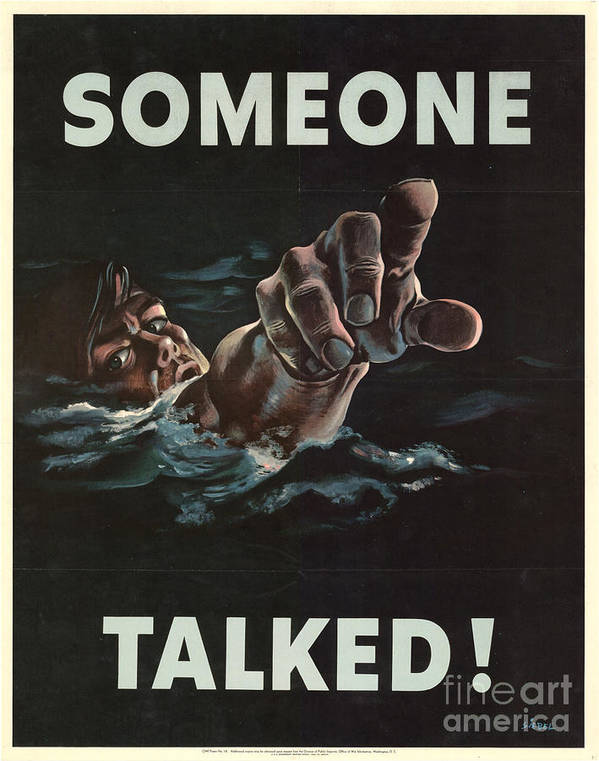
I find the jingoistic poster below offensive. “Taking America back” suggests taking America back from some usurper – minorities, immigrants, college professors, etc. However, it’s the right of whoever concocted the poster to create and publish menacing jingoistic images, and we wouldn’t have it any other way, so on this Memorial Day weekend, we should take time from boating, barbecuing, golfing, or vegetating to honor the men and women who sacrificed their lives – whether in vain or not – so we can be ourselves, say what we please, and create what we will.
[1] Unless, of course, you’re being sodomized by a fellow inmate





















 You Do Hoodoo