
photo credit Steve Rhea
Order Options

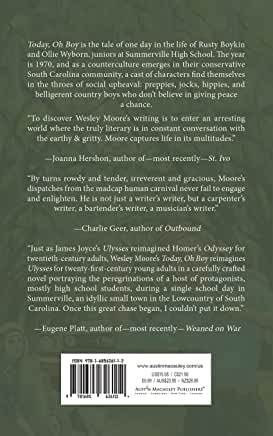
Fourteen months after its acceptance, my novel Today, Oh Boy is out and available at
Buxton Books
Barnes and Noble: LINK
Amazon paperback: LINK*
Amazon ebook: LINK
Coming soon to Guerin’s Pharmacy in Summerville and Bert’s Market on Folly Beach
Upcoming Events:
Book Launch at Buxton Books

Reading and signing from 6:30-7:30 p.m. near Hutchinson Square during Third Thursday on Apr. 20 (featuring music by Fleming Moore).
Reading and signing at Porter-Gaud School April 29th from 5:00 – 6:00 PM
Media
Story in the Charleston City Paper by Bill Thompson LINK
Interview with Eugene Platt in The Post and Courier LINK
Interview with Mary Reagan in the Summerville Journal Scene LINK
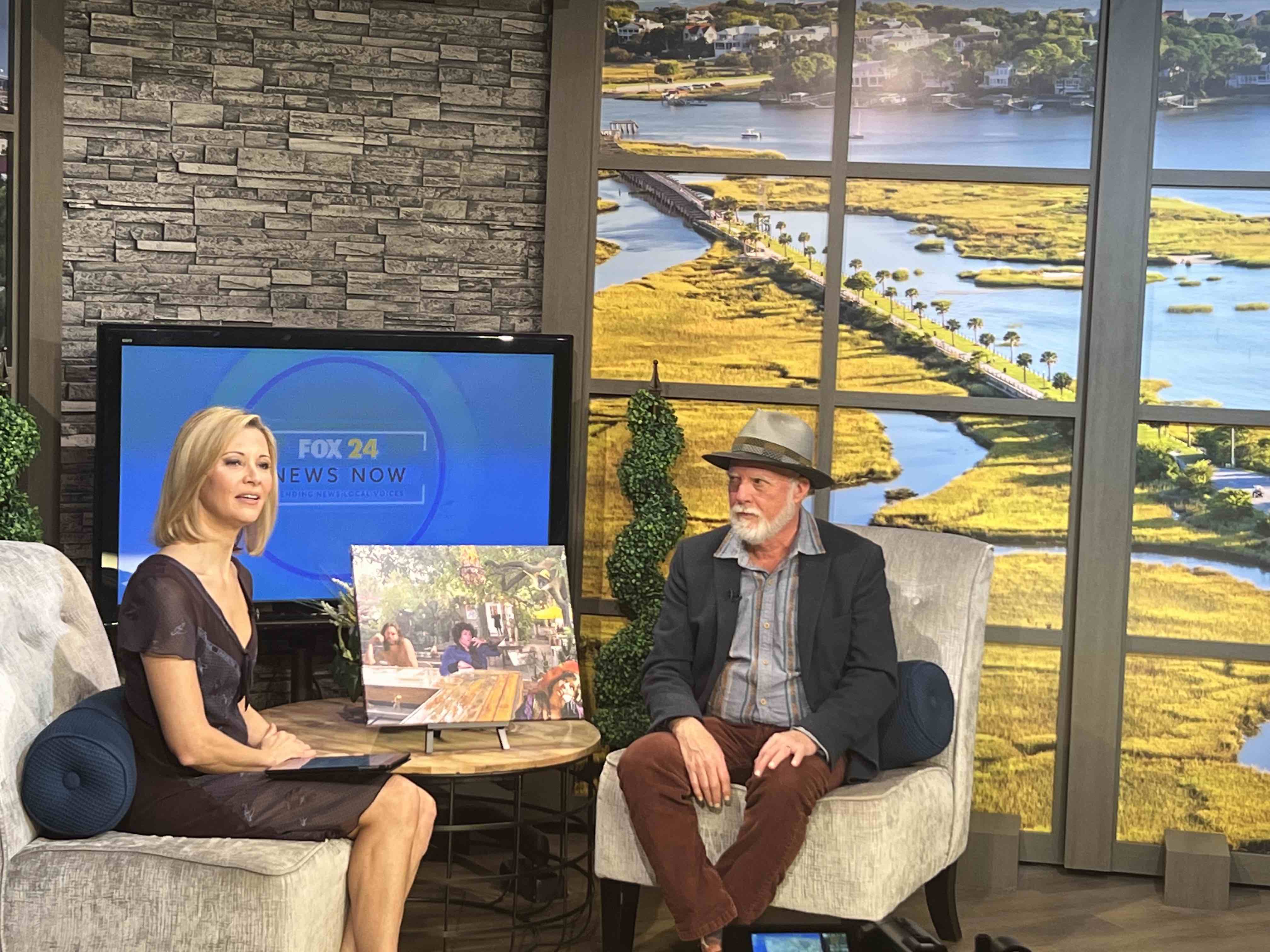
Television interview with Leyla Gulen. Click Below
Get ’em while they’re hot!
*Note, the back cover is displayed on Amazon’s paperback link:
I’ve written on Hoodoo previously that I don’t blame young people for holding golden-agers, i.e., senior-citizens, i.e., their elders, i.e., old farts in contempt as we shuffle along taking tiny steps, fumbling for our checkbooks while striking up conversations with grocery store clerks, or poke along doing 45 in passing lanes, oblivious to the hustle and bustle of Late Empire capitalism.
Even I-and-I, a forgetful 70-year-old, have been known to disparage my fellow geriatrics when their egocentricity (or declining faculties) don’t take in account the needs of others. No doubt I get on young people’s nerves myself, an overly dressed gadfly Oscar Wilde wannabe nodding my head and droning on about myself on barstools and in dentist offices.
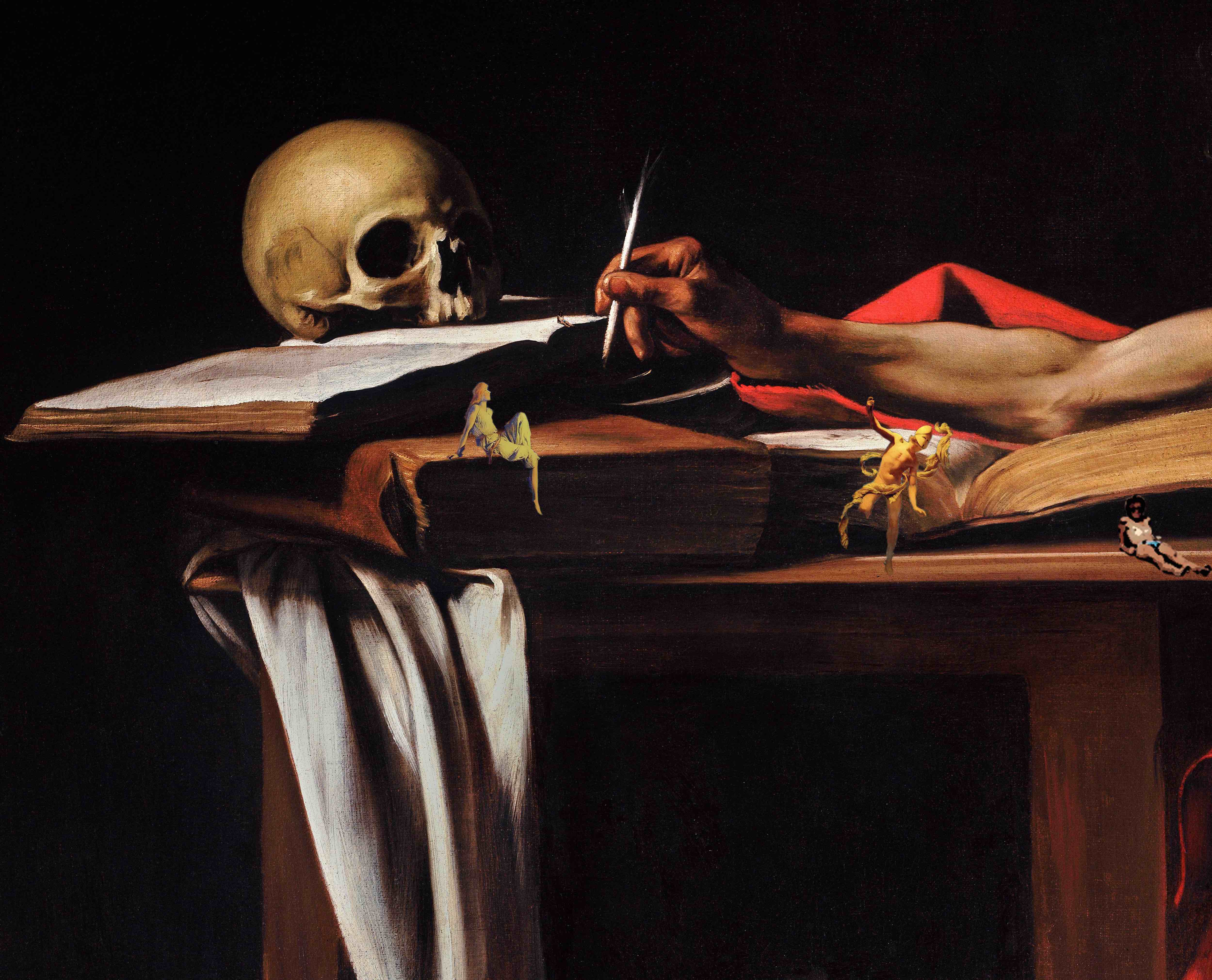
Yet here I am in my twilight the author of a little ol’ bagatelle of a YA novel written on a 12th-grade-plus reading level, and I’m shamelessly promoting it as if it’s the great American novel. Three newspaper articles have appeared that focus on my late life productivity[1], and I’ve also appeared on midday local television program talking about me, me, me, not exactly a fascinating subject.
Ultimately, it’s much ado about not much.
Yet it does give me something to do and to dread.
My sons and their significant others are coming to the book launch[2] (Harrison and Taryn from Chevy Chase, Ned and Ina from Nuremburg), Old and new friends will be there. Eugene Platt, who has recently published his collected poems Weaned on War will introduce me, an honor for sure. I see the launch as a sort of funeral I get to enjoy before I die.
However, I do want to set it down here that I’m a little ashamed of myself for all this hullabaloo. There’s something a little tawdry about it, a little needy.
Rather, I should
like a laughing string
Whereon mad fingers play
Amid a place of stone,
Be secret and exult
or better yet, as the young people say STFU.
Cheers!
[1] I’m also, to use a polite term, a digital collagist.
[2]Buxton Books, 120 King Street, 11 April 2023 6 PM rsvp@buxtonbooks.com
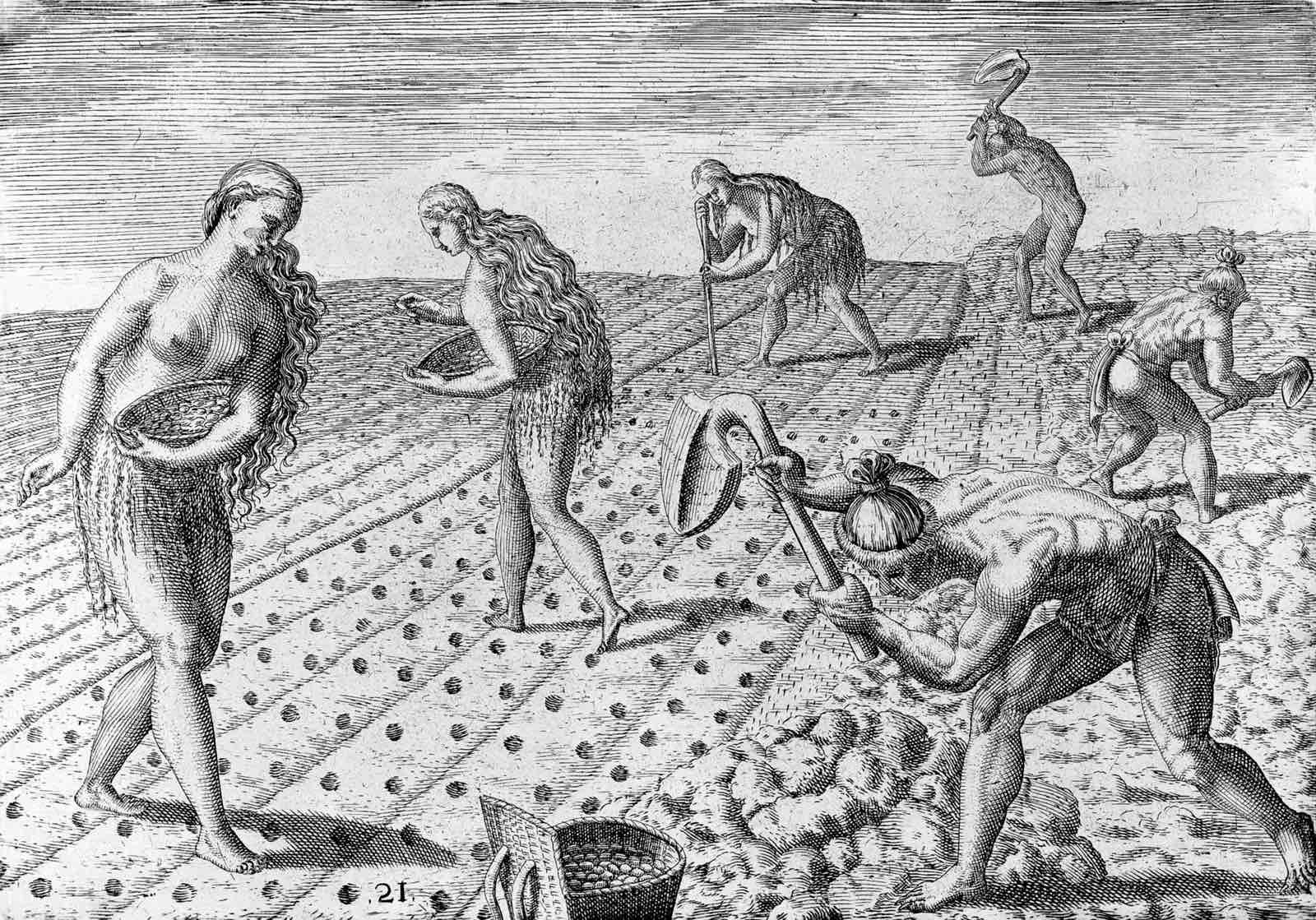
In the early Sixties, South Carolina state law mandated that children in both the third and eighth grades receive instruction in the state’s history. As randomness would have it, my first tour of the annals of the Palmetto State coincided with the centennial celebration of “The War Between the States.” Lessons about “Caw-Caw the Indian boy” competed with classroom drills in which we swiftly assumed fetal positions beneath our tiny desks. (Charleston with its Polaris submarine base offered an inviting target for those Cuban Missiles). Also, on the domestic side, in the background, we could detect a soft growl of discontent rising in the throats of what my family politely called colored people, who, as the ad populum argument went, were being stirred up by “outside agitators.”
Times, you might say, were a-changing.
Not in the teaching of South Carolina history. Preserved in our textbook, time-honored “statements of fact” explained that the vast majority of slaves were well-treated, that unfair tariffs had sparked the Civil War, that the Ku Klux Klan had provided a public service during the dark days of Reconstruction, that Pitchfork Ben Tillman was a man of courage, that the textile industry promised a potential economic stimulus that might propel the state back into its former glorious position as the cultural vanguard of the nation . . .

When I first started teaching high school in the Mid-Eighties, I still encountered traces of these old arguments, particularly concerning the paternalism of slavery and the predominance of tariffs as the cause of the War. To counter the latter argument, I found copies of Declarations of Causes of Seceding States and highlighted in blue all of the sentences that referred to slavery. Believe me, the unhighlighted patches were about as prevalent as peanuts in Hershey bars. However, back in the day, I, too, believed what I had read. As an eight-year-old, I applauded the Klan of yore, those white-clad knights who had cleansed my native state of nefarious scalawags, carpetbaggers, and, yes, Negroes.
Flashforward a half century. The descendants of Pitchfork Ben have again taken to the streets eager to “retake their country” from Woke radical Democrat communist fascists.
Screeching in ALLCAPS, Trump, as he likes to refer to himself, predicts that he will be arrested this week:
“THE FAR & AWAY LEADING REPUBLICAN CANDIDATE & FORMER PRESIDENT OF THE UNITED STATES OF AMERICA, WILL BE ARRESTED ON TUESDAY OF NEXT WEEK. PROTEST, TAKE OUR NATION BACK!
WE JUST CAN’T ALLOW THIS ANYMORE,” he wrote. “THEY’RE KILLING OUR NATION AS WE SIT BACK & WATCH. WE MUST SAVE AMERICA! PROTEST, PROTEST, PROTEST!!!”
Well, he’s certainly riled up this “patriot.”
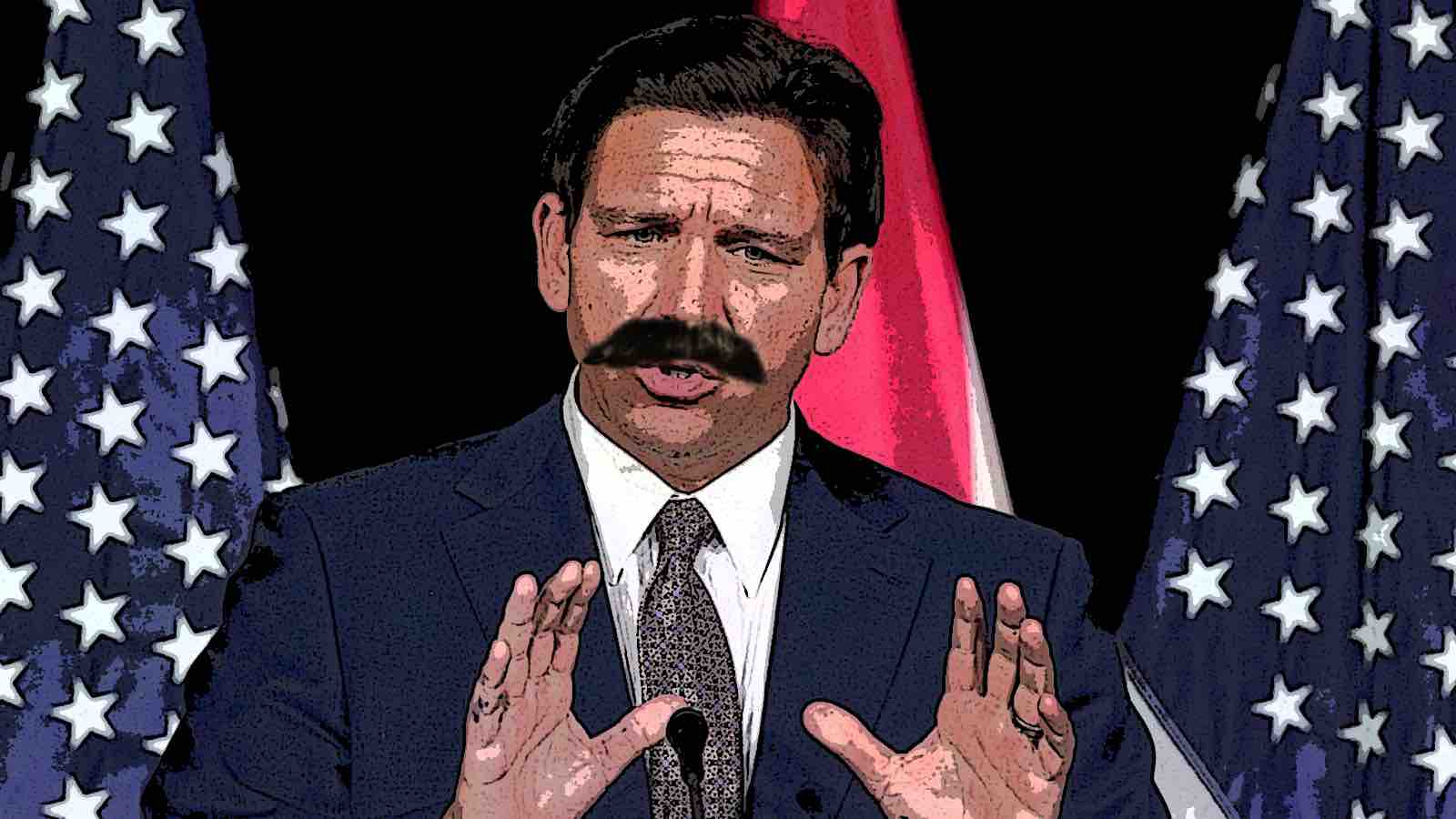
Meanwhile, the right wingers who run state schoolboards are co-opting Joseph Stalin’s tactics by rewriting US textbooks and removing books from the library. From The New Yorker.
In late January, at Greenland Pines Elementary, kids attended a party for an annual event called Celebrate Literacy Week, Florida! There was an escape room and food trucks. Brian Covey, an entrepreneur in his late thirties, came to pick up his daughter, who’s in second grade, and his son, who’s in fifth. His kids looked confused. “Did you hear what happened at school today?” his daughter asked. “They took all the books out of the classrooms.” Covey asked which books. “All the books,” she said. Covey’s son had been reading “Measuring Up,” a coming-of-age story about an immigrant to the United States from Taiwan. Students who read from a list of pre-selected books, including this one, were rewarded with an ice-cream party. “They even took that book,” Covey said.
In Manatee County a group that calls itself Community Patriots Manatee is reaching out to “WOKE BUSTERS” calling out to “Warriors” that it needs “Digital, Investigative, and Boots on the Ground.”[1]
What do these disaffected MAGA screechers and rightwing school boards have in common besides a contempt of the Other? They’re reactionaries, of course. They seek the status quo ante of the past, the good old days when the government stayed out of their lives (those glorious days before Interstate highways and VA hospitals).
Of course, the irony of their Orwellian neo-newspeak is lost on them. “Patriots”= those who tried to violently disrupt the legitimate election of the President of the United States. MAGA “Christians” call for violence to eradicate their enemies.
Chance are that their children – and the children of Woke Floridians for that matter – won’t be able to check 1984 out of their school libraries.
And as far as teaching history goes, schools may very well revert to the indoctrination I suffered when I studied South Carolina history way back then. It’s just a different type of indoctrination than the Anti-Woke indoctrination they so fear.
Anyway, I think I’ll forgo my V-8 this morning and have a bloody mary instead.
*1] I don’t know if it’s by design or ignorance, but they have adopted Trump’s penchant for randomly capitalizing common nouns.
[2] BTW, in my last two years of teaching, I taught 1984 to 9th graders. Here’s a link to a teaching guide I created for teachers tackling the novel.
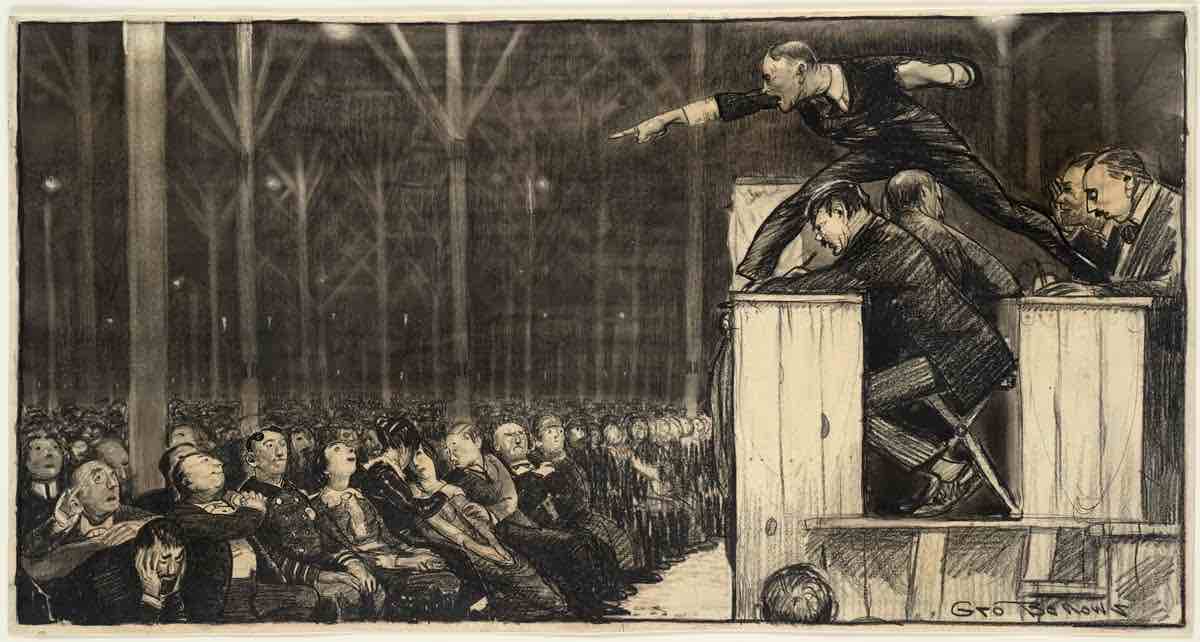
A dozen years ago when I chaired Porter-Gaud’s English Department, I received a parental email so shrill it made a banshee keen sound like Barry White love talking.
One of my colleagues in the New Testament unit in 8th grade English had assigned the Gospel of Thomas, a compilation of “Jesus sayings” declared heretical by the early Church Fathers Origen and Hippolytus of Rome. Here’s an example:
His disciples said: On what day will you be revealed to us, and on what day shall we see you? Jesus said: When you unclothe yourselves and are not ashamed, and take your garments and lay them beneath your feet like the little children (and) trample on them, then [you will see] the Son of the Living One, and you will not be afraid.
Gospel of Thomas Saying 37
Anyway, this email (which I long ago deleted) seemed to have originated from the windblown sands of ancient deserts, the Land of Thou Shall Not, the land where graven images are taboo, where Jezebels are stoned to death. The email actually contained this suggestion: “(see Origen).”[1]
* * *
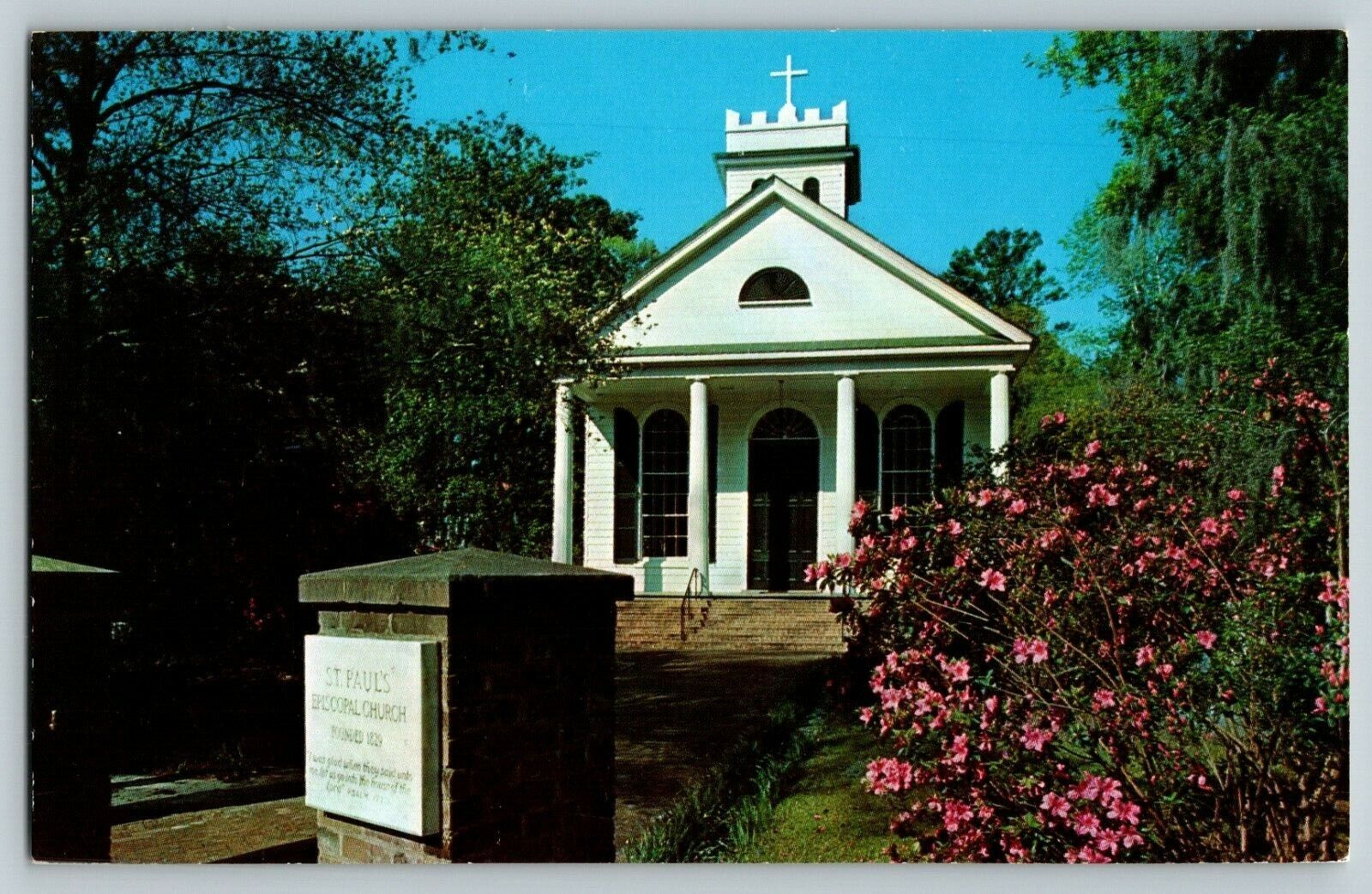
On the Monday morning after my confirmation c. 1964, Bishop Gray Temple administered to me my first communion in the church pictured above, and my fellow communicates and I breakfasted afterwards with the Bishop and my parish priest Steve Skardon at the (unfortunately named but elegant) Squirrel Inn in Summerville, South Carolina. The ritual had seemed (sort of) holy to me, and at breakfast the men wearing the collars were not in the least bit patronizing. They were literally gentle men. Afterwards, Father Skardon dropped me off to school. He respected my father, who was not a gentle man, who saw the world much differently than Father Skardon, but my father respected Steve as well. In fact, the last time I saw Father Skardon was at a wedding in Florence in 1977, and the first thing he asked me was how my father was doing.
He and Gray Temple possessed a quiet confidence. The sins of the flesh that they knew we would commit in the next few years did not terrify them. The Gospel Of Thomas did not enrage them. They understood Thomas was an alternative text that shared roots with the canonical gospels in that long process from word of mouth into writing. They understood that Yahweh-Nazarene-Ghost did not literally oversee translations from Aramaic to Greek nor guided the hands of scribes throughout the centuries to insure no deviation of the texts. They possessed imaginations. They had embraced the Enlightenment and understood that myths can convey the most profound truths. In other words, they understood that the Bible was not literally true. If asked if Augustus Caesar ever decreed that you had to travel back to your hometown to be counted in a census, they would have said no, that was an invention to establish Jesus in the line of David, etc.
And, I suspect, they realized that despite their canonizations, Origen and Hippolytus of Rome, were, not to put too fine a point on it, fanatical to the point of insanity, and that it would not be such a good idea to have their millennium-old decrees dictating 21st Century curricula.
***

Steve Skardon
Not long after my first communion, I witnessed a remarkable act of courage, Father Skardon preaching integration to a seething segregationist congregation.
Although I stupidly held my father’s bigoted viewpoint at the time, this man standing before a hostile audience pronouncing what was heresy to them made a profound impression on me. I am ashamed now to admit that I didn’t like what he was saying – that Blacks deserved the same social and political rights that whites possessed – but his demeanor as he calmly faced those angry parishioners profoundly affected me: Summerville’s own Atticus Finch.
Having a half-Baptist family, I felt much more comfortable at St. Paul’s than at Summerville Baptist, where the carpets were blood red and the smell antiseptic. St. Paul’s offered the redolent pleasures of candle scent; Chanel No. 5; and the occasional exhalation of last night’s Makers Mark, the somewhat sweet but unpleasant odor of sin. Our Church League Basketball team had the words “Episcopal Fifths.” on our jerseys. Father Skardon did not seem to mind.
Those harsh life-negating deserts of origin/Origen seemed thousands of years and thousands of miles distant. The liturgy and accompanying rituals were life affirming. The sermons tolerant, forgiving. The cerebral cortex (logical discourse) rather than the brain stem (babbling in tongues, etc.) held precedence.
After all, we lived in a semi-tropical climate.
[1] Origen, a 3rd Century Christian scholar, is the poster Eunuch for taking Biblical texts too literally, e.g., “there are eunuchs who have made themselves eunuchs for the sake of God.” Or, to put it another way, “if thy right eye offend thee, pluck it out and cast it from thee.” To cut to the chase, both his left and right testicles offended him, so he castrated himself or had a friend castrate him. Origen had condemned the Gospel of Thomas, as heresy hence the suggestion to consult his writings.

The Alex Murdaugh murder conviction saddens me, not because I think he’s innocent, but because I didn’t want it to be true, didn’t want to believe that the Sophoclean shit show the prosecution posited could be real, that a father could premeditatively gun down his son, splattering his brains, then utilizie a different weapon to gun down the mother of that son, shooting her five times, the final shot to the head.
[Cue Kurtz: the horror, the horror.]
I was chatting with a stranger at the bar at Chico Feo yesterday afternoon about the trial and about the ubiquity of surveillance. I mentioned that Siri, Apple’s arbitress[1] of data, sang like – if not a canary – like a soulless automaton out of Orwell, providing law enforcement with information about how many steps Alex had taken, how fast he was walking before and after the event. The black box of his Suburban also ratted him out, digitally informing SLED that his SUV had hit seventy on the bumpy dirt road on his way to the house of his Alzheimer’s ridden Mama in the dark of a night as black as any in Southern gothic literature.
It out Faulkners Faulkner.
The stranger had his own story about super-surveillance. I didn’t know this, but there are magnetic (for lack of a better word) homing devices that you can affix to someone’s car and track its movements just like they did in the Bond movie Goldfinger.
He had purchased several and affixed one to his then girlfriend’s car because he correctly feared that she was cheating on him. On the last day of their relationship, he drove to where her car was parked, discovered her as she was leaving an apartment complex, and thanked her for showing him what kind of person she really was.
Happily, no shots were fired. Even, at least in his telling, the recrimination was mild-mannered.
Anyway, in this case, even if his girlfriend didn’t possess a cellphone and drove an early model computerless automobile, she still would have been busted.
Let’s face it, Big Brother’s corporate siblings, his little brothers, our cell phones, automobiles, etc. are watching us, and we pay them to. Could the knowledge our every move is monitored move us to emend our sinful ways. After all, if we don’t slaughter our families, cheat on our lovers, or binge watch Monkees videos, we have nothing to worry about.
[1] Even though I consider myself “woke,” I like the sound of feminine suffixes, and, on another topic, realize that the personality that is Siri is not an employee but merely a voice strung together with ones and zeroes.
If my grandmother hadn’t been diagnosed with terminal throat cancer at the age of 42, you wouldn’t be reading this sentence.
You’re writing your autobiography. What’s your opening sentence?
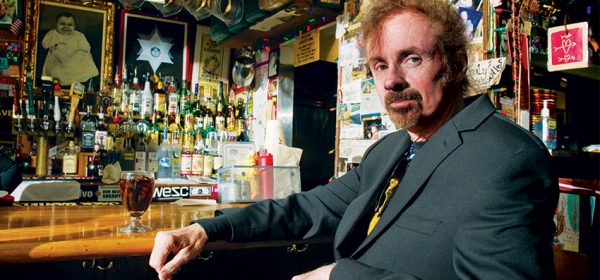
When prepping for my trip to “the Hostess City of the South” to hear T. Coraghessan Boyle read at the Savannah Book Festival, I searched high and low (literally) for my copy of his short story collection Greasy Lake to get him to autograph it. Oh, I own probably two-thirds of the thirty-one books he has published, but I especially wanted his signature on Greasy Lake because it is stained with my blood, now a brown smear after thirty-eight years of residence on page whatever.

It had been in my hand when I stood up in the back of a pick-up truck to tell the driver Larry Howland he needed to turn right, which he did suddenly, catapulting me Buster-Keaton-style out of bed of the pickup onto the hard pavement of Folly Beach’s Ashley Avenue.[1] When I stumbled to my feet, I was bleeding from my head and right hand. I must have picked the book off the pavement, thus the blood stain. Anyway, I couldn’t find Greasy Lake anywhere, not in my drafty garret, nor in the book-choked guest room where I keep my valuable volumes, like the one pictured below.

So, I took Water Music instead, Boyle’s first novel and a first edition to boot, probably a felicitous turn of luck for the heirs of the Moore Living Trust given that it will likely fetch a better price at the upcoming the estate sale, whenever that is – let’s hope not soon.
Anyway, I’m a huge fan, especially of his early short stories, manic riffs like this first paragraph from “Green Hell,” a parody of all those movies involving plane crashes and jungles:
There has been a collision (with birds, black flocks of them), an announcement from the pilot’s cabin, a moment of abeyed hysteria, and then a downward rush. The plane is nosing for the ground at 45-degree angle. Engines wheezing, spewing smoke and feathers. Lights flash, breathing apparatus drops and dangles. Our drinks become lariats, the glasses knives. Lunch (chicken croquettes, gravy, reconstituted potatoes, and imitation cranberry sauce) decorates our shirts and vests. Outside there is the shriek of the air over the wings; inside, the rock-dust rumble of grinding teeth, molar on molar. My face seems to be slipping over my head like a rubber mask. And then, horribly, the first trees become visible beyond the windows. We gasp once and then we’re down, skidding through the greenery, jolted from our seats, panicked, repentant, savage. Windows strain and pop like light bulbs. We lose our bowels. The plane grates through the trees, the shriek of branches like the keen of harpies along the fuselage, our bodies jarred, dashed and knocked like silver balls in a pinball machine, And then suddenly it’s over; we are stopped (think of a high diver meeting the board on the way down). I expect (have expected) flames.[2]
Boyle might resent this comparison, but his early stories remind me of the early Woody Allen movies, inventive, farcical, satiric, hilarious.
Here’s one last example from “The Big Garage,” an homage to Kafka, where the protagonist B. fills out an application to get an appointment to repair his Audi that has been towed to a Kastle-like nightmarish auto repair establishment:
B. Takes a seat beside the Cougar women and stares down at the form in his hand as if it were a loaded .44. He is dazed, still tingling from the vehemence of the secretary’s attack. The form is seven pages long. There are questions about employment, annual income, collateral, next of kin. Page 4 is devoted to physical inquiries: ever had measles? leprosy? irregularity? The next delves deeper: do feel people are out to get you? why do you hate your father? The form ends up with two pages of IQ stuff: if a farmer has 200 acres and devotes 1/16 of his land to soybeans, 5/8 to corn a 1/3 to sugar beets, how much does he have left for a drive-in movie? B. glances over at the Cougar woman. Her lower lip is thrust forward, a blackened stub of pencil twists in her fingers, an appointment form, scrawled over in pencil with circled red corrections, lies in her lap.
The Savannah reading, which was well attended, took place in a Lutheran church. Caroline and I had good seats/pews, but because of the acoustics of the church or the PA system or most likely my defective hearing, I had a hard time making out much of what he was reading, which I could tell was a fine performance, complete with acted out voices from several characters and emphatic gesturing.
Afterwards, we strode over to a square a block away where tents were set up for signings. We were about fourth in line, and once we shook hands, I mentioned that I used to teach “The Big Garage,” and as it turned out a student of his had made a film from it.[3] We had, what I would call a meaningful conversation. He said he really enjoys channeling disturbed male characters like in the story he had just read “because we’re all such saints.”[4]
Caroline asked if he minded if she took our photo, and he smilingly consented. And here we are, I gazing up like a beaming schoolchild in the presence of Micky Mantle.

[1] It’s one thing to trick fate, but to trick natural selection is especially gratifying. Although, to be truthful, I had already procreated, my older son Harrison being just over a year old and my younger son Ned at the time nestled in utero inside of luckily not-to-be-widowed-at-31 Judy Birdsong.
BTW, I have immortalized Larry, who in his fifties changed his name to Buck, with this BALLAD.
[2] I’ve always been a sucker for razzmatazz prose, like this sentence from James Wolcott: “An orange Elvis squirted from a can of Cheez Whiz, the Trump of The Apprentice bent the distortion field of Reality TV until it fit him like a girdle.”
[3] Here’s a link. Tap on media and look under the column FILM.
[4] From an interview: “Some writers just write about their own lives. Well, I don’t want to do that. I want to have a really boring life. A quiet, boring life so no one wants to write a biography. I’m the only writer in history only to have one wife, for instance.
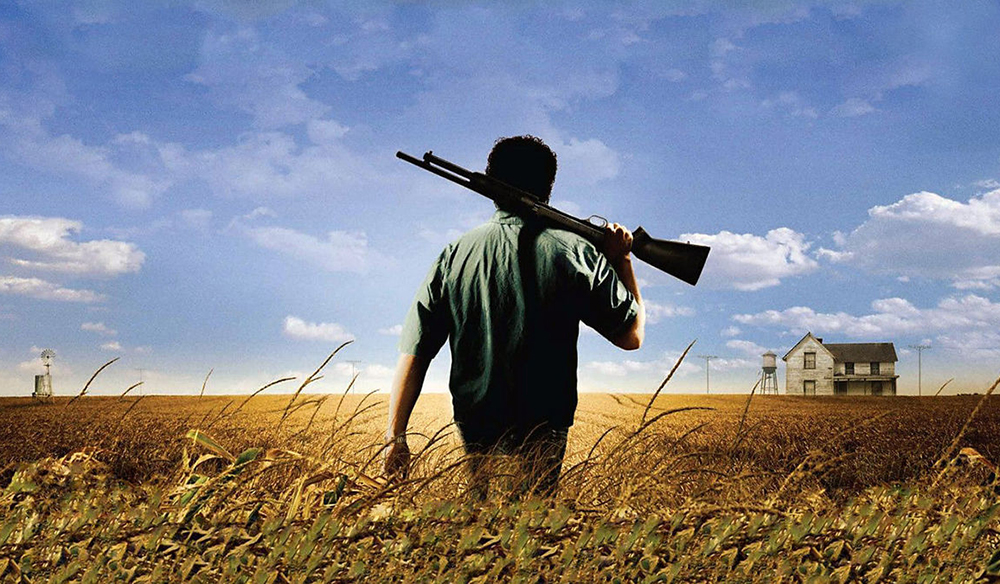
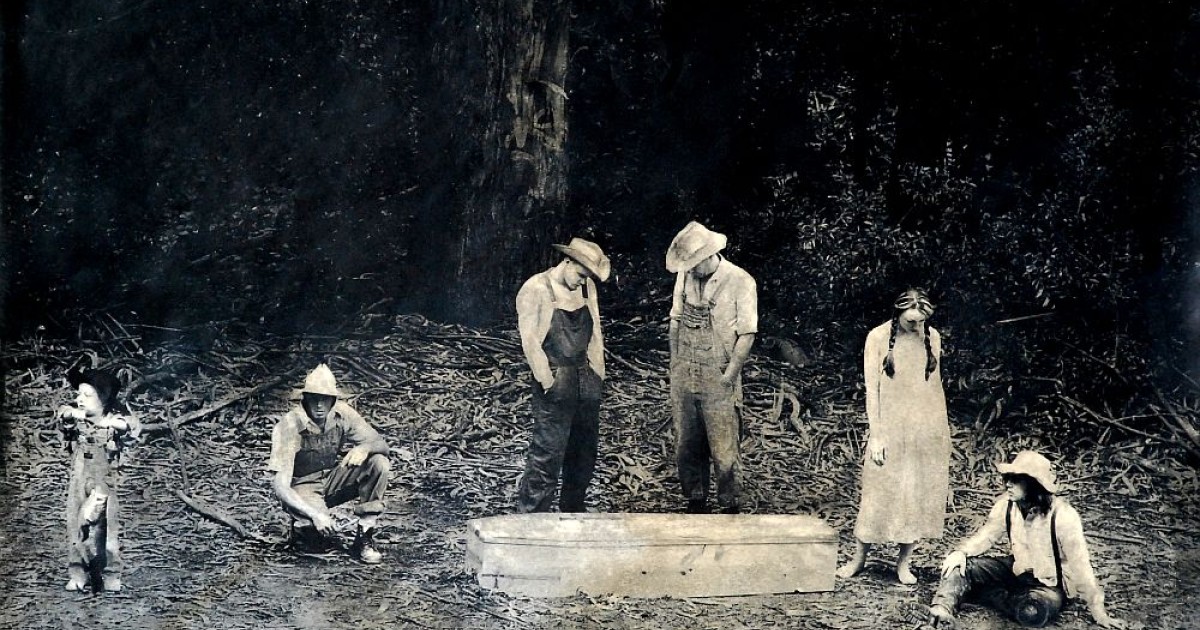
image via The Beat who copped it from Shotgun Stories
The Hyper Southern Gothic Murdaugh Saga


coming soon to a drive-in theater near you


Boating under the influence,
involuntary manslaughter
				way down south
					in the godforsaken backwater
							of Colleton Country, South Carolina,
				we have,
					in addition to addiction, a double homicide –
										alleged filicide –
	mother and son dispatched
	via assault weapon and shotgun,
				a botched faux murder/staged suicide,
						and earlier, in the abode of the accused,
							a housekeeper tumbling
								down steps to her death.
								.

		Did I mention
		insurance theft,
		crystal meth,
		financial skullduggery,
		abandoned mills,
		prescription pills?


It's as if William Faulkner
and Flannery O'Connor
joined forces with
Harold Robbins.

Add an ebon dash
of E.A. Poe
and presto:
you got the hyper Southern Gothic Murdaugh saga.

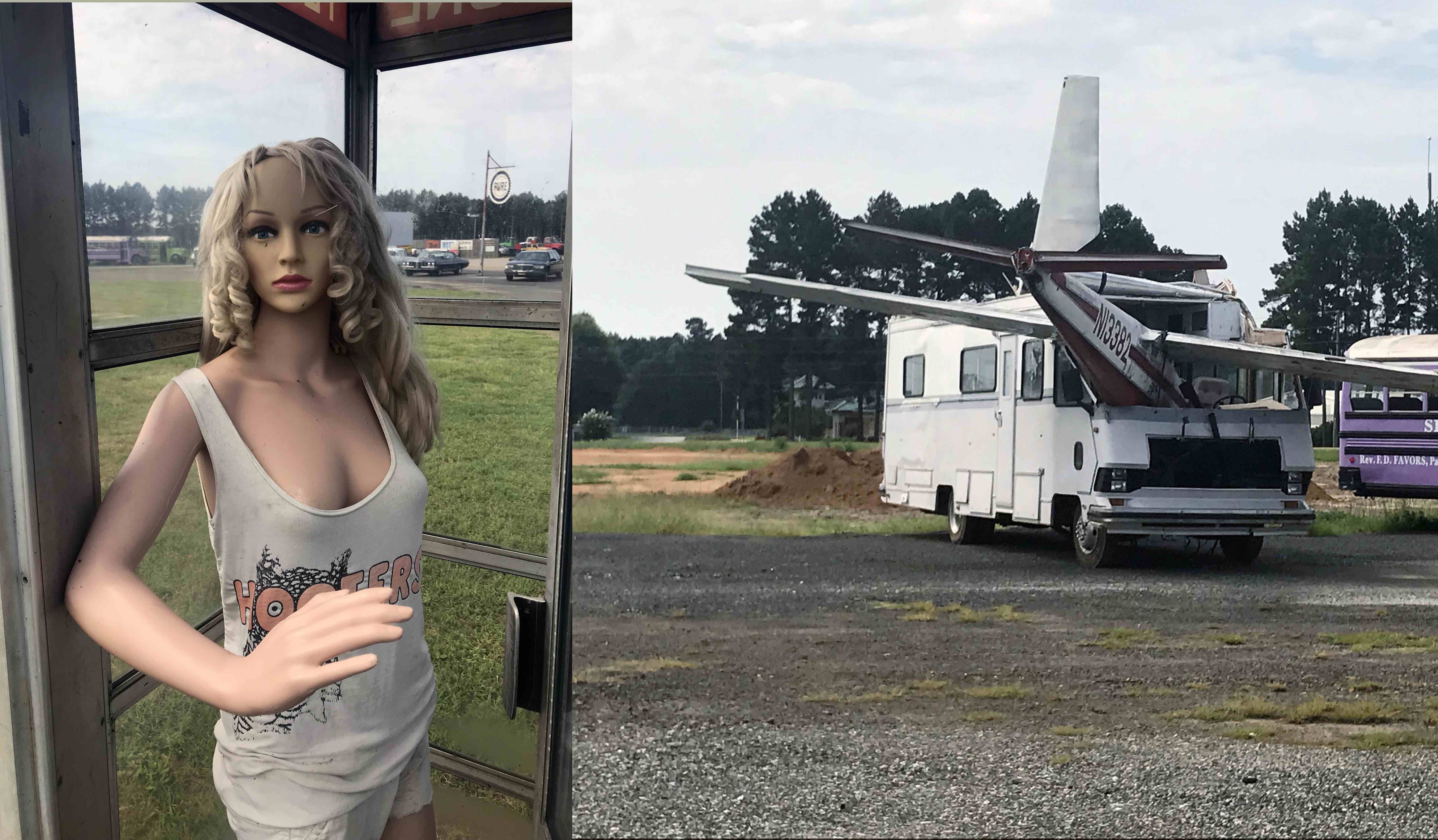
If Hunter S. Thompson hadn’t blown his brains out, he’d be 85, perhaps too old to book a flight to Atlanta, too old to drive the back roads through Flannery O’Connor country past Blind Willie McTell’s grave, past that weird ass art installation that practically defies description, past the “Hell Is Real” billboards, over the Savannah River Bridge, through the desolation of the town of Allendale on his way to the Colleton County Court House in Walterboro to cover the double homicide murder trial of Alex Murdaugh.[1]
If you’re unfamiliar with the horror show, here’s a link to a New Yorker article that provides an excellent overview. New Yorker. Or, if you’d prefer a briefer version compressed into poetry, click HERE.
I would love to read Hunter’s drug-fueled take on the drug-fueled mess, what he’d make of the prosecution’s scattershot case, a shotgun blast of so much disassociated information that Immanuel Kant couldn’t follow it. Then there’s defense attorney Dick Harpootlian, shuffling papers, fumbling for his reading glasses, the food trucks outside the courthouse, the moss-draped oaks minding their own business as they always have.
But, alas, as the final song of the Stones’ album Let It Bleed says, “You can’t always get what you want.”
[1] I realize the phrase “homicide murder trial” is redundant, but it sounds so much better than either adjective by itself.

 You Do Hoodoo