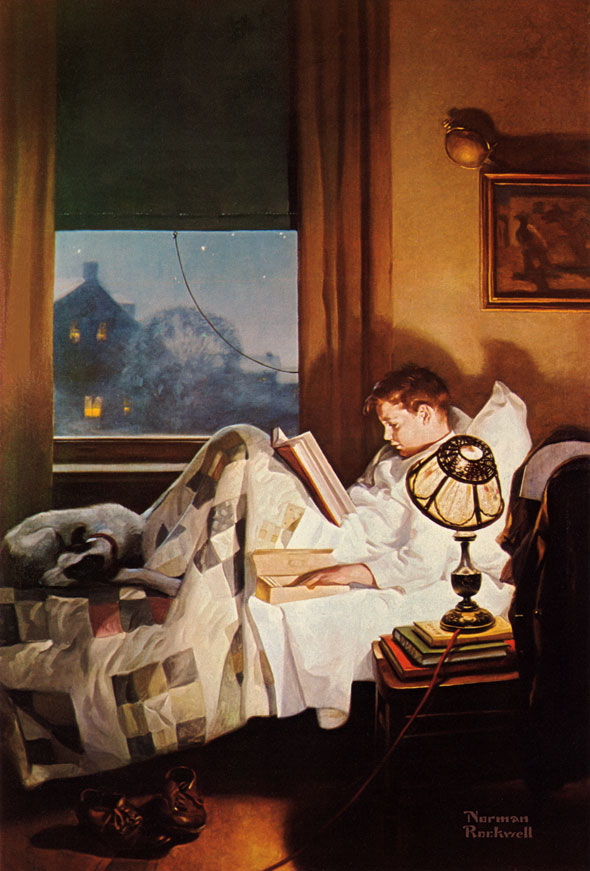
When I was five years old living in Biloxi, Mississippi, I was fortunate enough to contract rheumatic fever, an autoimmune reaction to untreated strep throat that triggers the immune system to rev into overdrive, attacking healthy tissue along with invasive streptococcus bacteria. I say “fortunate” because the disease left no permanent heart valve or joint damage and no doubt changed the course of my life because, to echo Jagger and Richards’ “Street Fighting Man,” what’s a poor bedridden boy to do but play with puppets, put together picture puzzles, and be read to?
Whether for good or ill, these lifelong habits have formed my character.
Spending a week in a hospital ward and another month in bed on Laurel Street in Summerville contributed to my becoming an avid indoorsman. Even in my young adulthood, I preferred the vicarious adventures reading provides —hunting down that great white whale with Ahab and the boys—to actual deep sea fishing, which I’ve done once but never will again. Not that it wasn’t interesting seeing flying fish skim across the surface of the ocean and that waterspout lazily twisting in the grey distance, but when all is said and done, Wordsworth’s nature just ain’t my thing.
Of course, I’ve moved on from picture puzzles of my pre-kindergarten hospital bed to more sophisticated pastimes like crosswords, sudoku, Wordle, Connections, and Spelling Bee. Solving a set series of on-line puzzles has become an unalterable beloved morning ritual during my retirement.
As far as puppetry goes, you can catch a video of a late life puppet show by hitting this LINK.
But more importantly, back in the day — the summer of 1957 to be precise— by mother read to me. I especially liked the Uncle Wiggily books, featuring a set cast of characters like Peetie Bow-Wow and Neddie Stub tail, the bear chap, and I also enjoyed Mother Goose and the brothers Grimm’s fairy tales.
Newtonian physics de damned!
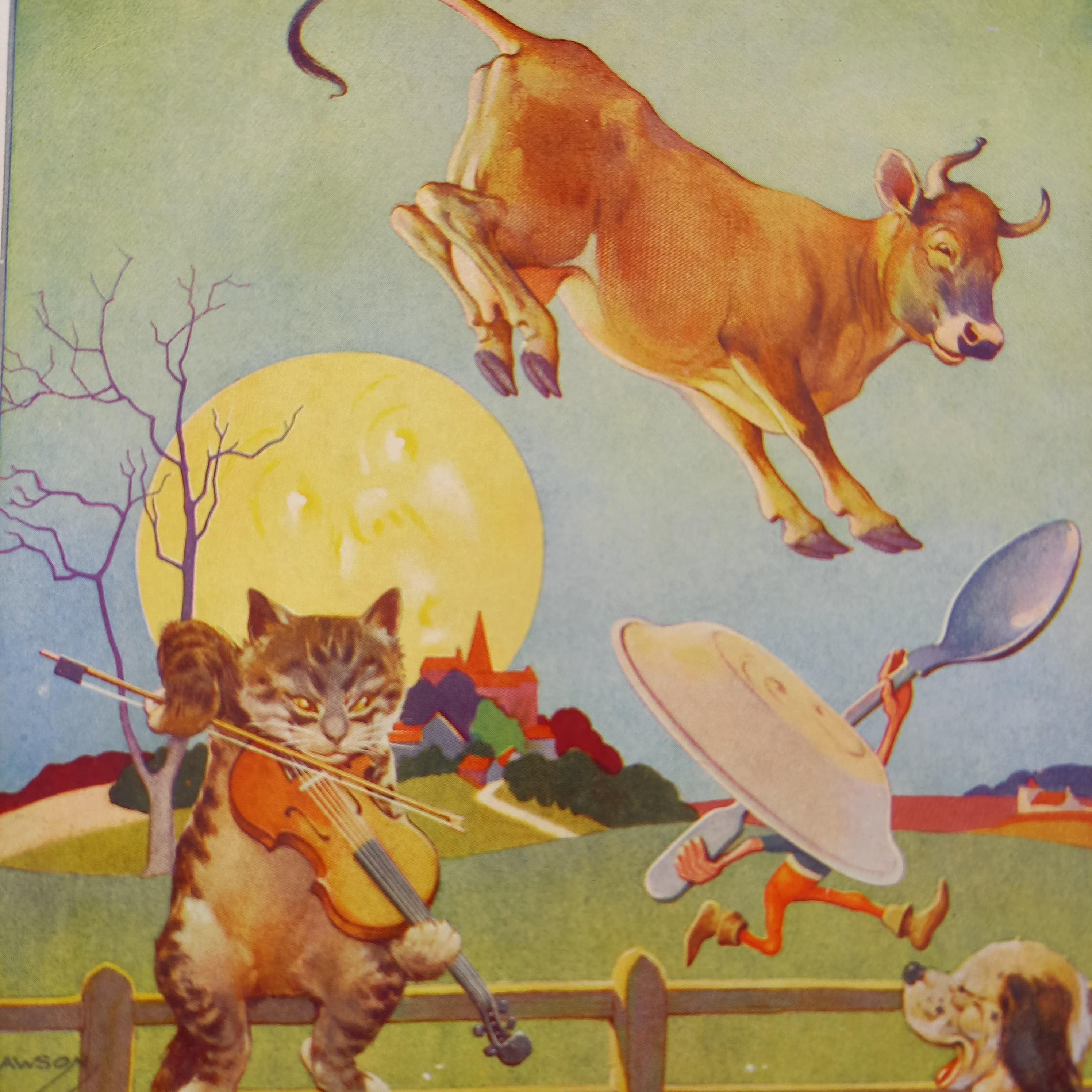
Hey, diddle, diddle,
The cat and the fiddle,
The cow jumped over the moon;
The little dog laughed
To see such sport,
And the dish ran away with the spoon.
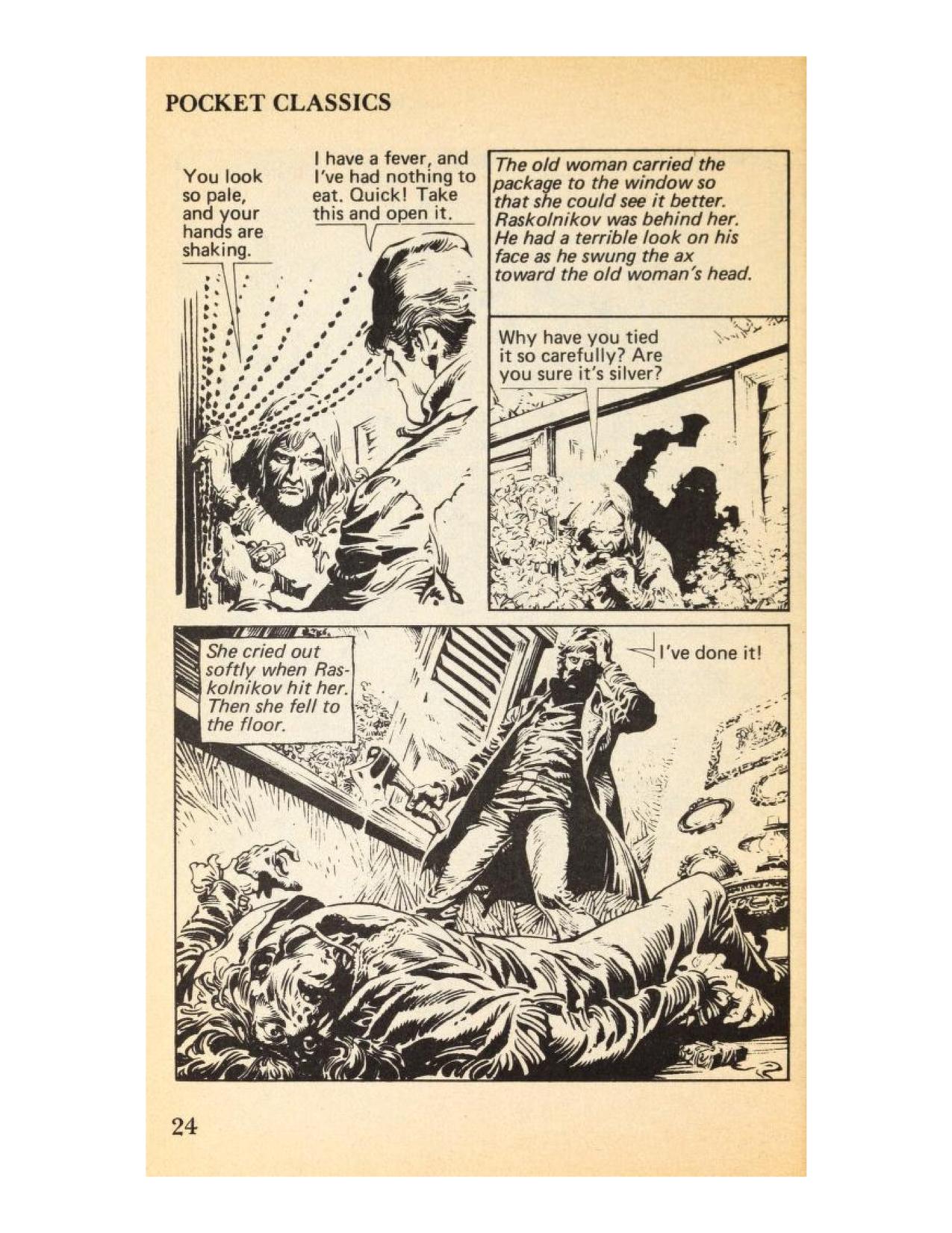
After I learned to read myself, I started collecting Classic Illustrated comic books in which the authors and artists attempted to jazz up novels like Dostoyevsky’s Crime and Punishment with action packed illustrations that actually belie the dark claustrophobic interiority of the novel’s 720 some odd pages.
Anyway, in retrospect, I’m okay with swapping two months of playing tag out-of-doors to the subsequent decades of living a life of imagination, and, of course, I know Ernest Hemingway, Cormac McCarthy, and my pal Jason Chambers have proven one can both love literature and the wonders of nature. Indeed, that love no doubt has deepened their understanding of how it all works.
I’ve come up with the male equivalent of “resting bitch face,” that sexist slight used to describe women who don’t dutifully beam sun-splashed smiles as they slog through yet another day of taxing responsibilities. Unfortunately, my term for the male equivalent—resting ogre face—aptly describes—to echo Eliot’s “Prufrock”—the face I prepare to face the faces that I meet. In other words, I shuffle through my world looking like an angry old man, projecting an aura that conveys get out of my way, don’t mess with me, whoever you are.
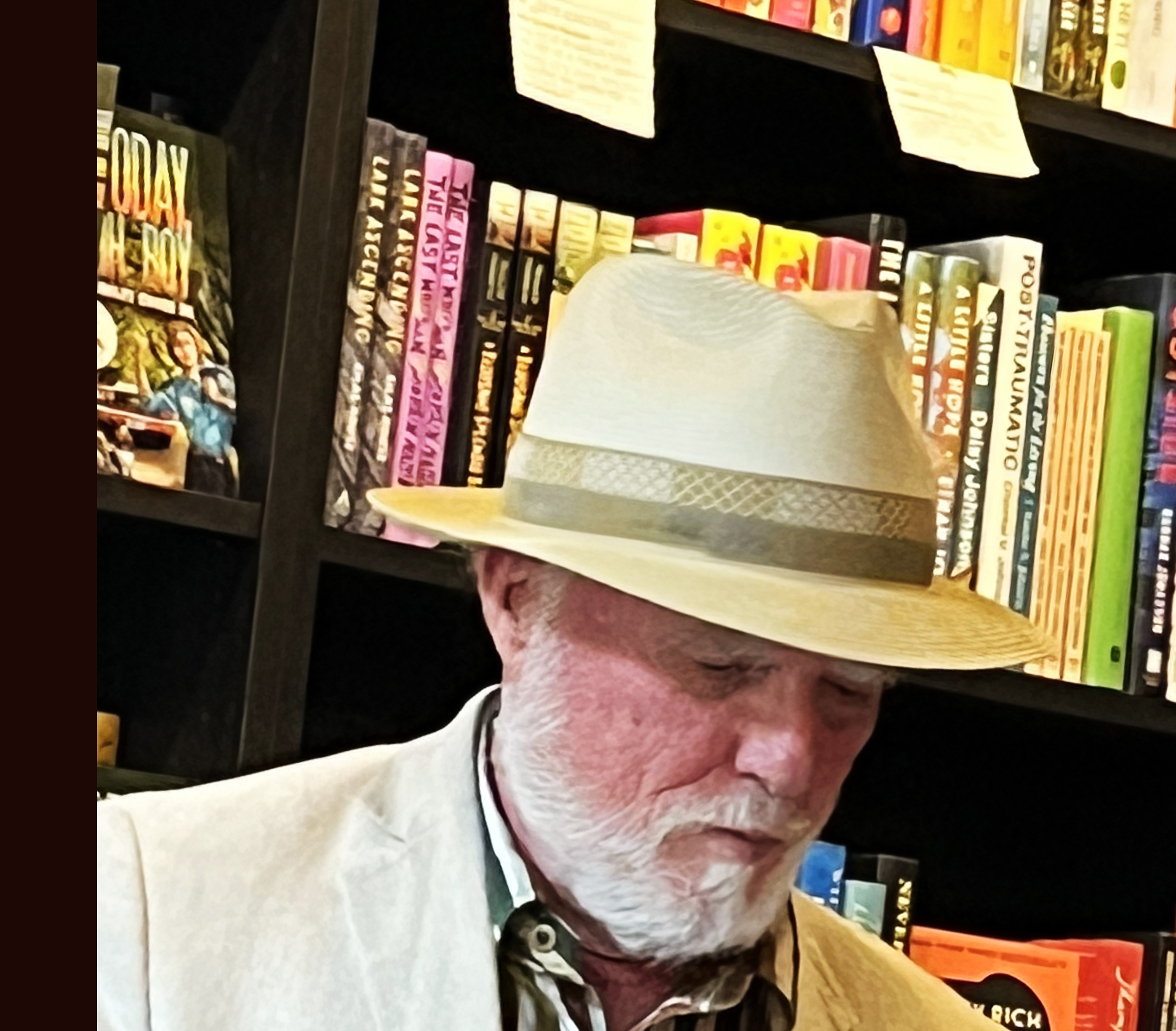
Even when I should be attempting to look somewhat pleasant—for example, in a public interview at a book festival—I come across like a put-upon asshole. Take a look. Notice the interviewer’s cheerful demeanor. Now notice the expression of the man sitting next to him.
I don’t even know, at this late stage of my existence, if it’s worth the effort to emend this unfortunate aspect of my demeanor. After all, a genuine scowl, as opposed to an ersatz smile, might be preferable in today’s timeline, when our country is led by an amoral, narcissistic vulgarian who sports a white baseball cap at a solemn ceremony where he meets the families of slain soldiers in a war he started under false pretenses—apparently to distract the public from the almost assured likelihood that he’s a pedophile.
In any case, until circumstances improve, resting ogre face may simply be the most honest expression available.
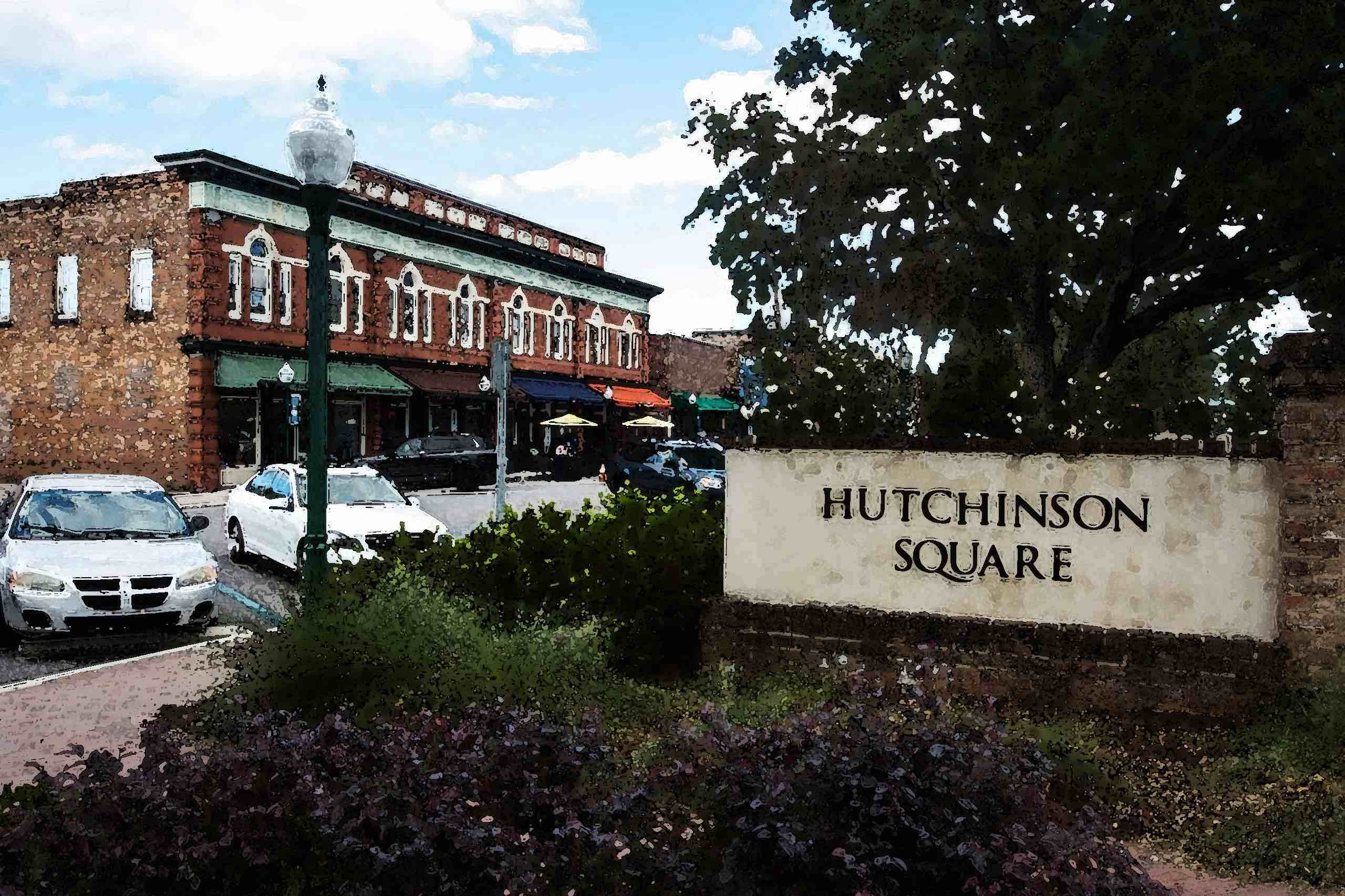
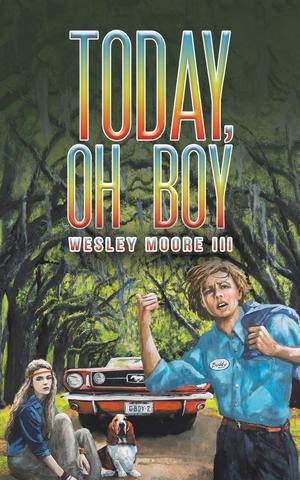
This is an excerpt from Too Much Trouble, a stand alone sequel to my novel Today, Oh Boy. In this scene, high school sweethearts Ollie Wyborn and Jill Birdsong, college freshmen home for Christmas after their first semester, meet for pool hall hotdogs in Hutchinson Square in downtown Summerville, SC. It’s the first time they’ve seen each other since their breakup in June before Ollie reported to the Air Force Academy.
Hutchinson Square
Jill’s relieved that so far her “date” with Ollie has been low-key, like two old friends catching up. He looks great. His boyish features have become more angular, his posture a bit more rigid. It’s breezy out on the square, the shadows of the trees swaying on the ground in front of their bench.
Unlike most males Jill has known, Ollie seems to genuinely care about what’s going on in her life and listens attentively. Before he left to fetch the chili dogs, he asked very thoughtful questions about life at Davidson, and his follow-up questions demonstrated sincere interest.
Now, in his absence, Jill’s mind drifts to Rusty. She wonders what he does during the day, an exile from his home.
Duh, he reads.
He’s been a booklover since she first met him in the 7th grade. In the fast-track history and English classes they shared, he was engaged, a lot more engaged than most students, and sometimes offered controversial takes on what they were reading, like calling Nick Carraway a smug, arrogant know-it-all, the worst of the slew of unlikable characters in The Great Gatsby. Then again, he didn’t seem to care all that much about his grades.
When Principal Pushcart read the daily announcements each morning over the intercom, Rusty was frequently one of the troublemakers summoned to the office. One time in the hall, Jill overheard Rusty tell Sandy Welch that he was, quote, “nothing but a crazy mixed up kid.” Jill wonders whatever became of Sandy, Tripp’s girlfriend, a wild child. Her family moved back to New Jersey not long after Tripp died, not long after the car chase she never wants to hear about again.
Here comes Ollie, smiling, walking up the paved pathway with a bag of chili dogs, fries, and a couple of Cokes.
“Is this wind bothering you?” he asks once he’s standing in front of her bench. “We could eat these somewhere else.”
“No, I like it here,” Jill says. “I like the sound the wind makes in the trees.”
He glances up at the limbs of the oak overhead, its branches swaying, its Spanish moss holding on for dear life.
“You’ll never guess who I just saw in the pool hall.”
“Who?”
“Rusty Boykin and Alex Jensen.”
“Really! Just now?”
Ollie nods. “Yep, they’re there right now.”
“Did you tell them you were with me?”
“Yeah, since girls don’t go into the poolroom, I was going to invite them over here to say hi, but they seemed to be in a very serious conversation. AJ has really put on a lot of weight, and Rusty’s hair’s down past his shoulders.”
“I know,” Jill says.
“So you’ve seen them over the holidays? Of course, Rusty works at Katz’s.”
“I saw Rusty last night.”
“Last night?”
“Yeah, we went on a date.”
“You and Rusty?”
“Yes.”
Ollie, who has been straining to be upbeat so far, frowns for the first time, then quickly recovers.
He carefully removes the white paper sleeve that holds Jill’s chili dog and hands it to her and then a small bag of rather greasy fries. She reaches down herself to grab a Coke. Ollie hands her a napkin, then retrieves his dog and fries and Coke.
“God,” Jill says, “I’d forgotten how good these are.”
God as an expletive, not gah, per usual.
“Indeed delicious. Did you have fun on your date?”
“Yes, I did. We both did.”
Ollie averts his eyes, takes a bite.
They eat in silence, the wind in the trees indeed highly audible. Ollie hadn’t noticed until Jill mentioned it. It bothers him somewhat that he doesn’t pay more attention to sounds.
Jill takes the last bite of her chili dog.
“Look, Ollie, the last thing I want to do is hurt you, but I haven’t forgotten the last words you said right before you hung up the other day. I’m sorry you think you love me, but I’ve changed a lot since June. I’m not the same Jill you knew. I’ve started drinking wine. I’ve quit believing in God. What you love is the idea you had of me back in high school.”
Ollie, ever quick on the take, instantaneously sees that it’s true. This Jill sitting next to him on the park bench isn’t the same Jill he took to the prom last May. Yet he’s more or less the same Ollie he was in high school. Oh, he’s better educated, in better physical shape, but his philosophical bearings haven’t wavered.
“I can see that,” he says, “but the funny thing is that I don’t think I’ve changed at all.”
“That’s because you’ve always been so mature, Ollie, and so good. I’d hate to see you change. I really would.”
Ollie doesn’t know what to say to this, so he says nothing.
She glances at her watch.
While Ollie pursues an errant napkin, she drops hers in the empty bag, crumples the bag, and deposits it in the trash can.
316 Camellia Drive
When Ollie returns home to his house in the Twin Oaks subdivision, he’s understandably downcast. Although he likes Rusty Boykin as a person and was even going to seek him out for companionship this week, he thinks Rusty’s all wrong for Jill—he’s wild, reckless, disorganized, and countercultural, which means he undoubtedly smokes cannabis and therefore breaks the law. That is, unless Rusty, too, has changed, but it certainly doesn’t look like it with his wild hair and raggedy outfit.
Ollie’s feeling the inherent sadness of the end of a relationship. He realizes that he and Jill will never be friends again in any meaningful sense. However, he also realizes—after all, some of the kids in Summerville call him Spock—that change is the one constant in life. While he’s sitting right now in the model airplane museum of his bedroom, his cells are multiplying and dividing, water is evaporating over the ocean, clouds are shifting shapes, the moon is waning. Virtually every high school romance ends like this. It’s, as his grandma would say, just part of life.
He’s chomping to get back to Colorado Springs. Summerville isn’t really his home. Here he’s a Yankee, and if he lived here for another 50 years, he’d still be a Yankee. He’s never completely understood the fixation they have with the Civil War.
A knock on the door interrupts his musings.
“Come in. Hi, Mom, what’s up?”
“You have a phone call. Cindy Cauthen would like to speak to you.”
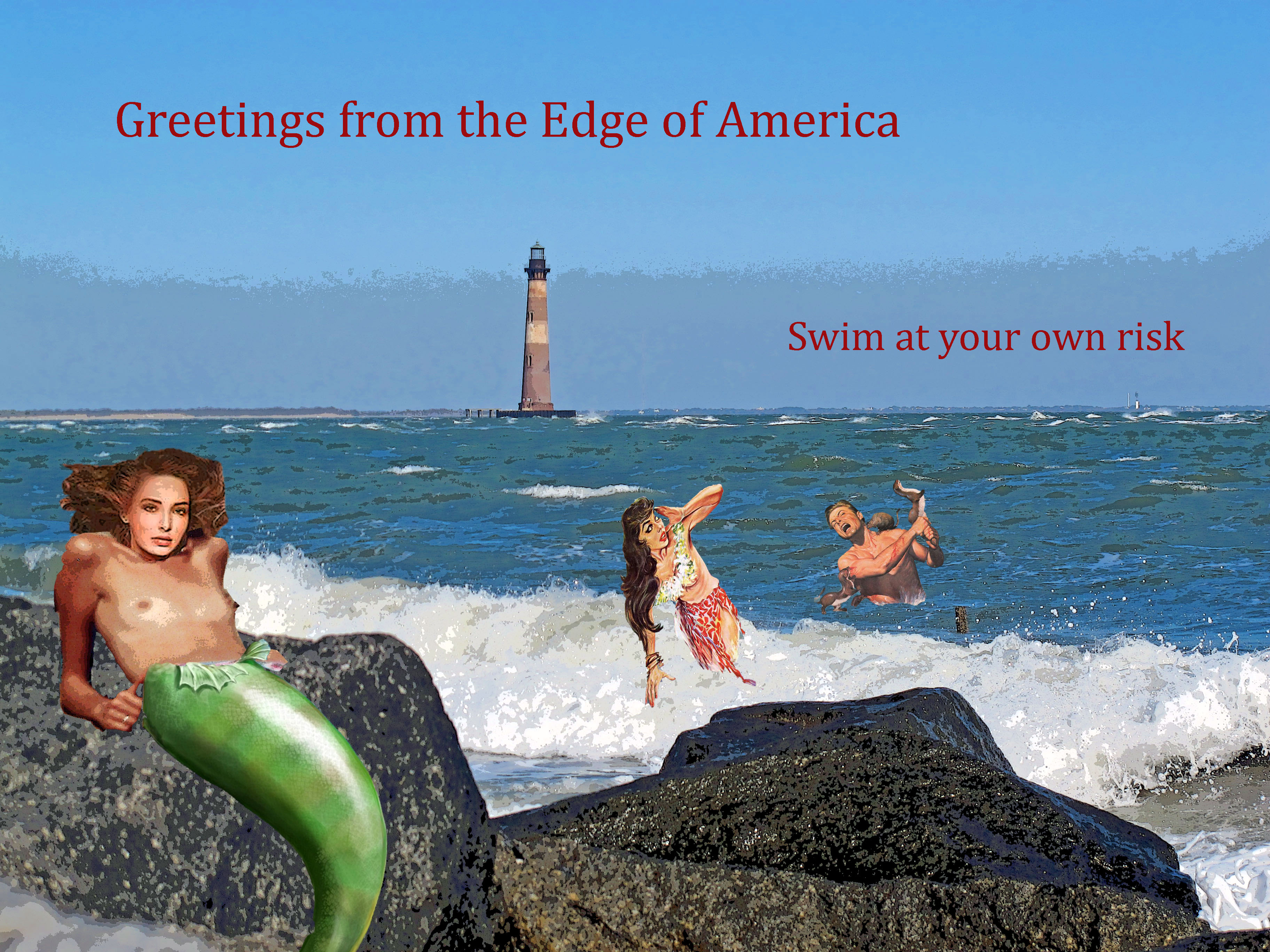
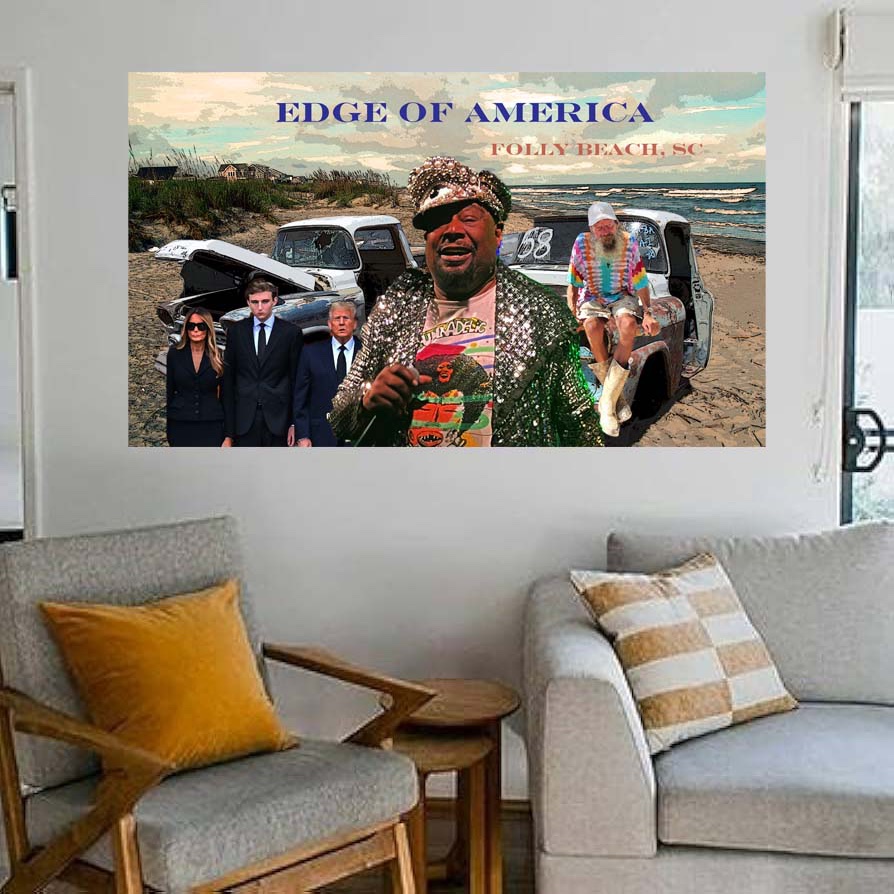
I’ve submitted this one minute video entitled Edge Connections for an art show in Charleston. If accepted it would play in a loop projected on one of the walls of the gallery. The audio would be provided by the curator. The theme is Folly Beach Noir, the Edge of America. Click on the box below to engage, even if it’s black.
Well, here I go again—only three months after lamenting the death of my high school buddy Adam Jacobs, now mourning the death of another of our crew, Jack McDonough, who died unexpectedly last week in Asheville.
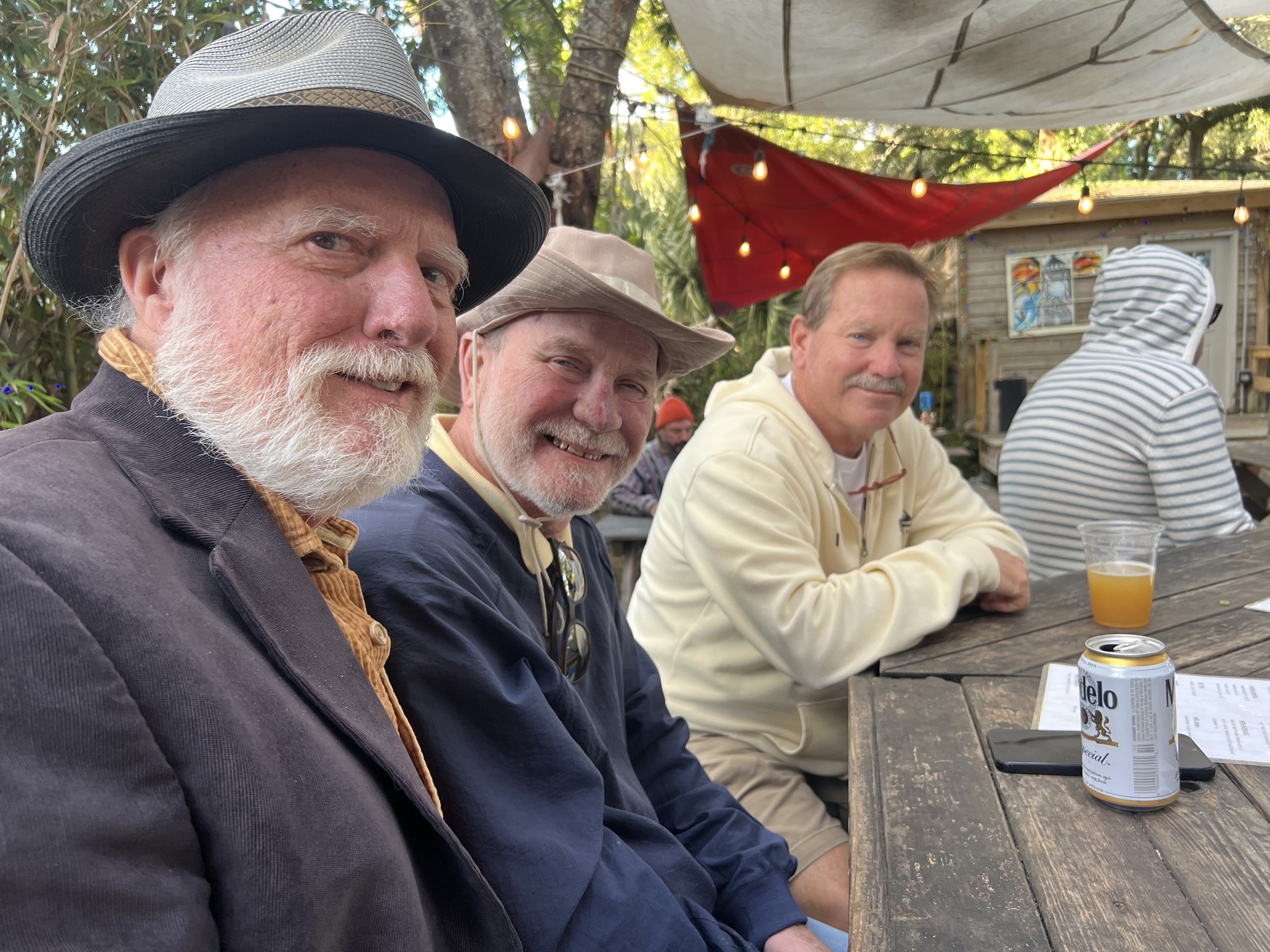
Unlike, Adam, whom I hadn’t had seen in this century, I was lucky enough to hang with Jack each fall when he would visit Folly for three or four days. Here we are with brother Barry at Chico in late October, about three weeks after Adam’s death.
Jack, Adam, and I were among the handful of Summerville kids who surfed. In fact, it was Jack who sold me my first board, a five-foot needle-nosed, home-shaped piece-of-shit that barely floated me, a 135-pound skeleton wrapped in untannable, freckle-mottled skin. In fact, on his last trip, we reminisced about that board, which indeed was fast if unstable.
In addition to his kindness, which you could see embedded in his facial expressions, Jack possessed an enormous amount of stoicism. He suffered from childhood diabetes, which did a number on his feet, and had a stroke some years ago that left him hobbled but unbowed. With a hiking cane and later a walker, he unselfconsciously inched his way without a scintilla of self-pity. There’s no substitute for self-confidence.
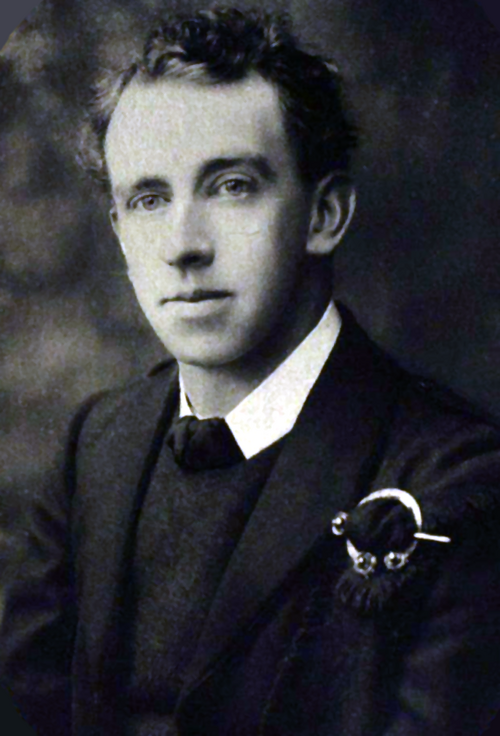
Jack was descendent of the Irish patriot and martyr Thomas McDonough.
Thomas McDonough
I write it out in a verse—
MacDonagh and MacBride
And Connolly and Pearse
Now and in time to be,
Wherever green is worn,
Are changed, changed utterly:
A terrible beauty is born.
William Butler Yeats, “Easter 1916”
Jack loved the land of his ancestors and studied Irish literature at Trinity College in Dublin and developed lifelong relationships with his Irish cousins. Family was so important to him, his brothers who predeceased him—Patrick and Matthew—and his surviving brother Barry and sister Casey and mother Edith who’s still somehow going strong in her Nineties.
Perhaps he was happiest hanging with his daughter Kate and her two children, whom he adored.
I’m also very appreciative to Jack for his support in my writing, not only purchasing and reading the books (the latter a rarity with my Summerville brethren) but by offering specific praise that demonstrated an intimate knowledge of the texts. I can’t tell you how much we non-best-selling authors appreciate that.
I’ll end by saying that despite his physical challenges and the tragedies his family suffered throughout the seven decades of his life, Jack was a fortunate man because he was a man of love. He was a devout Catholic who attended Mass daily, so he probably wouldn’t approve of this sentence, but goddamn it, I’m going to miss him.
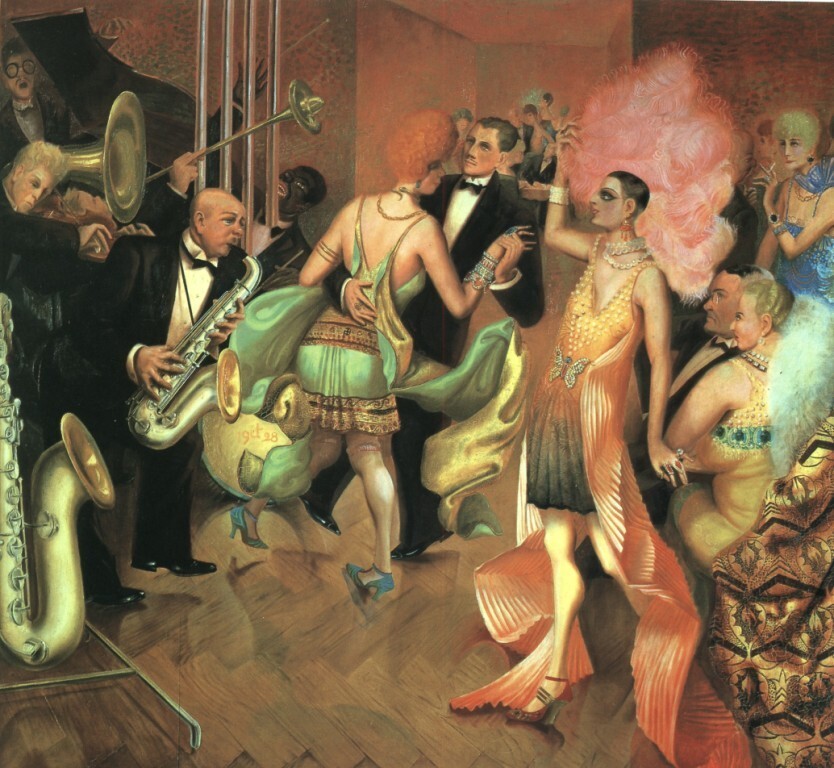
I’m rereading Christopher Isherwood’s Berlin Stories, a collection of semi-autobiographical, first-person narratives recalling his years in Nazi Germany before the war. The most famous of these pieces, “Sally Bowles,” later became the source for the musical Cabaret, dramatizing a reckless Englishwoman’s decadent sojourn in the German capital.
As Hitler gears up his war machine (at least he had the decency not to grovel for a Nobel Peace Prize during the buildup), Berliners hit the clubs in a final spasm of decadent hedonism—one last binge before the Jews disappear and the bombs begin to fall.
Many have drawn parallels between Hitler’s Germany and Trump’s America, and the similarities are unsettling: paramilitaries (Brownshirts/ICE), megalomania, bigotry, contempt for established law—not to mention basic human decency. The difference, however, is that we-the-people have access to real-time video documentation of atrocities.
Take the killing of Renee Nicole Good, whom the Trump administration claimed attempted to run down her killer. Video evidence clearly shows otherwise: she was trying to drive away. Her last words were, “Look, dude, I’m not mad at you.”
“The Party told you to reject the evidence of your eyes and ears. It was their final, most essential command.” —George Orwell, 1984
I keep hoping that such footage might turn the tide against Trump’s authoritarian overreach.
“And so yesterday, without any fanfare whatsoever, ICE distributed a ‘legal refresher’ to their thugs, reminding them that constitutionally protected freedom of speech is still a thing—and that, as much as they’d like to, they can’t execute anyone for calling them a ‘pussy-ass bitch.’” —Jeff Tiedrich, “ICE Is Big Sad Because Everyone Hates Their Guts”
* * *
At any rate, last night I found myself at Folly Beach’s cozy Bounty Bar for an indoor version of
Foxy G’s Soapbox. Sitting there, it occurred to me that the darkened room and tiny stage of the Center Street tavern bore a faint resemblance to the Kit Kat Club of Cabaret—especially when John David Kulpa took the stage to perform three songs from three of what he calls his “hard rock operas.”
So what’s a poor septuagenarian to do But sit in the dark while the singers sing through? In a red state fast asleep, way down in Dixieland, There’s no just place for a street-fighting man—
Each December, I assemble a month-by-month retrospective with links to what I consider that year’s greatest hits. Alas, in 2025, we have what my curmudgeonly grandfather Kiki would call “slim pickings.” Most years, I crank out 60 or so posts; however, this year I only produced 40 (and not a one in November). The good news is that the paucity of publishing is a by-product of greater productivity elsewhere. I’ve just finished Too Much Trouble, a sequel to Today, Oh Boy. The new book is essentially “a Southern Gothic romantic Comedy,” and who doesn’t love a “meet cute” during a serial killer’s murderous spree?
Now I’m attempting to land an agent so I can upgrade publishers, a tedious exercise in filling out forms on on-line platforms. Here’s a common request: Inone sentence, pitch your novel.
“Oh, y’all, it’s so good, set in 1972, a page turner, literary, with characters you care about, a weird ass combination of pathos and fun, Harry Met Sally meets Night of the Hunter.
Already, even before official publication, David Boatwright is working on a screenplay, and his short film Summerville 1970, inspired by Today, Oh Boy, has recently won a handful of awards on the festival circuit.
So, anyway, grab a beverage, kick back, and gaze into the rearview mirror of 2025 as Jalopy USA races towards the edge of a cliff.
NOTE: WORDS IN BOLD ARE LINKS TO THE POSTS.
January
One of my favorite filmmakers David Lynch died in January, which prompted Caroline and me to take in several of his works, including Blue Velvet, Twin Peaks, and, of course, Eraserhead.
February
I’m what our narcoleptic president would consider “a lunatic leftwing communistic fascist low IQ individual,” so I revel in doing political hatchet Howitzer jobs on Donny; however, for the sake of my sanity, I’m only including two in this retrospective, and this one is more of a hit job on Nancy Mace than it is an excoriation of 45/7.
As an astute reader might infer from the above, I’m also not a fan of Lindsey Graham.
After reading the next one, entitled “Bad Poems, Fake Paintings, and Commerce,” you’ll definitely gonna wanna DM me so you can buy one of these fake paintings before they become unaffordable. By the way, Lowlife Bar now features the very first image in the post on the back of their hoodies. Lowlife’s located on the first block of East Hudson. Go grab you a hoodie before they sell out.
April
I attempted, unsuccessfully it would seem, to transform Today, Oh Boy into a screenplay, and this post explores the differences in the genres from a narrator/filmmaker’s perspective. Click: Novels Vis-a-Vis Screenplays.
May
Here’s what you get when you ask AI about Summerville 70.
“Summerville 70” refers to a recent 15-minute short film, an adaptation of a chapter from Summerville native Wesley Moore III’s novel Today, Oh Boy, depicting life and coming-of-age lessons in Summerville, SC, during the summer of 1970, directed by David Boatwright and produced by Paul Brown, which premiered in late 2025 and has been winning film festival awards.
(AI needs to work on its syntax. You could practically hang yourself with those dangling modifiers.
Anyway, I visited the set and gave Hitchcock a run for his money in fat boy cameo appearances.
June
Oh, yeah, I had a book come out in June. Here’s eloquent Alex Werrell’s introduction ofLong Ago Last Summerat its launch at Buxton’s Books, which was, to quote my friend Lee Robinson quoting Alan Shapiro, “the storm before the calm.”
Thornwell Dormitory, the University of South Carolina, 22 December 1972
Crisscrossing his dorm room, Rusty Boykin wads up clothes and shoves them into a sour-smelling duffel bag. He leans over and snatches his two-tone cowboy shirt from the floor, the one with fake pearl snaps, and shoves it in on top of two pairs of faded Levi’s. Turning around, he rifles through the built-in drawers in his closet and crams into the bag the four boxer shorts he owns. After yanking the drawstring tight, he slings the duffel over his shoulder hobo-style and steps out of the room into the suite he shares with three other students. Before leaving, he checks himself out in the mirror above the sink, admiring his Keith Richards–inspired shoulder-length shag that’s sure to give his ol’ man a hemorrhage-and-a-half.
Red on the head like a dick on a dog
His suitemates, Jersey boys, have already departed for the frigid Northland. Despite going to the University of South Carolina, two-thirds of Rusty’s dormmates hail from the Northeast while the rest come from small in-state towns like Hampton, Seneca, and Sumter. Yesterday was the last day of exams, so most students have already cleared out for the holidays.
Rusty doesn’t own a car, so he’ll get back home the way he usually does—by hitchhiking. With luck, someone will take him straight to the Summerville exit so he won’t have to hitch on the interstate. It’s no fun shivering on the side of the highway, getting wind-whipped in December as 18-wheelers roar past on their way to some soulless Kmart loading dock. Not to mention that hitchhiking on the interstate is illegal.
I-95, Robeson County, North Carolina, 20 December 1972
Rusty’s pal Alex Jensen, better known as “AJ,” has had a socially successful but academically disastrous first semester at Hampden-Sydney College—three Ds, an F, and a lone A in freshman English. “Frat life ain’t no good life, but it’s my life,” he sometimes jokes, echoing the Willie Nelson song. The good news—if you can call it that—is that AJ’s parents have become inured to being disappointed in their only offspring, a child conceived late in life when his mother Anne was 40 and her husband Thom was 52. So they won’t be shocked when they discover AJ’s abysmal grades and that he’s been lying, having assured them throughout the semester that classes were going great.
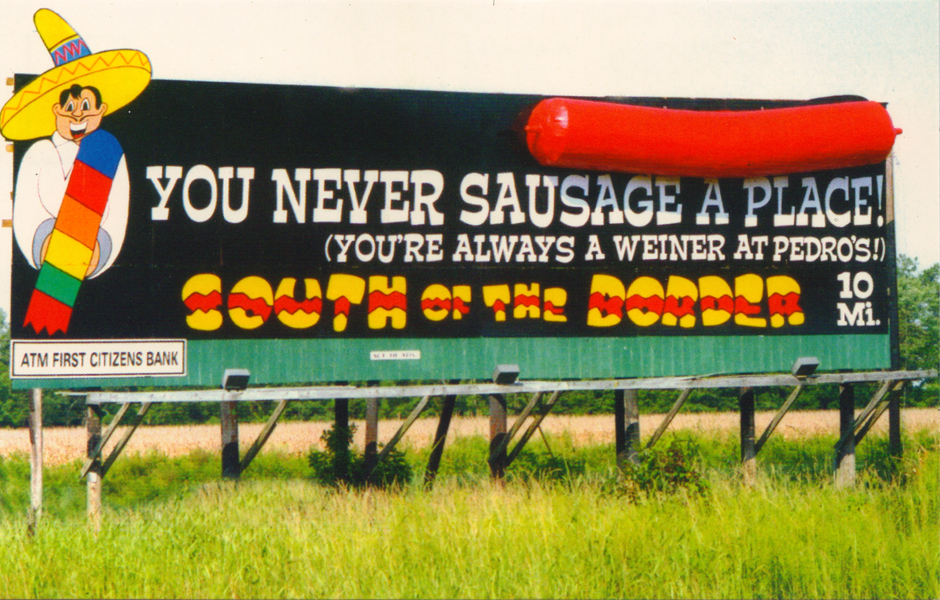
Four hours into his drive from Hampden-Sydney, AJ’s hangover has leveled off into a dull headache. He measures his progress to Summerville by the number of miles separating him from South of the Border, a Mexican-themed tourist attraction just below the state line. An absurd number of South of the Border billboards featuring their sombrero-sporting mascot Pedro appear with increasing frequency on the drive north or south on I-95 toward the North Carolina/South Carolina border. Up ahead, AJ spots yet another billboard, this one with a giant red hot dog standing upright above a sign that reads YOU NEVER SAUSAGE SUCH A PLACE! (YOU’RE ALWAYS A WEINER AT PEDRO’S) SOUTH OF THE BORDER 10 MI.
He thinks, Hell, why not? I’ll stop there, check it out, maybe get a bite to eat, and take a piss.
Fun ahoy!
506 Farrington Drive, Kings Grant subdivision, Summerville, South Carolina 21 December 1972
Jill Birdsong, a tall, slender freshman at Davidson College, opens a Christmas card from her high-school boyfriend Ollie Wyborn. A fourth class cadet at the Air Force Academy, Ollie isn’t allowed to come home for Christmas. Jill hasn’t seen him since they broke up in June just before his departure for Colorado Springs. Although fond of Ollie—she admires his intelligence and integrity—Jill has never been “in love” with him, and their make-out sessions were relatively tame—especially for Summerville’s teenage culture, where, at least once every school year, some sophomore or junior or senior suddenly disappears “to stay with her aunt for a while.”
At Davidson, Jill has had a few dates, but nothing has clicked. Just recently, though, she has started drinking socially. In high school, Jill was religious—a member of the national Christian organization Young Life—and never indulged in alcohol; however, gradually, thanks largely to her biology courses, Jill has stopped believing in the Resurrection, a change of heart (and mind) she would never share with her parents, who are devout Episcopalians but not teetotalers.
Ollie, whose lack of playfulness had always been a bit of an impediment in their relationship, has never been a believer. In fact, in high school, when Rusty Boykin once asked Ollie if he believed in God, Ollie explained that the series of events Rusty had mistaken for divine intervention was merely coincidence. Although not friends, they had been thrown together the October of their junior year after some rednecks jumped Ollie outside the pool hall. Rusty and his would-be girlfriend Sandy Welch were slowing down, looking for a parking space when they saw Ollie karate-kick one of his three assailants. They yelled for him to jump into Sandy’s Mustang to escape—only to have the rednecks tear after them in a high-speed chase through town. The rednecks’ pick-up ended up running off the road at Bacon’s Bridge and crashing into the Ashley River.
In Summerville, fistfights are common, especially among the undereducated white male population. Ollie, originally from Minnesota, was surprised at first by the belligerence and obsessions of small-town Summerville, especially people’s fixation on what they call “the War Between the States.” Ollie has contemplated the differences between the cultures of the Midwest and South with anthropological detachment. A talented academic with a scientific bent, he finds almost everything interesting.
Ollie cares deeply for Jill, but he’s a rationalist, not a romantic, so he understands it made sense for her to nix their high-school romance when college puts two time zones and military restrictions between a couple. Anyway, his boyhood dream of becoming an astronaut is paramount, so he intends to focus his attention on that goal. He could have asked for leave toward the end of the holidays but opted not to because he’s determined to demonstrate his devotion to his duties.
Jill slides the card from the envelope, glances at the glittering snow scene, then opens it and reads Ollie’s neat, efficient cursive:
Happy Holidays, Jill. As always, I wish you the best and hope that if our spring breaks coincide, we can perhaps go to a movie or have lunch and catch up. Your forever friend, Ollie.
Probably my favorite and most oft-repeated personal anecdote is my half-hour ride to Folly Beach chauffeured by none other than that legendary folk hero and serial killing cut-up Donald “Pee Wee Gaskins,” nee Donald Parrot, AKA Junior Parrot.[1]
In fact, the Kirkus review of my memoir Long Ago Last Summer highlights the Pee Wee incident:
One of the standout pieces involves the author hitchhiking to Folly Beach as a teenager—he and his brother survived an encounter with someone who was likely the serial killer Donald “Pee Wee” Gaskins. Even though the hitchhiking story is only four pages long, it fits a lot of frightening intrigue into a short space; the reader not only learns who Gaskins was, but gets to see the monster in action, doing things like casually burning a boy with a cigarette. [2]
Of course, during that harrowing hitch-hiking experience, Pee Wee didn’t formally introduce himself or the beer-swilling, cigarette smoking ten-year-olds accompanying him, but twenty years later when I read his autobiography Final Truth, I put two-and-two together when he mentioned that he’d take nephews on beach excursions to Folly.
By the way, the memoir also boasts an original poem entitled “Pee Wee Gaskins Stopping at a Lake House on a Summer Evening.” Because of its macabre content and abject vulgarity, I dare not post it here in its entirety, but I will share its first stanza:
Whose corpse this is I ought to know
Cause I’m the one what killed it so.
I hope no one comes by here
To watch me in the lake it throw.
So you can imagine how delighted I was last week to receive unsolicited through the mail a pre-publication copy of Dick Harpootlian’s upcoming book Dig Me a Grave: The Inside Story of the Serial Killer Who Seduced the South.
I’ve not quite finished it, but when I do, I’ll post a review here. For now, I’ll just say it’s a real page turner written in noirish prose as Harpootlian, who prosecuted Pee Wee, weaves the narrative of Pee Wee’s life with his own. Exposure to cold blooded killers transforms Harpootlian from an underground newspaper publisher[3] into a prosecutor of murderers and from an anti-capital punishment advocate into a diehard (forgive the pun) proponent.
And as luck would have it, just last night I was privileged to hear my pal David Boatwright and his band Minimum Wage perform David’s song “Pee Wee Gaskins” at art reception at Redux Contemporary Art Center where Buff Ross is showing some of David’s murals that have lost their original homes in Charleston’s real estate shuffles.
The murals are so great. My favorite is a street scene in which Fredick Douglas is operating a Trolly Car that runs from White Point to the Neck.
Cool ass art is displayed throughout the building, which is located at 1054 King Street.
It’s not every day you see an ad for a James Brown inflatable sex machine sex toy.
Anyway, here’s a snippet of Minimum Wage performing “Pee Wee”Gaskins.” The iPhone video doesn’t do it justice.
[1] He’s also the namesake of an Indonesian punk rock band.
[2] It’s floundering at number 1,125,593 on the Amazon Best Sellers list, so why don’t you do a senior citizen on a fixed income a favor and order yourself one.
[3] The Osceola, which I read as an undergrad at USC
At my age, with 2.7 billion heartbeats (and counting) above my belt and 26,598 days (and counting) marked off my calendar, I’m not surprised when I learn that one of my highschool classmates has departed for “that undiscovered country from whose bourne no traveler returns.”[1]
A couple of weeks ago, for example, news that my junior-and-high school acquaintance Roanld Pinkney had died appeared on Facebook. Ronald was one of the pioneering Blacks who integrated Summerville schools years before wholesale integration. No telling what indignities he suffered in silence. I’ve likened these pioneering Blacks to Jackie Robinson, intelligent, thick skinned stoics courageous enough to subject themselves to abuse for progress’s sake. Ronald was a genuinely good guy, and I toyed with the idea of attending his funeral, but didn’t, of course, because I’m selfish.
However, this Wednesday when I turned to the obituary pages of the Post and Courier and saw the name Adam Martin Reiley Jacobs VII, I was taken aback. Although Adam and I lost touch after he was drafted and I left for college, he was one of my best friends in my last two years of high school. I often stayed at Adam’s house, or we’d hang for days at Jerry Locklair’s beach house across from the Washout.
The thing is, even though I hadn’t seen Adam since his Uncle Sammy’s funeral a quarter century ago, I’ve been hanging out with him over the past few years because he’s the inspiration for the character Will Waring in my novel Today, Oh Boy.Perhaps that’s why I’m taking his death so hard.
Right now I’m in the process of writing a sequel to the novel set in 1972 when characters from Today, Oh Boy return to Summerville for Christmas after their first semester of college.[2] Will has just been drafted, has received orders to report to Fort Jackson in early January.
Last Wednesday, the morning I learned of Adam’s death, I had just finished writing a scene where Rusty’s visits Will at his place. For Christmas, Rusty gifts Will his beloved blue jean jacket with the rolling paper icon Mr. Zig Zag silkscreened on the back. [3] Will had openly coveted the jacket.
“Damn, Rusty, you scared me!”
“Sorry, man. I knocked, but those headphones make you as deaf as Helen Keller.”
Will stiffly rises from the sofa, and they shake hands.
“I guess you’ve heard the news,” he says.
“God, yes. I’m so sorry, man. Whatcha gonna to do?”
“Bite the bullet. I thought for a second about going to Canada, but I’m just gonna bite the bullet and hope like hell I don’t end up in Nam.”
Will looks – what’s the word? – haggard – though 20-year-olds aren’t supposed to look haggard. In their friendship triad, it was always Will who preached chill to AJ and Rusty, chastising them for what he dubbed their “reel-to-reel anxiety.”
Rusty extends his arm that holds the present. “Merry Christmas!”
“Man, looks like whoever wrapped this was on smack.”
“Guilty but not guilty,” Rusty says.
Will removes the paper and sees that it’s the Zig Zag jacket. He pauses, holds it out at arm’s length to admire the silk-screening.
“Wow, man, thanks, but I can’t accept this. Though really appreciate the gesture.”
“But I want you to have it.”
“When I wear it, people behind me will mistake me for you.”
“So you’re planning on dying your hair red?”
“You mean like a dick on a dog?”
They both laugh.
After Today, Oh Boy was accepted for publication, I worried that Adam might read it and get pissed off I had partially based Will’s character on him. I worried that Adam might not appreciate the scene where he and AJ share a joint or how I portrayed his mother, a source of comic relief, though she’s really not his mother (and I find her sympathetic).
There’s a bit of solace in that no one in the novel comes off worse than Rusty, the character based loosely on me. Wesley Moore III probably has the strongest case for a lawsuit. But the thing is, even though Rusty and I had red hair and both our parents smoked like fiends, he’s not really me. He’s much stupider than I was, but also much nicer. When an interviewer once asked my pal Josephine Humphreys if any of the characters in her novels were based on her, she said, “No, but I sometimes let them wear my sweaters.” I can relate.
When I posted news of Adam’s passing on Facebook, I was surprised by how people seemed to be moved by his death even though their constant refrain was “I haven’t seen him in 50 years.”
Here’s my brother David’s response, “This has affected me more than I would have thought.” Mutual friend Susan Wallace Hoppe, though she hadn’t seen Adam since the 1970s, wrote, “This death has really hit hard.”
Why? Why are we so moved by his death when he’s been absent from our lives for a half century?
I believe it’s because Young Adam was handsome, charismatic, kind, modest and came to be a sort of icon in the early days of Summerville’s rather tepid counterculture. He was an artist, a drummer, a rebel, a sympathetic friend. In our minds, he’s the avatar of our youth, so to speak, a sort of immortal. But, of course, he wasn’t immortal. If dashing Adam is dead, we can’t be far behind.
I was expressing all of these sentiments to my wife Caroline, and she said she thought that Adam would be grateful to be in the novel because he’ll come to life whenever someone reads the book.
I don’t know if Adam would have liked Will, but I’d like to think so. I created him to be likable like Will. He’s, in a way, the most humane character in Today, Oh Boy.
In fact, at least in the novel, I’d rather be Will than Rusty.









 You Do Hoodoo